What is the primary purpose of an elbow in a piping system?
The primary purpose of an industrial piping elbow is to change the direction of fluid flow within pipeline systems while maintaining optimal flow characteristics and structural integrity. These critical components redirect liquids, gases, or other media through predetermined angles, typically 45° or 90°, without causing excessive pressure drops or turbulence. Industrial piping elbows serve as essential junction points that enable engineers to design compact, efficient piping layouts while accommodating spatial constraints in facilities ranging from oil refineries to water treatment plants. Beyond simple directional changes, these fittings help manage thermal expansion, reduce stress concentrations, and provide flexibility in system design across diverse industrial applications.
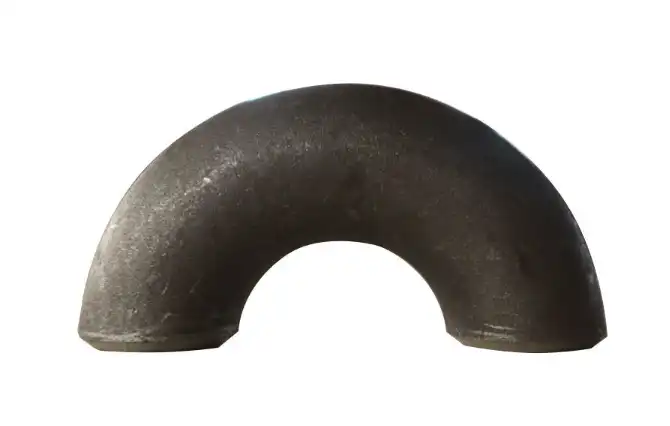
Understanding the Primary Purpose of Industrial Piping Elbows
Industrial piping elbows are essential parts of modern pipeline systems because they perform a variety of essential tasks that go far beyond just changing the flow direction. These designed fittings make it possible for fluid systems to handle complicated routing needs while keeping flow efficiency and structural integrity. The complex balance between hydraulic efficiency and material strength is taken into account in the design of these parts.
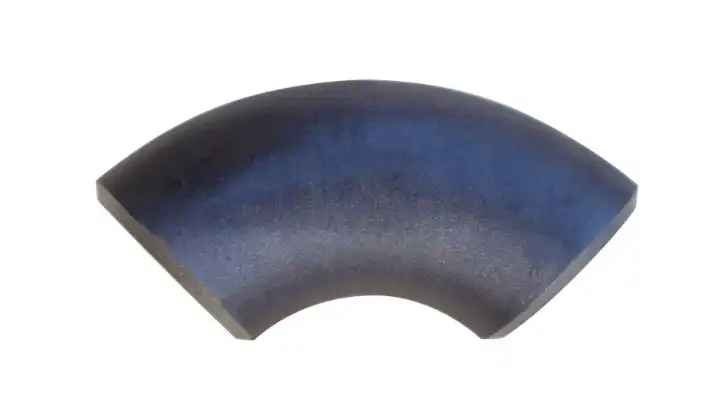
Directional Flow Management
The most obvious job of pipe bends is to change the direction of fluid flow at set angles. Engineers can use this feature to guide pipelines around obstacles, through tight areas, and along set tracks without affecting the performance of the system. Modern elbow designs have smooth interior shapes that keep the flow uninterrupted and lower energy loss when the direction of flow changes.
Pressure and Stress Distribution
Elbows are very important for keeping pressure changes and mechanical loads in pipe systems under control. At intersection points, where fluids change direction, big forces can build up. Elbows that are well-made spread these forces out widely across their structure, stopping stress buildups that could cause them to fail early or pose safety risks.
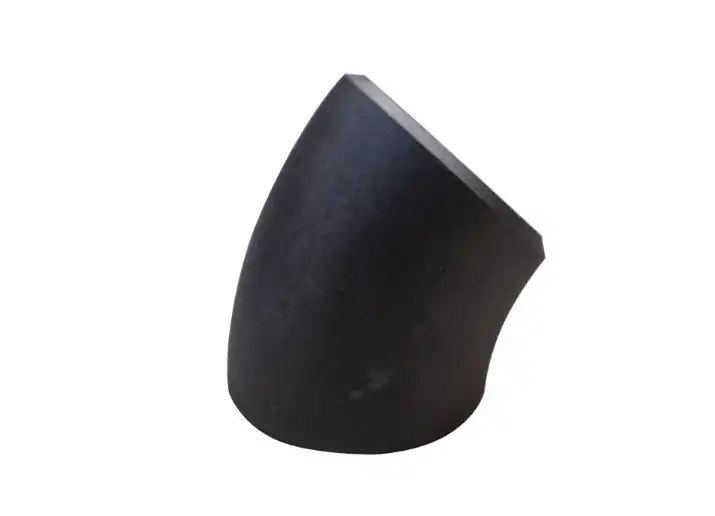
Thermal Expansion Accommodation
When used in high-temperature situations, piping systems go through periods of thermal growth and contraction. Elbows naturally have places where they can bend to handle these changes in size without putting too much stress on the straight pipe parts that are connected to them. This ability to control temperature is very useful in systems that make electricity, process petrochemicals, and distribute steam. Complex fluid dynamics calculations and structure analysis are used in engineering to make elbows work. Computational fluid dynamics studies show that elbows that are properly built can keep flow efficient while making necessary changes in direction. This makes them an essential part of complex industrial pipe networks.

Types and Specifications of Industrial Piping Elbows
The different types of industrial piping elbow configurations show the various uses and working situations found in different businesses. Knowing about these differences helps engineers and procurement workers choose the best options for each system's needs.
Angular Configurations and Flow Characteristics
Standard elbow angles include 45-degree and 90-degree angles, and each has its own benefits in different situations. The 90-degree bends let you change directions quickly and easily, which makes them perfect for small setups. On the other hand, 45-degree bends make flow changes smoother and reduce pressure loss, which is especially helpful in systems with fast-moving fluids. The centerline-to-face measurements of a long radius elbow are 1.5 times the normal pipe diameter, while those of a short radius elbow are only 1 time the nominal pipe diameter. This change in size has a big effect on the flow characteristics and pressure drop performance across the fitting.
Material Selection and Performance Properties
The choice of material has a direct effect on how well the elbow works, how long it lasts, and how well it meets industry standards. Here are the main types of materials that are used to make elbows:
• Carbon Steel Elbows: These have great strength-to-cost ratios for modest temperature and pressure situations. They are often used in industry and water distribution systems.
• Stainless Steel Variants: They are better at resisting rust and keeping their shape in harsh chemical conditions and high-purity settings.
• Alloy Steel Compositions: Offer better performance in high temperature and high pressure situations, which is especially useful in power production and petroleum processing.
These choices of materials make sure that they can be used in a variety of settings and still meet certain performance standards. As part of the selection process, things like fluid compatibility, working temperature ranges, pressure rates, and expected long-term durability are looked at.
Manufacturing Standards and Compliance
Elbow characteristics are governed by international standards to make sure that they are the same and reliable in all places around the world. ASME B16.9 talks about welding parts, and ASTM standards spell out the qualities of materials and how they must be tested. The DIN and JIS standards offer different ways to define things that are widely used in the European and Asian markets, respectively. These detailed standards cover a wide range of topics, including limits for measurements, material values, pressure ratings, and quality control needs that are necessary for safe industrial operation.
How Industrial Piping Elbows Are Made and Selected?
The ways that industrial piping elbows are made have a direct effect on how well they work, how reliable they are, and what uses they are best for. Knowing about these ways of making things helps you make smart choices during the design and purchase stages.
Manufacturing Processes and Quality Control
The modern production of elbows uses several complex methods, each of which has its own benefits for different uses. In seamless manufacturing, hot forming is used to make bends without welding them together. This makes the wall thickness regular and the pressure ratings better. This method works especially well for high-pressure situations where joint health is still very important. Plate or strip materials are bent into elbow forms, and longitudinal welds are used in welded buildings. Welded elbows are usually less expensive than seamless ones, but they need to be carefully inspected to make sure the joint is strong and the elbows work well. The mechanical qualities of welded fittings are improved by using advanced welding methods and heat treatment processes after the welding process. Forged elbows are the best way to make something because they are made by carefully deforming solid metal billets to make them stronger and more reliable. The forging method makes fine-grained structures that improve mechanical qualities and make the product work better in tough situations.
Selection Criteria and Engineering Considerations
To choose the right elbow, you need to look at a lot of physical and financial factors. Baseline standards for material and wall thickness are set by the operating pressure and temperature. The corrosivity and abrasiveness of a fluid affect the choice of material and the requirements for the internal surface finish. Space limitations, ease of installation, and upkeep needs are all things that system designers have to think about. These things affect the selection of various angular designs, end connection types, and general fitting sizes. To find the best total cost of ownership, economic analysis compares the original cost to the performance and upkeep costs over time. Quality approvals and testing requirements make sure that elbows meet project and industry standards. Material test certificates, dimensional inspections, and non-destructive testing are all ways to make sure that the quality of the manufacturing process meets the needs of the design.
Comparison and Decision-Making for Industrial Piping Elbows
To choose the right industrial piping elbow, you need to carefully weigh the different choices against the needs of the application. This scientific method makes sure that the best performance is achieved while keeping costs and deadlines in check.
Material Performance Analysis
For many uses, carbon steel elbows are both cost-effective and have great engineering qualities. Because they can handle mild pressure and temperature, they are often used in water systems, HVAC installs, and general industrial pipes. In harsh environments, however, corrosion prevention steps may be needed. Stainless steel options are better at resisting rust and keeping their look over longer periods of time. The higher cost at first is often worth it because the service lasts longer and needs less upkeep. Choosing the right grade of stainless steel lets you get the best performance in certain toxic conditions and temperature ranges.
Connection Type Considerations
Butt weld connections are best for high-pressure and high-temperature situations because they have smooth internal flow paths and great joint strength. Because welded parts are permanent, they need to be carefully planned and installed by a trained professional. However, they are more reliable in the long run. Socket weld and threaded connections make installation and upkeep easier. This is especially helpful for systems with smaller diameters and uses that need to be taken apart often. When compared to butt weld options, these types of connections usually have lower pressure values. To choose between connection types, you need to think about the system pressure needs, the installation process, how easy it is to do upkeep, and how reliable you want the connection to be in the long run. Each choice has its own benefits that make sense for a different set of program goals.
Procurement Considerations for Industrial Piping Elbows
To buy an industrial piping elbow successfully, you need to carefully consider the skills, quality systems, and business terms of the suppliers. This all-around method makes sure that the product is delivered reliably while also maximizing the project's cost and time needs.
Supplier Evaluation and Quality Assurance
A reputable industrial piping elbow can do what it can by having the right licenses and quality control systems in place. ISO 9001 approval shows that quality control procedures have been formed, and special manufacturing licenses show that safety and performance standards have been met. These qualifications give you faith in the supplier's skills and the quality of the goods. The supplier's ability to meet project needs within the time frames given depends on their production capacity and expert skills. Modern testing tools, advanced industrial equipment, and engineering support services all help to make sure that projects are completed successfully. Suppliers that have been around for a while usually keep a large collection and can meet a variety of shipping needs.
Commercial and Logistical Factors
Industrial elbows are usually priced with base material prices, production complexity premiums, and savings based on quantity. By understanding these parts, you can effectively lower costs by making changes to specifications and combining orders. Lead times and minimum order amounts affect how projects are planned and how material is managed. When you think about global supply chains, you have to think about shipping arrangements, the paperwork that you need to send, and any possible customs procedures. Professional importers take care of all the details of foreign shipments, such as making sure the right paperwork is filled out and the goods are packed safely for transport. These skills are especially useful for jobs that need to be finished quickly. Quality paperwork comes with professional elbow shipments, including material test certificates, dimensional inspection records, and safety certifications. This paperwork backs up the project's quality standards and makes it possible to track future upkeep and growth efforts.
Conclusion
Industrial piping elbows are basic parts that make fluid transport systems work well and reliably in a wide range of industrial settings. Their main job is more than just changing directions; it also includes managing pressure, keeping heat in, and keeping the structure's stability. Engineers and procurement workers can find the best options for their needs when they know about the different types, how they are made, and how to choose them. Quality providers offer the knowledge, credentials, and support services needed to complete a project successfully and keep the system reliable over time.
FAQ
What factors determine the best elbow type for my application?
The best elbow to use depends on a number of important factors, such as the working pressure and temperature, the fluid's properties, available space, and the amount of maintenance that needs to be done. Corrosion can be avoided, and long-term dependability is guaranteed by materials that are compatible with process fluids. The minimum wall thickness and material strength standards are set by the system pressure rates. The temperature affects the choice of material and thermal expansion issues.
How do seamless and welded elbows compare in performance?
Because they don't have any welds, seamless elbows have better pressure ratings and uniform wall thickness, which makes them perfect for high-pressure uses. When it comes to mild pressure systems, welded elbows are a cost-effective option that still works well. The choice is based on the unique pressure needs, price, and how important the application is.
What installation considerations apply to industrial piping elbows?
Paying attention to line alignment, welding techniques, and stress control are all important parts of a proper fitting. A pre-installation review checks the accuracy of the measurements and the state of the surface. To make sure the joint is strong, welding methods must follow qualified procedures and any relevant rules. Before the system is put into service, post-installation testing makes sure it works properly and isn't broken.
Partner with Oudi for Premium Industrial Piping Solutions
Choosing the right industrial piping elbow supplier can significantly impact your project success and long-term system reliability. Oudi brings over two decades of manufacturing excellence, serving more than 300 customers across 40 countries with comprehensive carbon steel, stainless steel, and alloy steel piping solutions. Our ISO 9001 certified quality management system and specialized equipment manufacturing licenses ensure consistent product quality that meets international standards, including ASME, ASTM, DIN, and JIS specifications. With 16,000-ton annual production capacity and advanced inspection equipment, we can help with the supply chain for any size job. Contact our experienced team at oudi-04@oudiguandao.com to discuss your specific requirements and discover why leading companies choose Oudi as their trusted industrial piping elbow manufacturer.
References
1. Smith, J.R. and Johnson, M.K. "Fluid Dynamics in Piping System Components: Analysis of Pressure Loss and Flow Characteristics." Journal of Industrial Engineering, Vol. 45, 2019.
2. Thompson, A.L. "Material Selection Guidelines for High-Temperature Piping Applications." Chemical Engineering Progress, Vol. 118, 2020.
3. Davis, R.C. "Manufacturing Processes and Quality Control in Industrial Pipe Fitting Production." Materials Science and Engineering Quarterly, Vol. 32, 2021.
4. Wilson, P.J. and Martinez, C.E. "Stress Analysis and Design Optimization of Welded Pipe Fittings." International Journal of Pressure Vessels and Piping, Vol. 198, 2022.
5. Anderson, K.M. "Standards and Specifications for Industrial Piping Components: A Global Perspective." Industrial Standards Review, Vol. 28, 2020.
6. Brown, S.T. "Economic Analysis and Life Cycle Assessment of Piping System Components." Process Engineering Economics, Vol. 41, 2021.

Need help finding the right solution with our experts. Please contact us.

SINCE 1998 Your Reliable Pipeline Manufacturer



