Explore the production process and application of carbon steel elbows
When engineers and procurement managers have to make sure that pipe systems work well in high-pressure areas, the parts they choose are very important. High-pressure carbon steel elbows are important parts that change the flow of fluid and can handle the harsh conditions found in oil factories, chemical plants, and power plants. Because they are made in a cost-effective way and have strong mechanical properties, these specialized parts are the best choice for businesses where system integrity directly affects safety and efficiency. When professionals know how these elbows are made and where they work best, they can make choices that meet both technical needs and price constraints.
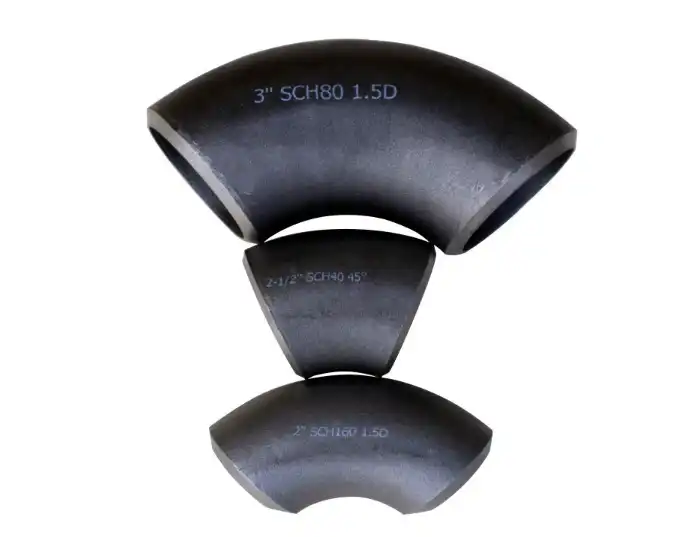
Understanding High-Pressure Carbon Steel Elbows
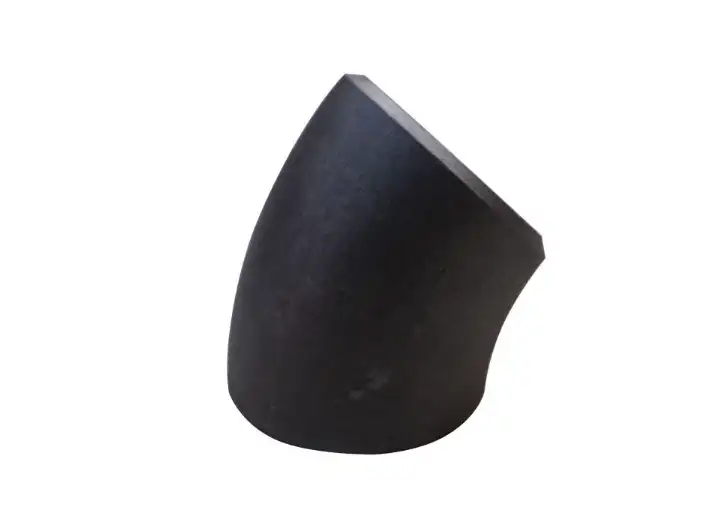
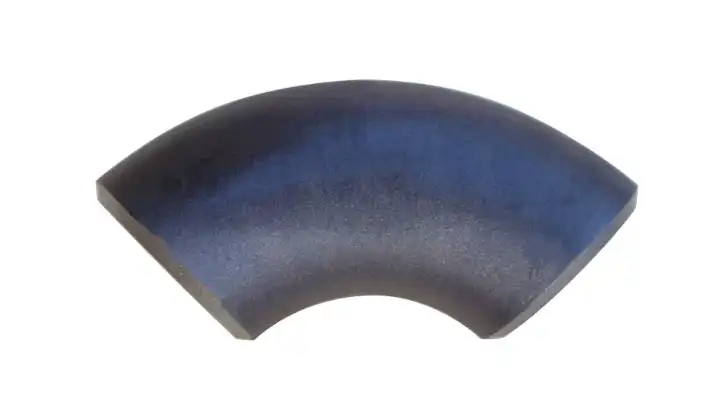
Carbon steel elbows are directional joints that let fluids or gases change direction at certain angles, usually 45, 90, or 180 degrees. High-pressure carbon steel elbows are different from regular fittings because their walls are thicker and the materials they are made of are better, which is why they can handle working pressures that often go over 1,000 psi. It is necessary for these parts to stay in place so that the system stays intact when moving flammable substances in tough conditions.
Seamless vs. Welded Construction
What kind of making method is used greatly affects how well an elbow works. Seamless carbon steel elbows are made from solid steel billets that don't have any longitudinal joins. This makes the structure regular, which spreads stress evenly throughout the whole part. This continuous construction gets rid of the weakest link in welding options, which is the seam. This makes seamless elbows the best choice for situations where pressure changes often or where a catastrophic failure would have serious effects. Welded elbows, which are made by joining steel plates or strips together, are a cheaper option for moderate-pressure systems where cost is more important than structural stability.
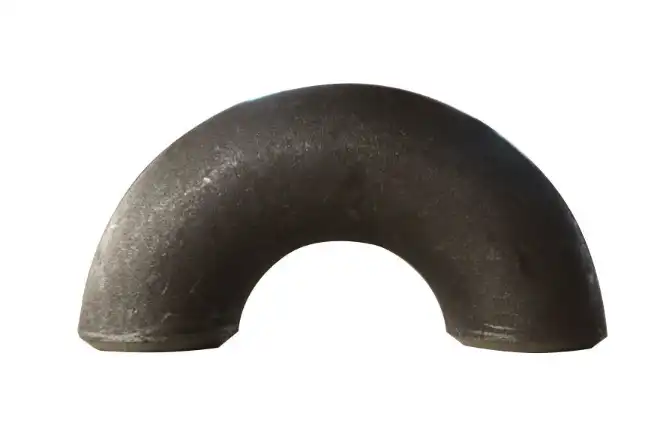
Forged and Fabricated Types
When forging elbows at high temperatures, they are deformed mechanically, which improves the mechanical properties of the steel and smooths out its grain structure. This method makes parts that are very strong for how light they are. This makes them perfect for small setups where room is limited and heavy loads need to be handled by smaller fittings. Fabricated elbows can handle bigger diameters and unique angles that can't be made cheaply with forged elbows. These are made by cutting and welding steel plates into the desired shape. Fabricated options are often used in heavy industrial jobs that need non-standard sizes, even though they can handle a little less pressure than forged options.
International Standards and Pressure Classifications
Following well-known rules makes sure that elbows meet high standards for safety and performance. ASTM A234 sets the rules for what materials can be used to make carbon steel pipe fittings. It says what the chemical makeup limits are and what the mechanical property standards are. ASME B16.9 sets the limits for dimensions and the values for pressure and temperature. This gives engineers accurate information to use in their system design calculations. Pressure classifications go from Schedule 40 for normal uses to Schedule 160 for very harsh conditions. Each number corresponds to a wall thickness that has been estimated to handle a certain amount of internal pressure at a certain temperature. While ASTM and ASME are the most common standards in the American market, DIN and JIS give similar frameworks for projects that follow European or Japanese engineering practices.
The Production Process of High-Pressure Carbon Steel Elbows
To make high-quality, high-pressure carbon steel elbows, you have to pay close attention to every step of the production process. Over the past 26 years, we've improved these processes at our plant in Cangzhou so that we can regularly make parts that are better than industry standards.
Raw Material Selection and Traceability
Before production can start, the materials must be carefully checked. We get carbon steel that meets the standards set by ASTM A234 WPB. This is the grade that is most often used for moderate-temperature pipe systems. Spectrophotometers are used to check the chemical makeup of each batch of steel to make sure the carbon content stays between 0.25 and 0.30%, which is the right range for welding and strength. The tensile strength is over 60,000 psi, and the yield strength is over 35,000 psi. This means that the base material is flexible enough to handle forming processes without breaking. Every batch of materials comes with a mill test certificate that sets up a chain of tracability that lets us connect any finished elbow to its original steel heat number. This is necessary for projects that have to follow strict quality assurance guidelines.
Hot Forming and Heat Treatment
Hot forming methods are done at temperatures between 1,800°F and 2,100°F to make seamless elbows. Before being pushed over mandrels that bend the steel to the right shape, billets are fired in controlled-atmosphere ovens. The high temperature leaves the steel in a "plastic" state, which lets it change shape a lot without putting stress on the inside that could cause cracks later on. For welded elbows, flat steel plates are first rolled into pipe sections, then lengthwise welded, and finally inductively heated at the bend point before the angle is formed mechanically. After making, the steel is heat-treated to improve its composition. To normalize a part, it is heated to about 1,650°F and then left to cool in still air. This reduces the size of the grains and releases any pressures that were left over from the making process. This temperature cycle makes things stronger against impact, which is helpful in cold-service situations where brittle fracture is a risk. Lower-temperature stress-relieving treatments work on internal tensions without changing the mechanical qualities too much, which is a good balance for less demanding working circumstances.
Quality Control and Testing Protocols
Before it is certified, every elbow that comes off our production line goes through a thorough check. Non-destructive testing can find flaws on the inside and outside of things that an eye inspection might miss. Ultrasonic testing sends high-frequency sound waves through the elbow wall. The signals that are returned show any holes, inclusions, or laminations that weaken the structure. Magnetic particle screening uses magnetic fields and ferromagnetic particles that gather at breaks in the surface to find cracks. Radiographic testing shows the quality of the weld on the inside of welded elbows by taking X-ray pictures that show any holes or incomplete fusion. Dimensional testing makes sure that the product fits within the limits that were set. Coordinate measuring tools and laser readers are used to make sure that the outside diameters, wall thicknesses, and center-to-end measurements match what is shown on the drawings. For pressure testing, 150% more pressure than the maximum working pressure is applied to each elbow and left there for a certain amount of time. This is done to show that the part can safely hold design pressures with enough safety gaps. Our ISO 9001:2000-certified quality management system guides this multi-layered inspection process, which gives buying workers peace of mind that the elbows they receive will work reliably for the length of time they were designed to.
Applications and Benefits of High-Pressure Carbon Steel Elbows
Because high-pressure carbon steel elbows can be used in so many different ways, they are essential in industries where practical needs change a lot but reliability stays the same.
Critical Industrial Sectors
Carbon steel elbows are used in oil and gas operations to get around in refineries and on floating platforms with complicated plans. When crude oil is processed, these parts are exposed to corrosive hydrocarbons at temperatures up to 800°F and pressures above 1,500 psi. The choice of material has a direct effect on repair times and safety records in these conditions. Natural gas transport networks that cover thousands of miles have a lot of bends at metering stations and compressor stations. In these places, long-term reliability is cheaper than premium alloys, even though premium alloys are better at resisting corrosion. Chemical processing plants use carbon steel elbows to move media that doesn't corrode, and they use stainless steel elbows for chemicals that would quickly wear down carbon steel surfaces. High-pressure steam is sent through carbon steel pipe systems in power plants. Elbows have to handle heat cycles as boilers turn up and down to meet grid needs. Carbon steel is a cost-effective way to move potable water through water treatment facilities and local distribution networks. It is also useful in shipbuilding because it can be welded together to make ballast systems and fuel lines that fit into small areas on board.
Material Comparison and Selection Logic
When picking between carbon steel, stainless steel, and alloy steel elbows, you have to think about a lot of things and project goals. Carbon steel has the best mechanical strength and the lowest cost of any material. This makes it the first choice when rust isn't a problem because of protective coatings or when fluids don't react badly with the steel. A normal carbon steel elbow costs 40–60% less than a similar stainless steel part. This difference gets big when hundreds of fittings are needed for big jobs. In places where carbon steel would need to be replaced often because of corrosion, stainless steel options are worth the extra cost. Chemical plants that work with acids, bases, or chlorinated chemicals find that stainless steel parts have a lower total cost of ownership, even though they cost more at first. Alloy steel elbows with chromium, molybdenum, or vanadium are used in specific situations where better creep resistance or strength retention is needed at higher temperatures than what carbon steel can handle (650°F). Instead of just comparing unit prices, the choice depends on looking at the whole working picture.
Protective Coatings and Lifecycle Extension
Surface processes make carbon steel elbows last a lot longer in fairly corrosive settings. Galvanizing puts on a zinc covering that corrodes faster than the steel underneath. This protects outdoor installations and water service uses at a low cost. When applied to pipes, fusion-bonded epoxy has better adhesion for underground uses because it doesn't let water or chemicals through. Three-layer polyethylene systems use epoxy primers and polyethylene topcoats to provide strong insulation that can withstand long-term contact with dirt. Protective coats and regular care work together to make things last as long as possible. Periodic checking finds damage to the coating before corrosion gets too deep, allowing for spot fixes that keep the covering from needing to be replaced too soon. Electrochemically, cathodic protection systems stop corrosion on buried or submerged elbows, which can add decades to their useful life if they are built and kept correctly. With these preservation methods, carbon steel goes from being a quick fix for short-term problems to a long-term answer that is more cost-effective than more unusual materials.
How to Choose and Install High-Pressure Carbon Steel Elbows?
To choose the right components, you need to make sure that the technical specs match the needs of the system and that the seller has the skills to provide consistent quality for your high-pressure carbon steel elbow requirements.
Specification Matching and Supplier Evaluation
Setting the pressure class, temperature range, and link type are the first steps in the procurement process. ASME B16.9 sets standard sizes for butt-weld elbows, which makes specifications easier and makes sure that elbows from different makers can be used together. The wall thickness is based on the schedule number. Schedules 80 and 160 have higher pressure values that make them better for demanding uses. Choosing the right angle relies on the limitations of the plan. For example, 90-degree elbows make small changes in direction, while 45-degree versions lower pressure drop in systems that are sensitive to flow. Verification of the supplier's license separates trustworthy makers from sources that might not be so trustworthy. If a seller has ISO 9001 certification, it means they have well-documented quality control systems that cover every part of the production process. Special equipment manufacturing permits show that you know how to follow the rules and are technically competent, which is especially important for pressure vessel code uses. We've had these approvals since we opened our facility in Cangzhou, and our 16,000-ton annual production capacity makes sure that large-scale projects can always get what they need.
Installation Best Practices
When you install something correctly, it doesn't fail early, which would damage the stability of the system. Accurate alignment makes sure that stress is spread evenly during pressurization; elbows that aren't aligned properly focus loads at connection places, which speeds up the start of fatigue cracks. Before welding, you should make sure that the fit-up gaps stay within the allowed ranges. During the joining process, you can use alignment clamps or tack welds to keep the parts in place. To be qualified, welding methods must follow Welding Procedure Specifications that were made just for the type of material and the thickness of the wall. Preheating is needed to stop hydrogen cracking in thicker parts, and interpass temperature limits stop grains from growing too much, which weakens the material's dynamic properties. In serious situations, post-weld heat treatment can ease leftover stresses. However, many moderate-pressure systems work well without this extra step.
Managing thermal expansion keeps structures from being overstressed when temperatures change. When systems heat up and cool down, expansion loops, offsets, or flexible connections can adapt to changes in size. This keeps elbows from having to handle too many bent moments. Before putting operating fluids in, commissioning pressure tests at 150% of the design pressure make sure the installation was done right. These tests find any leaks or weak spots that can be fixed in the field before they become big problems that need expensive shutdowns.
Comparison and Decision-Making for High-Pressure Carbon Steel Elbows
To choose the right components, you need to know how the different ways of making high-pressure carbon steel elbows and the materials used affect their performance and cost.
Carbon Steel vs. Stainless Steel Analysis
Metrics of performance show that each material family has its own unique benefits. At room temperature, the yield strength of carbon steel is usually 20% higher than that of austenitic stainless steel grades. Because of this, walls can be smaller while still holding the same amount of pressure, which saves weight and money on materials. Stainless steel is better at resisting rusting than carbon steel, so the surface stays intact in places where carbon steel would quickly rust without coats to protect it. There are more costs to think about than just the original buy price. The lower price of carbon steel makes it easier on the wallet right away, but you need to add up the costs of covering and the number of times you might have to repair it. Because stainless steel doesn't rust, it doesn't need to be coated and can be replaced more often, which can often explain a higher initial investment through lower lifecycle costs in harsh service conditions. The crossing point is determined by the corrosion rate needed for each application. Mildly corrosive conditions are better for coated carbon steel, while highly active media need stainless steel construction.
Seamless vs. Welded Comparison
The way something is made affects both how well it works and how much it costs. Because there are no stress peaks at seams, seamless elbows are more reliable under cyclic loading situations. Their failure strength is about 15–20% higher than that of their welded counterparts. This benefit is very important in situations where there are frequent changes in pressure or temperature, which speed up the spread of stress cracks. When compared to seamless elbows, welded elbows are 20–30% less expensive, which makes them a good choice for steady-state service situations with little cyclic stress. Another thing that sets them apart is their dimensional freedom. Up to a 24-inch diameter can be made cheaply with seamless production, but tooling costs go up dramatically after that. Larger diameters and custom wall thicknesses can be accommodated more cheaply with welded construction, which increases the design options for large-bore uses. To make the choice, you have to weigh the intensity of the pressure cycle against your budget, and seamless building is only guaranteed when the operating efficiency is high enough to justify the extra cost.
Conclusion
High-pressure carbon steel elbows are still the most important part of industrial piping infrastructure in all fields that need steady performance in tough circumstances. Knowing how things are made, from choosing the materials to making sure they're of good quality, helps buying workers judge the skills of suppliers and choose parts that meet project needs. Application research shows that carbon steel's low cost and good mechanical qualities make it the best choice compared to more expensive options. Best fitting practices make sure that the right parts work as well as they can. The decision framework shown here gives engineers and buyers the confidence to easily handle material and manufacturing choices, choosing elbows that balance short-term budget constraints with long-term operational efficiency.
FAQ
What pressure ratings are typical for high-pressure carbon steel elbows?
Depending on the operating temperature and wall thickness schedule, high-pressure carbon steel elbows can usually handle working pressures of 1,000 to 3,000 psi. Schedule 80 elbows can usually handle 1,500 psi at room temperature, while Schedule 160 elbows can handle 3,000 psi in the same settings. When the temperature goes up, the pressures that can be used go down. For example, a Schedule 80 elbow that can handle 1,500 psi at 70°F might only be able to handle 1,100 psi at 500°F because the material strength drops. Always look at the pressure-temperature charts in ASME B16.9 to find the exact numbers that you need for your application.
How does carbon steel's corrosion resistance compare to stainless steel's?
In settings with a lot of water or strong chemicals, carbon steel rusts a lot faster than stainless steel. Without protection coatings, carbon steel rusts at a rate of 5–10 mils per year when exposed to air. Stainless steel, on the other hand, makes a passive oxide layer that stops rusting from happening again. But carbon steel works well in dry places or when it is covered by galvanizing, epoxy coats, or cathodic protection systems. Stainless steel's higher price is mostly justified in acidic applications where carbon steel would need to be replaced more often or undergo a lot of upkeep.
Can carbon steel elbows be customized for specific dimensions?
Customization options depend on how the product is made and the size needs. Forged elbows can be made with unique wall thicknesses and non-standard curves as long as the available tools can handle them. However, setup costs are usually covered by a minimum order quantity. Fabricated elbows give you more options when it comes to sizes, especially when the width is more than 24 inches or the radius is not what you would expect. Our factory often makes custom elbows to fit the needs of specific projects. Lead times vary from 4 to 8 weeks, based on the complexity of the order and the current production plan.
Partner with Oudi for Reliable High-Pressure Carbon Steel Elbow Supply
Oudi has been making things for more than twenty years and can help clients who need reliable carbon steel pipe parts that meet strict industry standards. Our ISO 9001-certified factory in Cangzhou has a capacity of 16,000 tons per year and strict quality control systems that check everything from the raw materials to the final pressure testing. This makes sure that every high-pressure carbon steel elbow works reliably in your important applications. Our engineering team works with sourcing experts to come up with the best solutions that meet both performance needs and price constraints. This is true whether you need seamless elbows for cyclic service or cost-effective welded alternatives for steady-state operations. As a recognized producer with special equipment production licensing, we offer parts that meet ASTM, ASME, DIN, and JIS standards. All of our materials can be tracked back to their source, and we provide mill test paperwork to back this up. Email our skilled staff at oudi-04@oudiguandao.com to talk about the details of your project and find out how working with a reliable high-pressure carbon steel elbow source can speed up the buying process and make sure you get high-quality parts on time.
References
1. American Society of Mechanical Engineers. ASME B16.9: Factory-Made Wrought Buttwelding Fittings. New York: ASME Press, 2018.
2. ASTM International. ASTM A234/A234M-19: Standard Specification for Piping Fittings of Wrought Carbon Steel and Alloy Steel for Moderate and High Temperature Service. West Conshohocken: ASTM International, 2019.
3. Smith, J.R. Pipeline Design and Construction: A Practical Approach. Houston: Gulf Publishing Company, 2017.
4. Nayyar, M.L. Piping Handbook, Eighth Edition. New York: McGraw-Hill Education, 2020.
5. Davis, J.R. Corrosion of Carbon and Low-Alloy Steels. Materials Park: ASM International, 2015.
6. European Committee for Standardization. EN 10253: Butt-Welding Pipe Fittings, Part 2: Non-Alloy and Ferritic Alloy Steels with Specific Inspection Requirements. Brussels: CEN, 2016.

Need help finding the right solution with our experts. Please contact us.

SINCE 1998 Your Reliable Pipeline Manufacturer



