What Is a CS Pipe Cap in Pipeline Systems?
A CS Pipe Cap is a part made of carbon steel that is used to completely or temporarily seal the end of a pipe in a pipeline system. This important part stops fluid from leaking, dirt from getting in, and damage to open pipe connections. Because they are made of strong carbon steel, these caps can be used in harsh industrial settings like oil pipelines, chemical plants, natural gas transport networks, and water treatment facilities. CS pipe caps are a popular choice among engineers and procurement workers because they are strong for the price. This makes them an affordable way to seal pipe ends in both low- and high-pressure situations where system stability is important.
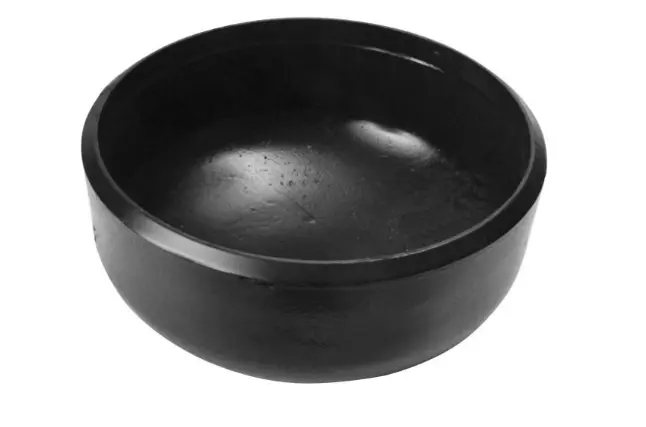
Understanding CS Pipe Caps: Definition, Types, and Uses
To keep operations safe and efficient, pipeline systems need reliable closing options. CS Pipe Caps made of carbon steel have become the usual way to protect pipe ends in many industries.
What Makes CS Pipe Caps Essential in Pipeline Systems
CS Pipe Caps do more than just seal pipes to keep them safe. They protect the inside of pipes from rusting in storage and transit, keep unwanted objects from getting inside during building, and permanently close off pipeline branches that aren't being used. For manufacturing sites, these fittings are useful because they can handle changes in temperature and pressure and keep their seal integrity. Working with petroleum clients has shown us that choosing the right cap has a direct effect on how long a system lasts and how much it costs to maintain.
Common Types of Carbon Steel Pipe Caps
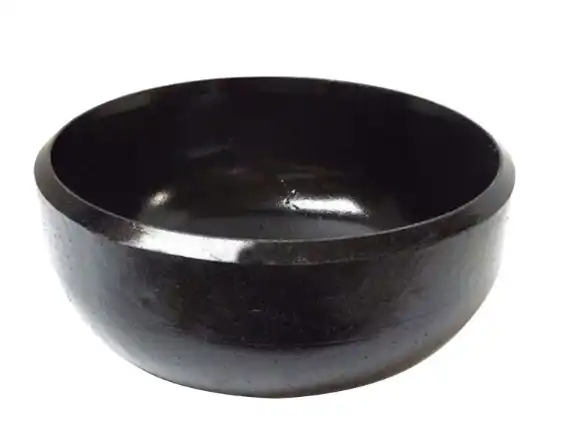
Depending on how they are installed and how they need to work, pipeline projects need caps with different shapes and sizes. Welded caps make lasting, high-strength seals that are good for important uses where the caps won't be taken off. Butt welding lets these caps fuse directly to the pipe walls, making links that are watertight and up to the pressure grade of the pipe. Threaded caps have internal or external threads that connect with matching pipe threads and can be removed for repair access points or temporary closures. Heavy-duty versions have thicker wall sections for areas with high pressure, while standard caps are good for general industry uses and don't cost much.
Industry Applications Driving CS Pipe Cap Demand
The oil and gas industry extensively uses CS pipe caps for wellhead completions, pipeline installation, and industrial process units. Chemical companies use these fittings to keep sampling ports closed and separate lines carrying dangerous materials during maintenance. Caps are used a lot in water conservation projects in places like transport networks, treatment plants, and irrigation systems, where they need to be corrosion-resistant and cheap. Shipbuilders use CS pipe caps on fuel lines, air pipes, and ballast systems. In places that make electricity, these parts are used in boiler feedwater systems, condensate pipes, and cooling water lines, where stability is very important.
Material Advantages: Carbon Steel Versus Alternatives
Picking the right material for sealing has a big effect on how well it works and how much it costs. When compared to PVC options, carbon steel is stronger mechanically. This means it can be used in high-temperature and high-pressure situations where plastics would break. Even though stainless steel is better at resisting rust, carbon steel works just as well and costs about 40 to 60 percent less when protected with the right coats. When compared to ductile iron caps, CS pipe cap fittings are easier to weld and lighter, which makes installation easier. Carbon steel is always chosen by procurement managers for common industry uses because it has a good mix of structural integrity, thermal tolerance, and economic value.
Key Dimensions and Material Specifications for CS Pipe Caps
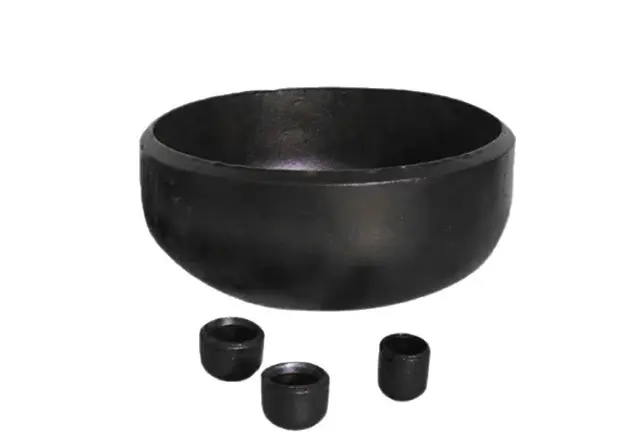
CS Pipe Caps will work effectively for as long as they are used if they are properly specified. When you know about measurement standards and material grades, you can make smart decisions about what to buy.
Standard Sizes and Dimensional Compliance
International guidelines for sizes, such as ASME B16.9, DIN 2605, and JIS B2313, are used to make CS Pipe Caps. Most industrial pipe needs can be met by theoretical sizes ranging from 1/2 inch to 48 inches. There are three levels of wall thickness: Schedule 40, Schedule 80, and Schedule 160. These levels relate to rising pressure ratings and mechanical strength. The precise measurements we keep at our 66,600-square-meter building make sure that everything fits together correctly during installation. This cuts down on the need for changes in the field and welding problems that cause delays in project plans.
Critical Material Grades and Their Properties
ASTM A234 WPB is the most common type of carbon steel used for CS pipe caps. It is easy to weld and has good mechanical qualities for temperatures up to 400°C. This substance has a minimum tensile strength of 60,000 psi and a yield strength of about 35,000 psi, which are both enough safety limits for normal industrial pressures. ASTM A105 carbon steel is used to make cast caps that need to be more resistant to pressure and have a reliable structure. These types have controlled amounts of carbon, manganese, phosphorus, and sulfur, which are matched to make the best building properties while still being resistant to corrosion. Quality-assured goods come with chemical makeup certificates that make it possible to track them and make sure they are compliant.
Manufacturing Precision and Quality Standards
Depending on the size and specifications needed, modern CS pipe caps are made using hot forming, cold forming, and milling. Hot forming works best for bigger sizes because it uses hydraulic presses to shape hot steel blanks into smooth shapes that don't weaken the material. By work-hardening the material, cold pressing makes it stronger by making the tolerances for size smaller. Our ISO 9001:2000-certified quality management system controls every step of the production process, from checking the quality of the raw materials to inspecting the sizes and performing non-destructive tests. Ultrasonic testing finds internal breaks, and visual and physical checks make sure the goods meet specifications before they get to buyers.
Installation, Performance, and Application Guidelines
Protecting a pipeline effectively relies on using the right installation methods and performing regular upkeep tasks that keep the CS pipe caps working properly.
Welding Best Practices for Permanent Seals
Butt welding is still the best way to connect permanent CS pipe caps that are in vital service. For proper joint preparation, pipe ends should be beveled to 37.5 degrees, and root gaps should be kept between 1.5 mm and 3 mm. By heating carbon steel parts to 150–200°C ahead of time, thermal shock is lessened, and hardness-affected zones that could weaken the joint are reduced. When you use E7018 electrodes or ER70S-6 filler wire for multi-pass welding, you control the amount of heat that goes into the joint to keep it from warping. Post-weld heat treatment reduces leftover stresses in thick-wall uses, especially when caps are thicker than Schedule 80. Radiographic or ultrasonic examination checks the quality of the weld by making sure there are no holes or slag inclusions and that the weld penetrates completely.
Pressure Rating Considerations Across Industries
Each industry uses pipes at a specific pressure level that determines the CS pipe cap specs. Most oil refinery units work between 150 psi and 600 psi, and they need either Schedule 40 or Schedule 80 caps, based on the properties of the fluid and safety concerns. Natural gas transportation lines can handle pressures higher than 1,000 psi, which means they need heavy-wall caps with the right pressure class ratings. Corrosive media in chemical processing settings can make things more complicated by speeding up the breakdown of materials. This may lead to conservative pressure derating or better materials. In water conservation uses, the pressure is usually less than 200 psi, which lets standard-wall caps work well while keeping costs low. As long as the cap specs are matched to the system's working conditions, such as occasional pressure spikes and temperature changes, there are enough safety margins.
Corrosion Protection and Maintenance Strategies
When carbon steel is exposed to water and air without protection, it oxidizes quickly, creating surface rust that wears away at the material's thickness. Protective coats, such as epoxy paints, hot-dip galvanizing, and fusion-bonded epoxy systems, make things last a lot longer. Galvanized coats have layers of zinc that rust more quickly than the steel underneath, protecting the steel for decades while it is exposed to the air. Epoxy coatings make walls that can't be broken through, so they can be used in underground or submerged situations where moisture is always touching the surface. In harsh settings, cathodic protection devices work with coatings to stop electrochemical corrosion processes by adding an electric current. Regular inspections should keep track of the state of the covering so that early decline can be found before the protective layer fails. When rust shows up, fixing it right away by replacing parts or fixing the coating keeps the system clean and the pressure limit from being broken.
CS Pipe Cap Comparison and Procurement Considerations
Strategic procurement combines technical needs with sourcing skills and budget limits. Comparing goods and knowing how markets work are the best ways to make CS Pipe Cap purchases.
Carbon Steel Versus Alternative Materials
When deciding between carbon steel and other materials, you need to look at factors that are specific to the purpose. CS pipe caps work excellently in places that are very corrosive, like remote platforms, food processing plants, and drug factories, where the chance of contamination is not acceptable. The chromium in them makes inactive oxide layers that are resistant to chemical attack. However, the cost of making them is 3–5 times higher than making something out of carbon steel. PVC caps work well with low-pressure water systems and chemicals below 60°C because they don't corrode and are cheap, but they're not strong enough for industrial pressures. Ductile iron is strong for underground water service, but it can't be used for above-ground process pipes because it can't be welded. When strength, weldability, temperature resistance, and cost-effectiveness all need to be met at the same time, carbon steel is still the best choice.
Distinguishing Pipe Caps from Related Fittings
Pipeline workers sometimes mix up CS pipe caps with similar parts that have different jobs to do. Pipe caps forever close off the ends of pipes and are solidly built with no holes. End caps can be temporary covers or closures that can be taken off and used for building or shipping. Pipe plugs fit into pipe holes instead of sealing the outside, connecting, or growing inside the pipe. Blind flanges are closures that can be taken off of flanged links. They bolt against matched flanges to make entry possible in the future. Knowing these changes in function stops specification mistakes that hurt system design or make installation harder.
Sizing Selection Based on System Parameters
The best size for a CS pipe cap is one that fits the pipe's nominal width and meets the standards for wall thickness. Pressure class grades help choose the thickness. Walls that can withstand higher pressures need to be thicker to keep the structure strong. Changing temperatures adds more stress because of thermal expansion, which means that plans sometimes need to be changed beyond just pressure estimates. Corrosion allowances add extra material thickness when walls will thin over time in harsh settings. This makes the service life longer to meet the design horizons of the system. Environmental factors like earthquakes, vibrations, and loads from the outside affect structural needs, which in turn affect the right cap specs.
Procurement Timing and Cost Factors
The price of CS pipe caps changes with the cost of raw materials. Depending on size and quality, they usually cost between $5 and $500 per unit. When you buy in bulk, you get economies of scale, and on sales that are more than the minimum quantity, you can get volume savings of 15 to 25 percent. Standard sizes can be shipped within days from stock, but non-standard sizes take three to six weeks to manufacture. International shipping adds more factors that affect total landed costs, such as freight costs, customs clearing times, and import taxes. We keep a yearly production capacity of 16,000 tons, which means that we can keep supplies available even when market demand goes up. This helps buying teams avoid supply disruptions.
Choosing the Right CS Pipe Cap Supplier: Brands, Quality, and Support
The supplier you choose has a direct effect on the quality of the product, the reliability of shipping, and your long-term happiness with buying. By carefully evaluating makers, businesses can find partners whose needs are in line with their own. CS Pipe Cap quality control ensures long-term operational safety.
Global Manufacturer Landscape and Reputation
There are a lot of different producers in the pipe fitting business, and their products and market positions are all different. Established producers in the US and Europe built their names by consistently producing high-quality goods for decades. However, their high prices represent the fact that the markets are already mature. Asian makers have become competitive options. They offer certified goods at reasonable prices and back them up with modern facilities and quality systems. Checking the qualifications of a maker means making sure they have ISO 9001 certification and special equipment manufacturing licenses and that they follow international standards like ANSI, DIN, JIS, and BS. Our center got these credentials by going through strict auditing processes that proved our CS Pipe Cap quality control and output controls.
Custom Manufacturing Capabilities
Most of the time, standard catalog items work well for most uses, but sometimes complicated projects need unique solutions. Custom production takes into account special coatings, non-standard material grades, and unique size needs that aren't met by standard product lines. Manufacturers who have access to engineering help can work together to improve designs by making changes that meet practical standards, improve performance, or cut costs. Testing can be done on prototypes before full production, giving resources to ideas that haven't been tested yet. At our Cangzhou plant, technical teams work directly with clients to create custom specs for CS pipe caps. They use cutting-edge production tools that can handle unique needs without adding too much time to the lead time.
Distribution Network and Lead Time Reliability
Logistics that can be relied on and shipping promises that can be kept are important for global supply chains. Lead times are cut down by established delivery networks that carefully place inventory and route freight efficiently. We have experience with logistics in Europe, the Americas, Africa, Southeast Asia, and the Middle East thanks to our work with over 300 companies in more than 40 countries. Customs delays that throw off project plans can be avoided by learning about regional requirements, such as standards for paperwork, packaging, and shipping for CS Pipe Caps. Clear information about the state of production and the tracking of shipments helps people trust that promises will always be kept.
Evaluating Supplier Quality Systems
Quality guarantee is what sets professional providers apart from mediocre ones. Full inspection systems check the raw materials when they come in, keep an eye on the sizes and mechanical features while they're being made, and do one last check before sending them out. Non-destructive testing, such as ultrasound examination and radiography inspection, can find flaws inside things that can't be seen with the naked eye. Material approvals show that the results of tests on a material's chemical makeup and mechanical properties can be linked to particular production temperatures for CS pipe caps. Since we started our business in 1998, we've used full inspection methods and non-destructive flaw detection systems throughout the entire production process to make sure that every product meets all standards and customer requirements. Customers in the oil, chemical, natural gas, water conservation, construction, shipping, and electric power industries trust this dedication to quality control. They count on the dependability of the parts.
Conclusion
CS Pipe Caps are important parts of designing a pipeline system because they provide solid sealing solutions for a wide range of industry uses. Knowing about the traits of materials, measurement rules, installation needs, and buying factors helps you make smart design choices that balance performance needs with budget limits. When choosing between carbon steel and other materials, factors like pressure, temperature, rust exposure, and cost must be taken into account. Correct installation and upkeep methods extend the useful life of parts and keep the system's purity. Partner companies that can meet long-term procurement needs are found by evaluating suppliers based on their quality certifications, manufacturing capabilities, and shipping dependability. CS Pipe Caps will continue to be an important part of practical safety and efficiency as long as pipeline systems serve important infrastructure around the world.
FAQ
What are the main differences between CS and stainless steel pipe caps?
For general industrial uses where moderate corrosion protection is enough, CS pipe caps are the best choice because they are stronger and cost less. Because they contain chromium, stainless steel caps are very resistant to rust and are perfect for places where corrosion is a problem, like food processing and medicinal uses. The cost of materials for stainless steel is usually three to five times higher than that for carbon steel, which affects purchasing choices that are made with cost in mind.
Can CS pipe caps handle high-pressure environments?
When properly defined, CS Pipe Caps work well for high-pressure uses. Schedule 80 and 160 wall thicknesses can handle pressures higher than 1,000 psi in systems that move natural gas and work in the process industry. Pressure ratings depend on the size of the cap, the type of material used, the temperature at which it will be used, and any relevant code standards. The right engineering study fits the cap's specs to the system's specs, making sure there are enough safety margins.
What are typical lead times for bulk CS pipe cap orders?
CS pipe caps of a standard size usually ship within 5 to 10 business days from stock. Manufacturing wait times for custom standards and non-standard dimensions range from three to six weeks, based on the complexity of the order and the schedule for production. Large orders may take a little longer to process, but they save money by buying in bulk. We work with our clients to make sure that shipping times are in line with the needs of the project, which keeps building delays to a minimum.
Partner with Oudi for Your CS Pipe Cap Requirements
We at Oudi know that procurement workers need more than just goods. A reliable CS pipe cap supplier, committed to quality, transparency, and timely delivery, is also essential. Since 1998, our factory in Cangzhou has been making over 16,000 tons of ANSI, JIS, DIN, and BS-compliant carbon steel, stainless steel, and alloy steel pipe fittings every year. Our ISO 9001:2000 certification and licenses to make special tools show that we are committed to quality control at every stage of the production process. In more than 40 countries, we work with clients in the oil, chemical, natural gas, water conservation, construction, shipbuilding, and power generation businesses. You can email us at oudi-04@oudiguandao.com to talk about your unique needs, get technical specs, or get quotes from other companies for your next job.
References
1. American Society of Mechanical Engineers. (2018). ASME B16.9: Factory-Made Wrought Buttwelding Fittings. New York: ASME Press.
2. ASTM International. (2020). ASTM A234/A234M Standard Specification for Pipe Fittings of Wrought Carbon Steel and Alloy Steel for Moderate and High-Temperature Service. West Conshohocken: ASTM International.
3. Mohitpour, M., Golshan, H., & Murray, A. (2007). Pipeline Design and Construction: A Practical Approach (3rd ed.). New York: ASME Press.
4. Nayyar, M. L. (2000). Piping Handbook (7th ed.). New York: McGraw-Hill Professional.
5. Parisher, R. A., & Rhea, R. A. (2012). Pipe Drafting and Design (3rd ed.). Waltham: Gulf Professional Publishing.
6. Singh, A. (2017). Pipeline Integrity Handbook: Risk Management and Evaluation. Houston: Gulf Publishing Company.

Need help finding the right solution with our experts. Please contact us.

SINCE 1998 Your Reliable Pipeline Manufacturer



