Exploring the Temperature Range of Carbon Steel Flanges
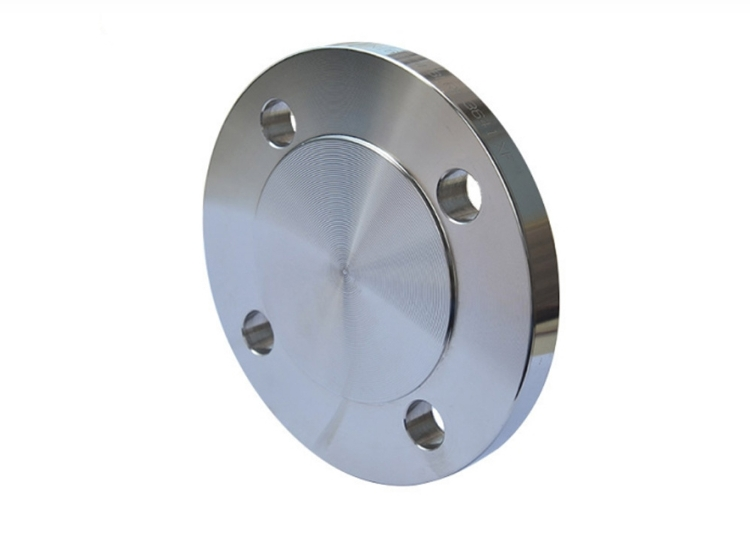
Carbon steel flanges are commonly selected for industrial piping because they provide a practical combination of mechanical strength, availability, and cost. But the question of whether or not a flange can “handle” a given temperature is more involved than a single maximum temperature. The real service limit is determined by the grade of flange material, pressure rating, design standard, operating pressure, temperature, connection design, and qualities of the gasket and bolting materials. This is particularly significant in systems where there are changing temperatures during startup, regular operation, shutdown, or process disruptions. A flange for room temperature use may have a different pressure capacity at increased temperatures. A material acceptable for regular usage may need special attention when subjected to extremely low temperatures. Therefore, temperature should be considered as part of the entire design of a flange and not as a single criterion. So the important issue for engineers and buying teams is not only how hot or cold a flange can become. The question is whether the chosen material and pressure class are still valid for the whole combination of temperature, pressure, mechanical loads, and service environment. In the following sections, we describe the effect of temperature on flange performance and what you should look for when choosing components for challenging pipe applications.
How Temperature Determines Flange Service Conditions?
Why There Is No Single Temperature Limit?
The operating temperature of a flange is directly related to its pressure temperature rating. Most carbon and low-alloy steels have strength that progressively diminishes with increasing temperature; therefore, a flange rated for a given pressure under ambient circumstances may not have the same permissible pressure at a higher temperature.
This is why comments such as “carbon steel flanges can be used up to 800°F” should not be accepted as general guidelines. The allowed combination of pressure and temperature should be set based on the appropriate design code or flange standard and the actual material specification and pressure class. At certain temperatures a lower pressure application may still be appropriate, whereas a greater pressure application might need a different rating or design approach.
The same idea holds at low temperatures. It is not just a matter of the flange being dimensionally stable. As temperature drops, the impact toughness of some carbon steels decreases, making them more vulnerable to brittle behavior under abrupt loading or other adverse circumstances. The lowest design temperature and the maximum operating temperature must be considered in selecting materials.
Low-Temperature Service and Material Toughness
Impact toughness is of special importance for low-temperature applications. ASTM A105 is a highly common material for general pressure duty forged carbon steel components; however, it is not always the best choice for low-temperature usage. For projects with special low-temperature toughness needs, grades such as ASTM A350 LF2 may be considered since this standard is designed for forged components with low-temperature service requirements.
ASTM A350 LF2 is often used at service temperatures of about -50°F (-46°C) when the specification and design circumstances permit. This value should be regarded as a guide, not a universal working limit, since the allowable minimum temperature varies on such things as material condition, section thickness, impact testing, stress level, and governing design criteria.
The minimal design temperature must be the basis for selection of low-temperature flanges. The engineers should next decide whether the material suggested has the specified toughness and if the appropriate standard needs Charpy impact testing or other certification. This is a better way than just choosing a flange since the nominal material grade is usually utilized in cold situations.
Elevated Temperatures and Loss of Strength
High-temperature service presents a new set of issues. When carbon steel is heated, the yield strength and the tensile strength are typically reduced, and so the margin to resist mechanical stresses is reduced. Time-dependent deformation may also be essential at prolonged high temperatures, especially when the component is under constant stress.
Because of this, there is no one maximum temperature for all carbon steel flanges. ASTM A105 components are suitable for many high-temperature pipe applications, but their appropriateness has to be checked against the applicable pressure-temperature rating and design criteria rather than a defined temperature number. If the pressure stays high and the temperature rises, the permitted working envelope may become more restricted.
For more aggressive high-temperature services, engineers may look at alloy steel materials such as ASTM A182 F11 or F22. Additions of chromium and molybdenum may provide benefits in increased temperature strength and resistance to time-dependent deformation relative to conventional carbon steel. However, merely picking a higher temperature number for the alloy steel flange is not sufficient. The material must still be suitable for the design code, pipe material, pressure, fabrication requirements, and service circumstances.
How Heating and Cooling Influence Flange Performance?
Changes in Strength Under Heat
The temperature effect on the performance of the flange is mainly attributed to the change in the mechanical characteristics of the material. At mild temperatures the loss of strength may have no practical impact, provided the flange has a suitable design tolerance. However, as temperature rises, the available strength might be of increasing importance, particularly in high-pressure systems.
The impact is of special importance for flanges that continually run at increased temperatures. Depending on the material and service circumstances, long-term exposure may result in creep or other kinds of time-dependent deformation. Flange design must thus not only take into account the maximum temperature achieved during operation but also the duration of time that the component is held at this temperature.
In certain applications, a temperature excursion at start-up or shutdown may be less detrimental than prolonged exposure, whereas repetitive thermal cycling might provide another kind of issue. In this context the engineering evaluation should differentiate between maximum temperature, typical operating temperature, lowest temperature, and frequency of temperature variations.
Thermal Expansion Across the Piping Connection
Flanges do not exist on their own. They are attached to pipelines, valves, equipment, bolts, and gaskets. Each reacts to temperature variations. When the pipe system warms up, the attached metal components expand. As it becomes colder, they contract. If the components move different amounts, extra strains may be generated around the joint.
Thermal movement may also affect gasket compression. The sealing connection assembled with good sealing may undergo variations in bolt load and contact pressure due to changes in temperature during operation. These changes are more pronounced in systems that have considerable temperature gradients or are subjected to several heat cycles.
It’s not always a thicker flange. Depending on the piping layout, engineers may need to examine pipe flexibility, expansion loops, expansion joints, support locations, equipment nozzle loads, and the behavior of the whole bolted connection. Even with sufficient material strength, a flange might have sealing issues if thermal movement is not correctly accommodated.
Effects on Gaskets and Bolting
The temperature capacity is also restricted by the supporting parts of a flange connection. However, at a given temperature, a carbon steel flange may have sufficient strength, but the gasket used may be unable to seal, or the bolting may have an unacceptable loss of mechanical performance.
Gasket selection must take into account pressure, temperature, fluid, flange face, and predicted thermal cycling. Graphite-based and metal-jacketed gasket designs are commonly investigated for elevated-temperature situations where regular elastomeric materials would not offer the service performance needed. The actual choice of gasket should still be guided by the manufacturer’s temperature, pressure, and chemical compatibility data.
One should be just as careful with bolting. For industrial bolted flange connections, carbon steel flanges are commonly paired with ASTM A193 B7, and other bolting grades may be used based on the temperature, corrosion, or strength requirements. The flange, gasket, and bolts are to be treated as one connection and not as three separate goods.
Choosing the Right Carbon Steel Flanges for Temperature-Critical Systems
Start With the Design Temperature and Pressure
A practical selection process begins with two fundamental values: design temperature and design pressure. These values provide the basis for determining whether a particular material and pressure class can satisfy the required service conditions.
It is important to distinguish design conditions from normal operating conditions. A piping system may normally operate at a lower temperature and pressure but still be designed for a higher combination to account for startup, shutdown, process variations, or credible operating excursions. Selecting a flange based only on the normal operating point can therefore result in an inadequate safety margin.
The applicable flange standard should then be identified. ASME B16.5 is commonly used for pipe flanges and flanged fittings within its scope, and its pressure-temperature rating system provides a more meaningful basis for selection than a generic statement about the maximum temperature of carbon steel.
Match the Material Grade to the Actual Service
Material grade selection should reflect the complete operating environment. ASTM A105 is a common choice for forged carbon steel flanges in many general industrial applications because of its availability and established use in pressure-containing systems. It may be suitable for a broad range of applications, provided the pressure-temperature conditions and other design requirements are satisfied.
When low-temperature toughness is a key concern, ASTM A350 LF2 may be considered where its specification and project requirements are appropriate. For elevated-temperature service, low-alloy materials such as ASTM A182 F11 or F22 may be evaluated when their mechanical properties offer an advantage over conventional carbon steel.
The important point is that material grade should follow the engineering requirement rather than the other way around. The cheapest or most readily available grade is not necessarily the most economical choice if it creates limitations elsewhere in the piping system.
Check the complete flange connection
A temperature assessment should extend beyond the flange body. The flange facing, gasket, studs or bolts, pipe material, and connected equipment can all influence the reliability of the joint.
For example, two materials with different thermal expansion characteristics may experience different movements during a heating cycle. Similarly, a gasket that performs well at ambient temperature may behave differently after repeated exposure to high heat. These interactions can influence sealing, bolt preload, and maintenance requirements.
For critical services, the connection should therefore be reviewed as a complete assembly. This is particularly important around pumps, compressors, boilers, heat exchangers, steam systems, and process equipment where thermal movement and vibration can add loads to the flange connection.
Temperature Considerations for Common Industrial Applications
Oil and Gas Piping
Oil and gas facilities can involve substantial temperature variation depending on the process. Gathering systems may experience relatively moderate temperatures, while refining and processing equipment can expose piping components to much higher thermal conditions.
In these environments, selecting carbon steel flanges requires more than matching the nominal material to the pipe. Pressure, temperature, fluid composition, corrosion conditions, flange class, and applicable project specifications should all be reviewed. Where sour service or other aggressive environments are involved, additional material and compatibility requirements may also apply.
Steam and Power Systems
Steam systems are particularly sensitive to temperature because pressure and temperature often increase together. As temperature rises, the pressure-temperature capability of the flange connection becomes increasingly important, while gasket and bolting performance must remain adequate.
Repeated startup and shutdown cycles can add another consideration because the connection experiences repeated expansion and contraction. Proper material selection, flange rating, gasket selection, bolt installation, and piping flexibility all contribute to maintaining joint integrity over time.
Chemical and Process Plants
Chemical processing systems introduce another variable: the process medium itself. Temperature can influence not only the mechanical properties of the flange material but also the rate and nature of corrosion reactions.
A higher temperature may accelerate certain corrosion mechanisms, while chlorides, moisture, sulfur-containing compounds, or other process contaminants can create additional risks. Consequently, a flange that is mechanically suitable for the temperature may still be inappropriate if its material is incompatible with the process environment.
What Buyers Should Verify Before Ordering?
Review Material and Compliance Documentation
For temperature-sensitive projects, purchasing should request clear material documentation before finalizing the order. The material grade, applicable ASTM specification, dimensions, pressure class, and relevant test requirements should be consistent with the engineering specification.
Material certificates can provide traceability and help confirm that the supplied product corresponds to the specified grade. Depending on the project, buyers may also need dimensional inspection records, heat-treatment information, impact test results, or other quality documentation.
Confirm the Pressure-Temperature Rating
The most important procurement question is not simply “What is the maximum temperature?” A more useful request is to confirm the pressure-temperature rating for the exact material, flange class, size, and applicable standard.
This prevents a common purchasing mistake in which a flange is selected because its material appears suitable for the temperature while its actual pressure capability at that temperature has not been verified. The supplier should be able to identify the relevant specification and provide documentation supporting the proposed selection.
Consider Supplier Manufacturing and Inspection Capability
For industrial projects, supplier capability can be just as important as nominal material grade. A reliable manufacturer should have a controlled process for forging, heat treatment, machining, dimensional inspection, and material traceability.
Buyers should also consider whether the supplier can support project-specific requirements rather than offering only standard catalog products. When temperature, pressure, dimensions, or material specifications fall outside routine applications, communication between the engineering team and manufacturer becomes particularly valuable.
Conclusion
Understanding the temperature range of carbon steel flanges is essential when selecting components for industrial piping systems, but temperature should never be treated as a standalone specification. The actual service capability depends on the material grade, pressure-temperature rating, flange class, design conditions, connection components, thermal cycling, and surrounding operating environment.
ASTM A105 may be an effective choice for many general industrial applications, while ASTM A350 LF2 can be considered where low-temperature toughness requirements are important. For certain elevated-temperature applications, alloy steel grades such as ASTM A182 F11 or F22 may offer advantages. None of these materials, however, should be assigned a universal operating limit without checking the applicable standard and project design conditions.
For engineers and purchasing teams, a reliable selection process starts with the actual design temperature and pressure and then works through material grade, flange standard, gasket, bolting, dimensional requirements, and documentation. Reviewing these factors together makes it easier to avoid an unsuitable material choice and supports a more dependable flange connection throughout the service life of the piping system.
For more information or inquiries about our carbon steel flange products, please contact us at oudi-04@oudiguandao.com.
References
1. Smith, J. R. (2018). "High-Temperature Performance of Carbon Steel Flanges in Industrial Applications." Journal of Pressure Vessel Technology, 140(3), 031301.
2. Johnson, M. K., & Williams, P. T. (2019). "Thermal Expansion Characteristics of Carbon Steel Flanges: A Comprehensive Study." Materials Science and Engineering: A, 750, 12-25.
3. Brown, A. L., et al. (2020). "Corrosion Behavior of Carbon Steel Flanges in Elevated Temperature Environments." Corrosion Science, 162, 108208.
4. Lee, S. H., & Park, J. Y. (2017). "Selection Criteria for Carbon Steel Flanges in Cryogenic Applications." Cryogenics, 88, 193-201.
5. Thompson, R. D., & Garcia, E. M. (2021). "Mechanical Property Changes in Carbon Steel Flanges Across a Wide Temperature Range." Materials & Design, 204, 109685.
6. Chen, X., & Liu, Y. (2016). "Gasket and Bolting Material Compatibility with Carbon Steel Flanges at High Temperatures." International Journal of Pressure Vessels and Piping, 148, 1-8.

Need help finding the right solution with our experts. Please contact us.

SINCE 1998 Your Reliable Pipeline Manufacturer



