Flexible Pipeline Solutions with Lap Joint Flanges
Lap Joint Flange CS assemblies are a useful engineering answer when your pipe system needs to be structurally sound and installed in a variety of ways. These two-piece parts, which have a carbon steel backing flange and a butt-welded stub end, solve two major problems in industrial piping: they help align the bolt holes accurately during field assembly and keep costs low in harsh settings. The backing flange can freely spin over the stub end, which lets workers put bolt holes in the pipe without putting too much stress on it. This design works especially well in systems where expensive alloys come into contact with process fluids, since only the stub end needs special metalworking techniques, and the base can be made of cheaper carbon steel. We've seen how this design cuts down on building time and long-term material costs while keeping the system reliable in oil refineries, chemical processing plants, and water treatment plants.
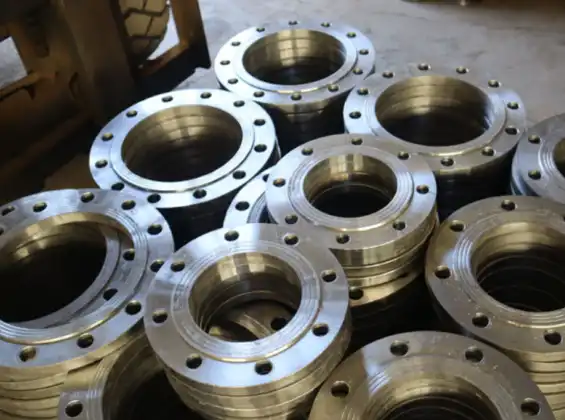
Understanding Lap Joint Flange CS: Specifications and Advantages
Fundamental Structure and Material Standards
Lap Joint Flange CS uses a two-part procedure. The stub end is butt-welded to pipes. Small flared-shouldered pipe. Before joining, the backing flange glides over the pipe and rests on the short end radius. This backing portion may spin without process fluids, unlike other flanges.
Material selection follows strict regulations. ASTM A105 for machined components and ASTM A350 LF2 for low-temperature applications apply to carbon steel backing flanges. These standards maintain mechanical qualities: minimum tensile strength is 485 MPa, yield strength is 250 MPa, and carbon content is less than 0.35%. Oudi makes items to ASME B16.5 standards and can bear 150# to 2500# pressures. Stubby ends must satisfy ASTM A234 WPB for carbon steel and match the parent pipe's wall design to maintain flow.
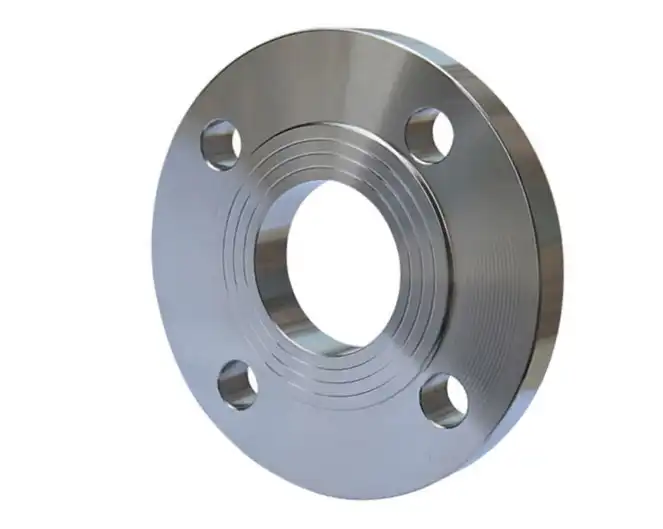
Dimensional Standards and Selection Criteria
System success relies on dimensional accuracy. On a 9.5-inch bolt circle, a 6-inch Class 300 plate requires eight 7/8-inch holes. The bolt hole shapes must match perfectly. Pressure ratings affect flange thickness. Class 600 flanges are 1.56 inches thick, whereas Class 150 flanges are 0.69 inches thick. Bore diameter matches pipe schedules. Schedule 40 6-inch pipe requires a 6.065-inch internal diameter for stub-end fillet welding.
Our manufacturing restrictions are stringent. The flange face flatness difference cannot exceed 0.015 inches. Bolt holes are 1.5 degrees from the center. These criteria prevent the gasket from crushing, the load from stacking up, and the seal from breaking too quickly in use.
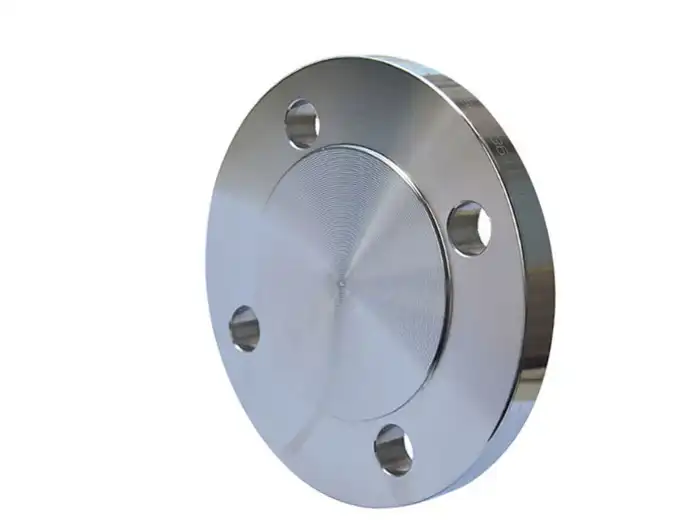
Inherent Advantages of Carbon Steel Construction
You use carbon steel backing flanges because they save on work costs and time. Easy-to-machine material allows fast manufacturing. Our annual carbon steel capacity of 16,000 tons shows our quality. The material is 60% cheaper than austenitic stainless steel, saving money on large-diameter orders.
A recurrent outdoor installation issue may be fixed by rotating the alignment. Rigid flange designs need proper pipe cutting and positioning before welding. Bolt holes that don't match present connections need costly cutting, re-beveling, and re-welding. Lap joint flange CS installations don't have this issue since the backing flange may spin freely until the bolt holes meet. Retrofit projects where the infrastructure establishes the connection points benefit from this capability.
The maintenance entrance is simple to reach, another plus. Simply unbolt the link and turn the backing flange away to check a flanged junction. The stub end remains welded, protecting the pipe and cutting disassembly time by 40% compared to welded connections that must be cut and re-welded.
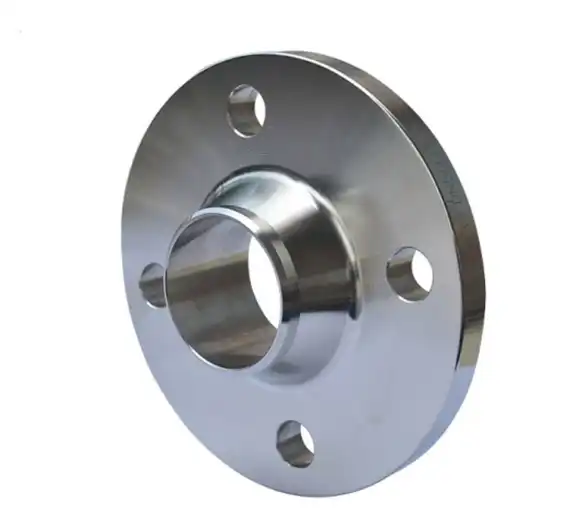
Comparing Lap Joint Flange CS with Other Flange Types and Materials
Material Performance: Carbon Steel Versus Stainless Steel
Carbon or stainless steel may be superior depending on technique and pricing. Lap Joint Flange CS performs well in hydrocarbon pipelines, compressed air systems, and steam usage below 450°C that don't corrode. They are useful for large works with numerous connections since they are inexpensive to acquire initially.
Carbon steel is attacked by acidic chemicals, chloride-rich environments, and high-purity pharmaceutical systems. They require 304, 316, or duplex stainless steel. Choosing stainless steel stub ends for corrosive media and carbon steel backing flanges for air exposure is the most cost-effective solution. This method reduces material costs by 30–45% without impairing wet surface integrity compared to all-stainless components.
Length affects overall ownership cost. Well-maintained carbon steel flanges with protective coatings last 20–25 years in regulated environments. Stainless steel parts may endure 30–40 years under difficult conditions, but they cost more and need a lifetime cost analysis.
Structural Comparison with Slip-On and Weld Neck Flanges
Slip-on flanges have a distinct function from lap joint CS components. Slip-on flanges require two fillet welds on the face and rear to fit over pipes. Installing this permanent addition requires excellent bolt hole alignment and cannot be adjusted. Two welds increase work and pipe wall heat stress.
Weld neck flanges are stronger because their hubs are bent and narrowed until they meet the pipe wall thickness. Due to stress distribution, weld necks are superior for severe cycle loading, thermal expansion, and pressure spikes than lap joint flange CS designs. They want full-penetration butt welds, which need expert welders and X-rays. Installation costs 50–70% more than the lap joint flange CS.
In shifting settings, the tiredness-performance gap is large. Weld neck flanges can support ten times more pressure cycles than lap joint CS units before cracking. Weld necks are recommended for pipelines that travel between compressors, steam heads that heat and cool quickly, and services with more than 10,000 pressure changes per year. Process transfer lines, tank farm pipes, and gravity-fed systems benefit from lap joint flange CS designs.
Selection Criteria for Industrial Applications
Consider various practical concerns while choosing a design. Lap joint flange CS assemblies are more cost-effective for alignment flexibility over fatigue protection. Food processing facilities, medication batch reactors, and filter skids need periodic disassembly for cleaning and inspection.
Don't use a lap joint flange CS in a shaking environment. Rotating equipment outlet pipes, unsupported long spans, or machinery near the joint provide cyclical loads over the joint's wear limitations. Shaking might loosen the backing flange, causing bolts to loosen and leak.
Extreme temperatures also affect material choice. Standard carbon steel remains tensile from -29°C to 425°C. Special alloys like ASTM A350 LF3 for -100°C or chrome-moly alloys for 600°C are needed for other temperatures.
Installation and Maintenance of Carbon Steel Lap Joint Flanges
Step-by-Step Installation Methodology
Proper fitting begins with part inspection. Look for cuts, pits, or weld dust on the stub end that might hinder gasket sealing. Check the backing flange hole diameter. This should be 1-2 mm broader than the stub end radius. Make sure that the seal material is safe for process fluids and temperatures.
Before joining the short end, slip the backing flange over the pipe. This sequence is crucial because the flare prevents flange installation after welding. Set the short end at the proper distance from the pipe end. One pipe wall width + 3mm is typical. Tack-weld three 120-degree spots, level them, then complete the circular butt weld as instructed.
After weld inspection and hydrotesting, seal the stub end face, not the backing plate. Start by hand-tightening the nuts. To equally distribute the load, gradually tighten the opposing bolts in a star pattern. Torque wrench settings should match bolt size and grade. Class 150 6-inch flanges with 3/4-inch grade B7 bolts need 150 to 180 ft-lbs final torque, whereas Class 300 systems require 250 to 300.
Beveling machines for stub ends, ASME Section IX-approved welding equipment, ultrasonic or radiographic testing equipment for welds, Lap Joint Flange CS, and hydraulic torque wrenches for large assemblies that cannot be handled by hand are crucial tools.
Routine Maintenance and Inspection Protocols
Every three months, critical services need visual inspections. Rust marks on the flange may indicate a leaky seal. Stretched threads, corrosion at the nut contact, or twisted studs indicate a poorly tightened bolt. Light surface rust on carbon steel backing flanges is OK, but scaling or pitting deeper than 0.5 mm must be repaired.
Annual maintenance includes controlled stop and joint removal. To avoid flange bend, remove bolts in opposing star patterns. Check the gasket; compression lines should be uniformly distributed outside. Uneven touch suggests the flange is misaligned or the faces are twisted and need machining. Wire brush stub end and flange faces to remove deposits. Apply a little coating of anti-seize powder to the bolt threads before reassembling.
Carbon steel lasts longer with protective coatings. Clean the surface to SSPC-SP6 commercial blast standards and apply a zinc-rich base with a 75-micron dry film thickness and an epoxy finish with 125 microns. This procedure prevents rust for over 8–10 years in moderate industrial conditions. After 5–7 years outdoors, recoat if chalking or color loss occurs.
Common debugging identifies leaks. If the gasket keeps weeping after retorquing, it's incompatible; check material grades to service conditions. A loose bolt indicates insufficient preload or vibration that requires spring washers or locking mechanisms. The flange face must be machined flat within 0.015 inches after damage.
Procurement and Sourcing Strategies for Lap Joint Flange CS
Evaluating Supplier Credentials and Certifications
Supplier approval keeps your project safe from parts that aren't up to par. We give more weight to partners who are certified to ISO 9001:2015, which shows that they manage quality in a systematic way from getting raw materials to doing the final review. The People's Republic of China Special Equipment Manufacturing License ensures compliance with the rules for pressure vessels that apply to tube parts.
A manufacturing capability review shows where there are limits on capacity. Our plant produces 16,000 tons of goods every year, which lets us meet the needs of big projects without delaying deliveries. CNC machine centers for accurate boring tasks, hydraulic presses with a capacity of more than 4,000 tons for forging, and spectroscopic testers for checking the chemistry of materials should all be in advanced equipment stocks.
Documentation from third-party tests backs up speed claims. Ask for mill test papers that show the chemical make-up analysis, the results of mechanical property tests (tensile, yield, and elongation), and the hydraulic test pressures. ASME B16.5 flanges must be tested to 1.5 times their maximum pressure grade. For example, Class 300 parts must be able to handle a test pressure of 1,125 psi without leaking or deforming.
Lead Times, MOQ, and Customization Options
Products in stock that are standard sizes usually ship within 7 to 10 business days. Lead times can go up to 4 to 6 weeks if the specs are unique and require special machining. The timeline depends on how complicated the order is and where it is in the list. Our production planning can handle calls for faster service, but there is a 15-20% fee for priority manufacturing spots.
Minimum order amounts strike a balance between how quickly and easily customers can change their minds. There is a 50-piece minimum order quantity (MOQ) for Standard Class 150–300 flanges in sizes 2–12 inches. Because the unit value goes up, minimums for larger widths or higher pressure classes drop to 10 to 20 pieces. If you need custom metal specs or non-standard sizes, you may need to commit to 100 pieces to cover the cost of setup.
Buying Lap Joint Flange CS in bulk can save you a lot of money through economies of scale. If you buy more than 500 pieces, you can get 8–12% off your order. With quarterly releases and annual framework deals, you can get better prices and still have some inventory freedom. We've set up supply partnerships with EPC companies that are responsible for multi-year refinery growth projects. This way, we can make sure that deliveries happen at just the right time to match building milestones.
There are more ways to customize than just choosing items from a store. We make special bore sizes that match private pipe schedules, drill non-standard bolt patterns for connecting equipment in unique ways, and put on protective coats that the customer chooses. As part of engineering help, we provide material selection advice, conduct finite element stress analysis for mission-critical uses, and check that the new system will work with the old one.
Application Insights: Where Lap Joint Flange CS Excels
Industrial Sector Performance
The largest group of places that use lap joint flange CS systems is chemical processing plants. The mixed material approach is good for process lines that deal with corrosive liquids because the exotic metal stub ends protect against chemical attack, and the lap joint flange CS backing flanges lower the total cost. A petrochemical company that had to replace 300 flange joints saved $180,000 in materials by using this method instead of an all-stainless building.
Lap joint flange CS is used a lot in water treatment and transport systems because they are easy to match when they are installed in the field. When municipalities upgrade old infrastructure, they must deal with unpredictable bolt-hole orientations because they have to route pipelines around houses and underground services. Because the flange can rotate, there are no longer any positioning delays that used to take two to three hours per link.
Lap joint flange CS kits are excellent for oil and gas gathering systems that work below 150 psi pressure because they are strong enough and can be put together quickly. There may be thousands of flanged links in production facilities between things like wellhead pipelines, separation equipment, and tank farm pipes. The speed of installation directly affects when a project finishes. Lap joint flange CS designs cut connection time by 35–40% compared to weld neck options that need precise direction.
Technical Considerations for System Integrity
Care must be taken when choosing a gasket because the closing surface is on the stub end face, not the backing lip. The short end usually has a serrated surface (125–250 microinch Ra) that works well with spiral-wound or PTFE seals. Smooth finishes work well with soft covers like rubber or compressed fiber, but they can't handle high temperatures or pressures.
The trouble of assembly is affected by the bolt hole alignment error. As per ASME B16.5, you can rotate a bolt hole ±1.5 degrees from its original position. When two lap joint flange CS units are joined together, the total tolerance can reach 3 degrees, which could lead to bolt binding if it is not controlled. We suggest trial-fitting the backing flanges before tightening them to make sure that the bolts can go in without any problems.
In uses involving rotating machines, vibration reduction is a must. Even though lap joint flange CS designs aren't as resistant to fatigue as weld necks, the risks are kept to a minimum by using the right fitting methods. To improve seal grip, finish the flange face with sharpened edges. Thread-locking solutions that are rated for working temperatures should be used. Think about spring nuts that keep the force on bolts even when the temperature changes. These steps make things last longer in settings with some changes.
Conclusion
When your industrial pipe system needs to be flexible in terms of fitting, save money on materials, and be easy to maintain, lap joint flange CS assemblies are a great choice. The two-piece design, which includes a cheap carbon steel backing ring and a process-compatible stub end, makes it easier to line parts and lets you choose materials in a way that balances performance with cost. Serving the oil, chemical, water treatment, and building industries for decades, we've seen how these parts shorten the time it takes to install them, make upkeep easier, and lower the overall cost of ownership in the right situations. To make the application work, you need to know what their weaknesses are in high-cycle fatigue services and how to use their strengths in static systems that need to be taken apart often. Choosing the right materials according to ASTM and ASME standards, installing them correctly using tested pressure methods, and checking them regularly are all things that can be done to make sure they work well for a long time.
FAQ
Can a lap joint flange CS handle the same pressure as a weld neck flange?
When made to the same ASME class standard, lap joint flange CS and weld neck flanges can handle the same amount of pressure. At 38°C, a Class 300 lap joint flange CS can handle the same 740 psi working pressure as a Class 300 weld neck. The important difference shows up when the joint is loaded and unloaded over and over again. The wear life of the lap joint flange CS assembly is only 10% of that of the weld neck because of stress building up at the stub end radius. There are no realistic pressure limits for static or slowly cycling applications. On the other hand, the weld neck's greater wear resistance makes it better for reciprocating equipment or thermal cycling services.
How do I determine the correct stub end length for my application?
There are two common lengths for stub ends: MSS (short pattern) and ANSI (long pattern). The overall length of an MSS stub end is about twice the pipe's standard diameter, making it perfect for most general-purpose uses. ANSI stub ends are about 50% longer, which gives you more space to prepare for welding and fits thicker-wall pipe plans. Your choice will depend on the width of the pipe wall and the needs of the welding process. MSS lengths are usually used for Schedule 40 pipe, while ANSI measures are better for Schedule 80 and thicker walls because they allow for easier beveling. Look at the ASME B16.9 dimensional numbers that match the size and rate of your pipe.
Why choose carbon steel backing flanges instead of matching the stub end material?
Material division cuts costs while keeping the structure of the system intact. The backing flange never comes into touch with process fluids; it's only used as a structural clamping part that's exposed to air and bolt loads. The mechanical strength of carbon steel is good enough for this job, and it costs 40–60% less than stainless steel options. The wet surface of the stub end needs a metal that doesn't rust and works with the process chemistry. When material costs are a big part of project funds for large-diameter, high-quantity jobs, this hybrid approach becomes economically important. A 12-inch Class 300 stainless stub end with a carbon steel backing saves around $350-450 per unit compared to building everything out of stainless steel.
Partner with Oudi for Reliable Lap Joint Flange CS Supply
Choosing the right lap joint flange CS provider is important for making sure that your project meets quality standards, delivery dates, and cost goals. With ISO 9001:2000 approval and a license to make special equipment, Oudi has 26 years of experience making flanges that meet ANSI, JIS, DIN, and BS standards. Our annual capacity of 16,000 tons meets the needs of large-scale buying while keeping strict quality control from checking the raw materials to performing final nondestructive testing. We offer a wide range of materials in carbon steel, stainless steel, and metal types to more than 300 clients in 40 countries. Our engineering team can help you with technical issues to make sure that our products work with the systems you already have in place, whether you need standard sizes from stock or special measurements for a specific purpose. To discuss your lap joint flange CS needs, please email our export experts at oudi-04@oudiguandao.com. As a well-known company that has delivered goods all over the world before, we can give you cheap quotes, material certifications, and delivery plans that keep your project on track.
References
1. American Society of Mechanical Engineers. (2021). ASME B16.5: Pipe Flanges and Flanged Fittings NPS 1/2 Through NPS 24 Metric/Inch Standard. New York: ASME Press.
2. Becht, C. & Warren, J. (2019). Pressure Vessel and Piping Design: Collected Papers 1927-1959. Hoboken: John Wiley & Sons.
3. Nayyar, M.L. (2020). Piping Handbook, Eighth Edition. New York: McGraw-Hill Education.
4. Parisher, R.A. & Rhea, R.A. (2021). Pipe Drafting and Design, Fourth Edition. Cambridge: Gulf Professional Publishing.
5. Singh, R.K. & Solanki, V.S. (2018). Industrial Piping and Equipment Estimation Manual. Cambridge: Butterworth-Heinemann.
6. Zamrik, S.Y. & Davis, D.C. (2022). ASME Boiler and Pressure Vessel Code: An International Code on Pressure Technology. New York: ASME Press.

Need help finding the right solution with our experts. Please contact us.

SINCE 1998 Your Reliable Pipeline Manufacturer



