Steel Concentric Pipe Reducer – Buying Guide
It's not enough to just match the sizes when choosing the right steel concentric pipe reducer. These important pipe parts connect pipes of different sizes while keeping the axis straight. This ensures that large industrial pipeline networks manage flow and pressure well. Understanding the technical details of steel concentric pipe reducers will help you make smart purchasing choices that balance performance, compliance, and cost-effectiveness, whether you're looking for parts for an oil mill, a power plant, or a water treatment plant.
Understanding Steel Concentric Pipe Reducers
What Defines a Steel Pipe Fitting Concentric Reducer?
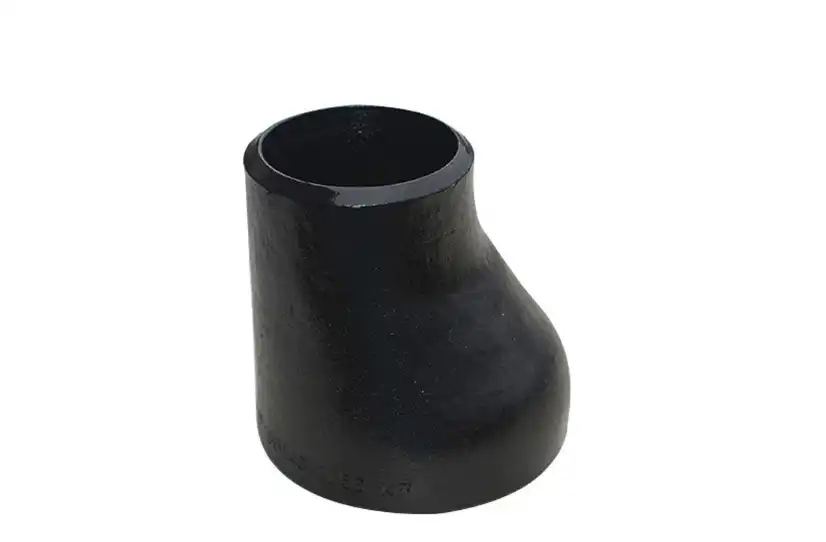
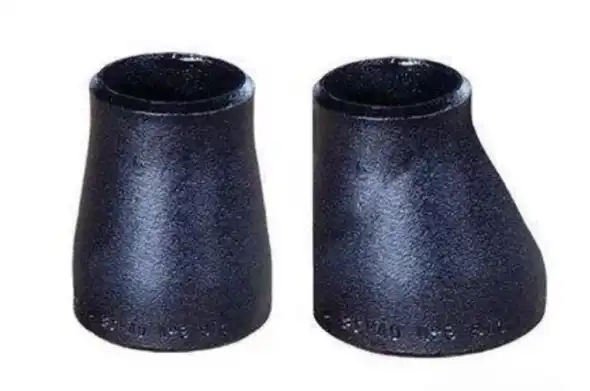
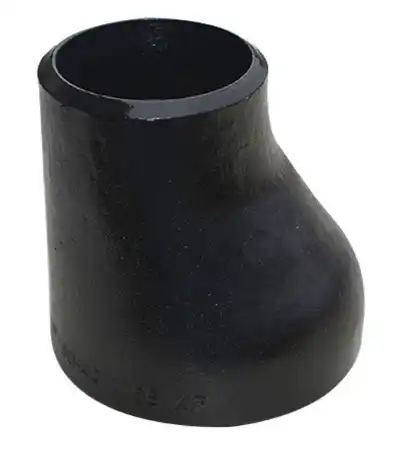
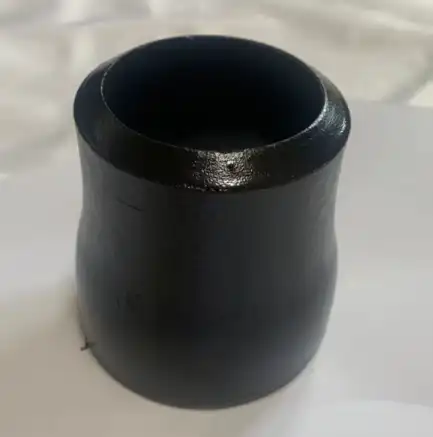
A steel concentric pipe reducer is a transitional part made of steel that joins two pipes with different sizes while keeping their centerlines exactly straight. The pattern has a symmetrical cone-shaped transition, and the decrease is the same all the way around the edge. This way of building is very different from its eccentric cousin, which moves the axis out of the way to keep the side flat. The concentric design solves a number of important practical problems. It improves fluid dynamics by lowering losses due to turbulence and friction, which is especially important in vertical pipes where uniform changes in velocity are important. When pipe axes are lined up, support systems are made easier, and vibration stress is lower in high-pressure gas or steam use. When used in vertical pump discharge setups, it handles pressure rises well without creating the air pockets that occur with horizontal misuses.
Material Specifications and Standards Compliance
The type of material you choose for concentric steel pipe reducers has a direct effect on how long they last and how well they work under operating stress. Types of carbon steel that are made to ASTM A234 WPB standards work well in a wide range of industrial settings. Stainless steels that meet the requirements of ASTM A403 WP304 or WP316L are better at resisting chemicals in places where rust resistance is critical. Alloy steel types like ASTM A234 WP11 or WP22 are needed for high-temperature work because they keep their mechanical integrity when temperatures change.
For factory-made metal buttwelding fittings in sizes from NPS 1/2 to NPS 48, dimensional accuracy is based on ASME B16.9 standards. The choice of wall thickness is based on schedule numbers—SCH 40, SCH 80, XS, or XXS—that are perfectly matched to the specs of the connected pipe. The mechanical qualities include tensile strength and yield strength, which match the parent pipe. The concentric shape better spreads the hoop strength than asymmetric designs.
Primary Industrial Applications
In some high-performance situations, the steel pipe fitting concentric reducer is perfect because keeping the axis aligned provides real benefits. In oil and gas plants, vertical pump discharge lines depend on concentric reducers to handle pressures higher than 1500 PSI while keeping the structure balanced and the flow patterns straight. Power plants put these parts in high-pressure steam lines that connect superheater stages. Keeping the pipe centerline provides even thermal expansion and proper support hanging while reducing noise that causes erosion.
In vertical sludge transport uses, the Steel Concentric Pipe Reducer is useful for wastewater treatment equipment. The symmetrical cone shape prevents solid particles from building up in corners or gaps that eccentric fittings can create when they are installed incorrectly. This self-cleaning flow dynamic cuts down on the time needed for upkeep and keeps processing efficiency high over longer service periods.
Comparing Steel Concentric Pipe Reducers
Concentric Versus Eccentric Reducer Selection
Knowing when to use a concentric reducer made of steel instead of eccentric reducers can change both the performance of a system and its costs over its lifetime. Concentric reducers keep the axis of the inlet and exit the same, which makes them perfect for vertical placements where air entrapment is not a big problem. In gas and steam uses where constant velocity is important, their symmetrical flow path lowers turbulence. With their off-center axis and flat side, eccentric reducers work well with horizontal liquid lines that need to stop air pockets from forming or make draining easier. The flat-bottom design lets all the liquid escape while the system is shut down or during repair.
Material Durability in Operating Environments
Reducers made of carbon steel work well in moderately heated and non-corrosive settings at a low cost. Because of how they are made, they work well for refining oil, moving natural gas, and general industrial pipes where chemical contact is minimal. Stainless steel alternatives are worth the extra cost in chemical processes, making medicines, and food-grade uses where resistance to corrosion and ease of cleaning are important. The chromium-nickel mix stops rusting and keeps the surface's structure in acidic or alkaline environments.
Some types of alloy steel are a compromise between the cost-effectiveness of carbon steel and the corrosion protection of stainless steel. They provide better performance at high temperatures. Power plants that use steam lines that are hotter than 750°F depend on reducers made of alloy steel to keep their mechanical strength under high temperatures that would weaken carbon steel over time.
Manufacturing Methods Impact Performance
When you use seamless concentric reducers made of steel, the pressure values are better, and there are no bonded seams that could break when the load changes. The production process makes the wall thickness and grain structure the same all over the part. This makes the higher starting costs worth it because the part will last longer in critical situations. When it comes to lower-pressure systems, where saving money is more important than improving performance, welded reducers are the better choice. Modern welding methods and heat treatment after the weld reduce any remaining stress, making parts that are stable and suitable for many industry uses.
Procurement Considerations for Steel Concentric Pipe Reducers
Supplier Verification and Quality Assurance
A good buying process for a steel concentric pipe reducer starts with a careful evaluation of the seller, focused on their qualifications and production abilities. ISO 9001 approval shows that quality management systems are in place, and special equipment making licenses show that a company obeys the rules and is technically competent. Check to see if possible suppliers have written quality control processes that cover everything from testing finished goods to inspecting raw materials. Advanced inspection tools, such as ultrasound testing, x-rays, and checking of mechanical properties, make sure that every part meets the performance standards that have been set.
Export knowledge helps you figure out how reliable a seller is. Companies that do business with a wide range of foreign markets know what paperwork is needed, how to ship goods, and the best ways to communicate so that deals go smoothly across borders. Ask customers in similar businesses for examples and look at case studies that show how they successfully completed difficult projects.
Pricing Factors and Order Economics
The price of a steel reducer with a concentric pipe design is affected by more than just the cost of the materials. Size has a big effect on price because bigger-diameter reducers need more raw materials and special tools to shape them. Wall thickness affects how much material is used and how hard it is to make, which means that heavy-wall schedule grades have higher unit prices. Different types of materials have big effects on prices. For example, stainless steel parts are usually two to three times pricier than carbon steel parts of the same size, and specific alloys are more expensive because of the costs of the alloying elements and the work that needs to be done to make them.
Choosing the right manufacturing method means finding a mix between efficiency and cost. When compared to bonded options, seamless reducers cost 20–40% more. This is because they can handle higher pressures and last longer in demanding situations. Ordering in bulk is more efficient because economies of scale lower the cost per unit. Many sellers set minimum order amounts that keep the costs of setting up production in balance with the costs of keeping goods on hand. By negotiating bulk buy deals, you can often get volume savings and keep the supply chain going for projects that are still going on.
Customization and Lead Time Management
Standard catalog sizes cover a wide range of pipe shapes, but complicated jobs often need special specs. Suppliers who are exceptionally skilled at what they do give customization services that include non-standard combinations of diameters, special grades of material, and end preparations that are made just for certain welding processes. Custom making adds two to six weeks to the delivery time of stock items, based on how complicated the specifications are and how full the production queue is. These longer deadlines are built into critical path plans through good project planning, so there are no costly delays when custom parts reach the manufacturing stages.
Clear communication speeds up how we handle unique orders. Giving clear technical drawings, standards for material certifications, and testing criteria at the start cuts down on the number of changes that need to be made and ensures that the supplied parts meet the project requirements. Confirming delivery times and keeping up with progress on a daily basis helps buying teams keep track of supplies and work with building plans.
Why should you choose Oudi Steel Concentric Pipe Reducers?
Manufacturing Excellence and Certification Depth
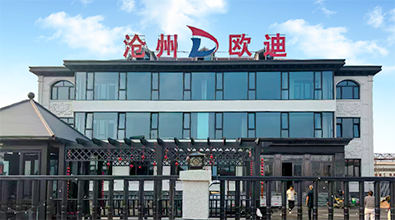
Since 1998, Oudi has built a name for making high-quality steel concentric pipe reducer products that are backed up by a wide range of quality certificates. Our ISO 9001:2000 certification for quality management and licenses to make special tools show that we are dedicated to controlling processes and following the rules. Our 66,600-square-meter plant is in Cangzhou's specialized pipe fitting manufacturing zone. It has state-of-the-art production tools and skilled technical staff that work together to make high-quality pipe fittings out of carbon steel, stainless steel, and alloy steel.
Our quality assurance program uses full inspection methods from the time we receive raw materials until we send out produced goods. Modern identification tools allow for thorough testing that meets the needs of a wide range of customers in global markets. Our methodical approach to quality control ensures that every concentric pipe reducer made of steel that leaves our plant works reliably under certain situations. Customers in the oil and gas, chemicals, natural gas, power production, and water conservation sectors trust this strict method.
Comprehensive Product Range and Customization Capability
Oudi keeps a large stock of common steel pipe reducers that are concentric and meet the requirements of ANSI, JIS, DIN, and BS. Our product line includes sizes from NPS 1/2 to NPS 48, with schedule rates from SCH 40 to XXS. They are made from carbon steel, stainless steel grades 304 and 316L, and different types of alloy steel. This complete book lets you buy from a single source, which makes managing the supply chain easier and makes sure that all the parts of a pipe system work together.
In addition to standard goods, our tech team works with clients to create custom solutions that fit their specific needs. Our annual production capacity of 16,000 tons lets us handle unique orders without affecting delivery times, whether you need non-standard diameter changes, special material certifications, or different end preparations. Because Oudi can offer custom solutions, it is a chosen partner for EPC contractors and end users in charge of complicated manufacturing projects.
Competitive Pricing and Flexible Terms
Because we fully integrate our manufacturing operation, we can keep costs low along the whole production chain. This lets us offer reasonable prices that stay within project budgets without lowering quality. Customers who have ongoing needs or big project plans can save even more with volume purchasing deals. We keep our minimum order amounts low so that we can balance production efficiency with customers' limited store needs. This way, you can use professional-grade steel concentric pipe reducers on a wide range of projects.
Clear pricing considers the real prices of materials, the difficulty of production, and the quality standards that we set. Our quote process provides thorough breakdowns that help procurement teams make choices about what to buy while keeping an eye on the budget. Flexible payment terms can accommodate international business practices, and our experienced export team can easily handle the necessary paperwork.
Global Service Network and Customer Support
Oudi has more than 300 users in more than 40 countries in the Middle East, Africa, North and South America, Europe, and Asia. We have better knowledge of foreign logistics, customs processes, and the communication protocols that make deals go smoothly across time zones and languages, thanks to all the exporting we have done. During the specification creation process, our sales team offers expert advice to help customers choose the best reducer options for their needs.
After-sales support doesn't end when you deliver the product; you can get expert help for questions about installation or speed optimization. We see our ties with customers not as one-time deals but as long-term agreements based on mutual success. Our dedication to quick contact and problem-solving has earned us repeat business and word-of-mouth recommendations that help us keep growing in the world's most competitive markets.
Conclusion
When choosing steel concentric pipe reducers, you need to pay close attention to the needs of the application, the specs of the material, and the skills of the provider. The uniform design improves the flow in vertical placements and keeps the structure aligned, which is very important for high-temperature and high-pressure service. When choosing between carbon steel, stainless steel, and alloy steel, it's important to think about how well they fight rust, how well they work at high temperatures, and how much they cost. You can reduce purchasing risk by carefully checking a supplier's credentials, including their ability to produce goods and their experience with exporting. Understanding what affects prices, the ability to customize, and wait times helps you plan projects and manage budgets well. When paired with quick expert help and dependable shipping, these parts become essential components of industrial piping systems that work safely and effectively for a long time.
FAQ
How do I choose between concentric and eccentric reducers?
Choose concentric reducers for vertical pipe runs where keeping the axis aligned improves flow dynamics and makes support structures easier to build. Their symmetrical shape works well for gas and steam uses where an even speed spread keeps turbulence to a minimum. Eccentric reducers work better for straight liquid lines that need to keep air pockets from forming or drain completely. The flat-side design keeps gas from building up in the pump suction lines and makes it easier for liquid to escape when the system is turned off.
What pressure ratings should I verify for safety compliance?
ensure that the pressure ratings of the reducers are the same as or higher than the system's highest working pressure. These ratings should include safety margins for pressure surges or short-term situations. Ratings for pressure depend on the type of material, the walls' thickness, and the temperature at which they will be used. Ask for mill test records that list the mechanical qualities and hydrostatic test findings. Make sure you follow the relevant codes, like ASME B31.3 for process piping or ASME B31.1 for power piping, which spell out the basic standards for design.
Can reducers be customized to non-standard dimensions?
Manufacturers with a lot of experience can make custom parts for non-standard width pairs, special grades of material, and custom ways to prepare the ends. Give details like the diameters of the inlet and exit, the total length needed, any material approvals, and any special rules for inspection or testing. Custom orders usually make wait times longer, but they allow for the best system integration when normal catalog sizes don't fit the needs of the project.
Partner With Oudi for Your Steel Concentric Pipe Reducer Supply Needs
Oudi has been making steel concentric pipe reducer products that meet strict industrial standards for more than twenty years and has a wide range of quality certifications. Our wide range of products includes standard and unique shapes made from carbon steel, stainless steel, and alloy steel that meet international standards. Oudi is a key source for procurement workers handling complicated projects because of its low prices, flexible buying terms, and track record of dependability across global markets. You can talk to our technical team at oudi-04@oudiguandao.com about your unique needs, get full quotes, or get access to product catalogs and technical datasheets. During our partnership, we'll do everything possible to help your project succeed by delivering high-quality parts on time and providing helpful customer service.
References
1. ASME B16.9-2018, Factory-Made Wrought Buttwelding Fittings, American Society of Mechanical Engineers, New York, 2018.
2. ASTM A234/A234M-19, Standard Specification for Piping Fittings of Wrought Carbon Steel and Alloy Steel for Moderate and High Temperature Service, ASTM International, West Conshohocken, 2019.
3. Nayyar, M.L., Piping Handbook, Seventh Edition, McGraw-Hill Professional, New York, 2000.
4. Singh, R. and Solanki, V.S., "Flow Analysis Through Pipe Reducers Using Computational Fluid Dynamics," International Journal of Mechanical Engineering and Technology, Vol. 8, No. 5, 2017, pp. 765-773.
5. Zarrabi, K. and Grip, N., "Pressure Drop and Flow Characteristics in Concentric and Eccentric Pipe Reducers," Journal of Fluids Engineering, Vol. 132, No. 8, 2010.
6. ISO 9001:2015, Quality Management Systems—Requirements, International Organization for Standardization, Geneva, 2015.

Need help finding the right solution with our experts. Please contact us.
SINCE 1998 Your Reliable Pipeline Manufacturer