What Is the Pressure Rating of Carbon Steel Pipe Caps?
The pressure rating of a CS Pipe Cap typically ranges from 150 PSI to 6000 PSI, depending on the material grade, wall thickness, and manufacturing process. These ratings follow ANSI/ASME B16.9 standards, with Class 150, 300, 600, 900, 1500, and 2500 being the most common pressure classifications. Carbon steel pipe caps made from materials like ASTM A234 WPB can handle pressures up to 2500 PSI in standard applications, while seamless variants offer superior strength compared to welded alternatives. The actual pressure capacity also depends on operating temperature, with higher temperatures reducing the allowable working pressure according to pressure-temperature rating charts.
Understanding Carbon Steel Pipe Caps
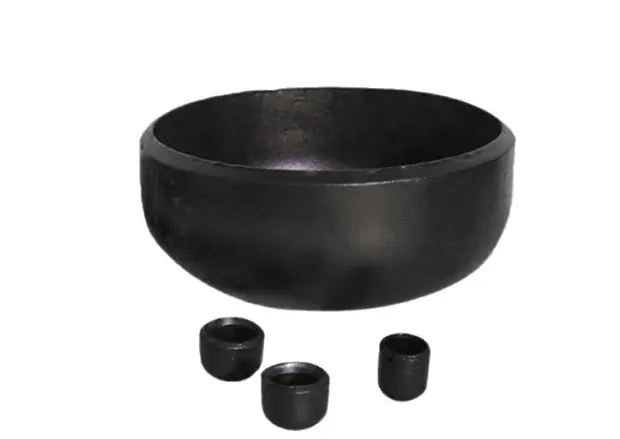
Carbon steel pipe caps serve as critical end-sealing components in industrial piping systems across multiple sectors. These engineered fittings provide complete closure at pipe terminals, preventing contamination ingress and maintaining system pressure integrity. Manufacturing processes include seamless forging and welding techniques, each offering distinct advantages for specific operational requirements.
Types and Manufacturing Methods
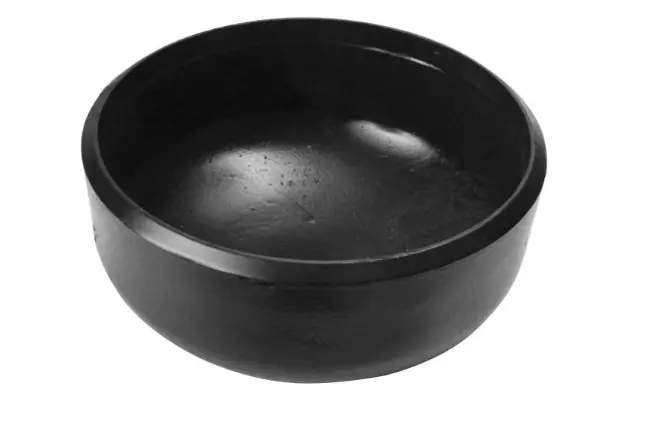
There are a CS Pipe Cap of carbon steel pipe caps on the market to meet the needs of different industries. Seamless caps go through hot forging processes that get rid of the joint gaps. This makes the strength distribution more even and improves the pressure resistance. Precision welding is used to join formed steel sections together in welded caps, which are a cost-effective option for mild-pressure uses. Threaded caps have internal threading that lets them screw onto pipe ends that have external threading. This makes it easy to install and remove the cap during upkeep. Butt-weld caps need to be welded to the ends of pipes to make fixed joints that can handle high temperatures and pressures.
Industrial Applications and Benefits
Pipe caps made of carbon steel are used a lot in industrial plants, oil pipelines, natural gas plants, and systems that clean water. During construction, these parts keep exposed pipe ends safe. During system shutdown, they keep debris from building up and keep pressure limits in busy plumbing networks. The makeup of the material is very good at resisting corrosion in many industrial settings, and it is also cheaper than options made of exotic alloys. Surface treatments, such as galvanizing or sealing, make things last longer in harsh working situations.
Pressure Rating Fundamentals of Carbon Steel Pipe Caps
To understand pressure ratings, you need to look at how material qualities, geometric form, and working factors are connected. Pressure numbers show the highest pressure that can be used at a certain temperature. They include safety factors to make sure that the part works reliably for its whole time.
Material Grade Impact on Pressure Capacity
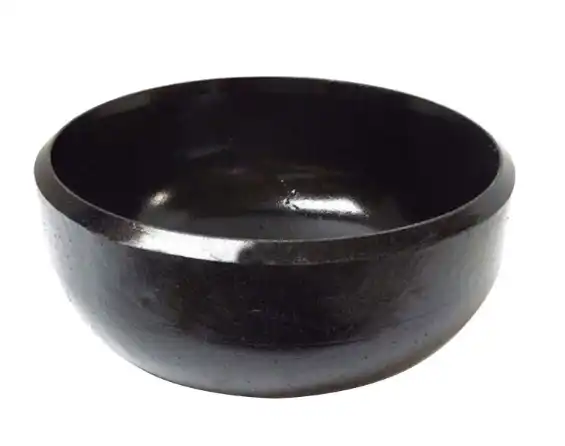
The most common material standard for CS Pipe Cap products is ASTM A234 WPB, which has great mechanical qualities and can be welded. The tensile strength of this type of material is between 60,000 and 80,000 PSI, which means it can withstand pressures that are common in industry settings. Although materials with a higher carbon content, like ASTM A420 WPL6, are stronger in low temperatures, materials that meet the requirements of ASTM A860 work better in sour gas settings. According to technical standards, each type of material has its own pressure and temperature limits.
ANSI/ASME Pressure Classifications
The American National Standards Institute and American Society of Mechanical Engineers set up pressure class methods that make ratings for parts the same across the business. These groups are divided into: At room temperature, Class 150 caps can handle pressures of up to 285 PSI, making them good for low-pressure water systems and other industry uses. Class 300 versions can handle pressures up to 740 PSI, which means they can be used in steam and process fluid systems with modest pressure. Capacity increases a lot as the pressure class goes up. At room temperature, Class 600 caps can handle 1480 PSI, Class 900 caps can handle 2220 PSI, Class 1500 caps can handle 3705 PSI, and Class 2500 caps can handle 6170 PSI. Following well-known pressure-temperature curves, these scores go down proportionally as working temperatures rise.
Temperature Considerations and Derating
Temperature effects are very important in figuring out what the real working forces are for carbon steel parts. When temperatures rise, the strength of materials goes down, so pressure derating is needed to keep safety gaps. Standard pressure-temperature tables give clear instructions for a range of temperatures. Class 150 caps keep their full pressure limit at 100°F. At 400°F, the pressure that is allowed drops to about 230 PSI. This derating keeps going down gradually, and it gets really bad above 600°F working temperatures.
How to Select the Right Pressure-Rated Carbon Steel Pipe Cap?
To make the right choice, you need to look at the system's working factors, safety standards, and installation limitations. When engineers choose parts, they have to think about things like pressure spikes, temperature changes, and possible system upsets to make sure there are enough safety gaps.
Operating Conditions Assessment
The first step in system pressure analysis is to figure out the normal working pressure, the highest pressure that can be expected during transient circumstances, and the need for pressure tests. For safety reasons, you should usually choose caps that are rated at least 1.5 times the highest pressure that is expected in the system. This is to account for pressure spikes and changes in how the system works. The review of temperature includes steady-state working temperatures, the effects of thermal cycling, and the possibility of overheating. When choosing materials, they need to be able to handle the highest temperature that is expected while still having enough pressure rating gaps.
Material Comparison and Cost Analysis
Carbon steel is a great choice for many industry uses because it is resistant to corrosion and strong enough mechanically at a reasonable price. When you compare carbon steel to alternatives made of stainless steel, you can see that the original cost and long-term results are not always the same. CS Pipe Cap products typically cost 30–50% less than similar stainless steel parts, but they still work well enough in places that don't corrode. Stainless steel versions, on the other hand, are better at resisting rust and staying strong at high temperatures.
Seamless vs. Welded Construction
Seamless caps can handle more pressure because the grains are all the same, and there are no stress clusters caused by welding. Most of the time, these parts can handle 15 to 20 percent more pressure than welded ones of the same material grade and wall thickness. Welded caps are cheaper for situations with lower pressure and still work well enough for most industry uses. Good welding techniques and heat treatment after the welding process can reduce the strength differences between smooth and welded versions as much as possible.
Installation Guidelines to Maintain Pressure Integrity
The long-term pressure efficiency and dependability of carbon steel pipe caps are directly affected by how they are installed. Following set methods makes sure that parts don't leak and that the system stays intact for as long as it's used.
Pre-Installation Inspection and Preparation
Before placement, a visual check finds surface flaws, differences in size, and compliance with material approval standards. By comparing the cap's measures to the pipe's specs, you can avoid mismatches that could weaken the joint. Cleaning matching surfaces, getting rid of oxidation or contamination, and making sure the right fit-up shape are all parts of surface preparation. For good welding, beveled pipe ends need to be checked for the right curves and smooth changes.
Welding Procedures and Quality Control
Installing a buttweld cap requires skilled welding methods that spell out the filler materials, heat input parameters, and post-weld cleaning needs. When roots are properly inserted, the joint is fully strengthened without having too much support, which can cause stress to build up in certain areas. Multi-pass welding methods spread out the heat so that the metal doesn't change shape too much and keeps its good mechanical qualities. Inter-pass temperature control stops materials from getting too hot, which could damage their properties and make them less able to handle pressure.
Post-Installation Testing and Verification
Under controlled settings, hydrostatic testing checks the integrity of the joint and makes sure it meets the pressure number. Test pressures are usually 1.5 times the design pressure and are kept there for a certain amount of time to look for leaks or structural problems. Radiographic, ultrasonic, or liquid penetrant testing are all non-destructive methods of examination that can find problems inside a structure that an eye review alone can't. As long as these steps are taken, the quality of the weld will meet code standards and pressure rating expectations.
Procurement Insights for Carbon Steel Pipe Caps
Strategic buying means working together with qualified makers who can show consistent quality, on-time delivery, and full certification compliance. Checking the skills of suppliers makes sure that you can get goods that meet project requirements and industry standards.
Supplier Qualification and Certification
Quality management systems, production skills, and approval compliance are the main things that are looked at when judging a manufacturer. ISO 9001 certification shows that quality processes have been set up, and special equipment manufacturing licenses show that pressure tank parts are made in accordance with the rules. A production plant evaluation looks at the tools used for making things, the ability to check them, and the ways that quality control is done. For stable quality and size accuracy of CS Pipe Cap, advanced casting tools, precise machining capabilities, and full testing facilities are used.
Global Supply Chain Considerations
When you buy things from other countries, you can save money, but you have to be very careful about quality standards and transport procedures. Well-known companies that sell their goods all over the world offer reasonable prices without lowering the quality or not meeting licensing needs. Rules about imports, shipping times, and paperwork all have an effect on project costs and plans. Working with experienced providers who know how to deal with the needs of foreign trade makes the buying process easier and lowers the risks in the supply chain.
Custom Solutions and Lead Times
Standard CS Pipe Cap products can be used in most situations, while custom solutions can be made to fit specific needs or materials. When compared to stock items, custom production usually takes 4 to 8 weeks longer. With engineering help from qualified sources, you can make sure that the specs are perfect for your needs while still keeping costs low. Technical talks make sure that the right material is chosen and that the pressure grade fits the needs of the system.
Conclusion
The CS Pipe Cap for carbon steel pipe caps depends on a number of things, such as the type of material used, how it was made, the temperature at which it will be used, and any relevant standards. Engineers can choose the right parts for different jobs while keeping enough safety gaps when they know about ANSI/ASME pressure classifications. With the right installation methods and quality control measures, these scores will be turned into solid performance in the field. Working with qualified makers who show consistent quality and technical know-how helps projects succeed in a wide range of workplace settings.
FAQ
What factors determine the maximum pressure rating of carbon steel pipe caps?
Pressure values are mostly based on the type of material, the width of the walls, the way it was made, and the temperature at which it will be used. ANSI/ASME standards set up pressure class systems, while ASTM material specs describe the mechanical qualities of materials. Most of the time, seamless construction can handle more pressure than joined options.
How do temperature changes affect carbon steel pipe cap pressure ratings?
Because materials are less strong at higher temperatures, working forces must be lowered. There are specific derating factors for different temperature ranges in pressure-temperature rating tables. At 400°F, pressure levels drop to about 75% to 80% of what they are at room temperature.
What quality certifications should I look for when purchasing carbon steel pipe caps?
The reliability of the product is guaranteed by ISO 9001 quality management approval, material test certificates that meet ASTM standards, and proof of pressure testing. Special equipment production licenses show that pressure-containing parts are made in accordance with the rules.
Can carbon steel pipe caps be used in corrosive environments?
In many industrial settings, carbon steel is good at resisting rust. However, in places where corrosion is a big problem, protection coatings or other materials may be needed. Some rust problems can be fixed by galvanizing, painting, or switching to stainless steel versions.
What installation methods work best for maintaining pressure integrity?
Butt-welding makes the best joint for high-pressure uses, while threaded links are easier to use for lower pressures. Leak-tight installs that keep pressure ratings are made possible by properly prepping the surface, using qualified welding techniques, and testing after the installation is complete.
Partner with Oudi for Premium Carbon Steel Pipe Cap Solutions
Oudi stands as your trusted CS Pipe Cap manufacturer with over 25 years of proven expertise in delivering high-quality pipe fittings to global markets. Our ISO 9001-certified factory makes 16,000 tons of goods every year that meet ANSI, ASTM, and ASME standards for more than 300 buyers in 40 countries. Our expert team can help you with everything from choosing the right material to making sure it gets to you on time, whether you need standard pressure ratings or unique specs. To talk about your carbon steel pipe cap needs, email our expert staff at oudi-04@oudiguandao.com. Find out why leaders in the industry choose Oudi for reliable, cost-effective solutions that meet the most demanding needs.
References
1. American Society of Mechanical Engineers. "ASME B16.9 - Factory-Made Wrought Buttwelding Fittings." New York: ASME Press, 2018.
2. American Society for Testing and Materials. "ASTM A234 Standard Specification for Piping Fittings of Wrought Carbon Steel and Alloy Steel for Moderate and High Temperature Service." West Conshohocken: ASTM International, 2019.
3. Chuse, Robert and Carson, Bruce E. "Pressure Vessels: The ASME Code Simplified." 8th Edition. New York: McGraw-Hill Professional, 2018.
4. Harvey, John F. "Theory and Design of Pressure Vessels." 2nd Edition. New York: Van Nostrand Reinhold Company, 2019.
5. Megyesy, Eugene F. "Pressure Vessel Handbook." 15th Edition. Tulsa: Pressure Vessel Publishing Inc., 2017.
6. Singh, Karan and Solanki, Shailendra. "Fundamentals of Piping Design and Engineering." Houston: Gulf Professional Publishing, 2020.

Need help finding the right solution with our experts. Please contact us.

SINCE 1998 Your Reliable Pipeline Manufacturer



