High-pressure pipe elbows suitable for power plant applications
High-pressure power plant pipe elbows are important parts that are made to work in harsh situations in power plants that make electricity. These special fittings make it easy to change the direction of the fluid while keeping the system intact at temperatures of up to 1,000°F and pressures that often go over 2,500 PSI. Power plant elbows must be much more durable, resistant to corrosion, and stable at high temperatures than other pipe parts in order to keep working in important infrastructure uses.
Understanding High-Pressure Pipe Elbows in Power Plants
Defining Power Plant Pipe Elbows and Their Critical Functions
Power generation facilities rely on complex pipe networks to move fluids like steam, water, and other substances in harsh circumstances. The purpose of high-pressure pipe elbows is to change the direction of flow while keeping the structure strong during hard operating cycles. These parts are always being exposed to high-temperature steam, acids that eat away at metal, and big changes in pressure that would damage regular fittings.
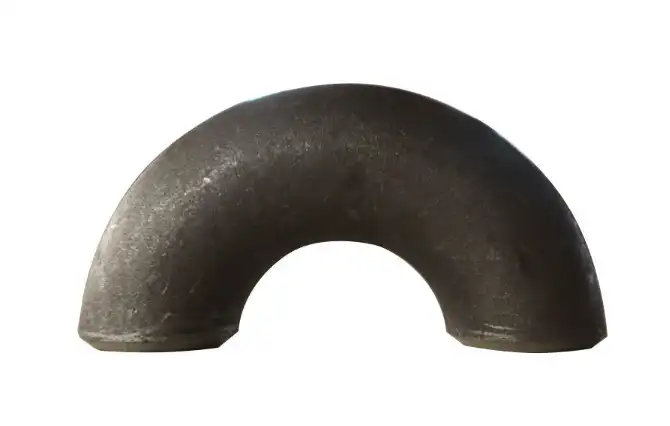
The process of making these special elbows follows exact technical rules that are in line with the needs of the power business. Buttweld seamless steel pipe elbows are the best choice for power uses. They are made from seamless mother pipes using hot pressing, mandrelling, or extrusion methods. Lack of longitudinal weld lines provides even hoop strength and better response to internal pressure compared to welded options.
Design Specifications and Pressure Ratings
Modern power plant pipe elbows have to meet strict industry standards like ASME B16.9, ASTM guidelines, and EN rules. These guidelines spell out the necessary material requirements, pressure ratings, and size limits for power plants to run safely. Pressure values are usually between Class 150 and Class 2500, which means working pressures between 285 PSI and 6,170 PSI.
The physical shape of power plant elbows includes certain radius arrangements that work best for high-pressure situations. Long radius elbows with a 1.5D central radius reduce flow turbulence and the chance of erosion, while short radius 1.0D versions save room without sacrificing performance. When figuring out wall thickness, pressure vessel codes are used to make sure there are enough safety gaps for the highest working conditions.
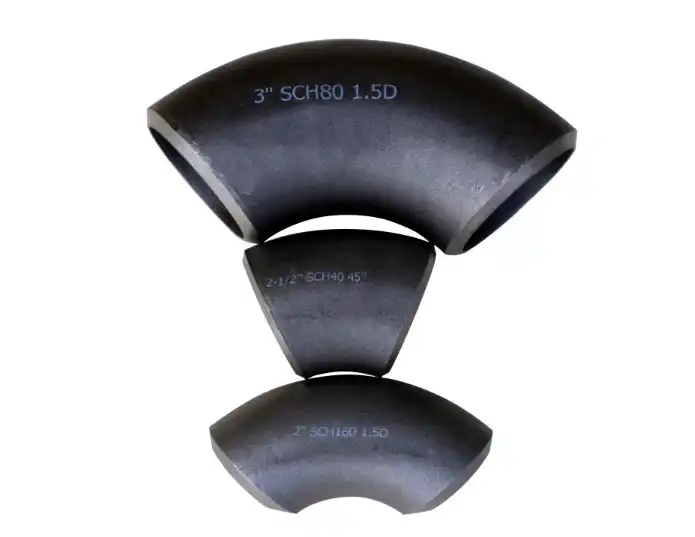
Material Selection for Extreme Conditions
For mild temperature uses, carbon steel grades like ASTM A234 WPB are a cost-effective option. Stainless steel grades like 316L, on the other hand, are better at resisting rust in harsh conditions. For high-temperature steam systems that work above 800°F, alloy steels like P11, P22, and P91 offer better resistance to creep.
The standards for material approval include checking the chemical makeup, testing the mechanical properties of the power plant pipe elbow, and following non-destructive examination procedures. Heat treatment methods make sure that the microstructure develops properly, giving the material the strength and toughness that power production requires.
Key Considerations When Choosing Pipe Elbows for High-Pressure Power Plant Applications
Performance Requirements Under Extreme Conditions
To choose the right pipe elbows for power plant service, you need to carefully consider working factors such as maximum pressure, temperature cycling, and corrosive media exposure. When steam systems start up and shut down, the temperature changes quickly, making the conditions very difficult. This means that the materials used must be very resistant to thermal stress.
The following critical performance factors must be carefully looked at:
• Pressure capability: Elbows need to be able to handle design pressures with enough safety margins, which are usually 1.5 times working pressure for steady loads and higher factors for cycle loading.
• Temperature resistance: When choosing a material, you need to think about both steady-state working temperatures and short-term temperature jumps that can happen in an emergency or when the system is upset.
• Corrosion resistance: For long-term dependability, it's important to protect both the inside and outside of systems from corrosion, especially those that are cooled by water or installed near salt water.
• Fatigue performance: Materials that can withstand repeated changes in temperature and pressure are needed to stop cracks from starting and spreading.
Because these performance standards have a direct effect on working safety and maintenance costs, choosing the right choice is very important for running a power plant well.
Material Comparison and Cost-Benefit Analysis
In situations where the temperature and rust levels are limited, like below 750°F in non-corrosive settings, carbon steel elbows can save you money. Their low cost and short shipping times are helped by the fact that they are widely available and are made using tried and true methods. Nevertheless, carbon steel needs protective coats on the outside and linings on the inside for corrosive service, which makes things more complicated and increases the need for upkeep.
Stainless steel options are better at resisting corrosion and don't need to be coated, so they have lower long-term upkeep costs even though they cost more at first. Grade 316L is very good at stopping stress corrosion cracks caused by salt, and duplex grades make things stronger for high-pressure uses. Stainless steel parts often justify their higher prices by lasting longer and being more reliable, which means they don't need to be replaced as often.
Seamless versus Welded Construction
Power plant pipe bends that are seamless don't have any weak spots like longitudinal weld joints do, so the strength is the same all the way through the part. The process of making it ensures that the walls are always the same thickness and that they are very resistant to wear, which are both very important for high-pressure cyclic work. Seamless structure also makes it easier to test and check the quality of things without damaging them.
In cases where seamless production is hard to do on bigger diameters, welded elbows may be a cheaper option. Weld quality control standards, on the other hand, raise the cost of inspections and raise questions about their dependability. After welding, the material has to go through a post-weld heat treatment to get rid of any remaining stresses and recover its qualities in the heat-affected area.
Procurement Insights: How to Buy High-Pressure Power Plant Pipe Elbows?
Supplier Qualification and Certification Requirements
To get power plant pipe elbows that work, you need to deal with qualified makers who have the right certifications and a history of success in the power business. Quality assurance methods like ISO 9001 provide basic quality control, while certifications for specific pressure equipment show that the equipment can be used safely in serious situations.
Some important qualifications for suppliers are permits to make unique equipment, ASME certification for pressure vessel parts, and, if needed, participation in nuclear quality assurance programs. Third-party inspection tools and methods for tracking materials make sure that strict power industry rules are followed. Audits of suppliers should check the capabilities of production tools, quality control methods, and expert support resources.
Customization Options and Bulk Order Benefits
For power plant projects, elbow patterns often need to be changed to fit specific layout limits and performance needs. Manufacturers with a lot of experience and creative production options can meet your needs for custom wall thickness specs, special materials, and non-standard sizes. The engineering support services help make sure that the right specifications are made and that application-specific suggestions are made.
Bulk buying techniques can save you a lot of money by letting you buy more of what you need and making your production more efficient. Annual supply deals with qualified makers make sure that projects are scheduled first and that prices stay the same throughout the length of the project. When you make a volume promise, you can often get access to extra services like managing your inventory, faster shipping, and technical support programs.
Pricing Variables and Budget Planning
The main thing that affects the price of high-pressure pipe bends is the material used. Stainless steel and alloy types are more expensive than carbon steel options. Complexities in manufacturing, such as the need for seamless building, special heat treatments, and a lot of tests, drive up costs. For nuclear and critical uses, certification and paperwork prices can make up 10 to 15 percent of the cost of a part.
Market factors have a big effect on prices, with changes in raw materials affecting base costs and production capacity limits affecting supply times. Long-term supply agreements ensure capacity allocation and keep prices stable, which is very important for big power plant building projects with strict deadlines and set budgets.
Maintenance and Longevity of Power Plant Pipe Elbows
Proactive Inspection and Monitoring Strategies
Regular inspections are an important part of maintenance plans for high-pressure pipe systems and components, such as Power plant pipe elbows, because they find early signs of wear and tear before they break. A visual inspection can show surface rust, coating wear, and mechanical damage that could weaken the component's integrity. Ultrasonic thickness readings show how the wall is losing its strength in places that are likely to erode or rust.
Radiographic testing, magnetic particle examination, and dye penetrant inspection are some of the more advanced inspection methods that can find problems inside and on the surface. Pressure tests done on a regular basis make sure that the system is still fit for work under normal circumstances. To help life cycle managers make choices, documentation systems keep track of inspection results, maintenance actions, and the service records of each part.
Installation Best Practices for Maximum Durability
Proper installation procedures significantly impact the long-term performance of power plant pipe elbows in high-pressure service. Welding procedures must follow qualified procedures with appropriate preheating, interpass temperature control, and post-weld heat treatment as required. Fit-up quality affects stress distribution and weld quality, making precise preparation essential for reliable joints.
Support design factors keep elbow parts from being overloaded during cycles of heat expansion and contraction. With spring hooks and expansion joints, you can move around without putting stress on your arms. When insulation is installed correctly, it keeps the system thermally efficient and guards against rust from the outside.
Lifecycle Management and Replacement Criteria
Setting clear criteria for deciding whether to fix or replace something helps maintenance teams balance safety needs with cost-effectiveness. The remaining service life under current working conditions is found by comparing wall thickness measures to the lowest values that are allowed. Advanced inspection methods that look for cracks show which parts need quick repair or replacement.
When looking at maintenance choices, economic analysis looks at things like how much repairs will cost, how long the expected service life will be extended, and practical risk factors. Standardizing components makes it easier to keep track of supplies and lowers the cost of emergency replacements by making extra parts that can be used in place of the originals more common.
Conclusion
Power plant pipe elbows are important parts of power plant equipment that need to be carefully specified and bought to make sure they work reliably in harsh circumstances. To get the best total cost of ownership, the selection method needs to take into account performance needs, cost, and long-term upkeep. When it comes to demanding uses, seamless building and choosing the right materials make things more reliable. Also, making sure that parts are installed and maintained correctly extends their useful lives and makes the system available.
FAQ
What distinguishes seamless elbows from welded alternatives in power applications?
Seamless elbows eliminate longitudinal weld seams that can represent potential failure points under high-pressure cyclic loading. The uniform qualities of the material and lack of heat-affected zones make it more resistant to wear and able to handle more pressure than welded construction.
How do material choices affect elbow performance in high-temperature steam systems?
The choice of material has a direct effect on how well it resists creep, oxidation, and heat stress. Carbon steel types can only handle temperatures up to about 750°F, but chrome-molybdenum alloy steels can handle temperatures up to 1,100°F and higher because they have better high-temperature features.
What pressure rating considerations apply to power plant elbow selection?
It is important for pressure rates to take into account the design pressure, temperature de-rating factors, and safety margins that are needed by the rules that apply. Class 600 and higher rates typically apply to high-pressure steam systems, though the exact standards depend on how they are used and the rules that govern them.
Why choose customized elbows for bulk power plant orders?
Custom elbows can be made to fit particular dimensions, improve flow characteristics, and make fitting easier by using custom designs. When you order in bulk, you save money, make sure the quality stays the same, and make sure you meet delivery dates for big power projects with tight deadlines.
Partner with Oudi for Premium Power Plant Pipe Elbow Solutions
Oudi is an expert at making high-quality power plant pipe elbows that are designed to work in the toughest industrial settings. We make seamless and soldered elbows that meet ASME, ASTM, and foreign standards. We have been in business for more than 25 years and are ISO 9001 certified. Our advanced production facilities and yearly capacity of 16,000 tons make sure that your power generation projects have a steady supply. Get in touch with our engineering team at oudi-04@oudiguandao.com to talk about your power plant pipe elbow supply needs and get prices that are fair for your next project.
References
1. American Society of Mechanical Engineers. "ASME B16.9 Factory-Made Wrought Buttwelding Fittings." New York: ASME Press, 2018.
2. Electric Power Research Institute. "Guidelines for High-Temperature Piping Design in Fossil Power Plants." EPRI Technical Report 1026496, Palo Alto, 2017.
3. Jawad, Maan H. "Design of Plate and Shell Structures." New York: ASME Press, 2019.
4. National Institute of Standards and Technology. "Materials Properties for Power Plant Applications at Elevated Temperatures." NIST Special Publication 1259, 2020.
5. Viswanathan, R. "Damage Mechanisms and Life Assessment of High-Temperature Components." Materials Park: ASM International, 2021.
6. Zhang, Wei and Kumar, Ashok. "Failure Analysis of High-Pressure Piping Components in Thermal Power Plants." International Journal of Pressure Vessels and Piping, Vol. 187, 2019.

Need help finding the right solution with our experts. Please contact us.

SINCE 1998 Your Reliable Pipeline Manufacturer



