Guide to Tee Pipe: Types, Selection Recommendations, and Industry Trends
To successfully complete a job, it is important to understand the basics of tee pipe fittings when working with complex industrial plumbing systems. A CS Pipe Tee is an important connector that lets three-way flow in pipes. This makes it necessary in the oil, chemical, natural gas, and water conservation businesses. This detailed guide talks about the different kinds of carbon steel pipe tees, how to choose them, and new trends. It gives buying professionals and engineers the information they need to make choices that improve performance and reduce costs in their industrial settings.
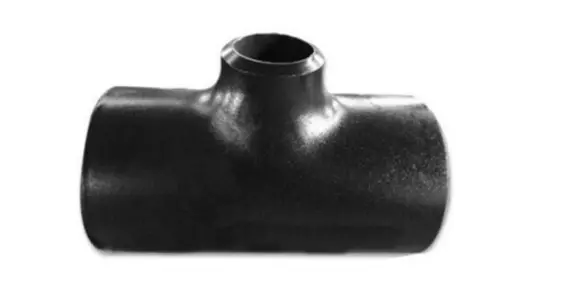
Understanding CS Pipe Tee: Types and Specifications
Carbon steel pipe bends are important parts of modern industrial plumbing systems because they allow fluid flow to change directions while keeping the system's pressure stable. These T-shaped fittings have three openings that can be used to make branch connections. This lets workers effectively split or join flow lines in complicated pipeline networks.
Definition and Core Functionality
A pipe tee fitting functions as a connector that goes between two lines and lets fluid, gas, or power run in a different way. The unique T-shape has three openings: one on each side and one branch that sticks out straight, which allows for a variety of connections. It is important to note that CS Pipe Tee valves are made of carbon steel because it is strong and affordable, making it perfect for harsh industrial settings.
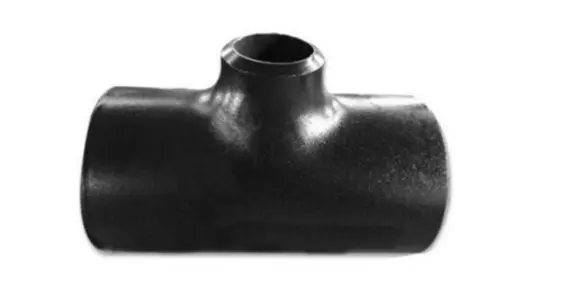
Carbon content and functional qualities are the main things that set carbon steel tees apart from mild steel tees. Compared to mild steel options, carbon steel tees have higher carbon rates, usually between 0.30% and 2.0%. This makes them stronger and lasts longer. This change in makeup has a direct effect on how well the material works in high-temperature and high-pressure situations.
Principal Types and Configurations
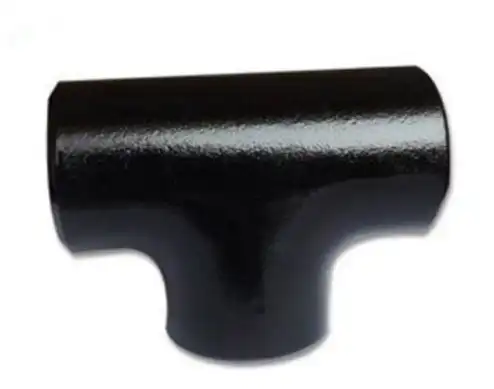
In industrial settings, there are two main types of tee setups, and each one meets different working needs. Equal tees, which are also called straight tees, have the same width in all three holes. This makes them perfect for situations where the flow needs to be spread out evenly. These fittings are often found in main distribution lines where keeping the pressure the same across all branches is very important.
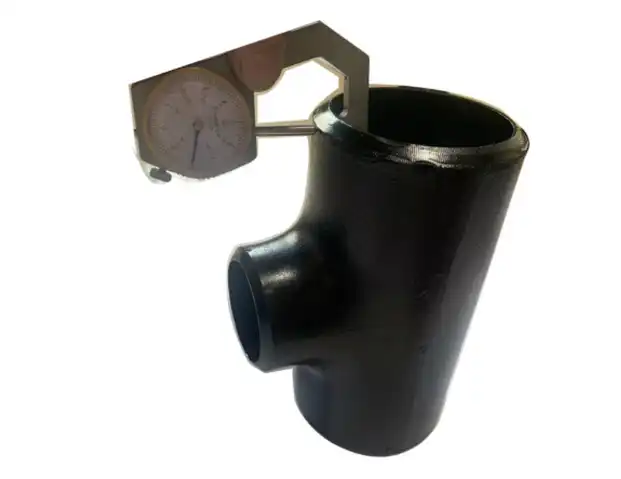
Reducing the number of tees with holes of different diameters. Usually, they have two openings that are the same size and one that is smaller. When connecting smaller branch lines to main distribution systems, this setup is useful because it lets you handle flow well without having to use extra reducer fittings. There are different ways to make things, like using the seamless or welded building method. Each has its own benefits, based on the pressure needs and budget.
Dimensional Standards and Material Properties
Following international measurement standards makes sure that things fit and work well in a wide range of industry settings. The ASME B16.9 standard has a lot of information about wrought steel butt-welding fittings, like thorough size charts for pipe sizes ranging from 1/2 inch to 48 inches. Wall thickness categories are based on schedule numbers that go from Schedule 10 to Schedule 160. Each category is made for a certain pressure grade.
Important chemical makeup factors include a carbon content of 0.25% to 0.30%, a manganese content of up to 1.35%, and a phosphorus content of no more than 0.035%. These standards make sure that the material can be welded properly while still meeting the requirements for mechanical power. The minimum tensile strength is usually 60,000 PSI, and the minimum yield strength is 35,000 PSI. These mechanical qualities make the material effective in harsh working conditions.
CS Pipe Tee vs. Alternatives: Material and Performance Comparison
A full understanding of the performance qualities of different metallurgical choices is needed to choose the right materials for pipe tees. Material choice has a big effect on how long a system lasts, how much upkeep it needs, and how much it costs to run over the installation's lifetime.
Material Performance Analysis
Because they are so strong for how much they cost, carbon steel tees are the best choice for most commercial uses. Depending on the schedule classification, the normal working temperature range is from -20°F to 650°F, and the maximum pressure can reach 3000 PSI. In harsh settings, though, protective coatings or cathodic protection systems are needed because of the limited rust resistance.
In chemical processing uses, stainless steel options are better at resisting corrosion and last longer. CS Pipe Tee made of Grade 316L stainless steel can resist temperatures up to 1500°F and still have great mechanical qualities. The higher original cost is supported by the fact that it needs less upkeep and lasts longer in environments that are corrosive.
Alloy steel t-shirts are better at what they're supposed to do than carbon steel or stainless steel ones. Chromium-molybdenum metals are more resistant to high temperatures (up to 1100°F) and don't cost too much. These materials are especially useful in industrial and power generation settings where high temperatures are too much for carbon steel.
Functional Distinctions from Pipe Elbows
Even though both tees and elbows change the flow in pipe systems, they are used for very different things. Pipe bends change the direction of flow along a single line, usually by 45° or 90° angles. Tees join branches, which lets flow to go in different ways or be collected at the same time.
There are also different installation issues for each type of fitting. Flow turbulence and pressure drop estimates need to be done for elbows, especially when high speeds are being used. When installing a CS Pipe Tee, it's important to pay close attention to branch flow balance and possible stress concentration points where branches meet.
Real-World Performance Comparisons
A recent case study in a petroleum plant showed that carbon steel tees are a cost-effective way to process crude oil. Over the course of five years of use, carbon steel parts that were properly covered showed very little wear and tear while keeping the system 99.8% available. The cost of the materials at first was about 40% less than options made of stainless steel, and protected coating systems only added 15% to the total cost of installation.
On the other hand, a chemical processing company that used strong acid solutions found that stainless steel tees could last 25 years with little upkeep. At first, the prices were 300% higher than alternatives made of carbon steel, but a lifetime cost study showed that the total costs would be 35% lower because of less replacement and upkeep work.
How to Select the Right CS Pipe Tee for Your Application?
To choose the right pipe tee, you need to carefully look at a lot of technical and practical factors. Procurement experts can find the best mix between performance, cost, and reliability by understanding what the system needs.
Critical System Requirements Assessment
The main decision factor is system pressure, which has a direct effect on the required wall thickness and material grade. When the operating pressure is less than 600 PSI, Schedule 40 fittings are usually fine, but when the operating pressure is more than 1500 PSI, Schedule 80 or stronger wall grades are needed. When you figure out a pressure rise, you have to take into account both water hammer and thermal expansion forces.
The temperature of the CS Pipe Tee is important in more than just steady-state working situations. When you start up and shut down your computer, you cause patterns of heat stress that can be higher than what is normally allowed. Carbon steel tees work effectively up to 650°F, but they need to be rated lower for use at higher temperatures. Applications that change temperatures need wear analysis to keep them from breaking down too soon.
The evaluation of fluid compatibility includes checking for chemical reaction, corrosion potential, and erosion traits. Carbon steel materials usually work with hydrocarbon services, but solutions that are acidic or caustic might need better metalworking or safe coating systems. When using slurry or high-velocity gases, figuring out the erosion rate is very important.
Standards Compliance and Quality Assurance
Following manufacturing standards makes sure that all providers provide the same level of quality and performance. ASME B16.9 lists the sizes and tolerances that must be met, and ASTM A234 lists the materials that must be used to make carbon steel fittings. Quality management systems that are approved to ISO 9001 standards show that a provider is dedicated to using consistent production methods.
Material tracking paperwork for CS Pipe Tee lets you verify the chemistry make-up and mechanical properties. Mill test papers for CS Pipe Tee should have a heat number so that they can be linked to specific lots of material throughout the supply chain. For critical service applications, radiographic inspection may be part of the non-destructive testing standards.
Installation and Maintenance Considerations
Using the right installation methods has a big effect on how well and how reliably something works in the long run. Butt-welding must follow the qualified welding process specs, including the right way to heat the material before and after the weld, if needed. For branch reinforcement estimates, high-stress connections may need more material.
Here are the most important upkeep tasks that will ensure peak performance:
• Visual checks every three months in important uses to look for signs of corrosion, cracks, or mechanical damage
• Ultrasonic thickness monitoring at set times to see how wall loss is progressing and plan replacement activities
• Stress analysis during big system changes to make sure the structure stays strong under new working conditions
• Maintenance of protective coatings, such as touch-up processes and full recoating plans based on exposure to the environment
While maximizing working uptime, these maintenance procedures help keep things from breaking down without warning. Using predictive maintenance methods lets you make decisions about when to repair things and when to upgrade systems based on data.
Industry Trends and Innovations in CS Pipe Tee Manufacturing
New developments in manufacturing technology are constantly changing the pipe fitting business, leading to better quality, economy, and environmental friendliness. Knowing about these trends helps you make smart decisions about what to buy and how to plan strategically for future projects.
Advanced Manufacturing Technologies
Hot forming has changed a lot over the years. Now, computer-controlled heating devices make sure that the temperature is the same all over the forming process. These improvements cut down on wasteful materials and make sure that measurements are the same from one production run to the next. With seamless forming, there are no welded seams, so the pressure levels are higher and there are fewer places where something could break.
New ideas in quality control include laser-based automatic systems for checking the sizes of things. When compared to traditional human methods, these systems make measurements that are accurate to within ±0.001 inches while cutting review time by a huge amount. Real-time process tracking lets manufacturing variations be fixed right away, which makes the general consistency of the result better.
Regulatory Evolution and Standards Updates
New changes to the ASME B31.3 process piping rules address new safety issues and include lessons learned from accidents in the industry. Better knowledge of how weak materials break has led to stricter standards for impact testing in low-temperature settings. Digital tracking of materials throughout the manufacturing process is now part of the documentation that is needed.
Environmental laws are having a bigger effect on how things are made and what materials are used. Specifications for reduced sulfur content limit the amount of pollution that steel production releases into the air, and standards for recycled material encourage environmentally friendly manufacturing methods. These changes to the rules make chances for suppliers who invest in manufacturing facilities that are in line with the rules.
Digital Transformation Impact
Digital buying tools make the process of shopping easier and more transparent about what suppliers can do and how much they charge. Electronic library systems make it easy to compare specifications quickly and check for compliance automatically. Integration with business resource planning tools makes it easier to handle inventory and process orders.
The rise of blockchain technology offers better tracking of goods and protection against fakes. Digital certificates make it impossible to change records of material properties and production methods. This lowers the risk of bad parts getting into the supply chain.
Trusted Procurement: Where and How to Buy CS Pipe Tee?
To make procurement plans work, you need to find suppliers you can trust to always bring high-quality goods on time and within budget, including CS Pipe Tee. Building strong ties with suppliers gives you a competitive edge by giving you better prices and faster scheduling during times of high demand.
Supplier Evaluation Criteria
Assessing a supplier's ability to make something is the first step in choosing one. When production capacity goes over 16,000 tons per year, it means that the company is big enough to handle the needs of large projects while still meeting delivery dates. Using high-tech production tools like automatic forming and cutting systems shows that you care about quality and speed.
The review of a supplier's certification collection shows how committed they are to quality management and following the rules. ISO 9001 quality management certification guarantees consistent production methods, and specialty equipment manufacturing licenses show that you follow the rules in important markets. Third-party quality tests are an independent way to check that a company can make something.
Here are the key factors that distinguish reliable CS Pipe Tee suppliers:
• Full testing facilities with the ability to do chemistry analysis, mechanical testing, and non-destructive examination
• Set up quality management systems with written steps for checking materials and making sure processes work.
• Proven experience exporting to a range of foreign markets with a wide range of rules and regulations
• Technical help teams that are quick to respond and can handle questions related to applications and special needs
These skills make sure that suppliers can meet the strict requirements of the project while also offering ongoing expert help during the whole procurement process. Strong relationships with suppliers allow for aggressive problem-solving and efforts to keep getting better.
Global Market Dynamics
International providers give you access to specific production skills and prices that are affordable. Asian companies have put a lot of money into building modern factories, which has helped them cut costs while keeping quality standards high. European suppliers are often the best at making custom parts and alloys with unique properties.
Logistics issues are becoming more and more important in plans for global sourcing. Depending on the route and how busy the port is, ocean freight lead times are usually between 4 and 8 weeks. When you need something quickly, air freight choices can get it to you faster, but they may cost more than 400% more than ocean transport.
Negotiation Strategies and Best Practices
Discounts of 10 to 25 percent are common for annual purchase deals, which unlock big price breaks when you commit to buying a lot of something. Flexible delivery schedules let providers make the most of their production runs and save buyers money at the same time. For sellers who don't have a lot of cash on hand, negotiating payment terms can help them get even better deals on costs.
Making technical specifications clear helps avoid confusion and delivery delays that cost a lot of money. Clear acceptance standards are set by detailed drawings and material specs that get rid of any doubt. Before the contract is carried out, the change order methods should discuss the prices and schedule effects of the changes.
Conclusion
When choosing carbon steel pipe tees strategically, you have to think about a lot of technical, economic, and practical factors. Knowing the differences between equal and reducing tees, the effects on material properties, and production standards helps you make smart purchasing choices that keep costs low and system performance high. As industries move toward digital sites for buying things and better quality control systems, buyers can get better goods and services from sellers around the world. To buy CS Pipe Tees successfully, you need to build relationships with qualified makers who can consistently provide high-quality products, on-time delivery, and helpful technical support.
FAQ
What standards should CS pipe tees comply with for industrial applications?
For size requirements, CS Pipe Tee fittings should meet ASME B16.9, and for material requirements, they should meet ASTM A234. Some other certifications that might be needed are ISO 9001 quality management systems and pressure equipment guidelines for certain area markets. These standards make sure that quality and performance are the same for all providers and users.
How do I determine the appropriate wall thickness for high-pressure applications?
The choice of wall thickness is based on the working pressure, temperature, and safety factors outlined in the relevant piping rules. Based on these factors, ASME B31.3 gives ways to figure out the minimum wall thickness. Pressures greater than 1500 PSI are usually handled by classifications 80 or higher, while Schedule 40 is enough for normal pressure uses.
Can carbon steel tees be customized for specific project requirements?
Reliable makers give customization services that include non-standard sizes, special grades of materials, and stricter testing standards. Lead times and minimum order numbers are usually longer for custom manufacturing. For custom uses, technical drawings and precise specs make sure that the right parts are made and that the quality is controlled.
What is the typical delivery timeline for bulk CS pipe tee orders?
Standard carbon steel tees are delivered in two to four weeks from suppliers in the United States and six to ten weeks from sellers in other countries. Custom requirements may add two to four weeks to the lead time. For pressing needs, there are choices for faster delivery, but rush orders usually come with higher prices.
Partner with Oudi for Your CS Pipe Tee Requirements
Oudi has been making high-quality carbon steel pipe fittings since 1998. Our wide range of products has helped over 300 customers in 40 countries. Our ISO 9001-certified factory makes 16,000 tons of steel every year, so it will always be available for your project. As a reliable CS Pipe Tee maker, we make sure that all of our products meet the dimensions required by ANSI, JIS, DIN, and BS standards, and our prices are very reasonable. During the procurement process, our skilled engineering team can help you with unique specs and give you advice on how to use our products. Email us at oudi-04@oudiguandao.com to talk about your unique needs and get detailed quotes for your future projects. Experience the quality and dependability that have made Oudi a world-famous provider of industrial plumbing systems.
References
1. American Society of Mechanical Engineers. "ASME B16.9: Factory-Made Wrought Buttwelding Fittings." ASME International, 2018.
2. ASTM International. "ASTM A234: Standard Specification for Piped Fittings of Wrought Carbon Steel and Alloy Steel for Moderate and High Temperature Service." Annual Book of ASTM Standards, 2019.
3. Smith, John R., and Williams, Michael P. "Material Selection Guidelines for Industrial Piping Systems." Journal of Pressure Vessel Technology, vol. 142, no. 3, 2020.
4. International Organization for Standardization. "ISO 9001:2015 Quality Management Systems Requirements." ISO Publications, 2015.
5. Thompson, Sarah L. "Corrosion Resistance Comparison of Carbon and Stainless Steel Pipe Fittings in Industrial Applications." Materials Performance Magazine, vol. 59, no. 8, 2020.
6. Rodriguez, Carlos M. "Digital Transformation in Industrial Procurement: Trends and Best Practices." Supply Chain Management Review, vol. 24, no. 4, 2020.

Need help finding the right solution with our experts. Please contact us.

SINCE 1998 Your Reliable Pipeline Manufacturer



