Can carbon steel pipe caps be customized?
Absolutely, CS Pipe Cap components can be extensively customized to meet specific industrial requirements across various sectors. Modern manufacturing capabilities enable modifications in dimensions, wall thickness, connection types, material grades, and surface treatments. These customization options ensure optimal performance in demanding applications ranging from high-pressure petroleum systems to chemical processing facilities. The ability to tailor carbon steel pipe caps according to unique project specifications has become essential for procurement managers seeking reliable, cost-effective solutions that align with international standards and operational demands.
What Are Carbon Steel Pipe Caps and Why Customize Them?
Carbon steel pipe caps are important closing parts that keep pipeline ends from getting contaminated and maintain the integrity of the system in many industrial settings. These parts usually meet material standards like ASTM A234 WPB, which means they have great mechanical qualities that make them ideal for high-pressure situations. Standard setups come in a range of sizes, from 1/2 inch to 48 inches in diameter, and there are different wall thickness choices that match schedule grades.
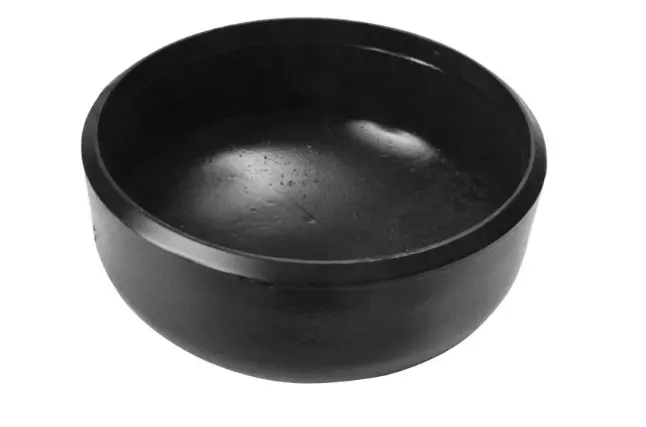
Standard Applications and Technical Specifications
Caps made of carbon steel are used to close pipelines permanently or temporarily in oil factories, chemical plants, water treatment systems, and power plants. The makeup of the material usually has a maximum carbon content of 0.30%. This makes sure that it can be welded well while still being strong. Temperature ratings for these valves usually range from -29°C to 427°C, which makes them useful in a wide range of situations.
Hot forming or machining from solid bar stock is used in the manufacturing process, based on the size and number needed. Surface finishes include black oxide coats and specialized anti-corrosion processes that make things last longer in harsh conditions. Butt weld ends, threaded configurations, and socket weld designs are all types of connections. Each has its own fitting benefits.
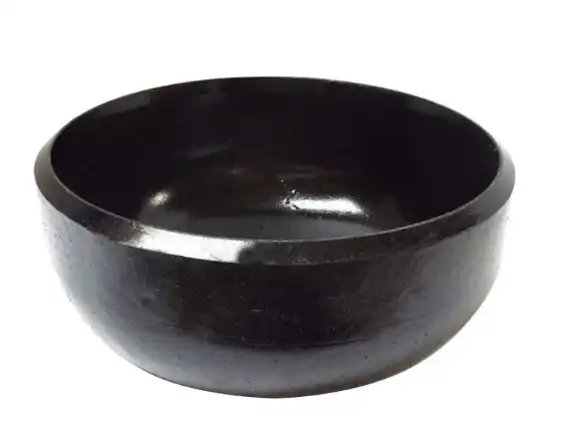
Benefits of Customization in Industrial Applications
Customization solves problems that are unique to a project that standard parts can't handle well. Tailored solutions are often needed because of non-standard pipe sizes, irregular shapes, and unique material needs. Specialized metal additions or coating treatments that make something more resistant to corrosion greatly increase its useful life in harsh chemical settings.
Changes to the dimensions allow for exact fitting in setups with limited room, and custom wall thickness specs improve pressure ratings for certain uses. To make sure that strict quality standards are met, factory processes can include extra testing needs like ultrasonic inspection or X-ray examination. These changes make sure that the new system works with the old one and stays in line with regulations in all foreign markets.
Types and Design Standards of Carbon Steel Pipe Caps
To make good buying choices, you need to know about the different configurations and standards that apply. To make sure that quality is uniform and parts can be swapped out across global supply chains, international standards set the limits for tolerances in manufacturing, the features of materials, and the tests that must be done.
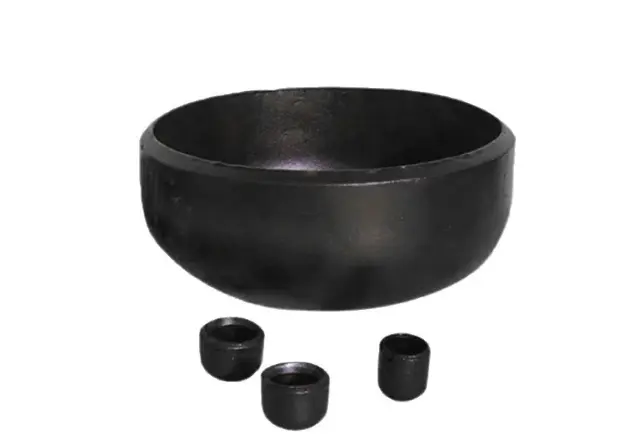
Classification by Connection Type
CS Pipe Cap uses butt-weld pipe caps, which work well with welded pipe systems and are the most popular design. The ends of these parts are beveled at certain angles, usually 30 degrees, which makes it easier to weld and keeps the joint strong. Socket weld types make installation easier for smaller diameter uses, and threaded caps make closures removable for easy access to servicing areas.
Flanged designs work for devices that need to be taken apart or inspected often. There are different types of custom flange facing, such as raised face, flat face, and RTJ designs, each of which is best for a certain sealing need and pressure rating. Depending on the needs of the process, special setups may include heating elements, ways to release pressure, or connections for instruments.
International Standards and Compliance Requirements
The ASME B16.9 standard sets the measurements for butt weld fittings, making sure that they can be used by all makers and in all situations. ASTM A234 sets guidelines for mechanical properties, chemical composition, and material needs for carbon steel parts. API standards cover the needs of the oil and gas business, while AWWA standards cover the needs of water utilities.
Design pressure rates are based on ASME B31 piping rules, and for flanged designs, the range is from 150# to 2500#. To make sure that standards are being met, quality control methods require hydrostatic testing, dimensional verification, and material approval. These rules make sure that a wide range of industries can depend on their products to work properly and be accepted by regulators.
The Customization Process for Carbon Steel Pipe Caps
For customization to work well, buying teams and manufacturing partners must work together in a planned way to get the best results. This all-around method makes sure that technical needs match up with operating needs while keeping costs low and delivery dates on track.
Initial Requirements Assessment and Engineering Consultation
The process of customization starts with creating thorough specifications that include size standards, pressure ratings, temperature limits, and environmental factors. Engineering teams look at the details of an application to suggest the best material grades, link types, and ways to make the product. During this collaborative phase, possible design problems are found early on, which lets people come up with proactive ideas that keep expensive changes from having to be made during production.
When choosing a material, more than just the basic types of carbon steel are taken into account. For example, better corrosion protection, better mechanical qualities, or specific testing needs are all taken into account. Environmental conditions such as hydrogen service, low-temperature applications, or cyclic loading influence material recommendations and heat treatment specifications.
Manufacturing Methods and Quality Assurance
Different production methods are used depending on the size, amount, and needs. For bigger sizes and standard shapes, hot forming works best, while machining from solid stock lets you precisely control the dimensions for unique uses. For high-pressure uses, forging gives the grain structure and mechanical qualities that are better.
Quality control methods include checking the raw materials, inspecting the work in progress, and testing the finished product. Ultrasonic testing, magnetic particle inspection, and radiography examination, when needed, are all examples of non-destructive examination methods. Verification of dimensions makes sure that the plan standards are met, and pressure testing makes sure that the structure is solid. These thorough quality measures make sure that performance is effective and that regulations are followed.
Comparing Carbon Steel Pipe Caps with Other Materials and Types
The choice of material has a big effect on how well something works, how much it costs, and how long it lasts in different situations. Knowing the pros and cons of different CS Pipe Cap choices compared to other materials helps you make smart purchasing decisions that improve the results of your project.
Performance Characteristics and Cost Analysis
Carbon steel has a great strength-to-weight ratio and has been used reliably in moderate-temperature situations for a long time. When compared to thermoplastic alternatives, wall thickness standards usually stay cheaper. This lowers the cost of materials and makes fitting easier. Welding compatibility with carbon steel pipe systems gets rid of problems caused by different materials and makes the manufacturing process easier.
The corrosion protection of options made of stainless steel is better, but the cost of the materials is much higher. When used for large diameters, where the amount of material used has a big effect on the total cost of the job, carbon steel's economic benefits become clear. Protective coating systems can make carbon steel more resistant to rust while keeping the material's lower cost compared to premium metal options.
Application-Specific Material Selection Guidelines
Chemical compatibility plays a role in choosing materials for use in the process business. Carbon steel works well in environments that are high in hydrocarbons and many liquids, but it needs to be protected in environments that are acidic or very toxic. Temperature limits usually stop carbon steel from being used below 427°C; above that, special steels are needed.
When it comes to maintenance, carbon steel is better for uses that need to be replaced or changed on a regular basis. When compared to specialized alloy systems, standard welding processes and easily accessible replacement materials simplify upkeep tasks. In everyday workplace settings, these useful benefits usually outweigh the benefits of high-quality materials.
Procurement Insights: Buying Customized Carbon Steel Pipe Caps
Strategic methods for buying get the best value for money while also ensuring quality and on-time delivery. To do good sourcing, you need to know about the skills, pricing, and quality processes of your suppliers that can meet your needs for customization.
Supplier Evaluation and Selection Criteria
Manufacturers who are qualified show that they have ISO 9001 certification, licenses to make special tools, and a history of exporting to places around the world. With today's advanced production tools, quality and size accuracy can be maintained across all custom requirements. A lot of value is added to buying partnerships by having technical experts in areas like engineering, help, and design optimization.
CS Pipe Cap can meet project deadlines without lowering quality standards, which means thinking about their production ability. Able to produce more than 16,000 tons per year shows a strong industrial system that can handle big projects. The property's closeness to major ports makes operations easier and lowers the cost of shipping for foreign buyers.
Pricing Strategies and Lead Time Management
The price of customization depends on how complicated it is, how many items you need, and your unique needs. Standard changes, like changing the size, usually don't cost much more than standard setups. Specialized tests, rare materials, or one-of-a-kind design features make products cost more, but they are necessary for demanding uses because they improve performance.
Lead times depend on how complicated the design is and how schedules work for production. Simple changes might take an extra two to three weeks on top of the normal shipping times, while thorough engineering and testing could make the wait time eight to twelve weeks. Including suppliers early on in the planning process allows for accurate scheduling and planning that leads to a successful project.
Conclusion
Carbon steel pipe caps can be changed in a lot of ways to meet the needs of different industries around the world. CS Pipe Cap solutions are appealing to procurement managers looking for solid pipeline closure choices because they are made of materials that have been shown to work well, are cost-effective, and can be made in a variety of ways. For customization to work, you need to work together with approved makers who have the right certifications, technical know-how, and production skills. Knowing the rules for design, the features of materials, and the steps for customization helps you make smart choices that improve project results while still following the rules and making sure the system works well.
FAQ
What customization options are available for carbon steel pipe caps?
Customization includes changing the size, changing the width of the walls, choosing the type of link, upgrading the material grade, and meeting specific testing needs. You can also change the writing requirements, surface treatments, and coatings based on the needs of the project.
How long does custom manufacturing typically take?
Lead times vary from 4 to 12 weeks, based on how complicated the design is, how many are needed, and how busy the factory is right now. Standard shipping times are pushed back by two to three weeks for simple changes, and times may be pushed back even further for complex engineering needs.
What quality certifications should I expect from suppliers?
Manufacturers with a good reputation have ISO 9001 quality management certification, licenses to make special tools, and documents that test materials. If the project requirements call for it, third-party inspection services can provide extra proof.
Are there minimum order quantities for custom pipe caps?
Minimum numbers depend on the source and how complicated the customization is. Standard changes may be able to handle smaller orders, but custom tools or a lot of technical work usually need bigger orders to cover the costs of development.
Partner with Oudi for Superior CS Pipe Cap Solutions
For over 25 years, Oudi has been making high-quality products and exporting them all over the world. They can help you with your customization projects. Our factory, which is ISO 9001 approved, makes 16,000 tons of CS Pipe Cap every year for over 300 buyers in over 40 countries. Modern production tools and thorough quality control methods make sure that ANSI, JIS, DIN, and BS standards are always met. Contact our engineering team at oudi-04@oudiguandao.com to talk about your specific needs and find out why top companies trust Oudi as their CS Pipe Cap source for important pipeline uses.
References
1. American Society of Mechanical Engineers. ASME B16.9: Factory-Made Wrought Buttwelding Fittings. New York: ASME Press, 2018.
2. ASTM International. ASTM A234/A234M: Standard Specification for Piping Fittings of Wrought Carbon Steel and Alloy Steel for Moderate and High Temperature Service. West Conshohocken: ASTM International, 2019.
3. Mohitpour, Moness, Howard Golshan, and Alan Murray. Pipeline Design and Construction: A Practical Approach. 3rd ed. New York: ASME Press, 2007.
4. Nayyar, Mohinder L., ed. Piping Handbook. 8th ed. New York: McGraw-Hill Professional, 2019.
5. Singh, Karan P. and Sorabh Gupta. Industrial Pipeline Engineering and Construction. Delhi: Scientific Publishers, 2017.
6. Watkins, R.K. and Loren R. Anderson. Structural Mechanics of Buried Pipes. Boca Raton: CRC Press, 2000.

Need help finding the right solution with our experts. Please contact us.

SINCE 1998 Your Reliable Pipeline Manufacturer



