High-Pressure Socket Weld Pipe Tee Supplier
When safety and dependability are key to the success of an industrial business, choosing the right high-pressure socket weld pipe tee supplier is a smart choice. In places like factories, chemical plants, and power plants where failure is not an option, these cast fittings are the backbone of important pipe systems. As required by ASME B16.11 standards, socket weld pipe tees have a deep socket design that lets the pipe go in before fillet welding. This makes leak-proof joins that can handle high pressures and temperature changes. For procurement workers in charge of multimillion-dollar projects, knowing the technical specs, available materials, and supplier skills can mean the difference between smooth operations and costly downtime.
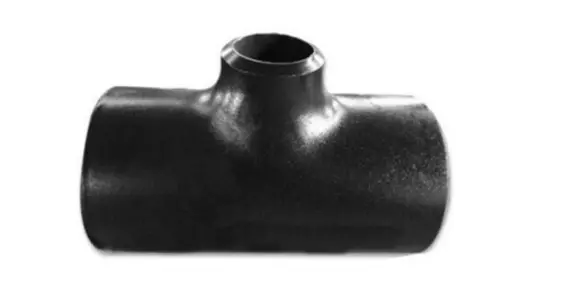
Understanding High-Pressure Socket Weld Pipe Tees
What Defines a Forged Socket Weld Tee?
Forged socket weld pipe tee straight pipe fittings are made by a process called "forging," which forms a continuous grain structure that makes them much stronger than cast options. There is a hole in the socket design where the pipe ends are located before the final fillet welding occurs at the outer diameter. This setup gets rid of the leakage risks that come with threaded connections in places with a lot of vibration and gives small-bore pipe, usually NPS 2 and below, better structural stability. The forging process makes sure that the molecules are very dense, which is why these fittings are necessary for systems that need to move poisonous or flammable fluids without any leaks.
Pressure Ratings and Material Standards
These parts' technical qualities are based on their ability to handle high and low temperatures and pressures. These pressure grades, which come in Class 3000, 6000, and 9000, are exact matches for pipe standards 80/XS, 160, and XXS. Carbon steel that meets ASTM A105, stainless steel grades ASTM A182 F304 and F316, and alloy steel types ASTM A182 F11 and F22 are all common materials. Depending on the conditions of use, each material has its benefits. For example, carbon steel has excellent tensile strength for most uses, while stainless steel is better at resisting rust in harsh chemical environments.
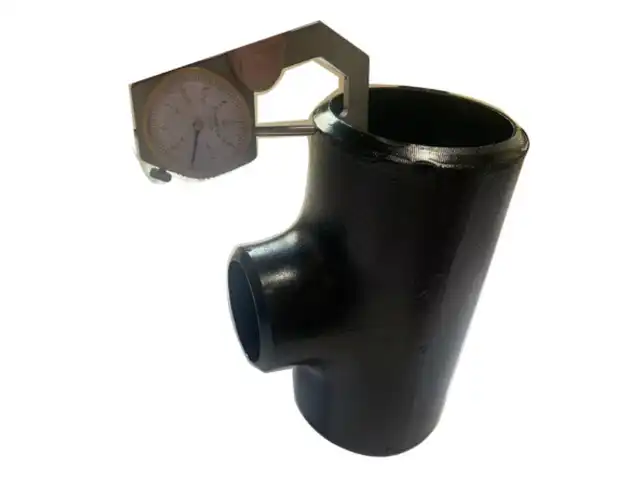
Dimensional Compliance and Standards
ASME B16.11 governs socket depth and wall thickness standards. This makes sure that performance is the same across makers. ASME B1.20.1 provides more information on general alignment requirements. When parts from different sources are added to systems that are already in place, these measurement standards ensure that the parts can be used interchangeably and reliably. Knowing these specs helps buying teams ensure that providers stick to important manufacturing tolerances for system security.
Technical Insights: Installation, Welding & Maintenance
Installation Best Practices
The first step in installing something correctly is to make sure that the pipe ends are cut straight and smooth. The socket aligns the pipe so you don't need tack welding to hold it in place during fitting. This feature cuts down on installation time by a large amount while also making the joints more consistent. To allow for temperature growth during operation, installers should leave a small space between the pipe end and the bottom of the socket. This gap keeps stress from building up, which could weaken the weld when the temperature changes.
Welding Procedures and Quality Control
The fillet weld stops interior weld beads from blocking flow, which happens a lot when small-bore butt welding is used. Welders who are qualified should follow the steps in ASME Section IX and use replacement materials that are the right makeup for the base metal. Different types of materials and thicknesses need different amounts of preheating. For example, carbon steel usually needs to be preheated when the temperature outside drops below 32°F. In some cases, alloy steel may need to be heated after the welding process to remove any remaining stresses and recover the material's properties.
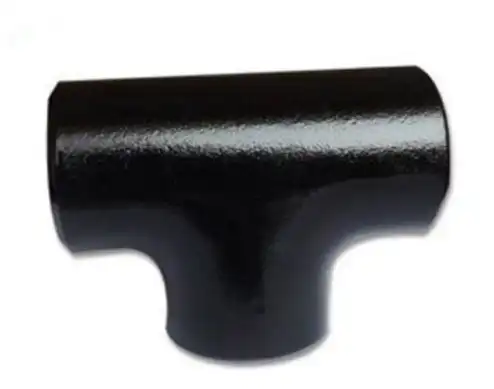
Inspection and Testing Protocols
Radiographic and acoustic tests confirm that the weld goes through and reveal problems below the surface that can't be seen with the naked eye. Before the system goes into service, technicians usually conduct a hydrostatic pressure test at 1.5 times the original pressure. Treatments that stop corrosion, like passivation for stainless steel or protection coatings for carbon steel, make things last longer in tough settings. All test results must be recorded for tracking, an important part of quality assurance and legal compliance.
Comparing Socket Weld Pipe Tees: Making the Right Choice
Connection Method Comparison
When it comes to high-pressure service, socket weld pipe tees are clearly better than other connection ways. Butt weld joints need to be carefully beveled and lined up, which makes them difficult to use in small-bore situations where socket welds work better. Threaded connections aren't structurally strong enough for places with a lot of shaking, and they tend to leak over time because of the effects of thermal cycles. Slip-on flanges make fitting faster, but they don't offer the same level of weld integrity as socket weld pipe tee designs, which use a fillet weld setup.
Material Selection Considerations
When choosing between carbon steel and stainless steel, you have to weigh how resistant they are to rust against how much they cost. Grades F304 and F316 of stainless steel are very resistant to rust and chemical attack. This makes them perfect for working with acidic fluids or near the coast where they will be exposed to salt spray. Carbon steel is about the same mechanical strength as stainless steel, but it costs less. It can be used where corrosion isn't a problem or where protective coats can be applied. The final choice is based on a lifecycle cost study that looks at both the original investment and the maintenance needs over the system's useful life.
Seamless Versus Welded Construction
Seamless cast fittings have a consistent grain structure throughout the part, which makes them forceful and resistant to wear. Forging creates a thick grain flow that makes the metal more resistant to mechanical shock and hydraulic hammer effects, which can cause bonded structures to fail too soon. Even though seamless fittings are pricier, their longer life and lower failure rate often make them worth the money in serious situations where unplanned downtime can cost a lot of money.
Procurement Guide for High-Pressure Socket Weld Pipe Tees
Essential Supplier Qualification Criteria
To find a trustworthy provider, you need to check their manufacturing licenses and quality management system certifications. Getting ISO 9001:2000 approval shows that a seller is dedicated to consistently controlling quality, from buying raw materials to inspecting finished goods. Regulatory officials give special equipment manufacturing licenses to show that the company is following the law and has the technical know-how to make pressure-retaining parts. Production levels should match up with project timelines, and an annual output of 16,000 tons shows that the company is big enough to handle big orders without affecting delivery times.
Advanced production tools and inspection tools set qualified providers apart from average makers. Look for providers who have spectroscopy to assess the quality of the material, ultrasonic testing to find flaws, and measuring tools that are set to meet international standards. These features ensure that goods meet specifications before shipping, which lowers the risk of expensive rejects in the field.
Bulk Ordering and Customization Options
Buying in bulk often gives you better prices and consistent product quality throughout the job. Many providers offer customization services for specific needs that standard lists do not cover, such as special alloy compositions, non-standard sizes, or stricter testing requirements. Setting up clear lines of communication early on in the buying process makes it easier to address technical questions and avoids mistakes that could cause delivery to be held up.
Evaluating Pricing and Lead Times
It's important to find a mix between competitive pricing, quality control, and reliable service. Prices that are too low for no reason could mean that the products or quality control processes aren't up to par, which can lead to system problems or extra work that costs a lot of money. Prices that are fair from well-known sources show that they have put enough money into quality materials, skilled labor, and testing procedures that make sure the products work. Lead times depend on the availability of materials and the plan for production. Standard orders usually ship faster than custom orders that need to get special materials or go through more testing.
Advantages and Applications of High-Pressure Socket Weld Pipe Tees
Core Performance Benefits
Socket-weld pipe tees are essential in tough manufacturing settings because of their structural benefits. Weld integrity stops interior protrusions that could cause turbulence or erosion in fluid streams. This is especially important when working with gritty slurries or gases that contain particles. Less work is needed during installation, and the joints are more consistent across big projects with hundreds or thousands of links when they are easy to align. Mechanical shock and shaking can't damage structural stiffness, but they could damage threaded joints or other connection methods that aren't as strong.
These aspects of success directly lead to gains for operations. Lifecycle costs are lower when upkeep needs are lower because there are fewer unexpected shutdowns for repairs or replacements. Better leak resistance guards workers' safety and environmental standards in places that handle dangerous materials. When something works reliably under temperature cycles, its service life is extended. This protects the investment and lowers the total cost of ownership.
Industry-Specific Applications
When temperatures go above 500°C, socket weld pipe tees are used for steam trap systems and instrument root valves in power plants with high-pressure steam lines. The fittings can handle the pressures of temperature expansion that can break threaded connections. This means that they can keep working even during times of high demand when dependability is critical.
Class 3000 and 6000 socket weld pipe tees are used in oil and gas plant sample systems for lines that carry flammable chemicals. The hermetic closing feature stops fugitive emissions in places where the compressor is close and causes constant shaking. This keeps the workplace safe for workers and meets regulatory requirements.
On offshore platforms, chemical injection skids use socket weld pipe tees made of unusual alloys to send rust inhibitors at pressures higher than 5,000 PSI. The welded, smooth flow path stops the erosion-corrosion that wears away threaded joints. This fixes the washout problem that threatens the safety of the system and makes it less reliable.
Carbon steel socket weld pipe tees are useful for water conservation projects because they keep high-pressure pumping stations reliable, which has a direct effect on the water supply for cities and farms. Because the valves can keep their integrity even when the temperature changes with the seasons, they will work all year without leaking or breaking.
Real-World Performance Validation
Case studies from chemical processing plants show that switching from threaded to socket weld connections cut the number of repair calls by 60% over three years. When refineries replace old threaded systems with forged socket weld pipe tee units designed for higher pressure service, the time between turnarounds is longer. These recorded results show that buying high-quality parts is a good idea for situations where keeping operations running smoothly is important for making money.
Conclusion
To find a good high-pressure socket weld pipe tee provider, you need to carefully look at their technical skills, quality certifications, and output capacity. When threaded or cast options don't work well in difficult situations, the forged construction and socket weld pipe tee design improve performance. When choosing a material from carbon steel, stainless steel, and alloys, consider its use and total cost over its life. Procurement teams have to check the qualifications of suppliers, such as whether they have ISO certification, factory licenses, and the testing tools needed to make sure that the quality of the products is always the same. Understanding the needs for installation, the steps for welding, and the rules for inspections is important for making sure that projects in a wide range of industries go smoothly.
FAQ
What pressure ratings are available for socket weld tees?
Socket weld pipe tees are made with pressure ratings of 3000, 6000, and 9000, which match pipe speeds 80/XS, 160, and XXS, respectively. It depends on the system's design pressure, temperature, and safety factors set by technical standards to choose the right grade. Walls in higher pressure classes are thicker so they can handle higher internal pressures without deforming or breaking.
How do socket weld tees differ from threaded tees?
Socket-weld pipe tees offer better structural stability because they use permanent fillet welds that get rid of the leaking paths that come with threaded connections. Vibration and changes in temperature can loosen threaded assemblies over time, but the bonded joint can handle these things. Socket welds also stop the internal flow blockage that threaded connections cause. This lowers the risk of pressure drops and corrosion in fluid systems.
Which material grade should I specify for corrosive applications?
ASTM A182 F316 types of stainless steel are very good at resisting corrosion in acidic or chloride-containing settings. In marine use, duplex stainless steel is better at resisting stress corrosion cracking. To get the best performance and value for money, consider the harmful agents present, the temperature range, and the required lifespan of the material.
Partner with Oudi for Reliable Socket Weld Pipe Tee Supply
Since 1998, Cangzhou Oudi Pipe Manufacture Co., Ltd. has been serving the industrial market around the world. Each year, they send 16,000 tons of precision-engineered pipe parts to more than 300 users in 40 countries. Our ISO 9001:2000 certification and special equipment manufacturing licensing show that we are dedicated to making sure that every socket weld pipe tee we make is of the highest quality. We use modern detection equipment that meets international testing standards to keep a close eye on quality from the time we check the raw materials until the final review.
Socket weld pipe tees made to ANSI, JIS, DIN, and BS standards are among the many products we offer. They are made from carbon steel, stainless steel, and alloy steel. Our technical team can help you match the right standards with the right practical needs, whether your project needs Class 3000 fittings for use in a factory or special alloy compositions for service in corrosive environments. Email our knowledgeable sales team at oudi-04@oudiguandao.com to talk about your socket weld pipe tee supplier needs and get a full quote for your next job.
References
1. American Society of Mechanical Engineers. (2016). ASME B16.11: Forged Fittings, Socket-Welding, and Threaded. New York: ASME Press.
2. Davis, J.R. (2006). Corrosion of Weldments. Materials Park, Ohio: ASM International.
3. Nayyar, M.L. (2000). Piping Handbook, Seventh Edition. New York: McGraw-Hill Professional.
4. Parisher, R.A. & Rhea, R.A. (2012). Pipe Drafting and Design, Third Edition. Burlington, Massachusetts: Gulf Professional Publishing.
5. Summers-Smith, D. (1997). Mechanical Seal Practice for Improved Performance. London: Professional Engineering Publishing.
6. Zaidi, S.H. (2018). Industrial Piping Systems: A Practical Guide to Material Selection, Design, and Installation. Houston: Gulf Publishing Company.

Need help finding the right solution with our experts. Please contact us.

SINCE 1998 Your Reliable Pipeline Manufacturer



