Which Factories Supply Top Corrosion-Resistant Carbon Steel Elbows?
When looking for industrial pipe parts for harsh settings, it's important to find companies that make high-quality Corrosion-resistant carbon steel elbow products. Based on research into the industry and buying habits, there are a few companies that stand out around the world. These include specialized makers in China's Hebei province, especially those that have been in business since the late 1990s and have a history of exporting. Cangzhou Oudi Pipe Manufacture Co., Ltd. has a good name and serves over 300 customers in 40 countries, making 16,000 tons of pipes every year. They have full ISO 9001 certification and special equipment manufacturing licenses that procurement teams need to find reliable suppliers for important infrastructure projects.
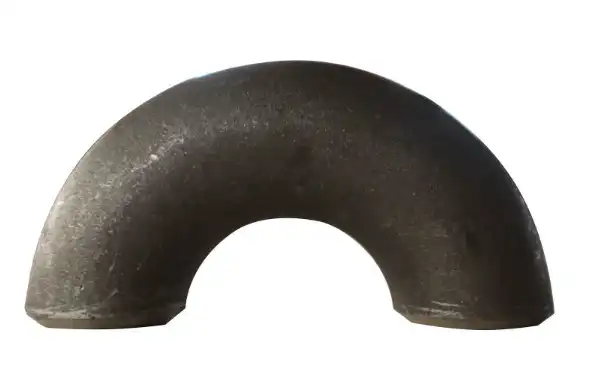
Understanding Corrosion-Resistant Carbon Steel Elbows
In industrial plumbing systems, Corrosion-resistant carbon steel elbows change the direction of flow so that fluids or gases can get around corners and other tricky routing situations. Most of these parts are made using hot forming techniques, such as hot pushing and heat bending, which shape the material while keeping its structural integrity. The finished products join pipeline pieces at different angles, mostly 45 degrees and 90 degrees, so they can be installed in a wide range of industrial settings.
Material Grades and Specifications
Corrosion-resistant carbon steel elbows work differently depending on the type of material used and the standards for making. ASTM A234 WPB is the most common grade for moderate-temperature work because it has a good mix of strength and weldability. This type of material has controlled amounts of carbon, manganese, phosphorus, and sulfur, all of which help it prevent corrosion when treated correctly. ASTM A420 WPL6 is often used in cold climates because it stays flexible at lower temperatures and has the same level of corrosion protection thanks to its improved metallurgical structure.
The manufacturing standards depend on the market you're trying to reach. For example, ANSI, JIS, DIN, and BS specs spell out limits for size, pressure ratings, and testing procedures. These international standards help make sure that projects that involve more than one country work together and make it easier to check the quality of goods and services before they are bought.
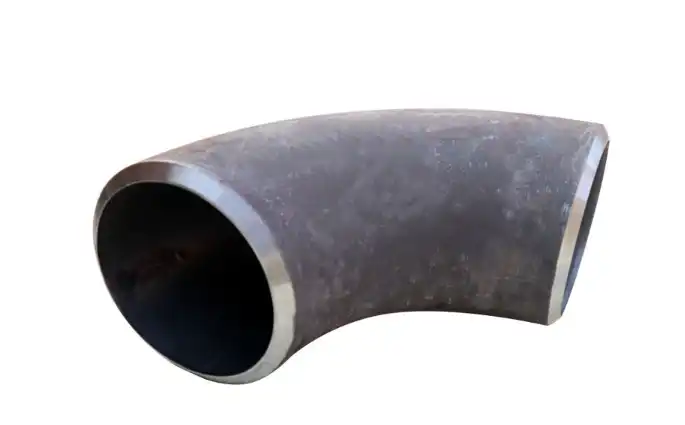
Primary Application Environments
Water treatment plants use a lot of Corrosion-resistant carbon steel elbows in their pipeline networks because the treated water needs to be able to handle chemical additives and be exposed to water. When protective coatings or the right alloys are added to a material that is naturally resistant to aqueous corrosion, it can keep its structure for decades of continued use. In the same way, chemical processing plants rely on these fittings to move aggressive media through complicated pipe systems that often change directions in small areas.
As another important area of use, oil and gas infrastructure includes ocean platforms, pipelines, and distribution networks. These places need elbows that can handle not only corrosive hydrocarbon compounds but also sea and air conditions. These parts are used in cooling systems, boiler feed lines, and steam distribution networks in power plants. The changing temperatures and chemistry of the water make these areas tough to work in, so they need to be very resistant to rust.
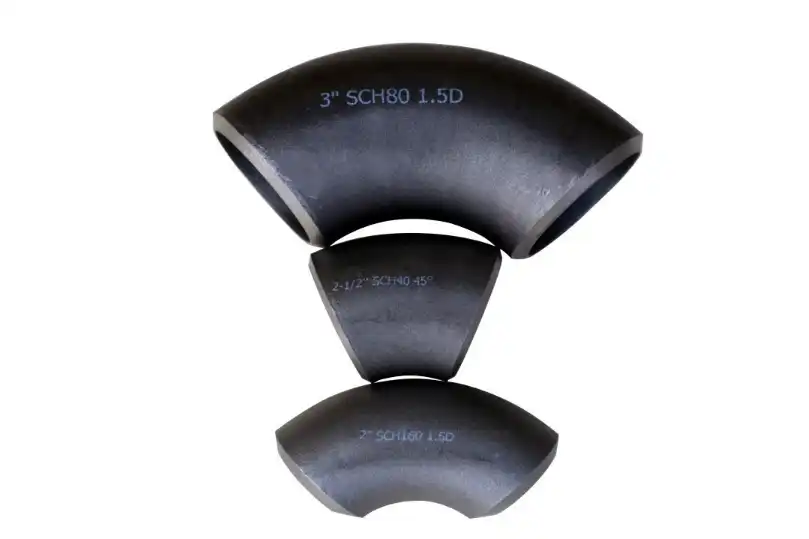
Top Factories and Manufacturers of Corrosion-Resistant Carbon Steel Elbows
For Corrosion-resistant carbon steel elbow products, the global supply scene includes specialized makers in several countries, each with its own set of skills that can help with industrial buying choices. Leading providers are different from commodity makers because they are closer to the sources of their raw materials, have built up technical knowledge over many years, and have invested in infrastructure for quality control.
Cangzhou Oudi Pipe Manufacture Co., Ltd.
Our building was built in 1998 in Mengcun Hui Autonomous County, which is known all over China as the "fitting capital." It covers 66,600 square meters and is located 120 kilometers from Tianjin Port. We've built long-term ties with procurement teams in Europe, the United States, Africa, Southeast Asia, and the Middle East that need reliable supply lines, and this site makes it easy to get to those areas. Our factory can make up to 16,000 tons of carbon steel, stainless steel, and alloy steel each year, meeting American, Japanese, German, and British standards.
Our way of making things is different because we handle quality all the way through, from accepting raw materials to inspecting finished goods. We've had ISO 9001:2000 approval since the beginning of our business, and we also have a People's Republic of China Special Equipment Manufacturing License, which proves that we have the technical skills to do important jobs. Our lab keeps up-to-date high-tech tools for finding flaws. For every batch of products we make, we do full checks and nondestructive flaw detection to make sure the dimensions are correct and the material is solid.
International Manufacturing Leaders
European companies that make Corrosion-resistant carbon steel elbows use their long history of precise engineering. Their factories in Germany and Italy have very controlled work conditions and strict paperwork rules. Most of the time, these sellers work on high-stakes projects where traceability and material certification are closely looked at during the buying process. Compared to Asian manufacturers, they still don't make as much, but their expertise and ability to make prototypes quickly make them useful for complex engineering tasks.
North American factories focus on supporting domestic infrastructure projects and specific industry uses. They do this by keeping supply lines short for customers who prefer to buy from local businesses. Most of the time, these companies focus on alloy steel and stainless steel grades instead of carbon steel. However, some of them still make carbon steel products for the water treatment and power generation markets. Certification that meets ASME and ASTM standards is a key skill that makes it easy to integrate into projects that were designed and built in the United States.
Comparing Corrosion-Resistant Carbon Steel Elbows by Factory and Material
Choosing the right materials has a big effect on how well something works in the long run and how much it costs to own in a variety of commercial settings. In many situations, Corrosion-resistant carbon steel elbows are the best option. However, there are times when other materials are better.
Carbon Steel Versus Alternative Materials
Because they are made of chromium, stainless steel elbows naturally fight corrosion better than other materials. In many situations, they don't even need protective coatings. This benefit comes at a much higher cost of materials—usually three to five times the price of carbon steel—and a slightly more complicated assembly requirement. This extra cost is worth it for projects that need to be very clean or use highly corrosive materials. This is especially true in pharmacy, food processing, and offshore settings where upkeep access is limited, and durability is key.
Some types of alloy steel that contain molybdenum, chromium, or nickel improve certain performance traits while still being cheaper than stainless steel. These materials are between carbon steel and stainless steel. Depending on the alloy makeup, they offer better protection against high temperatures, strength, or corrosion. When high temperatures, extreme pressures, or relatively corrosive conditions make carbon steel inadequate but stainless steel too specific, purchasing choices that favor alloy steel are usually made.
Galvanized Corrosion-resistant carbon steel elbow products have zinc coatings that act as a sacrificial protection. These coatings work especially well in settings with water and air contact. The method of galvanizing adds a modest cost—about 20–30% more than using bare carbon steel—but in the right conditions, it greatly increases the service life. Galvanized fittings are often used in water distribution systems and outdoor pipe installs because they are a cost-effective way to stop rust.
Certification Standards and Quality Assurance
For trusted providers, ISO 9001 certification is the basic quality management system standard. It sets out written steps for controlling the design, making sure the process works, inspecting, and taking corrective action. This approval doesn't ensure the quality of the product by itself, but it does show that the company is committed to uniform processes that reduce variation and errors. When audit results are ready, procurement teams should check that certificates are still valid and look over them to see how well the implementation goes beyond just having a certificate.
National regulatory bodies that give out special equipment manufacturing licenses show that a company is able to make parts for pressure tanks, boilers, and other uses where failure could have effects that go beyond money. To get these licenses, you need to show that you have the right technical skills, the right production tools, trained workers, and quality control systems that go above and beyond what ISO 9001 requires. Manufacturers with these qualifications are periodically audited by the government to make sure they are still following the rules. This gives buying teams more confidence when they are looking for parts for important uses.
Procurement Considerations When Buying from Global Factories
When making choices about international sourcing, you need to look at more than just unit price. You need to look at the total purchase costs, the reliability of the supply chain, and the possibility of a relationship with the provider. Procurement teams with a lot of experience make organized evaluation systems that take all of these factors into account.
Pricing Models and Order Requirements
Different providers have very different minimum order amounts that depend on how they position themselves in the market and how profitable their production batches are. Large producers, like ours, can afford to do smaller production runs because their equipment is flexible and their schedules are flexible. However, specialized providers may need a big minimum order to cover the costs of setting up their facilities. Making MOQ requirements clear early on in the source talks helps keep expectations from being wrong and makes budgeting more realistic.
Pricing structures usually use tiered models that show savings based on the number, with price breaks happening at levels that match the optimal size of a production batch or a shipping container. Knowing these levels helps buying teams set up orders in the best way possible, possibly by mixing needs from different projects to get better prices without building up too much inventory. Some sellers offer blanket order agreements that set yearly volume promises and scheduled releases. These agreements balance price benefits with the ability to change inventory as needed.
Logistics and Compliance Considerations
Shipping costs make up a big part of the total cost of buying heavy industrial parts, so it's economically smart for suppliers to be close to major ports. Being only 120 kilometers from Tianjin Port, which is one of China's biggest container ports, lets us load containers quickly and get good freight rates to places around the world. When you figure out the lead time, you have to take into account how long it takes to make the product, move it within the country, clear borders, travel between countries, and make sure everything is ready for delivery. This process usually takes eight to twelve weeks from Asia to North America.
Commercial invoices, packing lists, bills of lading, certificates of origin, and material licenses that are specific to the product and the rules of the target country are some of the documents that must be exported. Experienced suppliers have documentation teams that know how to meet the needs of foreign trade. This means that they can make accurate paperwork that avoids delays at customs and makes the import process go more smoothly. Our team of export operations experts has worked with more than 40 countries and knows how to meet the different requirements for paperwork and follow the rules in each one.
Supplier Evaluation Criteria
Effective communication is a key factor in building successful foreign sourcing relationships. Suppliers who are prompt in providing quotes, technical clarifications, and production reports on time help with project planning. Language skills, the ability to work with people in different time zones, and specific contact persons all help make the sharing of information during the purchase and delivery processes go more smoothly. We have English-speaking sales and technical support staff who answer questions within 24 hours, because we know that communication delays can make projects less certain for customers who are working to tight deadlines.
Sample supply policies show that the seller is sure of the quality of the goods and is willing to put money into building relationships. Progressive suppliers give examples at reasonable prices or for free for certain projects. This lets procurement teams check the accuracy of the measurements, the properties of the materials, and the quality of the finish before committing to large orders. Our sample policy lets you evaluate our products while keeping costs low. Usually, we give you one sample at a price that covers its costs, and you can use that credit toward future orders for production.
Maintenance and Performance Optimization Tips for Corrosion-Resistant Carbon Steel Elbows
Even materials that don't naturally rust can last a lot longer if they are installed correctly and maintained regularly. Understanding how failures happen lets you take proactive steps that stop damage from happening too soon and unplanned downtime.
Corrosion Mechanisms and Prevention
Uniform corrosion happens when whole surfaces lose material in a uniform way because they are exposed to the environment or come into contact with media. Protective covering systems, like epoxy, polyurethane, or custom mixes, make physical barriers that keep water and other harmful substances from getting to the base metal of the Corrosion-resistant carbon steel elbow. The type of exposure determines the coating that should be used. For example, immersion service needs different formulas than air exposure. The quality of the application has a big effect on how well the coating works. Because the surface preparation and drying conditions are controlled, factory-applied coatings are usually better than field-applied coatings.
When two different metals touch in a conductive setting, they create electrical potential differences that speed up the loss of material on the anodic parts. This is called galvanic corrosion. When Corrosion-resistant carbon steel elbows are attached to stainless steel pipes, they need dielectric isolation, which can be done with gaskets, plates, or coatings. This keeps the metals from touching, which would damage the carbon steel. When selecting mixed metals systems, designers should look at galvanic series charts and make sure that the right isolation steps are taken during installation.
Installation and Inspection Best Practices
Coating harm that weakens rust protection can be avoided by being careful when installing it. Loads should be spread out over large areas with slings, clamps, and other support methods, not concentrated at places of contact. Keeping covered surfaces safe from contact, wear, and welding spatter while work is going on next to them helps the barrier stay in place during installation. Touch-up coatings that work with factory-applied systems should always be on hand so that small problems can be fixed right away, before the systems go into service.
Regular testing programs that are tailored to the seriousness of the service make it possible to find rust problems early on. A visual inspection can show that the coating is breaking down, there are coloring patterns that show crevice rust, or deposits are building up, which suggests that under-deposit attack mechanisms are at work. Ultrasonic thickness readings find out how much wall thickness is left where rust is thought to be happening. This helps with figuring out how long something is likely to last and when it should be replaced. The number of inspections should go up based on how bad the service is, from once a year in safe settings to three or four times a month in dangerous ones.
Supplier After-Sales Support Value
Manufacturers who care about quality provide detailed technical paperwork that makes installation and ongoing upkeep easier. Material test reports make sure that the chemistry and mechanical qualities meet the requirements of the standard. Dimensional inspection reports make sure that important measurements are within the acceptable range. The installation instructions cover issues that are unique to the application. We include all the necessary paperwork with every order so that our customers have the data they need to follow the rules, plan their installations, and look back on them in the future.
Having access to new parts that are exactly the same as the originals makes planning and carrying out upkeep easier. When suppliers keep their production capabilities the same for decades, it's possible to get exact replacements years after the first installation. This means that there are no worries about compatibility or system changes. Our extensive product line and 25-year history of business make sure that replacement parts are available for both old setups and new projects. This provides supply consistency that procurement teams highly value.
Conclusion
To find trusted suppliers for Corrosion-resistant carbon steel elbows, you need to look at their manufacturing skills, quality systems, expert help, and ability to handle logistics. Leading factories have up-to-date tools for production, strict quality control, international certifications, and helpful customer service. This helps them build relationships with customers that go beyond just supplying products. Suppliers with experience in a wide range of applications and industries can help you make decisions about which materials to use that balance performance needs with price limits. Ultimately, the success of procurement rests on finding manufacturers who consistently deliver high-quality goods, communicate clearly, and genuinely care about customer happiness over long-term business relationships.
FAQ
1. How do I select factories based on specific corrosion resistance requirements?
When evaluating companies, look at their material certifications, corrosion-resistant treatment choices, and how long they've been in business in your field. Ask for test results on the material that show it meets chemistry requirements like ASTM A234 WPB. Also, ask about the ability to apply protective coatings, heat treatment methods, and quality control techniques that specifically address corrosion resistance. Suppliers who work with the oil, gas, chemical, and water treatment businesses know how to use their products in the right way. Check for ISO 9001 certification and permits to make special tools, which show that quality management is advanced.
2. What lead times should I expect for bulk orders?
Production lead times are usually between four and six weeks, but they can be longer or shorter based on the complexity, amount, and unique needs of the order. Standard sizes and common materials ship faster than unique sizes and shapes that need to be made with special materials or tools that aren't standard. Please allow an extra two to four weeks for shipping from Asian makers to North American markets. When they give quotes, experienced providers make realistic promises about when they can deliver, and they are clear about what factors might affect those promises.
3. What customization options do top manufacturers offer?
Leading makers can work with non-standard sizes, special types of materials, custom coatings that prevent rust, and testing that is specific to the application, in addition to meeting standard requirements. Engineering support helps with choosing the right material, making sure the pressure number is correct, and thinking about how to integrate it all. Ask for in-depth technical talks early on in the procurement process to make sure that suppliers understand the specific needs of the project and have the skills to meet those needs successfully.
Partner with Oudi for Your Corrosion-Resistant Carbon Steel Elbow Needs
To make global buying choices, you need partners who are both great at manufacturing and truly committed to your customers. With 25 years of experience in specialized production, Oudi helps procurement teams find trusted Corrosion-resistant carbon steel elbow providers who offer stable quality, low prices, and quick support. We can handle projects ranging from single-facility setups to multi-site infrastructure programs thanks to our 16,000-ton annual capacity, wide range of certifications, and track record of exporting to more than 40 countries. Contact our team at oudi-04@oudiguandao.com to talk about your unique needs, get detailed technical advice, and experience the partnership approach that has earned the trust of over 300 customers around the world looking for reliable makers of Corrosion-resistant carbon steel elbows.
References
1. American Society for Testing and Materials. (2021). Standard Specification for Piping Fittings of Wrought Carbon Steel and Alloy Steel for Moderate and High Temperature Service. ASTM International.
2. Boyer, H.E., & Gall, T.L. (2018). Metals Handbook: Properties and Selection of Carbon and Alloy Steels. ASM International.
3. Jones, D.A. (2020). Principles and Prevention of Corrosion in Industrial Piping Systems. Prentice Hall Engineering Press.
4. National Association of Corrosion Engineers. (2019). Corrosion Control in Pipeline Infrastructure: Best Practices and Material Selection Guidelines. NACE International Publication.
5. Rahman, S., & Chen, W. (2022). Global Manufacturing Standards for Pressure Piping Components: A Comparative Analysis of ANSI, JIS, DIN and BS Specifications. Journal of Industrial Engineering Research.
6. Zhang, L., & Peterson, R. (2023). Quality Management Systems in Heavy Industry Manufacturing: ISO 9001 Implementation and Performance Outcomes. International Journal of Production Quality Management.

Need help finding the right solution with our experts. Please contact us.

SINCE 1998 Your Reliable Pipeline Manufacturer



