High Temperature Pipe Tee Buying Guide for Global B2B Buyers
Sourcing high-quality High Temperature Pipe Tees demands more than browsing supplier catalogs—it requires understanding metallurgical nuances, certification protocols, and real-world application demands. These specialized T-shaped fittings enable branch connections in piping systems operating at thermal extremes from 400°C to 1100°C, environments where standard carbon steel would fail catastrophically. For procurement managers in petrochemical refineries, power generation facilities, and heavy industrial plants, selecting the right high-temperature tee isn't merely a purchasing decision—it's a critical safety and operational investment that directly impacts system uptime and long-term project economics.
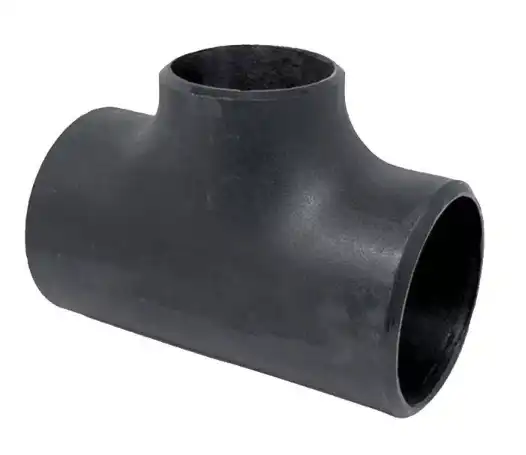
Understanding High Temperature Pipe Tees: Specifications and Applications
What Defines High Temperature Pipe Tees?
People made the T-shaped High Temperature Pipe Tee to make it easier to connect fluid lines in pipe systems that work at very high temperatures. These parts are not like regular fits because they solve important problems in the industrial world, such as thermal fatigue from cycles of expansion and contraction and creep, which is when something permanently changes shape under high-temperature stress. To make the metal, you can use high-grade stainless steels (310S, 347H), chrome-molybdenum alloys (ASTM A234 WP91, WP22), or nickel-based alloys like Inconel 625. Each of these was picked because it doesn't oxidise easily and stays stable at high temperatures. These materials don't lose their structural stability when they're put under a lot of pressure, while regular carbon steel does.
Material Selection and Core Properties
The type of material used affects how well and how long something lasts in tough conditions. Because chrome-molybdenum alloys are very strong, they can be used to make supercritical power, which is power at temperatures over 600°C and pressures over 250 bar. Stainless steel grades are better at keeping their shape in petrochemical settings with volatile hydrocarbons at 850°C. Nickel-based metals, on the other hand, can handle heating and chemicals that are very harsh. The High Temperature Pipe Tee metal mix is very resistant to oxidation because it has protective oxide layers that are high in chromium. These layers stop scaling, which is high-temperature oxidation that wears down pipe walls over time. They keep their high yield strength-to-weight ratios even when they are very hot. They won't break for a long time because of this.
Critical Applications Across Industries
High-temperature pipe tees are an important part of the job in complicated B2B manufacturing settings. These valves move very hot steam from boilers to engines in supercritical and ultra-supercritical thermal power plants. Even in rough conditions that would damage normal parts, they can handle it. The ethylene cracking furnaces and hydrocracking units at petrochemical plants use them. These are places where volatile fuels need to be resistant to becoming carbonised. Heavy industrial boilers and aeroplanes need valves that don't break when hot gases flow quickly or when temperatures drop quickly, but still keep their seals that keep out leaks. For important branch links in networks of high-temperature pipes, these unique parts are also used in chemical plants and water-saving projects.
Comparing High Temperature Pipe Tees: Making the Right Choice for Your Project
High Temperature versus Standard Pipe Tees
High-temperature pipe tees and normal pipe tees are not just different in temperature. When standard carbon steel parts get to 400°C, they lose their mechanical qualities. High-temperature versions, on the other hand, have a special alloy composition and heat treatment that keeps their structure strong. Things last longer when they are forged or cast precisely so that the grain structures are strong against creep and heat stress. When a system is operationally resilient in tough conditions, it fails less often, costs less to maintain, and lasts longer. Because of these benefits, the bigger initial investment is worth it for important uses.
Material Comparison: Stainless Steel versus Carbon Steel
Whether you choose carbon steel or stainless steel High Temperature Pipe Tees, you should think about how well they fight rust, how high they can go, and how much money you have for the job. Stainless steel grades like 310S and 347H are better than carbon steel grades at staying strong at higher temperatures and not rusting. Because of this, they are needed in places where chemicals are toxic. At relatively high temperatures (up to 600°C), carbon steel alloys like WP91 and WP22 are very good at stopping creep. They are also very cheap. These things can be used to make electricity and deal with petrol and oil. When it comes to safety margins and service life, pressure ratings are very important. High-rated fittings can handle changes in the process and sudden increases in pressure without breaking completely, but they usually need thicker walls and more material.
Budgeting Strategy: Upfront Costs versus Long-Term Value
When global B2B buyers choose what to buy, they need to think about more than just the price. At first, High Temperature Pipe Tees made with premium metals and strict quality control cost more, but they pay for themselves over time because they last longer between repairs, need fewer emergency replacements, and slow down production less. When you figure out the lifetime costs, you should include the cost of installation, the cost of upkeep, and the cost of any downtime that happens because something breaks down too soon. When working on projects that will be hot all the time, it's best to use high-quality fittings. Instead, mid-range options that strike a good balance between price and performance might be better for projects that will only be done at high temperatures sometimes.
Procurement Guide: Sourcing High Temperature Pipe Tees Efficiently
Supplier Evaluation Criteria
It's not enough to just look at price quotes to find manufacturers you can trust. If a company is certified as an ISO 9001 quality management system, it means that quality is handled in a planned way. Pressure tank parts that are made according to the rules will also have a licence to make special tools. It is important to look at the level of sophistication of the production equipment, the availability of inspection tools, and the engineering support as part of a technical capability assessment. Every year, our 66,600-square-meter factory in Mengcun Hui Autonomous County makes 16,000 tonnes of carbon steel, stainless steel, and alloy steel pipe fittings. We use state-of-the-art production tools and strict quality standards that have been worked on since 1998.
There is more to verifying approval than just going through papers. To make sure that the metal chemistry is exactly what was asked for, buyers should make sure that sellers use Positive Material Identification (PMI) tests like XRF or OES. The important crotch area of High Temperature Pipe Tees can have flaws or internal defects found without damaging them. This is called Non-Destructive Testing (NDT), which includes radiographic testing and ultrasonic testing. Heat treatment works, especially for P91/P92 types that need the right martensitic structure, as shown by hardness tests. When dimensions are checked, the wall's width is checked where the branches meet. This keeps stress from building up and causing it to fail early.
Ordering Process and Lead Time Management
Making sure you know the material grade (ASTM name), measurement standards (ASME B16.9), pressure class, and number you need is the first thing you need to do to buy High Temperature Pipe Tees quickly and easily. Minimum order quantities depend on the product and the company that makes it. To give you an idea, the minimum order quantity for special alloy grades is usually higher than for standard materials. For regular items, lead times are 4 to 6 weeks. For custom alloys that need to be cooked and tested in great detail, lead times are 12 to 16 weeks. Lead times depend on how quickly things can be sourced, how busy the factory is, and how many inspections need to be done. Buyers should let sellers know early on what the times are for projects that need to be done quickly. This lets suppliers put production first and inspect faster when they can.
Pricing Trends and Negotiation Strategies
The prices of raw materials like molybdenum, nickel, and chromium change a lot when the metal market does. This has a big impact on the prices of High Temperature Pipe Tees. In the global supply chain, things like freight costs and taxes can change the total landing costs. This is why open buying methods that are open are helpful. Instead of putting too much pressure on the price, it's better to show dedication by promising a certain amount of goods, being open with delivery times, and possibly working together for a long time. People who buy things can get the most for their money if they combine orders from different projects, use standard specs instead of custom ones when they can, and make deals that lock in prices for a certain amount of time.
Installation and Maintenance Best Practices for High Temperature Pipe Tees
Installation Procedures for Weld Neck and Flanged Tees
Before soldering, check that the material's certifications and measurements are correct to make sure the job is done right. Welders who are skilled in working with high-alloy materials and Post-Weld Heat Treatment (PWHT) procedures are needed to make weld neck High Temperature Pipe Tees. To get rid of any remaining pressures and stop Stress Corrosion Cracking (SCC) and weak fracture, High Temperature Pipe Tees have to go through PWHT. The warranty will not be valid if you skip this step, and there is a good chance that the component will fail in a very bad way. When you bolt up a flanged tee, you need to be careful to do things like pick the right seal for high temperatures, watch the pressure patterns, and allow for thermal expansion. It should be required by safety rules that people who do hot work have the right gear, that there is enough airflow while welding, and that they handle materials that might contain small amounts of dangerous substances.
Routine Inspection and Preventive Maintenance
As part of maintenance plans, High Temperature Pipe Tees should be checked often for signs of rust, wear, and heat stress. Surface scaling, darkening patterns that show burning, and cracks in the weld zone can all be seen with the naked eye. Ultrasonic thickness testing checks how much wall loss is due to rust on the inside or rusting on the outside. This way, repair can be done quickly, before the wall becomes too thin and becomes dangerous. Thermal imaging done while the machine is running shows hot spots that could mean there are problems with the flow or buildups inside that need to be fixed. How often the equipment is used affects how long it takes to be maintained. For instance, if it is always exposed to high temperatures, it needs to be checked every three months. If you only use it sometimes, you might need to check it out once a year.
Troubleshooting Common Issues
Often, early failures of High Temperature Pipe Tees are due to mistakes in the way they were installed, the wrong materials being used, or operating conditions that are too high for what was planned. If the weld heat-affected zones crack, it's likely because the PWHT wasn't good enough or the welding process wasn't done right. This needs to be fixed right away. The material might not be able to handle the high temperature, or there might not be enough alloy in the material for the service climate if it scales too much. Either the process needs to be changed, or the material needs to be made better. If the gasket at a flanged joint fails, the heat cycle can damage it, or the nuts can come away and cause leaks. To fix this, you can either get a new gasket, tighten the bolts again, or paint the flange face again. Problems that the facility can't fix are found through troubleshooting. To make the system more effective and stop problems from happening again, the facility calls in the makers for expert analysis.
Trusted Brands and Suppliers: Choosing the Right Partner for Long-Term Success
Evaluating Manufacturer Reputation and Capabilities
To find the right supplier partnership, you should first use quality indicators from real life to see how well a product is made. Oudi has helped more than 300 people in over 40 countries since 1998. The High Temperature Pipe Tees they make out of carbon steel, stainless steel, and alloy steel always meet ANSI, JIS, DIN, and BS norms. This has helped them build a good reputation. Caps, bends, flanges, tees, and reducers are just a few of the many things we sell. That is better for the supply chain since you only need to buy from one place. Since it's only 120 km to Tianjin Port, it's easy to send items to markets in the Middle East, Africa, the Americas, Europe, and Asia. It is also easy to do business with other countries because we have the power to control our own imports and exports.
Certification Standards and Sustainable Practices
The best manufacturers show they follow the rules by getting certificates that are recognised around the world. These certificates show that they have quality systems and care about the environment. The company has special equipment production licenses and ISO 9001 certification, which show that quality is handled in a planned way from planning to delivery. The company is also qualified to make high-temperature pipe tees for pressure vessels. As buyers put sustainability in the supply chain above standard quality and cost measures, practices like using less energy in production, cutting down on waste, and getting raw materials in a responsible way become more and more important to them.
Benefits of OEM and Customized Solutions
Many times, standard catalogue items work well. But for more difficult jobs, you might need unique solutions for High Temperature Pipe Tees that deal with specific problems related to temperature, chemicals, or sizes. OEM features let you change specifications, like the type of metal used, the way it is heated, the size of the part, and the way it is inspected. Custom pipe tees can be made to fit branch angles that aren't common, sizes that are too big, or joining styles that aren't supported by standard goods. People who buy things benefit when engineers work together on specifications. This makes sure that the finished goods are easy to make and don't cost a lot of money.
Conclusion
You need to think about technical specs, quality control, source reliability, and total cost when you buy High Temperature Pipe Tees. People who are good at buying things know about the materials' properties, the standards for certification, and how each application's needs are different. They also work with makers who have a history of putting quality first and having skills that have been shown to work. Buying high-quality fittings that can handle extreme temperatures will save you money in the long run because they will last longer, need less maintenance, and be safer to use. In key industrial settings, these perks are worth a lot more than the original cost.
FAQ
1. What is the maximum operating temperature for ASTM A234 WP91 pipe tees?
The WP91 High Temperature Pipe Tees can be used nonstop at temperatures up to 1112°F (600°C). The creep strength drops a lot after this point, which makes the structure less stable and cuts its useful life short. For uses above 600°C, you need better metals, like WP92 or products made from nickel.
2. Why is Post-Weld Heat Treatment mandatory for Chrome-Moly tees?
Stress Corrosion Cracking (SCC) and brittle cracking are stopped by PWHT, which also lowers the stresses that are left over from welding. You have to work with chrome-moly high-temperature pipe tees to get them to the right amount of hardness and toughness because they have martensitic structures. If PWHT isn't added, parts could fail when they are put under mechanical stress or temperature changes.
3. Can high-temperature pipe tees be used in cryogenic applications?
High-temperature pipe tees usually break when the temperature drops below zero degrees. They work best when the temperature is high. For cryogenic uses, you need low-temperature alloys like austenitic stainless steels (304L, 316L) or LCC steels (low carbon content) because they stay smooth and strong at very low temperatures.
4. What distinguishes forged from seamless high-temperature pipe tees?
Because they have a better grain structure and are stronger, forged High Temperature Pipe Tees are great for high-pressure stems and important branch connections. Seamless High Temperature Pipe Tees are very consistent and work well when it's not too hot and the pressure needs are normal. Both kinds have to be the right size according to ASME B16.9 and go through strict testing.
Partner with Oudi for Reliable High Temperature Pipe Tee Supply
High-temperature pipe tees are needed for industrial projects around the world from suppliers who can make great products and help customers quickly. Oudi has a lot of different options because they have been making them for more than 20 years and are dedicated to quality. With an annual capacity of 16,000 tonnes, we can always meet the needs of projects of any size. Our full line of carbon steel, stainless steel, and alloy steel fittings also makes it easier to organise purchases.
We know that low prices aren't enough for B2B buyers. They also need help from professionals, proof that they are certified, and a supply line that they can count on to keep projects on track. Along with advanced non-destructive testing and full inspection, our quality control system follows the rules set by ISO 9001. Our customers come from the Middle East, Africa, the Americas, Europe, and the Asia-Pacific area. As a company that makes High Temperature Pipe Tees, we bring foreign experience to every project.
Send our team an email at oudi-04@oudiguandao.com to talk about how you need a High Temperature Pipe Tee personalised for your needs. There are times when buying something can be hard, but we can help by giving you detailed specs, material certifications, and technical help.
References
1. American Society of Mechanical Engineers. (2020). ASME B16.9: Factory-Made Wrought Buttwelding Fittings. New York: ASME Press.
2. Davis, J.R. (Ed.). (1997). Heat-Resistant Materials. Materials Park, OH: ASM International.
3. Viswanathan, R., & Gandy, D. (2006). "Life Management of High-Temperature Steam Turbine Materials." Journal of Pressure Vessel Technology, 128(3), 305-316.
4. Boyer, H.E. (1987). Atlas of Creep and Stress-Rupture Curves. Metals Park, OH: ASM International.
5. International Organization for Standardization. (2015). ISO 9001:2015 Quality Management Systems—Requirements. Geneva: ISO.
6. Kihara, S., Newhouse, D.L., & Armaki, H.G. (2012). "Metallurgical Analysis of ASTM A335 P91 Steel Pipe Failures in High-Temperature Service." Engineering Failure Analysis, 24, 104-112.

Need help finding the right solution with our experts. Please contact us.

SINCE 1998 Your Reliable Pipeline Manufacturer



