Is CS Concentric Reducer the Right Choice for Your Project?
Choosing the right pipe fitting can make or break your project's efficiency and longevity. A CS Concentric Reducer serves as a critical component that connects pipes of differing diameters while maintaining a common centerline, ensuring smooth fluid transitions in vertical pipeline systems. This carbon steel fitting features beveled ends designed for full-penetration butt welding, creating permanent, leak-proof connections that withstand high-pressure environments. Whether you're managing an oil refinery expansion, designing a chemical processing plant, or overseeing water treatment infrastructure, understanding when and how to deploy concentric reducers directly impacts system performance, operational safety, and long-term cost management. This guide walks you through everything procurement managers and project engineers need to know.
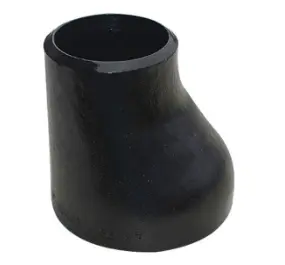
Understanding CS Concentric Reducers
What Makes a Concentric Reducer Different?
The shape of a CS Concentric Reducer is regular and conical, with both pipe ends aligned along the same center line. This design principle is what makes it fundamentally different from eccentric variants. The alignment makes sure that the fluid flows easily from bigger to smaller sizes without creating turbulent zones that speed up erosion or cause pressure drops. The shape keeps the radial forces equal across the fitting, which is very important in vertical installations where gravity is already putting a lot of stress on the pipes.
Building with carbon steel gives you the mechanical strength you need for tough industry uses. The material usually meets the requirements of ASTM A234 WPB. It is very easy to weld and keeps its shape at temperatures ranging from -29°C to 400°C. This grade strikes a good mix between performance and cost-effectiveness, which makes it the best choice for pipeline networks with thousands of fittings in the oil, gas, chemical, and water conservation industries.
Design Characteristics and Standards Compliance
The strict size rules in ASME B16.9, which govern factory-made wrought butt-welding fittings, are used in the manufacturing process. The bevelled ends are already 37.5° ± 2.5° and have a 1/16" root face, which lets the weld go through properly without any extra work. When the wall thickness goes over 22mm, compound bevels are needed to make sure the welding heat is spread evenly.
The steps used for heat treatment have a big impact on the quality of the finished product. For example, CS Concentric Reducers that were formed at high temperatures or cold require normalising heat treatment to smooth out the grain structure and reach the required hardness levels of 197 HB. This thermal processing gets rid of any residual stresses from the forming process, which keeps the product from breaking too soon when it is loaded and unloaded many times, which is common in pumping stations and process equipment.
Buttweld CS Concentric Reducers don't have fixed class ratings like 150# or 300#. Instead, these fittings match the pressure capacity of seamless pipe with the same schedule thickness. For example, a Schedule 40 reducer can handle the same internal pressure as Schedule 40 pipe made of the same material, which makes system design calculations easier while still leaving room for error.
Material Grades and Customization Options
A234 WPB carbon steel isn't the only type of steel that can be used in harsh conditions. For example, A234 WP11 and WP22 grades have extra chromium and molybdenum added to them to make them more resistant to creep in high-temperature steam systems that work above 450°C. Stainless steel options like A403 WP316 are used in places where carbon steel would break down quickly.
There are nominal pipe sizes ranging from 1/2" to 60", and custom configurations can be made for specific uses. Wall thicknesses range from Schedule 10 to Schedule XXS, and they can handle pressures from low-level drainage systems to supercritical power generation circuits exceeding 250 bar. Custom length specifications help contractors improve the efficiency of field installation by reducing the number of weld joints needed in piping layouts that are already crowded.
Comparing CS Concentric Reducers with Alternative Solutions
Concentric Versus Eccentric: Structural and Functional Differences
The main difference is how the centerlines of the pipes are lined up. Eccentric reducers have one flat edge that is offset from the centerlines of the pipes that are connected to it. This keeps air pockets from forming in horizontal pump suction lines, which can damage impellers through cavitation. Pipeline designers choose eccentric types specifically for this horizontal orientation problem.
CS Concentric Reducers work best in vertical runs where even flow is more important than preventing air pockets. The centred geometry makes sure that the wall stress is the same all the way around, which is important for supporting the weight of a vertical column in distillation towers or reactor feed systems. The concentric design also lowers vibration amplitudes in high-velocity gas service, where uneven flow patterns would cause piping supports to resonate at high frequencies.
The way the installation is set up directly affects the selection criteria. For example, vertical discharge lines from centrifugal pumps need CS Concentric Reducers to keep the support loading balanced. On the other hand, horizontal suction piping needs eccentric configurations with the flat side facing upward to avoid vapour lock risks that affect pump priming. Knowing these application-specific requirements ahead of time saves a lot of money during the commissioning phases.
Carbon Steel Versus Stainless Steel: Cost and Performance Trade-offs
When choosing a material, you have to weigh the initial cost against the costs that will come up over time. CS Concentric Reducers are about 40–60% cheaper than similar stainless steel parts, which makes them a good choice for big projects that need a lot of fittings. The price advantage grows when you look at welding supplies, since carbon steel electrodes and procedures are cheaper than those needed for austenitic stainless grades.
Corrosion resistance is a big difference between these types of materials. Stainless steel's chromium oxide passive layer protects against chemical attack and atmospheric oxidation without coatings, while carbon steel needs painting, galvanising, or cathodic protection, depending on the conditions of exposure. Industries that work with corrosive fluids like sulphuric acid or chloride solutions often justify the higher cost of stainless steel by its longer service life and lower maintenance downtime.
Material choices are also affected by operating temperature ranges. Carbon steel works well up to 400°C, but stainless grades keep their mechanical properties above 600°C. Power plants with superheated steam circuits often choose stainless steel for the hot reheat sections and carbon steel for the cooler condensate return systems. This hybrid approach saves money while still meeting metallurgical requirements across temperature zones.
How to Select the Right CS Concentric Reducer for Your Project
Evaluating System Parameters and Operating Conditions
The right diameter transitions are based on the flow velocity calculations. Sudden drops in velocity cause too much turbulence and pressure drops, which waste pumping energy and speed up erosion. To keep hydraulic efficiency at a good level, engineering standards say that velocity increases should not be more than 50% across a single reducer. Systems that move abrasive slurries need even gentler transitions to keep particles from damaging fitting walls.
Pressure and temperature ratings must match the highest possible operating conditions plus safety margins. Piping codes usually call for design pressures 25% higher than normal operating values, with temperature allowances for process upsets or control failures. Carbon steel's yield strength drops at high temperatures, so schedule upgrades are needed in hot service applications. Detailed stress analysis makes sure that fittings won't break when loaded from inside by pressure, outside by thermal expansion, or weight from the pipe or earthquakes.
Chemical compatibility is more than just looking at corrosion tables. Fluids like hydrogen sulphide can cause sulphide stress cracking in steel grades that are prone to it, which means that they need to be made with better materials or have their heat treatment controls changed. The quality of the water has a big impact on corrosion rates; dissolved oxygen, chlorides, and pH levels all determine whether carbon steel has a long enough service life or needs expensive coatings and monitoring programs.
Dimension Matching and Grade Selection
Proper size coordination stops installation issues and flow disturbances. When connecting different schedule pipes, discrepancies in the internal diameters create ledges that trap debris and speed up localised corrosion. Counter-boring techniques taper the reducer bore to match the IDs of the mating pipes, removing these steps that cause flow disturbances. Specification documents should clearly state the need for counter-boring to avoid delays in the field.
When using high-cycle fatigue, it's important to be careful with how the wall thickness changes. Sudden changes in cross-section create stress concentration points that can crack when pressure changes. Gradual tapers and post-weld heat treatment reduce these risks, especially in thermal power plants that start and stop every day or refineries that have frequent changes in throughput.
Sourcing from Certified Manufacturers
Quality management certifications are important for making sure that production is consistent. For example, ISO 9001:2000 certification shows that manufacturing processes are controlled in a planned way, from inspecting raw materials to testing finished products. In the People's Republic of China, a special equipment manufacturing licence ensures that safety-critical parts are made in accordance with regulations for pressure vessels.
Testing capabilities separate good suppliers from bad ones. Advanced facilities use coordinate measuring machines to check dimensions, mechanical property testing according to ASTM standards, and nondestructive examinations like ultrasonic thickness gauging and radiographic inspection. Full material traceability through heat numbers connects test results to specific production lots, allowing quick action if problems arise in the field.
When project deadlines call for large amounts to be delivered quickly, production capacity is important. Manufacturers with an annual capacity of 16,000 tonnes can meet bulk orders without affecting delivery times or taking resources away from quality control. Being close to major ports lowers logistics costs and transit times for international shipments, especially when going after North American markets from Asian production bases.
CS Concentric Reducer Installation and Application Guide
Welding Procedures and Alignment Best Practices
The quality of the weld and how long it lasts depend on how well the joints are prepared. Before tack welding can start, the bevelled ends must be cleaned of mill scale, rust, oil, and moisture. Contamination creates holes and slag inclusions that weaken joints and create leak paths. Qualified welding procedures list the minimum preheat temperatures, maximum interpass temperatures, and post-weld heat treatment requirements based on the thickness and carbon equivalent of the material.
Alignment tolerances have a direct effect on how fluid flows and how stress is distributed. Standard guidelines allow a maximum of 1/16" of offset between pipe centers, and for diameters over 12", peaking (high-low) is limited to 1/8". Specialised alignment clamps and fit-up tools keep things straight during tack welding. This stops misalignment that would mean expensive repairs or putting up with installations that aren't up to par.
Root pass penetration needs to be carefully managed so that there isn't too much internal protrusion, which causes flow problems. Backing gas systems or insert rings that are used up help get consistent penetration while keeping the inside profiles smooth. Before hydrostatic pressure testing proves that the building is leak-proof, a radiographic or ultrasound examination checks the stability of the weld.
Industry-Specific Application Scenarios
A lot of CS Concentric Reducers are used in vertical reactor feed lines where various streams meet in chemical processing plants. Because the shape is symmetrical, there is no preferred flow channelling, which would mess up the residence time distributions and reaction stoichiometry. When choosing materials, it's important to think about both how corrosive the process fluid is and how the temperature changes during startup, stop, and upset situations.
These fittings are used in vertical pump discharge lines at oil and gas sites to keep the flow symmetrical and reduce the amount of shaking that gets sent to support structures. Welding standards must be strictly followed in high-pressure natural gas gathering systems, because failures can cause huge releases. In these situations, CS Concentric Reducers are checked using X-rays and are put through hydrostatic testing at 1.5 times their design pressure.
CS Concentric Reducers are used to connect main distribution lines to smaller service branches in water treatment equipment. The strong welded construction stops threaded joint leaks that happen a lot in buried pipelines that are exposed to shifting soil and groundwater. Fusion-bonded epoxy coats keep surfaces on the outside from rusting in places with acidic soil.
In feedwater, steam extraction, and condensate return circuits of power production devices, CS Concentric Reducers are used. For supercritical boilers that work above 220 bar, careful flow distribution is needed to keep the tubes from getting too hot. Its circular shape makes sure that the flow rates into the boiler's economisers and superheater sections are all the same. This keeps the tubes from getting hot spots, which shortens their life.
Maintenance and Troubleshooting Guidance
Regular checks should look for external rust, coating wear, and support movement that makes pipes not line up properly. Ultrasonic thickness readings keep track of how much the wall is losing, which lets replacements be planned ahead of time, before leaks happen. The frequency of inspections depends on how acidic the fluid is and how harshly it is used. In mild environments, inspections are done once a year, while in harsh environments, they are done every three months.
During planned shutdowns, an internal inspection shows patterns of erosion, deposit buildup, and weld degradation. By looking through adjacent flanged connections with a borescope, you can see what's going on without taking the system apart. Abnormal erosion means that the flow speed is off or that gritty contaminants are getting in, which means that the upstream filtering needs to be improved.
Acoustic emission monitoring is used by leak detection systems to find cracks before they break. This technology is especially useful in places that are hard to get to or where visual inspection could be dangerous. Early warning lets repairs be organised for planned outages instead of having to be done in an emergency, which slows down output and costs more to fix.
Procuring CS Concentric Reducers: Brands, Suppliers, and Buying Tips
Evaluating Manufacturer Credentials and Capabilities
Production technology has a big effect on how consistent products are and how many defects they have. Shape reducers are used in hot forming while the material is still above the temperature at which it recrystallises. This creates good grain structures with little residual stress. After cold forming, the material needs to be heated to recover its properties. This adds to the cost but allows for smaller limits in size. Understanding these ways of making things helps buyers figure out why some goods cost more than others that look like they would be the same.
Quality assurance abilities are based on the testing infrastructure. Comprehensive facilities have spectrographic analysers that check the chemical makeup, tensile test machines that check the mechanical properties, and hardness testers that check the efficiency of heat treatment. Impact testing at design temperatures confirms how tough a material is. This is especially important for low-temperature service, where the risk of brittle failure rises.
Geographic and Logistic Considerations
Location of the supplier affects more than just the piece prices that are quoted. Asian makers have reasonable prices, but the wait times are longer, and the freight costs are higher. Building ties with providers near big container ports like Tianjin lowers the cost of shipping goods within China and makes export paperwork easier. When you buy different kinds of fittings from the same company that makes bends, flanges, tees, and caps, you can combine containers in more efficient ways.
Building Long-Term Supplier Partnerships with Oudi
Since 1998, our company has been in the pipe fitting business around the world, learning how to do a wide range of industrial tasks. We run a 66,600-square-meter plant in the specialised fitting production zone of Mengcun Hui Autonomous County. It has the latest forming, heat treatment, and testing tools. Our annual production capacity is 16,000 tonnes, and this infrastructure supports it. This makes sure that we are always available, even for big projects that need hundreds of CS Concentric Reducers.
Our quality credentials show that we are dedicated to making the best products possible. Our ISO 9001:2000 certification and special equipment manufacturing licence show that we have a method for quality control from the time we receive the raw materials to the time we check the finished product. Before it is shipped, every CS Concentric Reducer goes through nondestructive testing, eye inspection, and dimensional proof. Material traceability systems keep records of heat numbers so that problems can be quickly looked into if they happen in the field.
Product diversity makes buying easier by combining different types of fittings into agreements with a single supplier. We make all kinds of parts out of carbon steel, stainless steel, and alloy steel, not just CS Concentric Reducers. These include elbows, tees, flanges, and caps. This variety cuts down on the work that comes with handling multiple sellers, but it also makes sure that all the fittings in a pipe system are made of the same metal and meet the same quality standards.
We have over 300 customers in 40 countries around the world, in places like Europe, North and South America, Africa, Southeast Asia, and the Middle East. Because we have worked on projects all over the world, we know what local code requirements, documentation standards, and business planning are needed to make sure the project goes smoothly. Technical support teams help with choosing the right material, making sure it fits the job, and installing it in a way that meets the needs of the application.
Competitive price doesn't mean that quality has been reduced; it means that production methods are efficient. Because our businesses are vertically integrated, we can keep costs low while still meeting strict testing standards set by ANSI, JIS, DIN, and BS. Volume savings and open payment terms help the project's finances without compromising the quality of the product or the dependability of delivery.
Conclusion
It's important to balance technical needs with business concerns when choosing the right concentric reducer. The carbon steel construction makes it work well in most industrial settings without spending a lot of money, and the circular shape makes sure that the flow is best when the pipes are stacked vertically. Partnering with certified makers who can show they have the production capacity, quality control systems, and expert support skills is key to successful procurement. By carefully looking at system factors, selecting the right materials and sizes, and buying from reliable sources, project teams can make setups that will work safely and efficiently for decades. Choosing the right fittings is an investment that pays off in lower upkeep costs, less downtime, and longer asset lifecycles.
FAQ
1. When should I choose a concentric reducer over an eccentric one?
CS Concentric Reducers work best for vertical pipe runs where keeping the centerline straight provides even support loads and flow distribution. The design keeps the structure stable in tall vertical columns and stops vibration problems in high-speed service. Eccentric reducers are used in horizontal situations, like pump pressure lines, where the flat side up position keeps air pockets from building up and causing damage called cavitation. The main thing that drives this selection choice is application focus.
2. How is pressure rating determined for buttweld concentric reducers?
Buttweld reducers match the pressure capacity of seamless pipe with the same material grade and schedule thickness. This is different from flanged fittings that have set class values. A Schedule 40 carbon steel reducer can handle the same amount of pressure inside as a Schedule 40 pipe made of the same material. This way of rating makes system design calculations easier while keeping safety gaps the same across the whole network of pipes. The thickness of the wall is directly related to its ability to hold pressure, which lets schedule changes happen when working conditions call for higher ratings.
3. Can different schedule pipes connect through a single reducer?
Direct connections between schedules that are not the same cause internal diameter mismatches that create ledges that stop flow. Counter-boring techniques make the reducer's internal bore narrower so that it fits the IDs of the pipes that are connecting to it. This gets rid of areas where fluids and deposits build up. When linking different schedules, proper specification papers should make it clear that counter-boring is needed. This cutting doesn't add much to the cost and stops operating problems like faster erosion and debris buildup that hurt long-term dependability.
Partner with Oudi for Premium CS Concentric Reducer Supply
We are your reliable CS Concentric Reducer supplier because we have been making high-quality products for 25 years and have worked on pipeline projects around the world. We make sure that every fitting meets international standards like ANSI, JIS, DIN, and BS by using cutting-edge production technology and strict quality control. Email our technical team at oudi-04@oudiguandao.com to talk about the specifics of your project, get material certifications, or get quotes from other companies. We'd love the chance to show you how our wide range of products, steady 16,000-ton capacity, and helpful customer service can make your purchasing process easier while still meeting the quality standards your important infrastructure needs.
References
1. American Society of Mechanical Engineers. (2020). ASME B16.9: Factory-Made Wrought Buttwelding Fittings. ASME Standards Collection.
2. American Society of Mechanical Engineers. (2017). ASME B16.25: Buttwelding Ends. ASME International.
3. ASTM International. (2019). ASTM A234 / A234M: Standard Specification for Piping Fittings of Wrought Carbon Steel and Alloy Steel for Moderate and High Temperature Service. ASTM Volume 01.01.
4. Nayyar, M.L. (2018). Piping Handbook, 8th Edition. McGraw-Hill Education.
5.. Singh, A. & Kumar, R. (2021). "Material Selection and Performance Analysis of Pipe Reducers in High-Pressure Systems." Journal of Pressure Vessel Technology, 143(4), pp. 041503-1–041503-9.
6. Mohitpour, M., Golshan, H., & Murray, A. (2017). Pipeline Design & Construction: A Practical Approach, 3rd Edition. ASME Press.

Need help finding the right solution with our experts. Please contact us.

SINCE 1998 Your Reliable Pipeline Manufacturer



