High Temperature Pipe Tee Material Selection: SS vs Alloy Steel
For High Temperature Pipe Tees, you can choose between stainless steel and alloy steel based on your working conditions and funds. Alloy steel High Temperature Pipe Tees work very well in very hot places, above 600°C. They have better resistance to rise and are stronger, making them perfect for use in industrial and power generation processes. Stainless steel types don't rust and can handle mild heat up to 400°C. This makes them perfect for chemical processing, where oxidizing conditions are common. Procurement managers can choose the best material for performance, safety, and return on investment by knowing its metallurgical qualities, operating needs, and long-term cost effects.
Understanding High Temperature Pipe Tees and Their Material Requirements
What Defines a High Temperature Pipe Tee
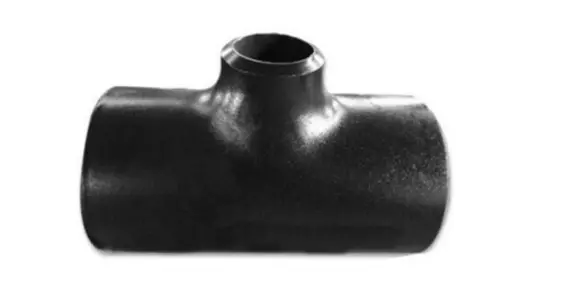
A High Temperature Pipe Tee is a special T-shaped fitting made to make it easier to connect fluid branches in pipe systems that work at temperatures between 400°C and 1100°C. These parts are different from regular carbon steel fittings because they deal with important problems like creep, which is permanent deformation under long-term high-temperature stress, thermal wear from cycles of expansion and contraction, and fast oxidation that weakens the structure. These tees are made of high-alloy materials and are carefully forged or cast. They keep their shape and don't leak, even when they're under pressures above 250 bar, which is where regular materials would fail badly.
Key Technical Parameters and Standards
These parts' qualities are set by their advanced metallurgical makeup and strict engineering standards. Nickel-based alloys like Inconel 625, high-grade stainless steels like 310S and 347H, and chrome-molybdenum alloys like ASTM A234 WP91 and WP22 are better at resisting rust and staying stable at high temperatures. According to ASME B16.9 standards, these materials must meet very tight size limits. Their main benefit is that they don't scale when exposed to chemicals, and they can keep their high yield strength-to-weight ratios even when temperatures are very high. This makes sure that they are safe for long periods of time and that there is little downtime in demanding industrial settings.
Industrial Applications Requiring High-Temperature Performance
In challenging B2B manufacturing settings, High Temperature Pipe Tees are essential. These tees carry very hot steam from boilers to turbines in supercritical and ultra-supercritical thermal power plants. They can handle pressures of more than 250 bar at 600°C. They are used in ethylene cracking furnaces and hydrocracking units at petrochemical plants to work with volatile fuels at temperatures up to 850°C and have a high resistance to carburization. These fittings are used in exhaust pipes and thermal processing lines in aerospace and heavy industrial furnaces. They are used in places where fast gas flow and high-velocity thermal shocks require parts that don't crack when heated and don't leak.
Comparing Stainless Steel vs Alloy Steel for High Temperature Pipe Tees
Chemical Composition and Metallurgical Differences
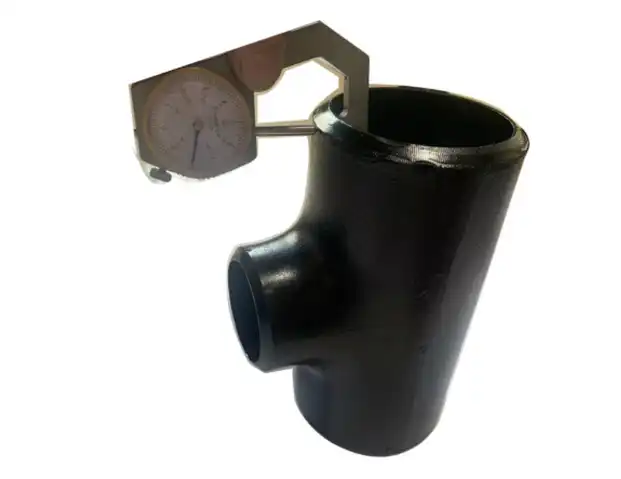
Stainless steel pipe tees usually have between 16 and 26 percent chromium and 8 to 22 percent nickel. These metals make a passive oxide layer that stops rusting in places where oxygen is present. Some grades, like 304H and 316H, can handle mild heat up to 400°C. Better grades, like 310S, can handle temperatures up to 550°C. Alloy steel tees contain the right amounts of chromium, molybdenum, and vanadium. This makes materials like P91 and P92 that are very strong against creep-rupture and keep their mechanical qualities at temperatures above 600°C. How each material reacts to heat stress, oxidation, and mechanical loads in high-temperature service is based on its basic composition.
Temperature and Pressure Performance Ratings
The difference in temperature capabilities between these materials has a big effect on the range of uses they can be put to. Stainless steel grades like 347H can be used continuously at temperatures up to 650°C in oxidizing environments. This means they can be used for steam lines and tools used in chemical processes. Alloy steel types like ASTM A234 WP91 keep their structural integrity and resistance to creep at temperatures up to 600°C when under constant pressure. Specialized grades like WP92 raise the temperature range to 650°C. When these limits are crossed, the creep strength drops a lot, which can cause changes in size and even failure. There are also different pressure levels. Forged alloy steel tees are usually rated for higher pressure classes than stainless steel tees of the same size.
Corrosion Resistance in Diverse Environments
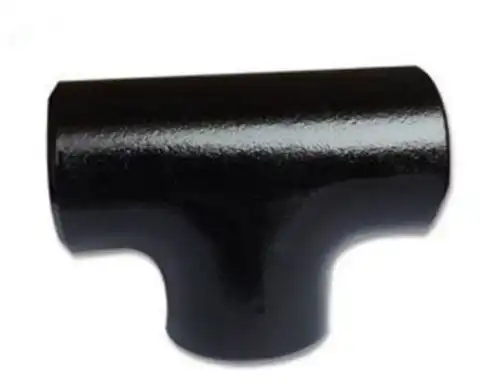
When choosing materials, the toxic climate must be taken into account. Stainless steel works best when it is oxidizing because its inactive layer is high in chromium and protects it better from rust in the air and many chemicals. But in reducing or sulfur-rich conditions, like those found in petrochemical plants, stainless steel can get pitting and stress corrosion cracks. It is best to use alloy steels for hydrocracking and reforming because they are very resistant to carburization and sulfidation at high temperatures. Scaling is a high-temperature oxidation process that makes pipe walls thinner. It has different effects on the two materials. Chromium-rich alloy steels form protective oxide layers that slow this degradation process more than standard stainless grades.
Since 1998, Oudi has sold both stainless steel and alloy steel High Temperature Pipe Tees to over 300 customers in 40 countries. During that time, we've seen how well they work in a variety of real-world situations. Our technical team has written about situations where choosing the right materials could have stretched the life of a system by 40% compared to when the specs weren't right. This shows how important this choice is for practical reliability and cost management.
Making the Right Material Selection for Your Application
Matching Materials to Specific Industrial Use Cases
For different commercial uses, different types of materials are needed. Power plants usually need alloy steel tees like WP91 or WP92 for their high-temperature steam pipes. These tees keep their creep strength even when they are constantly exposed to superheated steam at 540–600°C and pressures up to 300 bar. Stainless steel types like 316L or 347H are good for chemical processing lines that work with corrosive media at low temperatures because they don't rust and can handle thermal expansion. To keep the material from becoming too weak over time, petrochemical plants that reform or crack fuels need alloy steel types that are more resistant to carbon absorption.
Cost Considerations and Total Ownership Analysis
When choosing a material, you have to weigh the original investment against the costs that will come up over its lifetime. Stainless steel tees are often 15–25% less expensive than similar alloy steel parts at the start, which makes them a good choice for projects that need to stick to a budget. But because alloy steel works better in harsh conditions, it often means fewer replacements and upkeep, which lowers the total cost of ownership over a 15–20 year period of use. When doing the math, you should include the costs of inspections, planned shutdowns for replacing parts, and any output losses that might happen because of unexpected failures. Higher-grade metals are more expensive at first, but they are more cost-effective in systems that are close to the limits of their material's performance.
Certification and Quality Assurance Requirements
There are a lot more strict rules about quality control for these parts than for regular pipe joints. Positive Material Identification (XRF or OES analysis) should be required by procurement standards to make sure that the alloy's chemistry fits the requirements. Non-Destructive Testing, such as Radiographic Testing or Ultrasonic Testing, can find flaws or internal faults in the crotch area of the tee without damaging it. For types P91 and P92, hardness testing is especially important to make sure that the heat treatment created the right martensitic structure. Dimensional verification makes sure that the wall width is correct where branches meet, which stops stress from building up in one place.
Our factory in Cangzhou, which is ISO 9001:2000 approved, follows strict quality rules from checking the raw materials to testing the finished product. We keep special equipment, making licenses from the People's Republic of China, and check every part thoroughly using nondestructive testing to find flaws. This strict method makes sure that every High Temperature Pipe Tee that leaves our 66,600-square-meter building meets the ASME, ASTM, and API standards that are needed for global purchases.
Maintenance, Performance, and Longevity of Stainless Steel vs Alloy Steel Tees
Common Failure Modes and Inspection Protocols
Understanding how things might go wrong allows for proactive repair plans. Alloy steel bolts that are used in the creep regime may experience microstructural changes that cause them to warp or crack, especially in areas where the heat from the welding process is affecting the steel. Stress corrosion cracking can happen to stainless steel parts in chloride-containing settings, especially when the temperature is changed over and over again. Ultrasonic thickness measurements should be done once a year on systems that are operating at temperatures above 80% of the material's limits, and visual inspections should be done during planned shutdowns to look for surface scaling, discoloration, or dimensional changes that could mean the material is breaking down.
Extending Service Life Through Proper Maintenance
Maintenance methods have a big effect on how long parts last. Chrome-Moly metal tees still need to go through Post-Weld Heat Treatment to get rid of any remaining stresses and keep them from breaking easily. Environmental controls are important. Systems should try to minimize thermal cycles as much as possible, since repeated stretching and shrinking speed up damage from wear. Deposits that cause hot spots or under-deposit rust must be removed by cleaning procedures. Passivation processes are helpful for stainless steel systems because they repair the protected oxide layer after they have been welded or fabricated. Having the right insulation lowers temperature differences that cause stress to build up at the tee crotch.
Performance Case Studies and Long-Term Reliability
Data from the real world shows important changes in success. A petrochemical plant we worked with in Southeast Asia switched from stainless steel tees to alloy steel WP91 versions in their reforming unit because the stainless steel ones broke too soon at 580°C. The alloy steel parts have worked well for eight years without needing to be replaced. The original stainless steel fittings only lasted three to four years. In contrast, a chemical processing plant in Europe has been using 347H stainless steel tees in its moderately heated oxidizing environment for more than twelve years. This shows that matching the right material to the right application conditions is the key to getting the best lifecycle performance from any material.
Procurement Considerations for High Temperature Pipe Tee Material Selection
Evaluating Supplier Capabilities and Certifications
Before making an order, global procurement teams must check the qualifications of the seller. As a basic sign of how well they control quality, manufacturers should have an ISO 9001 quality management system approval. Special equipment production licenses show that pressure tank parts are in line with regulations. Advanced production tools, such as CNC machining centers, heat treatment ovens with exact temperature control, and full testing labs, show that the company has the technical know-how to make parts that fit together perfectly. Ask for written proof of the quality processes that include checking the raw materials, inspecting the work as it's being done, and final testing.
Customization, Lead Times, and Volume Considerations
In industrial projects, non-standard sizes or types of materials are often needed. Suppliers who have their own engineering departments can help with technical issues related to special requests, like changing the size or shape of an item, using unusual alloys, or needing more testing than what is normally required for approval. Lead times are very different. Standard ASTM grades in popular sizes may ship within 4 to 6 weeks, but custom metals or forged parts that need special heat treatment can take 12 to 16 weeks. When you commit to buying a lot of something, you can usually get better prices. For regular grades, the savings start at 10 tonnes of orders.
Why Partner with Oudi for Your High Temperature Pipe Tee Needs
Since we started making things in 1998, we've learned how to meet the needs of the world's toughest industry uses. With a yearly production capacity of 16,000 tonnes, we can reliably meet the needs of projects of all sizes, from small maintenance orders to large building projects with many stages. We have a large selection of pipe fittings made to American, Japanese, German, and British standards. These include bends, flanges, tees, reducers, and caps made of carbon steel, stainless steel, and alloy steel. Because we are located in Hebei Province, it is easy for us to get to Tianjin Port. This makes it easier for us to ship goods to Europe, the Americas, Africa, Southeast Asia, and the Middle East, where we've helped customers in Iran, Singapore, and Greece, among other places. Every part goes through strict quality control steps using high-tech testing tools. This makes sure that the goods you order are ready to be installed in your important systems. We know that buying choices have to balance technical needs with budgets and delivery dates. Our team offers quick communication and solutions that are flexible enough to fit the needs of your project for High Temperature Pipe Tee needs.
Conclusion
For High Temperature Pipe Tees, choosing between stainless steel and alloy steel needs a thorough analysis of the working conditions, the risk of rust, the budget, and the expected long-term performance. Alloy steels are better at resisting creep and staying stable at high temperatures (above 550°C), while stainless steels are more cost-effective for acidic conditions at normal temperatures. When choosing materials, it's important to weigh the original cost against the total cost over the product's lifetime, taking into account things like repairs, replacement processes, and possible downtime costs. Your piping systems will work safely and effectively for as long as they're supposed to if you work with certified makers who can show strict quality control, technical know-how, and the ability to offer products all over the world.
FAQ
What is the maximum temperature limit for ASTM A234 WP91 pipe tees?
Most of the time, WP91 alloy steel can handle constant work up to 600°C. After this point, the creep strength drops a lot, which can cause the High Temperature Pipe Tee structure to lose its shape and possibly break. For uses that need to be able to handle higher temperatures, WP92 or nickel-based metals should be considered.
Why is Post-Weld Heat Treatment critical for alloy steel tees?
Chrome-Moly metal tees must have PWHT to ease pressures that were created during welding. Without the right heat treatment, parts can crack and break easily from stress rust, which is common in industrial pipe systems where they are used over and over again.
Can high-temperature pipe tees be used in cryogenic applications?
Not at all. High-temperature metals are designed to work best at high temperatures and may break when they get below zero degrees. In cryogenic uses, you need low-temperature alloys like LCC or 304L stainless steel that can still bend and resist pressure when they are very cold.
What certifications should I request from High Temperature Pipe Tee suppliers?
Ask for ISO 9001 quality management certification, material test records that show the chemical make-up and mechanical features, reports on dimensional checking, and the results of non-destructive testing. Special equipment production permits make sure that pressure vessel parts are in line with regulations.
Contact Oudi for Certified High Temperature Pipe Tee Solutions
Since 1998, Oudi has been making precise pipe fittings for power plants, petroleum plants, and industrial processing plants in 40 countries. Our ISO 9001-certified factory makes High Temperature Pipe Tees out of both stainless steel and alloy steel that meet ASME, ASTM, and API standards. All of the materials used are fully traceable, and every part goes through a thorough NDT inspection. As a company that makes High Temperature Pipe Tees and has an annual capacity of 16,000 tonnes, we keep a wide range of standard and rare alloys in stock so that we can meet both urgent shipping needs and complicated project specs. Our technical team helps you choose the right materials based on your working conditions, the pressure you need, and the area where they will be used. You can email us at oudi-04@oudiguandao.com to get technical details, cheap quotes, and delivery times that work with your project's plan. We're dedicated to providing high-quality pipe parts that make systems more reliable and operations run more smoothly.
References
1. American Society of Mechanical Engineers. (2020). ASME B16.9: Factory-Made Wrought Buttwelding Fittings. New York: ASME Press.
2. Davis, J.R. (2006). Corrosion of Weldments. Materials Park, Ohio: ASM International.
3. Viswanathan, R. (1989). Damage Mechanisms and Life Assessment of High-Temperature Components. Metals Park, Ohio: ASM International.
4. Boyer, H.E. (1987). Atlas of Creep and Stress-Rupture Curves. Metals Park, Ohio: ASM International.
5. McGuire, M.F. (2008). Stainless Steels for Design Engineers. Materials Park, Ohio: ASM International.
6. Bhadeshia, H.K.D.H. (2001). Design of Ferritic Creep-Resistant Steels. ISIJ International, Volume 41, Number 6, pages 626-640.

Need help finding the right solution with our experts. Please contact us.

SINCE 1998 Your Reliable Pipeline Manufacturer



