How Do Carbon Steel Caps Compare to Copper Caps?
If you are looking for pipe caps for commercial use, the choice between carbon steel and copper can have a big effect on how well and how cheaply your project works. When it comes to high-pressure settings, CS Pipe Cap options are stronger and last longer, while copper alternatives are better at resisting corrosion in normal situations. Understanding the main differences between these materials helps people who work in buying make choices that meet their practical needs and stay within their budget.
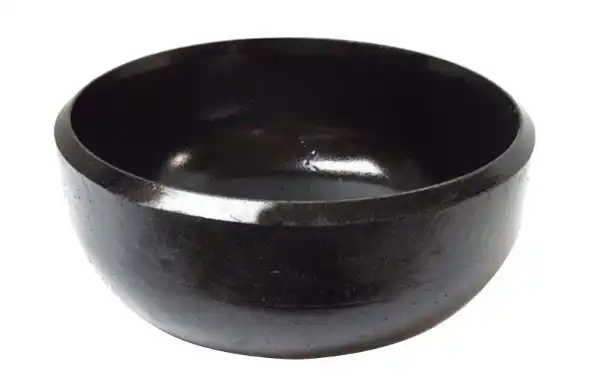
Understanding Carbon Steel and Copper Pipe Caps
Pipe caps are important parts of industrial pipeline systems in many different fields because they seal the ends of the pipes. These important parts keep the system pressure stable, stop contamination, and make sure operating safety in tough conditions.
Material Composition and Properties
The main parts in carbon steel pipe caps are iron and carbon. The carbon level is usually between 0.05% and 2.0%. Because of its high mechanical strength, this makeup makes these caps perfect for use in high-pressure situations up to 6000 PSI. The material is easy to weld and can handle temperatures up to 800°F, which makes it perfect for use in the natural gas, chemical, and oil industries. Copper pipe caps are made of pure copper or copper alloys, which naturally kill germs and conduct heat better than other metals. Copper is naturally resistant to rust and chemical breakdown, which makes these caps great for places where corrosion is a problem. Copper is easy to shape, which makes it easier to install using soldering or brazing methods, especially in plumbing and HVAC uses.
Industry Applications and Standards Compliance
Carbon steel caps are most common in heavy-duty industrial settings with a lot of heat and pressure. These parts are reliable in oil pipelines, chemical plants, and natural gas transportation systems because they meet ASTM A234, ASME B16.9, and API standards. The strong construction can handle tough working conditions and keep the structure's stability for long periods of time. Copper caps are used a lot in places where corrosion protection is important, like water distribution systems, HVAC installs, and naval uses. These parts are effective in moderate-pressure settings because they meet ASTM B75 and ASME B16.22 standards. Copper is very useful in drinkable water systems and medical gas uses because it naturally kills living things.
Key Differences Between Carbon Steel Caps and Copper Caps
When you know the main differences between carbon steel and copper caps, you can choose the right material for the job. These differences include technical qualities, how they are installed, and cost factors that have a direct effect on how the project turns out.
Mechanical Strength and Pressure Ratings
Copper caps have a tensile strength of 30,000 to 40,000 PSI, while carbon steel caps have a tensile strength of 60,000 to 80,000 PSI. Because it is stronger, carbon steel parts can handle the high pressures that are common in power plants and industrial plants. Because the material doesn't change shape when under stress, it is essential for important transit uses. Installing a CS Pipe Cap can handle pressure levels of up to Class 2500, which is a lot higher than copper's usual Class 150 limits. This feature is very important in places where safety must be the top priority, like high-pressure steam systems, hydraulic uses, and compressed gas transportation networks.
Corrosion Resistance and Environmental Factors
Copper caps naturally don't rust because they form protective patina layers that stop the metal from oxidizing further. This feature makes it last a long time in marine settings, underground sites, and situations where chemicals are present. Because the material doesn't rust when exposed to salt, it can be used in water cleaning processes. In corrosive settings, carbon steel caps need protective coats or cathodic protection to keep them from rusting. But because the material is naturally strong, it can have thicker wall parts that can allow for some corrosion during the planning process. These days, coating methods make carbon steel last a lot longer in harsh settings.
Installation Methods and Joint Integrity
Installing a copper cap can be done by soldering, brazing, or compression fitting, all of which take a modest level of skill and common tools. These ways of joining make seals that work well for moderate-pressure uses and make it easy to change or fix the system. When compared to carbon steel welding, installation usually doesn't need as much specialized gear. To place a carbon steel cap, you need to use qualified welding techniques that follow the AWS D10.12 standards for pipeline use. The welded joints make strong, solid links that can stand up to harsh circumstances. The best joint qualities and long-term dependability are achieved with the right pre-heating and post-weld heat treatment.
How to Choose Between Carbon Steel and Copper Pipe Caps for Your Application?
To choose the right pipe cap material, you need to look at a lot of practical aspects, economic factors, and government rules. In this way of making decisions, many factors are looked at that affect both short-term and long-term outcomes.
Operating Conditions Assessment
Thinking about temperature is a very important part of choosing materials. Carbon steel caps can handle temperatures above 800°F without losing their structural integrity. This makes them perfect for use in steam systems, thermal oil circuits, and other high-temperature process settings. The material's thermal growth properties stay the same over a wide range of temperatures. Copper caps work best in mild temperature ranges up to 400°F because they are good at moving heat, which is useful in both heating and cooling systems. The heat conductivity of the material helps keep the system from getting hot spots that could damage it. But copper may lose some of its mechanical strength over time if it is exposed to high temperatures. Pressure standards often tell us if a material can be used in a certain way. CS Pipe Cap options can handle the high pressures that are common in hydraulic systems, high-pressure steam lines, and facilities that store compressed gas. For important uses, the material's yield strength gives enough safety factors.
Chemical Compatibility and Environmental Exposure
Assessing chemical exposure helps find possible risks of material breakdown. It is very hard for carbon steel to react with alkaline environments, but it needs to be protected from acidic and salt environments. When choosing the right materials, you need to look at the pH levels, salt contents, and oxidizing possibilities of the process fluids. Copper is resistant to a lot of organic chemicals and neutral pH settings. However, it may rust more quickly in systems with acid or ammonia. Before making a final choice, industry rust data should be used to make sure the material is safe to use with certain chemicals.
Regulatory Compliance and Certification Requirements
Material requirements for different uses are set by industry guidelines. For use on pressure vessels, carbon steel caps must meet ASME Section VIII standards. For use in the oil business, they must meet API standards, and for water utility installations, they must meet AWWA requirements. These approvals make sure that materials meet certain performance standards for uses that are very important for safety. Quality approvals from ISO 9001:2000-certified makers give you even more peace of mind about the quality of your products and their provenance. To meet regulatory standards, well-known providers keep records of thorough material test results, heat treatment records, and dimensional inspection data.
Installation and Maintenance Best Practices for Carbon Steel and Copper Caps
Following the right steps for installation and care will extend the life of pipe caps and keep the system safe and reliable. For these activities to be legal, they must follow set industry norms and manufacturer suggestions.
Carbon Steel Cap Installation Procedures
Preparing for welding means cleaning the base materials, making sure they are compatible, and setting up the right joint shape. How much pre-heating is needed depends on the width of the material and the temperature of the surrounding area. For carbon steel uses, the temperature range is usually 200°F to 400°F. If you choose the right electrodes, the weld metal will be compatible with the base material. For important uses, quality control methods include eye inspection, dye penetrant testing, and x-ray examination. Welding process standards need to include limits on heat intake, temperature control between passes, and heat treatment needs after the weld. Consistency in the quality of the weld and its mechanical features is ensured by these steps.
Hydrostatic testing after installation checks the soundness of the joints and the system's ability to handle pressure. To make sure there are enough safety gaps, test pressures are usually 50% higher than working pressures. For regulatory compliance, documentation needs to include test papers, records of how materials can be tracked, and inspection reports.
Copper Cap Installation Techniques
To make sure the links are strong, soldering methods need to use the right amount of flux, control the joint clearance, and use the right heat techniques. Lead-free solders that meet NSF standards make sure that drinkable water systems can work with them and give the joints enough power. For the best mechanical qualities, use the right cooling rates to keep joints from being stressed. For brazing, silver-bearing metals are used to make joints that are stronger and can handle mild pressure. Controlling the temperature during soldering stops the base material from hardening, which could lower the system's pressure ratings. Long-term rust problems can be avoided by removing the flux after installation.
Preventive Maintenance Strategies
Regular review programs help find problems before they become system failures. Visual inspections look for signs of rust or mechanical damage, as well as the state of the paint and the strength of the joints. In corrosive settings, ultrasonic thickness readings should be part of CS Pipe Cap checks to keep an eye on wall loss. Cathodic protection systems need to be checked on a regular basis to make sure they are protecting underground carbon steel installations well. Schedules for replacing anodes and checking for electrical connections keep the system working well for long periods of time. Proper paperwork keeps track of how well safety systems work and what upkeep tasks need to be done.
Leading Suppliers and Procurement Insights for Carbon Steel and Copper Pipe Caps
To have a successful procurement strategy, you need to find skilled providers, set high standards, and manage the logistics of the supply chain well. These things make sure that products are delivered reliably and that prices stay low.
Supplier Qualification and Certification Verification
Manufacturing approvals are an important way to make sure the quality of industrial pipe caps. ISO 9001:2000 approval shows that quality control systems have been in place for a long time and that products always have the same qualities. Special equipment manufacturing licenses show that a provider can make pressure-bearing parts that meet government standards. Evaluating providers' production capacities helps make sure they can meet project delivery deadlines. Being able to produce more than 16,000 tons per year shows that the industrial facilities and supply chain are stable. Modern production tools and testing tools help meet the quality standards for tough uses. Inspection of arriving materials, tracking of work in progress, and testing of the finished product should all be part of quality control processes. Suppliers who keep detailed records of all tests show that they are committed to quality control and following the rules. These ways of documenting help meet the tracking needs of important apps.
Global Supply Chain Management
To make sure deliveries happen on time and costs are kept as low as possible, international shipping procedures need to be carefully coordinated. Strategies for combining containers help keep arrival times and lower shipping costs. Good packing standards keep goods safe while they're being shipped and handled across foreign borders. Material certificates, country of origin notices, and regulatory compliance statements must all be included in import paperwork. These papers help with the customs clearance process and make sure that the goods meet the standards of the place where they are going. For shipping CS Pipe Caps, you need to have the right classification numbers and safety paperwork for rules on dangerous materials. Lead time management means knowing when to make things, how to get them to where they need to go, and how long it takes for customs to handle them. Using buffer material helps keep projects on track while also being ready for possible problems in the supply chain. If you can talk to your sellers clearly, you can find out about any problems with shipping quickly.
Conclusion
Choosing between CS Pipe Cap and copper pipe caps mostly comes down to the needs of the product, the conditions of use, and cost. When mechanical strength is important, carbon steel caps work best in high-pressure, high-temperature settings. Copper caps, on the other hand, are better at resisting rust in moderate-duty situations. Understanding these basic differences, along with the right way to build and maintain industrial pipeline systems, makes sure that they work well and don't cost too much. To do good procurement, you need to work with qualified providers who keep up with the right certifications and quality control procedures to give you reliable products that meet project requirements.
FAQ
Which material offers better value for high-pressure applications?
CS Pipe Cap solutions typically provide superior value in high-pressure applications due to their exceptional strength-to-cost ratio. Carbon steel's ability to handle pressures exceeding 6000 PSI makes it ideal for demanding industrial environments where copper's pressure limitations would require oversized components or alternative design approaches.
Can copper caps be used in steam service applications?
Copper caps can handle mild steam service, but carbon steel caps are usually better for high-temperature steam service. The superior temperature resistance and mechanical qualities of carbon steel make it more suitable for power plants and industrial steam systems that need to be reliable.
How do I ensure carbon steel caps meet project specifications?
Make sure that providers keep their ISO 9001:2000 approval and the right licenses to make pressure-bearing parts. Ask for material test results, certificates of measurement inspection, and proof that the product meets the requirements of the relevant ASTM and ASME standards. Established sellers with a history of success in similar uses give you even more confidence in the quality of the product.
What are the typical delivery times for bulk orders?
Delivery times depend on how much you buy, how you want it customized, and how busy your seller is. Standard CS Pipe Cap goods usually ship between 2 and 4 weeks, but special orders may take 6 to 8 weeks. Depending on the location and how the operations are set up, international shipping can add two to three weeks for ocean freight or one to two weeks for air freight.
Contact Oudi for Premium CS Pipe Cap Solutions
Oudi stands as a leading CS Pipe Cap manufacturer with over 25 years of industry expertise and ISO 9001:2000 approval. Our cutting-edge factory makes 16,000 tons of high-quality carbon steel pipe fittings every year for more than 300 customers in over 40 countries. From inspecting the raw materials to checking the finished products, we have strict quality control procedures that make sure every CS Pipe Cap meets international standards like ASTM, ASME, and API requirements. Our technical team has a lot of experience and can help you with everything from choosing materials to making unique specs and buying in bulk. Get in touch with us at oudi-04@oudiguandao.com for low prices, quick shipping, and dependable CS Pipe Cap source relationships that will help your project succeed.
References
1. American Society of Mechanical Engineers. "ASME B16.9 - Factory-Made Wrought Buttwelding Fittings." ASME International Standards Committee.
2. American Petroleum Institute. "API 5L - Specification for Line Pipe." Upstream Segment Standards Development.
3. ASTM International. "ASTM A234 - Standard Specification for Piping Fittings of Wrought Carbon Steel." Committee A01 on Steel, Stainless Steel, and Related Alloys.
4. International Organization for Standardization. "ISO 9001:2000 - Quality Management Systems Requirements." Technical Committee ISO/TC 176.
5. American Welding Society. "AWS D10.12 - Recommended Practices for Welding Austenitic Stainless Steel." Committee on Piping and Tubing.
6. National Association of Corrosion Engineers. "NACE SP0169 - Control of External Corrosion on Underground Metallic Piping Systems." Technical Committee T-10.

Need help finding the right solution with our experts. Please contact us.

SINCE 1998 Your Reliable Pipeline Manufacturer



