What Are Industrial Steel Flanges Used For?
Industrial steel flanges are important parts for connecting pipes, valves, pumps, and other equipment in plumbing systems across many industries. They make sure that the joints are safe and don't leak. An Industrial Steel Flange is a key piece of the puzzle that makes it easy to put together, take apart, and maintain complicated networks of pipes. These strong parts are made from carbon steel, stainless steel, or alloy steel, and are made to handle high temperatures, high pressures, and environments that are corrosive. They are used in places like chemical plants, power plants, and oil and gas pipes.
Understanding Industrial Steel Flanges: Basics and Applications
Industrial steel flanges are mechanical links that join different parts of pipe systems together. They keep the structure strong and stop leaks. Unlike simple pipe couplings, flanges offer a removable link that makes it easier to do upkeep and make changes to the system without having to rebuild the whole pipeline.
Definition and Core Functions
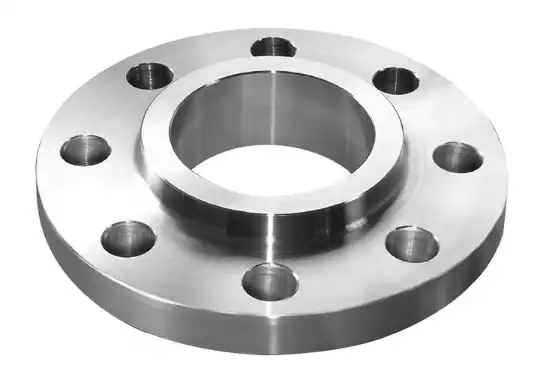
Within an Industrial Steel Flange, there is a flat, round plate with bolt holes all around it. This lets two flange sides be bolted together, with a gasket placed between them. This design makes a sealed joint that can withstand forces inside it while still letting heat expand and shrink. Forging is a way to make steel flanges. It creates a dense grain structure that gets rid of flaws like porosity and shrinkage holes that are common in cast options.
Common Flange Types and Specifications
On the business market, there are several different flange designs, each designed for a specific use and pressure level. Because their hubs are curved, weld neck flanges are the strongest. This makes them perfect for high-pressure uses in petroleum plants. Slip-on flanges are a cheap way to fix mild pressure systems. They have a slightly bigger inner diameter that goes over the ends of the pipes before they are welded. Blind flanges can be used to close off entry points for testing and repair on a pipeline temporarily or permanently. Socket weld flanges can fit smaller diameter lines because they are buried, and threaded flanges can connect things without welding in some situations. Lap joint flanges and stub ends work together to give you more options for where to place the bolt holes and lower the cost of materials in stainless steel uses.
Industry Standards and Compliance
Global compatibility and safety in industrial uses are made possible by manufacturing standards. ASME B16.5 covers steel flanges with a diameter of 1/2 inch to 24 inches, while ASME B16.47 covers diameters higher than 24 inches. European DIN standards and international ISO specifications offer different ways for global projects to make sure they follow the rules. These standards tell us what materials to use, how to measure them, how much pressure they can handle, and how to test them in a way that makes sure they work well in all kinds of situations.
Key Industrial Uses and Benefits of Steel Flanges
Steel flanges are useful and useful for many things in industry. In many industries, where operating reliability directly affects safety and profits, steel flanges are very useful because they can be used in a lot of different ways. Procurement workers can make better choices that improve both performance and cost-effectiveness when they understand these applications.
Primary Industrial Applications
Steel flanges are used a lot in upstream, midstream, and downstream sites for oil and gas activities. High-pressure flanges are used on wellhead tools to handle high pressures during extraction. On the other hand, pipeline systems need flanges that can handle changes in pressure and vibrations during long-distance transport. When refining sour crude oil that contains hydrogen sulfide, refineries use special valves that don't crack under sulfur stress. Chemical processing plants need flanges that can stand up to harsh chemical conditions and still keep the integrity of the seal. These facilities' Industrial Steel Flange parts must be able to withstand damage from acids, bases, and organic fluids while working under high pressure and temperature. When making medicines, flanges need to meet strict cleanliness standards and have smooth edges that keep germs from spreading. Steel flanges are used in power plants for connecting turbines, feedwater systems, and steam lines. Nuclear power plants need flanges that meet strict standards for nuclear quality assurance. Thermal power plants, on the other hand, need parts that can handle high-temperature steam without breaking down.
Performance Benefits and Advantages
When it comes to mechanical qualities, steel flanges are better than other materials and joining methods. The forged steel design gives it great tensile strength and resistance to wear, which is important for uses that involve changing pressures and temperatures. Corrosion protection can be increased by choosing the right materials and applying protective coatings. This can make things last longer in harsh settings. Another big benefit is that flanged connections make installation more flexible because they allow for precise alignment and easy removal during upkeep. This makes it easier to get to, which cuts down on downtime costs and lets you set up preventative maintenance plans that make the system last longer. Standardized bolt designs and sizes make it easier to keep track of supplies and make sure that parts are available all over the world.
Comparing Industrial Steel Flanges: Choosing the Best Fit
Understanding the unique performance qualities and cost effects of each choice is necessary to choose the right flange materials and designs. With this information, engineers can make sure that project costs are met while also improving system performance.
Material Selection Considerations
Carbon steel flanges are very strong and don't cost a lot of money. They are best for general industrial uses where rust protection isn't very important. In oil and gas applications, ASTM A105 carbon steel flanges work reliably, and in cryogenic applications, ASTM A350 low-temperature carbon steel types keep their hardness. When mechanical strength is more important than rust protection, these materials work great in high-pressure situations. Although they cost more at first, stainless steel flanges are better at resisting rust and last longer in harsh settings. ASTM A182 grades include different types of stainless steel, from basic 304 stainless steel for mildly corrosive environments to rare metals like Hastelloy for very harsh chemical handling needs. The higher price is usually worth it because the service lasts longer and needs less upkeep.
Manufacturing Process Differences
Forged steel flanges are made by mechanically forming hot steel billets, which creates a thick grain structure that fits the shape of the part. This method gets rid of internal gaps and makes materials with better mechanical properties than cast options. Forged Industrial Steel Flange parts are more resistant to pressure and last longer after being fatigued, which makes them necessary for important tasks where failure would have serious effects. Cast steel flanges offer cost advantages for large diameter uses where forging isn't possible. Modern casting techniques and quality control measures have improved cast flange reliability, but in high-stress situations, they usually can't compete with forged parts.
Design Configuration Analysis
For general industrial use, raised face flanges are the most common way to close something. They can fit standard spiral wound or solid gaskets. Flat-face versions spread bolt loads more widely, but they need full-face gaskets, which are more expensive to repair. Ring-type joint flanges make metal-to-metal seals for high-pressure uses, but they need to be precisely machined and come with special covers. When choosing a pressure grade, you need to think about both the working conditions and the safety aspects. Class 150 flanges are good for low-pressure uses up to 230 PSI at room temperature, and Class 2500 flanges can handle pressures higher than 6,100 PSI. It's important to think carefully about how temperature affects pressure ratings, since allowed pressures drop a lot when temperatures rise.
Procurement Guide: How to Buy Industrial Steel Flanges Efficiently?
To buy flanges successfully, you need to know about the skills of suppliers, quality systems, and global shipping issues that affect project costs and timelines.
Supplier Evaluation Criteria
With ISO 9001 quality management systems and special manufacturing licensing, certified producers show that they follow international quality standards. With these certificates, production methods are kept consistent, and products can be tracked all the way through the supply chain. CNC machining machines and automatic inspection systems are examples of advanced production equipment that can show if a provider can keep the tight size limits needed for reliable sealing performance. Export knowledge is very important for foreign projects because experienced suppliers know how to deal with customs, what paperwork is needed, and how to ship the goods. Suppliers with more than 300 customers in more than 40 countries show that they can handle big commercial projects and be reliable.
Cost Optimization Strategies
Minimum order amounts usually encourage buying in bulk, and projects that need a lot of flanges with the same specs can save a lot of money per unit. Custom production services can meet unique needs, but they take longer to get to and cost more per unit. For yearly contracts that guarantee minimum buy promises, Industrial Steel Flange sellers frequently offer volume discounts. Costs for material approval make up a big part of the total price for important uses that need mill test certificates and third-party inspection. Regular industrial-grade flanges are cheaper for uses that aren't very important and don't need full material tracking.
Quality Assurance and Lead Times
Inspection needs change depending on how important the product is and what the customer wants. Most business uses only need standard eye inspection and dimensional proof. However, ultrasonic testing, magnetic particle inspection, and pressure testing may be needed for important services. These extra quality checks make wait times longer, but they make sure that parts will work reliably in tough situations. Schedules for realistic deliveries take into account the time it takes to make the product, the time it takes to check it, and the shipping time between countries. Standard flanges in stock usually ship within days, but special designs may take 6 to 8 weeks to make, plus shipping time. Getting suppliers involved early on in the planning stages of a project keeps it on track and opens up possibilities for value engineering.
Installation & Maintenance Best Practices for Industrial Steel Flanges
If you install and maintain your system correctly, the flange will last longer, and the system will be safe and reliable for as long as it is in use.
Installation Procedures and Requirements
To keep gaskets from getting damaged and to make sure bolts are loaded evenly, flange fitting needs to be done with great accuracy. Pipe supports must hold the system's weight well enough to keep the flange face from coming apart during heat cycles. For dependable seals that stop dangerous leaks, the flange sides must be clean, and the gaskets must be installed correctly. Bolt force standards are based on well-known patterns that make sure the seal surface is compressed evenly. Sequentially tightening in a star design keeps the closing force evenly distributed and stops the gasket from coming out of the seal. Lubricated bolt threads reduce friction and make it easier to apply the right amount of force, but it needs to be confirmed that the lube is compatible with the system fluids.
Gasket Selection and Application
Spiral Industrial steel flanges with stainless steel windings and graphite fill work very well to seal in a wide range of temperatures and can handle thermal cycles. Solid metal seals work well in high-pressure situations, but they need precise flange face finishes and stronger bolt loads. When the temperature and pressure are mild, elastomeric seals are a cheaper option.
Preventive Maintenance Protocols
Bolt tension, gasket state, and flange face stability should all be checked on a regular basis. Thermal cycling lowers bolt tension over time, so they need to be re-torqued from time to time to keep the seal's integrity. Finding leaks during regular checks lets you fix problems quickly, before small leaks become major safety risks. Monitoring surface rust helps predict when repair needs to be done and when parts need to be replaced. Protective coats need to be renewed every so often to keep them resistant to rust. On the other hand, internal surfaces may need to be cleaned to get rid of deposits that make closing surfaces less effective.
Conclusion
Industrial Steel Flange parts are important connectors in many different industries. They make it possible to connect pipe systems in a way that is safe, easy to keep, and can withstand harsh working conditions. These designed parts give safe industrial processes the dependability and performance they need, from oil and gas infrastructure to chemical processing and power generation. Engineers and procurement workers can improve system performance and keep costs low by learning about flange types, material choices, and purchase strategies. The service life of components is extended, and working safety is maintained when they are installed and maintained correctly.
FAQ
What materials are best for industrial steel flanges in corrosive environments?
Grades of stainless steel like 316L are very good at resisting rust in general, and super duplex stainless steels can handle harsh chemical conditions. For extreme conditions, exotic alloys such as Hastelloy or Inconel may be required. Protective coats on carbon steel flanges offer cost-effective solutions for moderate corrosive conditions.
Can industrial steel flanges be customized for non-standard piping applications?
Custom flange manufacturing accommodates unique dimensional requirements, non-standard bolt patterns, and specialized materials. Transition flanges adapt between different pipe sizes or standards, while anchor flanges provide structural connections for specific setups. Custom manufacturing typically requires a 6-8 week lead time.
How do I verify the correct flange size and pressure rating for my application?
For flanges, standard size charts are used based on the nominal width of the pipe. For pressure ratings, however, both the working pressure and temperature must be taken into account. Professional engineering advice is needed to make sure that the right specifications are used, especially for important uses where failure would have serious effects. There are thorough tables of pressure-temperature ratings in industry guidelines.
Partner with Oudi for Premium Industrial Steel Flange Solutions
Oudi delivers world-class manufacturing excellence with over 25 years of experience producing superior Industrial Steel Flange components for global industrial markets. Our ISO 9001-certified facility maintains rigorous quality control from raw material inspection through final product testing, ensuring every flange meets international standards, including ASME, DIN, and JIS specifications. With 16,000-ton annual production capacity and advanced inspection equipment, we provide reliable supply chain solutions for projects worldwide. Contact our technical experts at oudi-04@oudiguandao.com for competitive pricing on carbon steel, stainless steel, and alloy steel flanges tailored to your specific requirements as a trusted Industrial Steel Flange manufacturer.
References
1. Smith, J.R. "Industrial Piping Systems Design and Material Selection." American Society of Mechanical Engineers Press, 2019.
2. Johnson, M.K. "Corrosion Resistance in Chemical Processing Equipment." Chemical Engineering Materials Handbook, 2020.
3. Brown, T.A. "Flange Connection Technology for High-Pressure Applications." Pressure Vessel Engineering Journal, Vol. 45, 2021.
4. Wilson, D.L. "Quality Standards in Industrial Steel Component Manufacturing." International Materials Engineering Review, 2020.
5. Anderson, P.C. "Pipeline Infrastructure Materials and Safety Standards." Oil & Gas Engineering Quarterly, 2019.
6. Thompson, R.S. "Maintenance Best Practices for Industrial Piping Systems." Process Engineering Maintenance Guide, 2021.

Need help finding the right solution with our experts. Please contact us.

SINCE 1998 Your Reliable Pipeline Manufacturer



