Types of Stainless Steel Butt Weld Tee
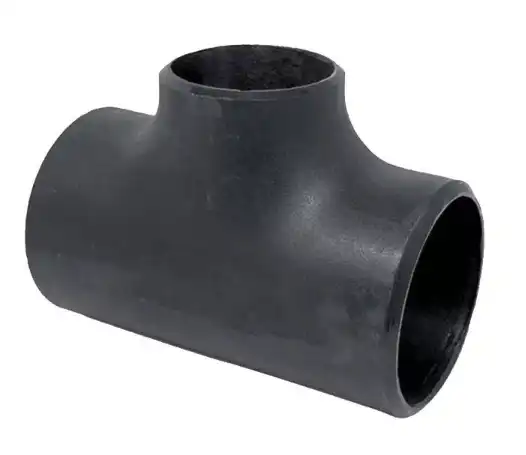
The most basic type of industrial pipe fitting is the stainless steel butt weld pipe tee fitting, which joins three pipe sections together in a T shape. There are different kinds of these specialized fittings, such as equal tees, reducing tees, sensor tees, and lateral tees. Each is designed to meet a specific flow distribution need. The main types are different in how their branches are arranged, how big they are, and what materials they are made of. For example, grades 304 and 316 stainless steel have different levels of resistance to rust and mechanical strength, making them useful for a wide range of industrial uses.
Introduction
Butt weld tees made of stainless steel are very important parts of industrial pipe infrastructure because they let fluid flows branch off and go in different directions in systems for oil, chemicals, natural gas, and water conservation. These T-shaped fittings make it easy to connect three pieces of pipe where they meet. This protects the structure and keeps the flow going smoothly. Choosing the right tee configurations has a direct effect on how well the system works, how much upkeep it needs, and how long it lasts.
Today's factories need parts that are precisely designed to work in harsh conditions with high pressures, corrosive surroundings, and changing temperatures. Engineers and procurement managers know that choosing a tee requires a lot of thought, as there are many things to consider, such as the material specs, the size tolerances, and foreign standards. This complete guide covers the important parts of buying tees strategically, so you can make smart choices that fit the needs of your project and your budget.
The global market for stainless steel pipe fittings keeps growing thanks to efforts to improve infrastructure and bring industries up to date. Understanding the subtle differences between types of t-shirts, how they are made, and the benefits they offer in different situations helps buying teams improve their sourcing strategies while still meeting strict quality standards.
Overview of Stainless Steel Butt Weld Tees
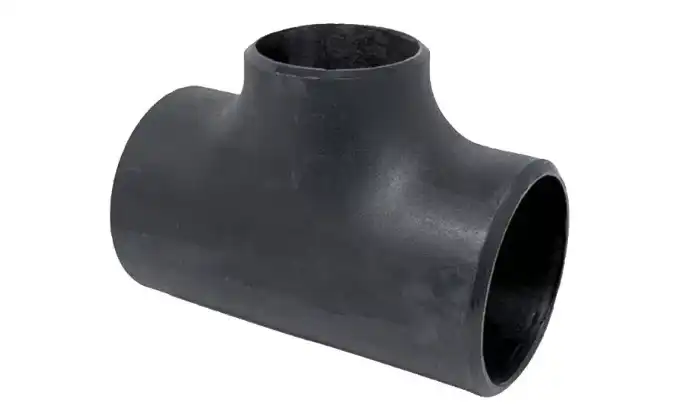
Stainless steel butt weld tees are three-way pipe fittings with curved ends that let you directly weld to pipe sections. This makes joints that are smooth and don't need threaded or socket connections. The butt weld pipe tee design makes sure that there is full penetration welding, which gets rid of possible leak points and gives the structure the same continuity as the connected piping system. These fittings meet set standards, such as ASME B16.9 for size requirements and ASME B16.25 for butt-weld end requirements.
Material Specifications and Grades
Different types of stainless steel are used to make these t-shirts. Each has its own qualities that make it good for different uses. This grade of stainless steel is very good at resisting rust and being strong, so it can be used in most industrial settings. Grade 316 stainless steel has molybdenum added to it, which makes it more resistant to rust caused by chloride. This makes it useful in sea settings and chemical processing plants.
The choice of materials affects both the original cost of buying them and their long-term costs of use. Because stainless steel types are better at resisting corrosion, they need less upkeep and last longer than carbon steel alternatives. For users using corrosive materials or places with a lot of wetness, this benefit becomes even more important.
Dimensional Standards and Pressure Ratings
Standardized dimensions make sure that products from different makers and pipe systems can work together. These tees can fit pipe sizes from 1/2 inch to 48 inches in diameter, and their wall thicknesses range from SCH 10 to SCH XXS, based on the pressure needs. Standardized measurements make it easier to keep track of supplies and make buying things for big projects easier.
Types of Stainless Steel Butt Weld Tee
Stainless steel butt weld tees come in several different shapes and sizes, each made to meet particular needs for flow distribution and system integration. When buying, workers understand these differences, they can choose the right parts that will improve system performance while still meeting size and pressure requirements.
Equal Tees
Equal tees make sure that the pipe diameters at all three exits are the same, which creates a balanced flow spread. The entrance and exit measurements of these tees are the same, which ensures that the flow speed and pressure are the same at the branching point. Equal tees are great for situations where you need to split or combine flows in a balanced way because their symmetrical design reduces noise and pressure drops.
When equal tees are made, hydraulic bulging methods are often used to make sure that the walls are all the same thickness and that the internal changes are smooth. The way the product is made makes interior points that are rounded, which makes the flow easier and reduces the chance of erosion. Dimensional verification and non-destructive testing are examples of quality control methods used during production to make sure that pressure vessel codes are followed.
Reducing Tees
Between the main run and branch outlet, reducing tees have different widths, which makes it easier to connect pipe systems of different sizes. The main pipe links stay the same size, but the branch exit can fit a pipe with a smaller diameter. This setup makes it easy to move from one part of the system to another without the need for extra gear fittings.
When designing fewer tees, it's important to make sure that the wall thickness at the branch link is enough to keep the structure strong under working pressures. The change in dimensions must be taken into account during the manufacturing process so that stress concentration points don't form and cause the product to fail early. To properly specify lowering tees, you need to carefully look at the flow needs and pressure differences across the fitting.
Instrumentation Tees
Instrumentation tees have special branch ports that can be used with measuring and controlling devices. The connections on these tees are very carefully machined so that pressure indicators, temperature monitors, or flow tracking equipment can be put in place. Most of the time, the branch outlets are smaller than normal tee designs, and they may have threaded connections for attaching instruments.
To butt weld pipe tee that sensitive measuring equipment is properly aligned and sealed, the making of sensor tees needs to be more precise. To meet strict standards for accuracy, these parts often go through extra quality control steps like leak tests and measurement checks. When writing specs for instrumentation tees, it's important to think about the needs of monitoring tools and the weather.
Lateral Tees
Lateral tees, which are also called side exit tees, have branch links that are 45 degrees away from the main pipe run. This shape gives designers of plumbing systems more freedom in choosing the direction of the pipes while keeping the same level of structural strength as regular tees. Lateral tees are especially useful in small areas where installing standard 90-degree branch connections would be hard.
Because lateral tees are so complicated to make, they need special tools and forming methods to get the branch position at an angle while keeping the wall width the same. Stress analysis and pressure testing are quality control methods that check how well something works in real-world situations. Because they have special production needs, these parts usually come with a higher price tag.
Comparing Butt Weld Tee Types: Making Informed Procurement Decisions
When choosing butt weld pipe tee components, performance traits, production methods, and lifecycle costs are all carefully looked at. Depending on the needs of the application, the limitations of the system, and the operating factors, each tee configuration has its own specific benefits. By understanding these comparison factors, buying teams can make the best decisions about which parts to buy.
Structural Performance Comparison
Butt weld tees are more structurally sound than threaded or socket weld options because they use full entry welding to make joints that work 100% of the time. This method of welding makes the fitting and attached pipe run together without any gaps. This lets the unit handle the same levels of pressure and temperature as the base pipe material. Getting rid of threads or socket setups lowers the number of places where stress can build up and cause fatigue breakdowns.
Because they slip over, socket-weld tees make fitting easier, but they also leave cracks that could hold acidic media or debris. There are also physical breaks in the socket design that can cause noise and make pressure drops bigger. Threaded tees make it possible to take things apart, but they have lower pressure values and may hurt when used with stainless steel.
Manufacturing Method Impact
Different ways of making butt weld tees have big effects on how well they work and how much they cost. Seamless production methods get rid of weld lines that could be failure places and make grain structures that are all the same. Using hot pressing, tees are made from larger pipe pieces while keeping the original properties of the material and getting exact control over the dimensions.
A new way to make things called "hydraulic bulging" uses controlled internal pressure to make the branch opening from smooth pipe stock. This method makes sure that the wall thickness is spread out evenly and that there are smooth internal changes that improve the flow properties. Specialized tools and knowledge are needed for the process, which makes it more expensive to make but better at doing important jobs.
Material Selection Considerations
Choosing between different types of stainless steel affects both the cost of buying it initially and the cost of running it in the long term. Grade 304 stainless steel works well in a wide range of situations because it doesn't rust and has good mechanical qualities that make it perfect for most industrial uses. Adding molybdenum to grade 316 stainless steel makes it more resistant to corrosion, which justifies its higher starting cost in harsh settings.
For tough jobs, specialized metals like duplex stainless steels offer more strength and better resistance to stress corrosion cracks. Although these materials are more expensive, they may have better lifecycle value in tough working situations. When buying something, people have to weigh the starting costs against how long they think it will last and how much upkeep it will need.
Installation and Maintenance Best Practices for Stainless Steel Butt Weld Tees
The performance and service life of stainless steel butt weld tees are maximized when they are installed and maintained correctly. This also ensures system stability and safety. These practices include getting ready for installation, welding, checking for quality, and regular upkeep that helps the system work at its best.
Pre-Installation Preparation
To make sure the weld is good, the pipe ends and fitting areas must be carefully prepared before the installation can go well. When cutting pipes, the cuts must be straight and smooth, with no burrs or deformations that could make it hard for the weld to go through. For important uses, grinding or machining may be needed to get the surface finish and size accuracy that are needed.
Material verification processes make sure that the materials can be used with current piping systems and under current working conditions. Analyzing the chemical makeup and trying the mechanical properties make sure that the project meets the requirements and follows the rules. Keeping copies of test results and material certificates helps with quality control and following the rules.
Welding Procedures and Quality Control
Butt weld pipe tee installations need skilled methods and licensed welders to make sure that the quality and dependability of the welding process are always the same. The welding process specs must include the necessary preheat, the choice of filler metal, and the post-weld heat treatment based on the type of material and the thickness of the walls. Fitting and aligning correctly stops warping and makes sure that the quality of the weld is the same all the way around.
As needed by codes and project specifications, quality control methods include checking the product's appearance, making sure it fits properly, and testing it without damaging it. In serious situations, X-rays or ultrasound tests might be needed to find flaws inside the system that could make it less reliable. Keeping records of inspection data helps meet quality standards and makes it easier to find past upkeep work.
Preventive Maintenance Strategies
Regular inspection programs find possible problems before they become dangerous or expensive to fix. Visual inspections look at the outside of something to see if there are any signs of rust, mechanical damage, or stress cracks that could mean problems are starting to form. Ultrasonic thickness readings keep an eye on wall loss in places where corrosion is common.
Cleaning and passivation processes done on a regular basis keep stainless steel surfaces from rusting by getting rid of contaminants and recovering the protective oxide layer. It's especially important to follow these steps in places where salt or other harsh chemicals could affect how well materials work.
Procurement Guide: How to Buy Stainless Steel Butt Weld Tees
To buy stainless steel butt weld t-shirts around the world, you need to know how the market works, what suppliers can do, and what quality control standards are needed. Cost and quality need to be balanced in good buying strategies that also make sure that project schedules and technical requirements are met.
Supplier Evaluation Criteria
To find suitable suppliers, a full evaluation of their manufacturing skills, quality systems, and shipping performance must be done. ISO 9001 certification shows that quality management systems are in place, and industry-specific certifications show that the company is an expert in making pipe fittings. Supplier checks make sure that quality standards are being met and that output capacity for big projects is being evaluated.
As part of evaluating manufacturing skills, the tools, methods, and technical know-how needed for different tee designs are looked at. Precision machining tools and advanced manufacturing sites that can do hydraulic bulging can make better goods with tighter standards. Quality control labs that can do both chemistry analysis and mechanical testing make sure that materials meet standards and that products are reliable.
Minimum Order Quantities and Lead Times
Knowing the minimum order amount needed and the time it takes to make something helps with planning projects and keeping track of supplies. When compared to custom requirements or rare materials, standard butt-weld pipe tee configurations usually have lower MOQs and faster lead times. Buying in bulk can save you money, but you need to be careful about predicting demand and investing in supplies.
Some things that go into planning a production schedule are the supply of raw materials, the factory's capacity, and the need for quality control, all of which affect shipping times. Rush orders might cost more, and the quality might suffer if the right steps aren't taken as quickly. Getting involved with providers early on helps with planning and improving buying strategies.
International Shipping and Logistics
Global buying involves a lot of complicated handling issues, such as how to package, ship, and clear customs. When things are properly packed, they don't get damaged during shipping, and shipping costs are kept low by making the best use of containers. Material certificates, inspection records, and export compliance certifications are some of the documents that are needed.
Risk management plans take into account things like quality problems, delays, and problems in the supply chain that might happen and cause problems with project dates. Diversifying your suppliers makes you less reliant on a few main sources, but it keeps quality standards high and costs low. Transportation risks and quality problems that could cause expensive project delays are covered by insurance.
Conclusion
Butt weld pipe tee steel butt-weld tees have a big effect on how well systems work, how much upkeep they need, and how much they cost to run in a wide range of industry settings. When procurement workers know the differences between equal tees, reducing tees, instrumentation tees, and lateral setups, they can choose the best parts for the job. When you mix the strength of butt weld designs with the resistance to corrosion of stainless steel materials, you get solid solutions for tough working conditions. To make sure the project is a success, buying must include a full assessment of the supplier's skills, quality processes, and delivery performance. As the world's infrastructure keeps growing, so will the need for high-quality pipe fittings. This means that making smart purchasing decisions is becoming more and more important for staying ahead of the competition.
FAQ
What are the main advantages of stainless steel butt weld tees over other connection types?
Stainless steel butt weld tees offer superior structural integrity through full penetration welding that achieves 100% joint efficiency, enabling them to withstand the same pressure and temperature ratings as the connecting pipe. The seamless internal profile minimizes turbulence and pressure drops while eliminating crevices that could harbor corrosive media or debris, unlike socket weld or threaded alternatives.
How do I determine the correct tee type for my specific application?
The selection depends on your flow requirements, pipe size transitions, and installation constraints. Equal tees suit balanced flow distribution, reducing tees accommodate size transitions, instrumentation tees enable measurement device installation, and lateral tees provide 45-degree branch connections for space-constrained applications. Consider pressure ratings, material compatibility, and maintenance requirements when making your selection.
What quality certifications should I look for when procuring stainless steel butt weld tees?
Essential certifications include ISO 9001 quality management system certification, material test certificates confirming chemical composition and mechanical properties, and compliance with applicable standards like ASME B16.9. Additional certifications may include special equipment manufacturing licenses and third-party inspection certificates for critical applications.
What factors influence the pricing of stainless steel butt weld tees?
Pricing factors include material grade selection, manufacturing complexity, dimensional specifications, quantity requirements, and quality control level. Seamless manufacturing and exotic alloys command premium pricing, while standard configurations in common grades offer more competitive costs. Minimum order quantities and delivery requirements also impact final pricing structures.
Contact Oudi for Premium Stainless Steel Butt Weld Tees
Oudi stands as a leading butt-weld pipe tee manufacturer with over 25 years of expertise in producing high-quality stainless steel pipe fittings that meet the demanding requirements of global industrial applications. Our state-of-the-art manufacturing facility spans 66,600 square meters and maintains an annual production capacity of 16,000 tons, ensuring reliable supply chain support for large-scale projects. We hold ISO 9001:2000 quality management system certification and special equipment manufacturing licenses, demonstrating our commitment to excellence and regulatory compliance.
Our comprehensive product range includes equal tees, reducing tees, sensor tees, and lateral configurations manufactured from premium grades 304 and 316 stainless steel. Modern production tools, like hydraulic bulge systems, make sure that the walls are all the same width and that the flow is better. To meet foreign standards like ANSI, ASME, and ISO requirements, every product goes through strict quality control tests and non-destructive inspections.
Contact our technical team at oudi-04@oudiguandao.com for expert guidance on selecting the optimal butt weld pipe tee supplier for your specific application requirements. Our global export experience serving over 300 customers across 40 countries provides the expertise and reliability your project demands.
References
1. American Society of Mechanical Engineers. ASME B16.9 Factory-Made Wrought Buttwelding Fittings. 2018 Edition.
2. ASTM International. ASTM A403 Standard Specification for Wrought Austenitic Stainless Steel Piping Fittings. Annual Book of ASTM Standards, Volume 01.01.
3. Becht Engineering Company. Pipe Fitting Design and Installation Guidelines for High-Pressure Applications. Technical Publication Series, 2019.
4. International Organization for Standardization. ISO 9001:2015 Quality Management Systems Requirements. Third Edition.
5. Piping Engineering Handbook. Stainless Steel Butt Weld Fitting Manufacturing Processes and Quality Control Methods. Industrial Press, 2020.
6. Welding Research Council. Welding Procedures for Stainless Steel Pipe Fittings in Industrial Applications. Bulletin 485, 2018.

Need help finding the right solution with our experts. Please contact us.

SINCE 1998 Your Reliable Pipeline Manufacturer



