How does ASME B16.9 define dimensions for butt-weld fittings
ASME B16.9 is a significant standard that characterizes the measurements for butt-weld fittings, which are fundamental components in channeling frameworks over different businesses. This standard gives comprehensive rules for producers and engineers to guarantee consistency and compatibility in the generation and application of these fittings. By setting up particular dimensional necessities, ASME B16.9 plays a crucial part in keeping up the astuteness and unwavering quality of channeling frameworks. The standard covers a wide extend of fittings, counting elbows, tees, reducers, and caps, indicating their measurements based on components such as ostensible pipe estimate, divider thickness, and fabric sort. Understanding how ASME B16.9 characterizes these measurements is significant for experts included in the plan, make, and establishment of channeling frameworks, especially those utilizing carbon steel pipe fittings.
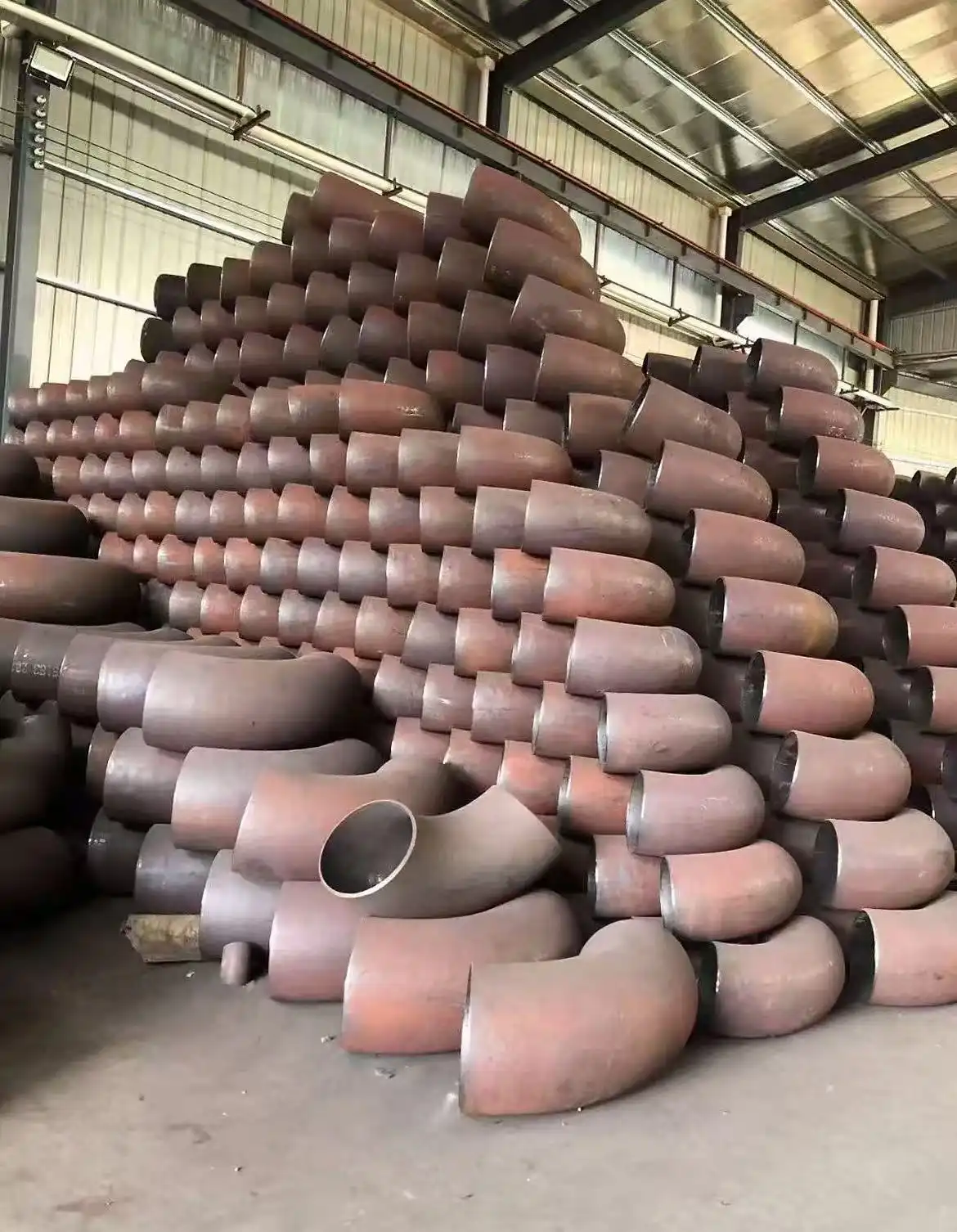
What are the key features of carbon steel pipe fittings defined by ASME B16.9?
Dimensional Accuracy
Carbon steel pipe fittings characterized by ASME B16.9 are known for their exact dimensional exactness. This standard guarantees that fittings are fabricated to correct determinations, permitting for consistent integration into channeling frameworks. The dimensional precision of carbon steel pipe fittings is pivotal for keeping up legitimate arrangement, lessening stretch focuses, and guaranteeing ideal stream characteristics. ASME B16.9 gives point by point tables and graphs that indicate the measurements for different fitting sorts, counting divider thickness, exterior distance across, and end-to-end estimations. This level of accuracy in carbon steel pipe fittings contributes to the by and large unwavering quality and effectiveness of channeling frameworks, making them perfect for utilize in requesting mechanical applications.
Material Compatibility
ASME B16.9 characterizes carbon steel pipe fittings with a center on fabric compatibility. The standard guarantees that these fittings are fabricated utilizing materials that are congruous with the channels they are expecting to interface. This compatibility is fundamental for keeping up the basic astuteness of the channeling framework and anticipating issues such as galvanic erosion. Carbon steel pipe fittings characterized by ASME B16.9 are outlined to withstand different working conditions, counting tall temperatures and weights. The standard too considers variables such as chemical resistance and mechanical properties, guaranteeing that the fittings can perform dependably in their expecting applications. This accentuation on fabric compatibility contributes to the life span and security of channeling frameworks utilizing carbon steel pipe fittings.
Pressure Ratings
ASME B16.9 gives clear rules for the weight evaluations of carbon steel pipe fittings. These appraisals are vital for guaranteeing that the fittings can withstand the working weights of the channeling framework without disappointment. The standard characterizes weight evaluations based on components such as fabric quality, divider thickness, and temperature conditions. Carbon steel pipe fittings made to ASME B16.9 details are accessible in different weight classes, permitting engineers to select the suitable fittings for their particular application necessities. This consideration to weight appraisals improves the security and unwavering quality of channeling frameworks, especially in high-pressure mechanical situations where the keenness of carbon steel pipe fittings is paramount.
How do carbon steel pipe fittings contribute to the efficiency of piping systems?
Flow Optimization
Carbon steel pipe fittings play a pivotal part in optimizing stream inside channeling frameworks. The smooth inner surfaces and exact measurements of these fittings, as characterized by ASME B16.9, offer assistance diminish turbulence and weight drops. This optimization is especially imperative in mechanical applications where productive liquid transport is fundamental. Carbon steel pipe fittings, such as elbows and tees, are outlined to minimize stream resistance and keep up steady liquid speed. The carefully designed shapes of these fittings guarantee that changes in stream heading are continuous, diminishing vitality misfortunes and progressing by and large framework proficiency. By contributing to stream optimization, carbon steel pipe fittings offer assistance decrease pumping costs and improve the execution of channeling frameworks over different industries.
Structural Integrity
The auxiliary judgment given by carbon steel pipe fittings is a key figure in the productivity and life span of channeling frameworks. ASME B16.9 guarantees that these fittings are made to withstand the mechanical stresses and natural conditions they may experience. The strong nature of carbon steel pipe fittings makes them perfect for utilize in high-pressure and high-temperature applications. Their capacity to keep up basic keenness beneath challenging conditions diminishes the chance of spills, disappointments, and framework downtime. This unwavering quality is especially profitable in businesses such as oil and gas, where framework disappointments can have noteworthy security and financial suggestions. By giving a solid and steady association between pipe segments, carbon steel pipe fittings contribute to the generally productivity and toughness of channeling systems.
Ease of Installation and Maintenance
Carbon steel pipe fittings characterized by ASME B16.9 are outlined with ease of establishment and upkeep in intellect. The standardized measurements and determinations guarantee that these fittings are consistent with a wide run of channeling components, streamlining the establishment prepare. The consistency in fabricating too permits for simple substitution of fittings amid support or framework updates. Carbon steel pipe fittings ordinarily highlight welded associations, which give a solid and leak-tight seal when legitimately introduced. This ease of establishment and upkeep contributes to decreased downtime and lower labor costs related with channeling framework development and upkeep. The toughness of carbon steel pipe fittings too implies that they require less visit substitution, encourage upgrading the in general effectiveness and cost-effectiveness of channeling systems.
What are the advantages of using carbon steel pipe fittings in industrial applications?
Durability and Strength
Carbon steel pipe fittings offer exceptional durability and strength, making them ideal for industrial applications. The high carbon content in these fittings provides excellent resistance to wear, impact, and fatigue. This durability translates to longer service life and reduced maintenance requirements, which is particularly valuable in demanding industrial environments. Carbon steel pipe fittings defined by ASME B16.9 are engineered to withstand high pressures and temperatures, making them suitable for a wide range of applications, from oil refineries to power plants. Their strength also allows for thinner wall thicknesses compared to some other materials, potentially reducing overall system weight and cost. The robust nature of carbon steel pipe fittings contributes to the reliability and safety of industrial piping systems, ensuring consistent performance under challenging conditions.
Cost-Effectiveness
One of the significant advantages of carbon steel pipe fittings is their cost-effectiveness. Carbon steel is relatively inexpensive compared to many other materials used in piping systems, such as stainless steel or exotic alloys. This lower material cost, combined with the ease of manufacturing and widespread availability, makes carbon steel pipe fittings an economical choice for many industrial applications. The long service life and low maintenance requirements of these fittings further enhance their cost-effectiveness over the lifetime of a piping system. Additionally, the standardization provided by ASME B16.9 allows for interchangeability between different manufacturers, potentially reducing procurement costs and lead times. For industries where large-scale piping systems are required, the use of carbon steel pipe fittings can result in substantial cost savings without compromising on performance or reliability.
Versatility and Availability
Carbon steel pipe fittings offer remarkable versatility, making them suitable for a wide range of industrial applications. These fittings can be used in systems carrying various fluids, including water, oil, gas, and chemicals, provided they are properly selected and treated for the specific application. The versatility of carbon steel pipe fittings extends to their ability to handle a broad range of temperatures and pressures, making them adaptable to diverse operating conditions. ASME B16.9 defines a comprehensive range of fitting types and sizes, ensuring that there is a suitable carbon steel pipe fitting for virtually any piping configuration. This versatility is complemented by the wide availability of these fittings. Carbon steel pipe fittings are produced by numerous manufacturers worldwide, ensuring a steady supply and competitive pricing. The global availability of these fittings facilitates quick replacements and repairs, minimizing downtime in industrial operations.
Conclusion
ASME B16.9 plays a crucial role in defining the dimensions and specifications for carbon steel pipe fittings, ensuring consistency, reliability, and performance across various industrial applications. These fittings offer significant advantages, including durability, cost-effectiveness, and versatility, making them a preferred choice in many piping systems. As industries continue to evolve, the importance of standardized, high-quality components like carbon steel pipe fittings remains paramount. For those seeking reliable and efficient piping solutions, partnering with reputable manufacturers like Cangzhou Oudi Pipe Manufacture Co., Ltd. can provide access to top-quality carbon steel pipe fittings that meet or exceed ASME B16.9 standards. For more information or inquiries, please contact us at oudi-04@oudiguandao.com.
FAQ
Q: What is the primary purpose of ASME B16.9?
A: ASME B16.9 defines dimensions and specifications for butt-weld fittings, ensuring consistency and compatibility in piping systems.
Q: Are carbon steel pipe fittings suitable for high-pressure applications?
A: Yes, carbon steel pipe fittings defined by ASME B16.9 are designed to withstand high pressures and are available in various pressure ratings.
Q: How do carbon steel pipe fittings contribute to flow optimization?
A: These fittings have smooth internal surfaces and precise dimensions that reduce turbulence and pressure drops, enhancing flow efficiency.
Q: What makes carbon steel pipe fittings cost-effective?
A: Their relatively low material cost, long service life, and low maintenance requirements contribute to their cost-effectiveness.
Q: Can carbon steel pipe fittings be used with different types of fluids?
A: Yes, they are versatile and can be used with various fluids, including water, oil, gas, and chemicals, when properly selected and treated.
References
1. American Society of Mechanical Engineers. (2018). ASME B16.9-2018: Factory-Made Wrought Buttwelding Fittings.
2. Nayyar, M. L. (2000). Piping Handbook (7th ed.). McGraw-Hill Education.
3. Smith, P. (2015). Piping Materials Guide: Selection and Applications. Elsevier.
4. Antaki, G. A. (2003). Piping and Pipeline Engineering: Design, Construction, Maintenance, Integrity, and Repair. CRC Press.
5. Kannappan, S. (2008). Introduction to Pipe Stress Analysis. John Wiley & Sons.
6. Chasis, D. A. (1988). Plastic Piping Systems (2nd ed.). Industrial Press Inc.

Need help finding the right solution with our experts. Please contact us.

SINCE 1998 Your Reliable Pipeline Manufacturer



