How to Choose a High Temperature Pipe Tee?
To pick the correct high-temperature pipe tee, you need to carefully consider the working conditions of your system, the suitability of the materials, and the legal requirements. When it comes to plumbing systems that are exposed to very high temperatures, a high-temperature pipe tee is a crucial connection point. This means that the material choice, pressure levels, and manufacturing standards are very important. To make sure these parts will last for a long time, you need to look at temperature limits, chemical exposure, connection methods, and seller certifications when you're looking for them. The choice affects not only the prices of the project right now, but also the frequency of upkeep and the safety of all operations in your system.
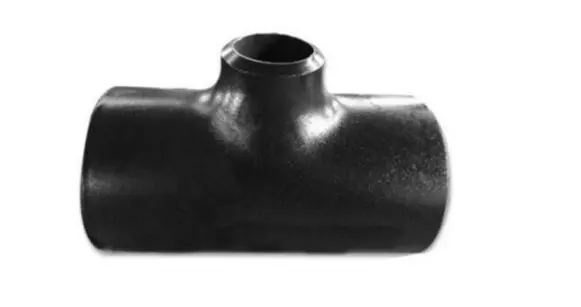
Understanding High-Temperature Pipe Tees
High-temperature pipe tees are special fittings that were made to work with industrial systems that are exposed to very high temperatures. The main way these parts are different from regular pipe tees is that they have better mechanical and design features.
What Defines a High-Temperature Fitting?
High-temperature pipe tees keep their structural integrity and closing ability at high temperatures that would damage other types of connections. Usually, the temperature limit starts at around 400°F (204°C), but for many uses, performance must be higher than 1000°F (538°C). To stop thermal expansion, oxidation, and creep deformation, these parts go through special heat treatment methods and material selection routines. Controlled grain structure development and carbide precipitation management are used in the production process to keep the mechanical qualities stable when exposed to high temperatures for a long time.
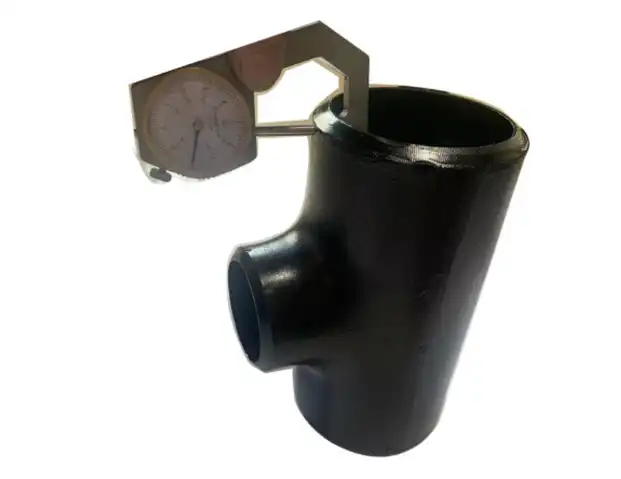
Material Characteristics and Performance
The choice of material directly affects how well a part handles heat and how long it lasts. Different types of carbon steel, such as ASTM A234 WP11 and WP22, can be used in mild temperature ranges up to 650°F and are strong enough for use in power generation and oil processing. 304H, 316H, and 321 types of stainless steel are especially good at resisting oxidation and keeping their tensile strength at temperatures close to 1500°F. This makes them necessary for chemical processes and high-pressure steam systems. Some types of alloy steel, like chrome-moly mixtures, are very good at resisting creep, which is very important for boilers and petrochemical plants where high temperatures cause long-term stress.
Industry Standards and Specifications
Following well-known rules makes sure that behavior is reliable and that the rules are followed. ASME B16.9 sets the size requirements for wrought fittings that are made in a plant, and ASME B16.28 talks about short-radius welding fittings that are used in installations with limited room. The ASTM material standards spell out the chemical makeup and mechanical qualities of a material. This makes it possible to track the material from the raw material to the final inspection. International standards like DIN, JIS, and BS offer different ways to define specifications for global markets. Each standard has its own testing procedures and limits for dimensions that buying teams need to know about when they are sourcing from different areas.
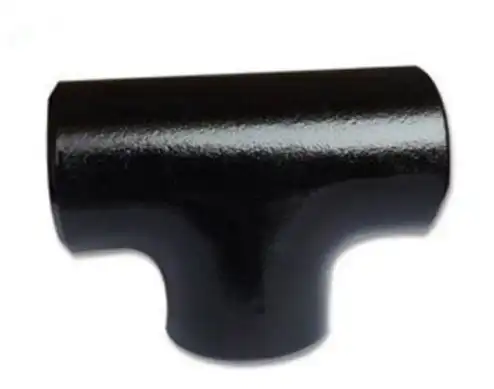
Core Criteria for Choosing the Right High-Temperature Pipe Tee
To choose the right high-temperature parts, including the High Temperature Pipe Tee, you need to carefully look at a lot of different scientific factors. The decision-making process should be organized in a way that combines the need for success with the limitations of the budget.
Operating Environment Analysis
The temperature profile of your machine is the starting point for choosing materials. Continuous working temperature is very different from rare thermal spikes, and different metal qualities are needed for each situation. The chemical makeup of the media being moved adds corrosion factors that work with temperature changes. For example, sulfur compounds, chlorides, and acidic condensates speed up degradation at high temperatures. When temperature changes and pressure changes, stress conditions form that shorten service life. This is why choosing the right pressure class is so important. External factors, such as the quality of the insulation, changes in the temperature, and exposure to weather, also affect how long something lasts.
Material Selection Strategy
In order to find the best balance between performance and cost, you need to know the pros and cons of each material family. Carbon steel is cheaper than other metals and works well enough for many uses, but it can't be used at very high temperatures and is easily corroded. People still like to use this material in places like water treatment plants and moderate-temperature steam systems where choices are limited by price. Stainless steel can handle a wider range of temperatures and is very resistant to corrosion. This makes up for its higher starting cost by extending service intervals and lowering upkeep needs. The chromium-nickel mix makes an inactive oxide layer that grows back when oxidizing conditions happen, which protects the purity of the base metal. Premium alloy steel types have special qualities that make them ideal for the toughest jobs where failure would be very bad, and spending money on better materials is worth it.
Connection Methods and Design Considerations
The type of connection affects how well the system works, how flexible it is, and how much upkeep it needs over time. Butt-welded links are the most reliable for high-temperature uses because they don't have any possible leak lines like mechanical joints do. The welding process makes mechanical consistency, but it needs skilled workers and leaves heat-affected areas that need to be carefully treated with heat. Socket-welded versions make it easier to line up and take less time to weld smaller diameter systems, but they give up some power to make fitting easier. Threaded connections aren't often used in high-temperature applications above 400°F because they have problems with thermal expansion and closing. However, they can still be used for low-pressure secondary systems that need to be taken apart often.
Certification and Quality Verification
Manufacturing licenses guarantee that the process is controlled and that the result is always the same. Having ISO 9001 certification means that you have set up quality control systems that cover planning, production, and inspection. Special equipment manufacturing permits, which are needed in many places for pressure-bearing parts, make sure that safety rules are followed and that the manufacturer is technically competent. Material test records that include chemical analysis and mechanical testing make it possible to track down materials, which is necessary for following the rules and looking into failures. Non-destructive testing, such as X-rays, ultrasounds, and magnetic particle tests, can find problems inside things that can't be seen with the naked eye. This lowers the risk of field failure.
Comparing High-Temperature Pipe Tees: Making an Informed Decision
Knowing what makes one performance different from another helps procurement pros make the best specs and avoid mistakes that cost a lot of money. When you do a comparative study, you should look at both short-term factors that affect buying and long-term factors that affect operations.
Performance Capabilities Versus Standard Fittings
High-temperature versions use better materials and production methods than regular fits, and the same is true for a High Temperature Pipe Tee designed for extreme thermal conditions. Heat treatment methods make microstructures that are not easily deformed by creep, which is what happens when you keep stressing them at high temperatures for a long time. Standard carbon steel fittings gradually lose their tensile strength above 400°F. High-temperature types, on the other hand, keep their structural qualities by alloying and heating them in a special way. When temperatures go above 800°F, normal materials form thick oxide layers that break off and contaminate systems. This is when oxidation resistance becomes very important. High-temperature valves use chromium and other elements to make oxide layers that stick together and protect the material below.
Pressure Rating Implications
Pressure class choice and temperature grades affect each other in surprising ways that new specifiers don't expect. According to ASME B16.34 pressure-temperature rates, the allowed pressure goes down as the temperature goes up. This is because materials are weaker when they are hot. Depending on the type of material, a Class 300 fitting that can handle 720 psi at room temperature might not be able to handle 330 psi at 1000°F. For this derating effect to happen, the process conditions and fitting standards need to be carefully coordinated. The people in charge of buying things have to make sure that the options they choose can work in both regular and abnormal situations, as well as the worst-case scenarios that were found in risk assessments.
Total Cost of Ownership Analysis
The initial buy price is only one part of the real cost of fitting. Service life expectancy affects how often parts need to be replaced and how much it costs for downtime. For example, a premium fitting that lasts 20 years will perform better than a budget choice that needs to be replaced every 5 years, even if the premium fitting costs three times as much at first. Maintenance access affects work costs, and flanged joints are easier to fix than welded ones because they don't need special techniques. Energy losses due to poor seals or large pressure drops cause ongoing costs for the whole life of the system. Failure can lead to safety issues, environmental releases, and production interruptions that are much more expensive than the cost of fitting in critical applications. This is why conservative standards and premium sources are necessary.
Procurement and Supplier Selection Best Practices
Finding skilled makers is what separates good procurement outcomes from setups that go wrong. When evaluating a supplier, you should look at more than one aspect of their ability and dependability.
Manufacturer Credibility Assessment
The ability of a supplier to constantly give quality goods can be seen in their production capacity and technical capability. Oudi produces 16,000 tons of steel every year, thanks to state-of-the-art production tools and thorough checking facilities that help us meet tight project deadlines without lowering quality standards. Manufacturing experience covering decades, in our case since 1998, shows that we have learned a lot about metals, manufacturing methods, and quality control standards. How close you are to major ports and transportation networks affects how reliable your deliveries are. Our location in Cangzhou, which is only 120 kilometers from Tianjin Airport and next to major highways, makes logistics easier for our foreign customers.
Customization and Technical Support
For complicated jobs, it's common to need to change the size or type of materials that are available in catalogs. Suppliers who have access to technical tools can look at unique specs, do stress studies, and suggest the best options in terms of both performance and cost. Technical support during installation and testing helps people avoid making common mistakes that damage the structure of the fitting. Responding quickly to questions about choosing materials, welding methods, and quality paperwork speeds up the project and builds trust in relationships with suppliers.
Supply Chain Considerations
Minimum order amounts for High Temperature Pipe Tee limit your options for buying things and raise the cost of keeping supplies. Some makers set high minimums that are only practical for big projects, while others are willing to work with smaller orders that help with repair and maintenance. Lead times change a lot between providers because they depend on when the products are made and what kinds of raw materials are available. Standard products may ship within weeks, but custom products may take months. Cash flow and landed costs are affected by payment terms and shipping plans. Experienced exporters offer open terms and established transportation partnerships that make foreign transactions easier.
Installation and Maintenance Tips for High-Temperature Pipe Tees
Using the right construction methods and upkeep schedules will extend the life of the fittings and make the system more reliable. These methods are used in many fields, but the exact steps depend on the situation.
Installation Best Practices
Welded installations must be done by trained welders who follow the rules for allowed welding procedures. The need to preheat stops fast cooling, which makes microstructures rigid and more likely to crack. Controlling the temperature between passes during multi-pass welds keeps the right amount of heat going in and makes sure there is full melting. Post-weld heat treatment reduces leftover loads and softens areas that have been heated, making the material flexible and tough again, which is important for long-term use. Accurate alignment stops eccentric loads and stress clusters that cause fatigue cracks. Full entry and good weld shapes are guaranteed by proper fit-up with the right gaps.
Maintenance Protocols
Inspection plans should take into account how bad the service is and what would happen if it broke down. Surface corrosion, oxide growth, and clear distortion can all be seen with the naked eye. Ultrasonic thickness measurement keeps track of wall loss due to internal rust or erosion, which lets you repair the part before it gets a hole in it. Using thermal imaging during operation shows hot spots that mean there is an internal blockage or that the protection on the outside is breaking down. Vibration tracking finds loose supports or oscillations caused by flow that could lead to wear damage. Recording the results of inspections makes historical records that help with making decisions about condition-based care and figuring out how much life something still has.
Troubleshooting Common Issues
Leakage at welded parts usually means there are problems with the welding or thermal stress cracks that need to be fixed or replaced. Grinding out bad welds and re-welding them according to the right steps fixes the problem, but doing this too many times can weaken the base metal and mean that the fitting needs to be replaced. Too much rust means that the wrong material was used for the job, which needs to be looked into by metallurgists and may mean that the system needs to be redesigned. Deformation or bending is a sign of creep damage from long-term high temperature and stress, which means the end of the service life and a high chance of failure. Early discovery through inspection programs lets planned replacement happen during planned outages instead of emergency fixes happening when things go wrong without warning.
Conclusion
When choosing high-temperature pipe tees, you need to pay close attention to the working conditions, the qualities of the material, the manufacturing standards, and the supplier's abilities. The process for making a choice weighs the short-term costs of buying against the long-term benefits in terms of performance and dependability. When picking a material, you need to think about its maximum temperature, its resistance to corrosion, and its mechanical qualities when subjected to thermal cycles. Connection methods change how hard an installation is and how much upkeep it needs. When evaluating a supplier, you should look at their certifications, production capacity, expert help, and how reliable their deliveries are. When you install and maintain things the right way, you extend the life of the fittings and make the system safer. Professionals in procurement who regularly look at these factors are able to find parts that meet the needs of the project while also lowering the total cost of ownership.
FAQ
What temperature range defines high-temperature service for pipe tees?
When carbon steel is exposed to temperatures above 400°F (204°C), its qualities start to change in a noticeable way. Moderate high-temperature uses go up to 650°F, and harsh service goes up to 1000°F and beyond. Different types of materials have different temperature limits based on their grade, the amount of pressure, and the length of time they will be used. Standards like ASME B31.3 give thorough pressure-temperature ratings for different materials.
How do I select between carbon steel, stainless steel, and alloy steel?
Carbon steel is good for uses below 650°F with non-corrosive materials because it is cheaper. Stainless steel can handle temperatures up to 1500°F and doesn't rust, making it perfect for chemical handling. For long periods of time at high temperatures and pressures, alloy steel offers the best protection against creep in power generation and petrochemical uses. When making your choice, you should think about weather, pressure, the setting for corrosion, and your budget.
Why are certifications important when sourcing high-temperature fittings?
Certified items show that the products are made well, follow the rules, and can be traced back to their original sources. ISO 9001 confirms quality management systems, and special equipment licenses show that the owner is authorized by law and has the right technical knowledge. Material test results show the chemical makeup and mechanical features of a substance, which is necessary to follow the rules and protect yourself from responsibility. These certifications lower the chance of buying something and guarantee that the standard of the product will stay the same.
Partner with Oudi for Your High-Temperature Pipe Tee Requirements
Choosing a dependable high-temperature pipe tee maker has a direct effect on the success of your project and the safety of your operations. Since 1998, Oudi has been making high-quality products and has helped more than 300 people in 40 countries with all of their pipe fitting needs. With the ability to produce 16,000 tons per year, ISO 9001 approval, and special equipment manufacturing licensing, we can guarantee quality that meets ANSI, JIS, DIN, and BS standards. We have all kinds of materials, like carbon steel, stainless steel, and alloy steel, in all sizes and pressure classes. For personalized suggestions, low prices, and reliable delivery times that keep your projects on track, email our expert team at oudi-04@oudiguandao.com.
References
1. American Society of Mechanical Engineers. "ASME B16.9: Factory-Made Wrought Buttwelding Fittings." New York: ASME Standards Committee, 2018.
2. American Society for Testing and Materials. "ASTM A234: Standard Specification for Piping Fittings of Wrought Carbon Steel and Alloy Steel for Moderate and High-Temperature Service." West Conshohocken: ASTM International, 2019.
3. Harvey, John F. "Theory and Design of Pressure Vessels." New York: Van Nostrand Reinhold Company, 1985.
4. Smith, Peter R. and Zappe, R.W. "Valve Selection Handbook: Engineering Fundamentals for Selecting the Right Valve Design for Every Industrial Flow Application." Burlington: Gulf Professional Publishing, 2004.
5. Becht, Charles IV. "Process Piping: The Complete Guide to ASME B31.3." " New York: ASME Press, 2009.
6. Davis, Joseph R. "Metals Handbook: Properties and Selection of Irons, Steels, and High-Performance Alloys. " Materials Park: ASM International, 1990.

Need help finding the right solution with our experts. Please contact us.

SINCE 1998 Your Reliable Pipeline Manufacturer



