BW Pipe Cap Manufacturer – Get Competitive Quote
When looking for reliable ways to end a pipeline, the BW Carbon Steel Cap is an essential part for industrial uses that need to close off ends securely. As a specialized maker with more than 20 years of experience, we know that it's important to find the right butt-weld pipe cap while also keeping quality, safety, and cost in mind. This complete guide tells procurement professionals and engineers everything they need to know about BW Carbon Steel Caps, from technical specs and choosing the right materials to how to make sure the caps are made well and how to buy them efficiently. Our goal is to help you make smart choices that will keep your plumbing systems safe and reliable.
Understanding BW Carbon Steel Caps – Specifications and Uses
What Are BW Carbon Steel Caps?
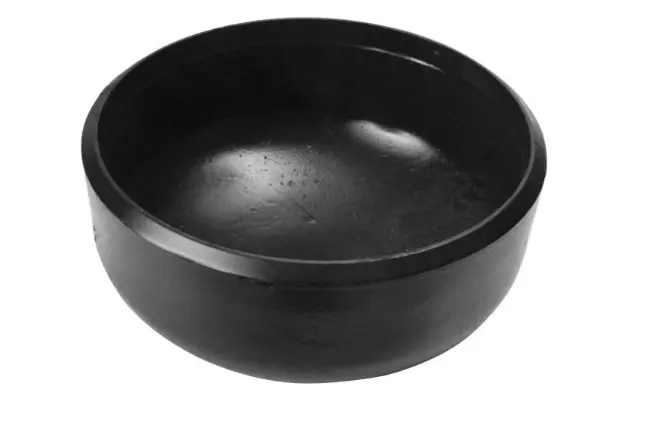
The BW Carbon Steel Cap units are plumbing fittings that are made to butt-weld onto the open ends of pipes to make a lasting, leak-proof seal. These parts are bonded straight to the pipe end, which makes them more structurally stable and resistant to pressure than threaded or socket-weld caps. The letter "BW" stands for the butt weld connection method, which makes a strong metal bond that can withstand harsh working conditions without putting system safety at risk.
Primary Industrial Applications
These BW carbon steel cap components are critical for industries that work with toxic fluids, high-pressure gases, or important process materials. Within petroleum plants, they keep unused pipeline parts clean while keeping the system's pressure stable. They are used to stop temporary pipes at oil plants while they do repairs. Power companies use them for boiler feedwater systems, which need strong closing solutions because of the temperature changes. Chemical dose lines in water treatment plants use them because the suitability of the materials directly affects the quality of the water. In the construction industry, they are used for long-lasting support pipes in buildings and infrastructure projects.
Technical Specifications and Standards
Most material types are in line with ASTM A234 standards. For general service uses, WPB (low-carbon steel) is the most popular grade. ASME B16.9 sets the limits for wall thickness, diameter, and general geometry, which are used to make dimensional specs. Some ways to make them are through seamless processing, which works best for sizes less than 4 inches, and forged construction, which is best for bigger diameters that need better mechanical qualities. Pressure rates range from Schedule 10 (normal wall) to Schedule XXS (double extra strong). Depending on the pipe schedule and temperature, working pressures can be anywhere from 150 PSI to over 3,000 PSI.
How to Choose the Right BW Carbon Steel Cap for Your Needs?
Evaluating Operational Parameters
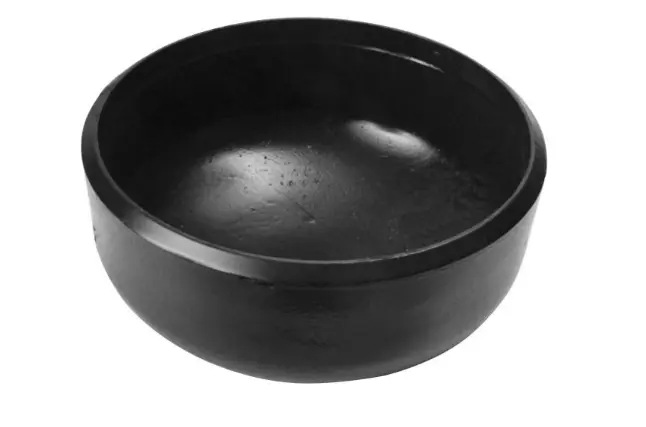
Before you can choose the right BW Carbon Steel Cap, you need to carefully look at how your system works. Pressure ratings must be higher than the maximum working pressure by a certain amount, usually 1.5 to 2 times the running pressure, as set out in ASME rules. When a thermal cycle happens, temperature resistance is crucial. Carbon steel can keep its structure intact up to 800°F (427°C), but its strength decreases at higher temperatures. Corrosion resistance depends on the environment. Carbon steel works well in dry or slightly corrosive conditions, but it may need protection coatings or material improvements in acidic or chloride-rich environments.
Comparing Cap Types and Material Options
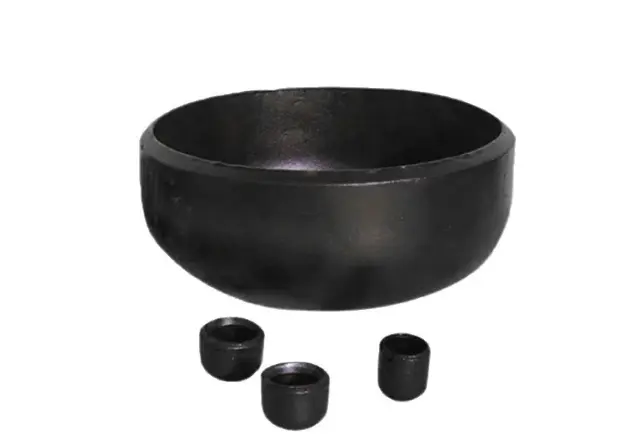
There are clear benefits to both smooth and butt weld caps when you compare them. When seamless caps are made from solid billets without any welds, they don't have any weak spots and have a consistent grain structure all the way through. However, BW Carbon Steel Cap units made by forging offer cost savings for bigger sizes while still meeting acceptable strength standards. When deciding between carbon steel and stainless steel, keep in mind that carbon steel is more affordable and works well enough for non-corrosive uses, while stainless steel is worth the extra money in places where rust protection is critical. Alloy steel caps are used in specific high-temperature or high-pressure situations where carbon steel isn't strong enough.
Importance of Manufacturer Certifications
Buying from certified makers saves your investment and makes sure you obey the rules. Getting ISO 9001 approval shows that you have well-established quality control systems that cover the processes of production, inspection, and paperwork. Special equipment production licenses show that a provider meets safety standards and has the technical skills to do the job. These certificates show that the manufacturing process is regularly checked, that materials can be tracked throughout production, and that final goods meet the requirements that were set. Before making a final purchase, procurement teams should ensure the certificate is valid and ask for mill test results that prove the material's chemical and mechanical properties.
The Manufacturing Process and Quality Assurance of BW Carbon Steel Caps
Raw Material Selection and Forging Techniques
We start the quality process by carefully checking the raw materials. For example, we only buy carbon steel billets that meet ASTM standards and that we have checked for their chemical makeup and mechanical features. Forging is a way to shape the BW Carbon Steel Cap by using controlled pressure and heat to smooth out the grain structure. This makes the metal stronger than cast options. This way of working mechanically gets rid of internal holes and voids that weaken structures. This resolves a major problem in high-pressure situations where secret flaws can cause catastrophic breakdowns.
Heat Treatment and Finishing Operations
Normalizing the cast caps through heat treatment methods relieves internal stresses and makes the whole part the same hardness. Controlled heating to certain temperatures followed by slow cooling makes the architecture of the material better, matching how tough it is with how strong it is. As part of the finishing process, the pipe ends are beveled to make them fit together better, and the surface is treated to get rid of scale and other contaminants. These steps make sure that the dimensions are accurate within the limits set by ASME B16.9 and get the surfaces ready for fitting in the field.
Comprehensive Quality Control Measures
Our program for quality assurance includes several steps of checking. Dimensional inspection shows that the outer diameter, wall thickness, and beveling angles all meet the standards of the specification. By putting caps under pressures higher than their design limits, hydrostatic pressure testing confirms the integrity of the structure and finds any production flaws before they are shipped. Non-destructive testing methods, like ultrasound examination and magnetic particle inspection, can detect flaws below the surface that the naked eye cannot see. We keep full records that connect each finished cap to its raw material heat number, production date, inspection results, and test certificates. This way, clients can check that the quality is real.
Procurement Guide: How to Buy BW Carbon Steel Caps Efficiently?
Identifying Reputable Manufacturers
Thoroughly evaluating suppliers is the first step to efficient buying of the BW Carbon Steel Cap. Don't just look at price; also look at production capacity. With a yearly output of 16,000 tons, we can always meet your needs, even for big orders. Being close to big ports is important. Being close to Tianjin Port makes foreign shipping to North America more efficient, cutting down on transit times and handling costs. Make sure that makers are empowered to self-manage their import and export, which makes communication and customs processes easier. Read reviews from past clients and ask for examples of projects that have been done in the same field as you to gain an idea of how experienced the seller is with applications like yours.
Evaluating Lead Times and Service Capabilities
Standard wait times for stock sizes are between 2 and 4 weeks, while custom specs may take 6 to 8 weeks, based on how complicated they are and how many are needed. Minimum order numbers (MOQs) change based on size and schedule. Common sizes often have lower MOQs to suit smaller projects, while unique items may need bigger pledges to justify setting up production. After-sales service is what sets great sellers apart. We offer expert help for questions about installation, prompt replacement for damaged goods, and quick contact to address concerns throughout the procurement cycle.
Pricing Factors and Bulk Purchase Benefits
A number of factors affect pricing systems. The prices of raw materials change with the world steel market every three months, which affects base prices. Larger diameters, thicker walls, and non-standard measurements that need special tooling make manufacturing more difficult. Certification standards, like having a third-party check or test the product more, raise the unit cost but are necessary to make sure of the quality. When you buy in bulk, you save a lot of money because of economies of scale, lower setup costs per unit, and better use of shipping containers. We have tiered pricing structures that reward customers who commit to large orders while keeping prices low for smaller orders.
Customization Options and Delivery Logistics
In addition to catalog items, we can also make items to your exact specs, including non-standard sizes, different types of material, and unique surface treatments. When project needs don't fit into normal boundaries, engineering support helps with writing specifications. Delivery logistics planning keeps projects from being behind schedule. We make sure that shipping plans work with your building schedule, give you a choice of freight options that balance cost and speed, and keep you updated on your package's whereabouts at all times. Understanding Incoterms like FOB, CIF, etc. makes it clear who is responsible for shipping costs, security, and getting goods through customs.
Installation and Maintenance Tips for BW Carbon Steel Caps
Proper Installation Procedures
A careful preparation of the pipe ends is the first step to a successful fitting of the BW Carbon Steel Cap. Using the right tools, cut the ends of the pipes so they are square, making sure they are straight within a 1-degree range. Use wire brushes or grinding tools to get rid of burrs, scale, and other contaminants from the pipe and cap surfaces. Leaving waste behind lowers the quality of the weld. To ensure proper welding, the beveling angles of both parts must match. For standard hole preparation, the angle is usually 37.5 degrees.
The way you weld directly affects the strength of the joint. Keep the electrode or filler rod's width at a level that matches the thickness of the wall. For thicker schedules, make more than one pass to ensure full fusion. Limit the amount of heat going into the joint to avoid bending or changes in the metal that make the joint weaker. After welding, let the cooling rates be controlled. Too fast a cooling can make the metal weak, and too much heat retention can bend it. After the weld is done, it should be inspected visually for any flaws on the surface and, if required by the code, radiographic or ultrasound testing to make sure the quality of the join is inside.
Ongoing Maintenance and Inspection
Regular inspections keep caps in excellent shape and stop them from breaking down without warning. Visual checks every six to twelve months identify external rust, covering wear, or mechanical damage that needs fixing. When possible, ultrasonic thickness readings can find rust inside that can't be seen from the outside. This lets replacement happen before wall thinning makes pressure containment less effective. Environmental factors speed up the breakdown process. For example, chloride can cause rust in seaside sites, and facilities that work with acidic process fluids see faster material loss.
As part of corrosion control, protective coatings are applied during fitting and replaced as needed. For underground or underwater pipes, cathodic protection systems work best. Barrier layers are most effective for pipes that are above ground. Replacement criteria depend on how important the application is and what the rules say, but as a general rule, walls should be replaced when they lose 87.5% of their original width or when damage can be seen to be weakening the structure. Keeping detailed repair records keeps track of what was found during inspections and shows how often things need to be replaced, which helps with planning future purchases.
Conclusion
To choose the right BW carbon steel cap, you need to know the technical specs, check out the manufacturer's skills, and follow the right fitting steps. If you buy these important pipe fittings from approved makers with excellent customer service and quality control measures, they will protect your pipe systems. We've gone over important selection factors, such as material grades and pressure ratings, as well as manufacturing methods and buying strategies, so you can feel confident in your buying choices. Whether you're building infrastructure for petroleum processing, power generation, or water treatment, getting quality butt weld caps from sources with a lot of experience is the best way to make sure they will last and meet international standards.
FAQ
What material grades are available for BW carbon steel caps?
ASTM A234 WPB is the standard grade for general service uses because it has the right amount of strength and weldability for most industry settings. The WPC grade makes the material stronger so it can be used at temperatures up to 1000°F. We also offer ASTM A420 WPL6 for low-temperature applications that require impact toughness in below-zero temperatures. This type of material is often used in LNG plants and other cold-climate systems for the BW Carbon Steel Cap.
Can you provide custom dimensions for non-standard pipe sizes?
Of course. Our production powers can meet custom requirements, such as non-catalog diameters, special wall thicknesses, and unique geometries. Engineering support helps with figuring out what's possible and improving the specifications. Custom orders usually need 6 to 8 weeks to be made, but the timeframe depends on how complicated they are, and the minimum quantity needed depends on the tools that need to be made.
What are the typical lead times for bulk deliveries to the United States?
Standard stock sizes ship two to three weeks after an order is confirmed. It takes an extra three to four weeks for ocean freight to reach U.S. ports. Custom specs make the production time 6 to 8 weeks longer. We set up sending times that work with your project's goals and provide tracking information throughout the entire process, so you can be sure of a smooth delivery.
Request Your Competitive Quote from Oudi Today
Oudi has been making high-quality products for 26 years, and each BW Carbon Steel Cap they make shows it. Our ISO 9001-certified factory uses cutting-edge tools for production and strict quality control to make pipe parts that meet ASME, ASTM, and other foreign standards. We ship up to 16,000 tons per year for over 300 customers in 40 countries, so your projects will be handled by professionals. Email our team at oudi-04@oudiguandao.com to talk to experienced technical experts about your unique needs. As a reliable provider of BW carbon steel cap components, we offer fair prices, the ability to make changes, and quick service throughout the entire buying process. Let us show you how working with a well-known company can make your supply chain run more smoothly while maintaining the highest standards of quality.
References
1. American Society of Mechanical Engineers (ASME). ASME B16.9: Factory-Made Wrought Buttwelding Fittings. New York: ASME Standards, 2018.
2. ASTM International. ASTM A234/A234M Standard Specification for Piping Fittings of Wrought Carbon Steel and Alloy Steel for Moderate and High-Temperature Service. West Conshohocken: ASTM, 2021.
3. Nayyar, Mohinder L. Piping Handbook, 8th Edition. New York: McGraw-Hill Education, 2016.
4. Singh, Ramesh. Applied Welding Engineering: Processes, Codes, and Standards, 2nd Edition. Oxford: Butterworth-Heinemann, 2016.
5. Campbell, John S. Principles of Manufacturing Materials and Processes. New York: McGraw-Hill, 1961.
6. American Petroleum Institute (API). API 570: Piping Inspection Code: In-Service Inspection, Rating, Repair, and Alteration of Piping Systems. Washington: API Publishing Services, 2016.

Need help finding the right solution with our experts. Please contact us.

SINCE 1998 Your Reliable Pipeline Manufacturer



