How to Improve Corrosion Resistance in CS Elbows?
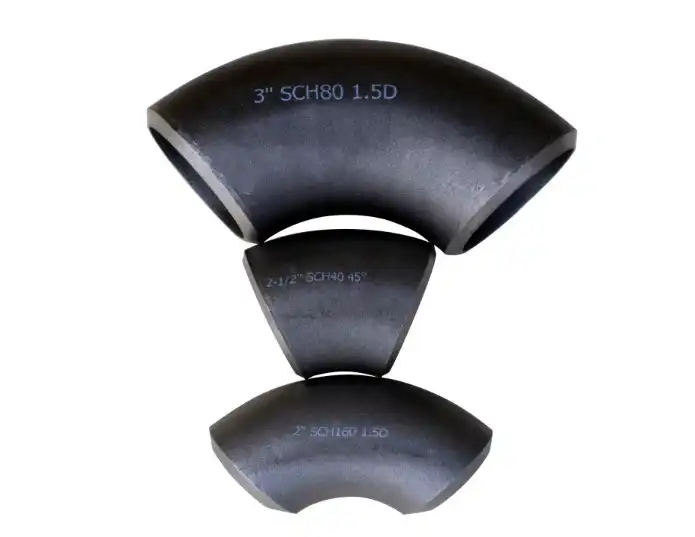
Corrosion-resistant carbon steel elbows need to be improved in several ways, including choosing the right materials, giving the surfaces extra protection, and making sure the quality is very high. You can make a corrosion-resistant carbon steel elbow last longer by hot-dip galvanizing it, covering it with epoxy, using specialized anti-rust oil, and choosing the right types, such as ASTM A234 WPB or alloy-enhanced versions. Adhering to international standards and managing the environment strategically also helps keep these important pipe parts from breaking down in harsh industrial settings.
Introduction
In oil and gas facilities, chemical processing plants, water treatment structures, and manufacturing activities, corrosion-resistant carbon steel elbows are necessary parts of pipe systems that change the direction of flow. These butt weld elbows and socket elbows let you change the direction of fluid or gas flow while keeping the system's integrity when it's under pressure. But rust puts working safety at risk, costs a lot in downtime, and shortens the life of equipment. This guide is for buying managers, plant engineers, distributors, and EPC workers who need options they can trust. We look at what causes rust, how to protect against it, how different materials compare, and how to choose a source so that you can make smart choices that balance performance with cost-effectiveness. How you keep carbon steel pipe bends from rusting has a direct effect on the long-term success and return on investment of your project.
Understanding Corrosion in Carbon Steel Elbows
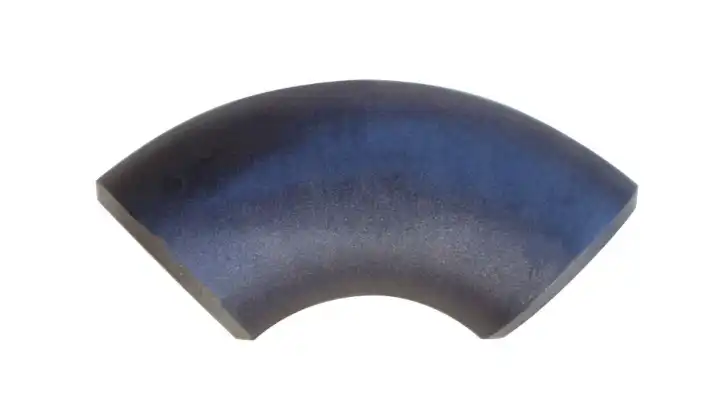
Carbon steel elbows are damaged by corrosion in several different ways, each of which is caused by reactions between the steel and its surroundings. When you know these trends, you can choose protection tactics that work best for your operational situations.
Types of Corrosion Affecting Industrial Elbows
Uniform rust affects the metal's surface, thinning the wall thickness over time through oxidation processes. Pitting rust makes small holes in a material that goes deep and is usually not noticed until it breaks. When mechanical stress and corrosive conditions come together, they cause rapid cracks in systems that are under a lot of pressure. Galvanic corrosion happens when two different metals touch each other in the presence of fluids. This speeds up the breakdown at the places where the metals meet. Depending on the chemicals, temperatures, and forces that expose your pipe system, each type has its own set of risks.
Material Grades and Their Inherent Resistance
Different types of standard carbon steel have different amounts of protection against corrosion depending on what they are made of. ASTM A234 WPB is the most popular grade for use with mild temperatures and pressures. It is reasonably strong and doesn't cost too much. Chromium and molybdenum are used in WP11 and WP22 to improve high-temperature and acid resistance. How fast rusting happens depends on the metallurgical structure. In general, smaller grain structures offer better defense. When choosing grades, don't just pick the most expensive one; instead, fit the material's qualities to the way it will be used.
Environmental Factors Accelerating Degradation
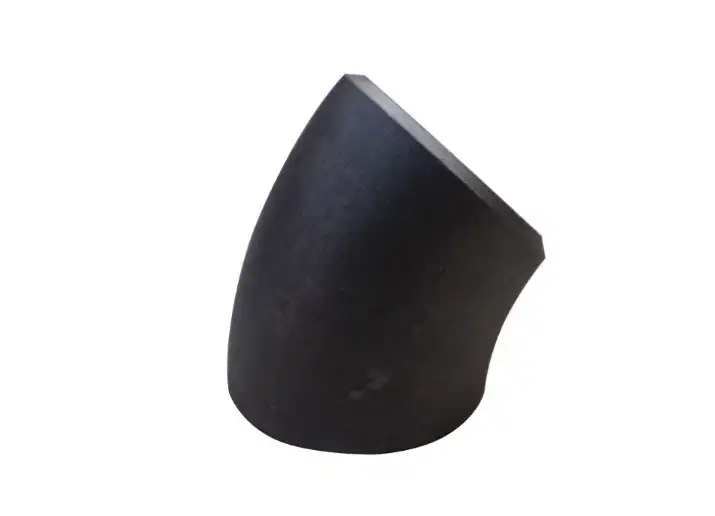
Moisture is the main thing that speeds up rust by letting iron and air react electrochemically, which is why using a Corrosion-resistant carbon steel elbow is essential in harsh industrial environments. Being exposed to acids, alkalis, chlorides, and sulfur compounds greatly speeds up the rate of attack. Changes in temperature put stress on the protective oxide layer, which leads to cracks that show new metal surfaces. When something is installed incorrectly or vibrates mechanically, stress builds up in places where rust can start more easily. Controlling these factors through design choices and safety steps makes parts last a lot longer in tough industrial settings.
Common Causes of Corrosion and How to Address Them
There are many problems with rust in industrial settings that need specific solutions. Instead of just responding to failures, you can use effective prevention tactics once you know what the root reasons are.
Chemical Exposure and Material Compatibility
Harsh chemicals used to refine oil, make chemicals, and treat wastewater are terrible for carbon steel. By choosing corrosion-resistant carbon steel elbows and having the right finishes, you can keep them from breaking too soon. Acidic or alkaline fluids can't get through epoxy coatings, and organic solvents can't get through powder coatings. Material suitability testing tells you which methods of protecting your process fluids will work best. Chemical resistance charts from approved sources should be included in the paperwork you receive. These charts will help you choose the right material based on concentration, temperature, and exposure time.
Moisture Control and Environmental Management
Controlling humidity is crucial for storing, moving, and using things. When our plant makes and ships carbon steel elbows, we protect them with either high-grade industrial black paint or a special anti-rust oil. Until they put these temporary shields in place, they stop rusting. Controlling the pH levels in process streams lowers their acidic potential, and dehumidification systems keep equipment safe when it's not in use. When drainage is designed correctly, it gets rid of standing water that speeds up rusting in low places in pipe networks.
Protection During Long-Term Sea Transit
During ocean travel, international goods have to deal with problems like salt spray and humidity. As usual, we cover them with a high-quality industrial black finish or a special anti-rust oil. Hot-dip galvanizing according to ASTM A153 or special epoxy finishes put on before shipping are good for projects that will be used in places that are very corrosive. The right packing, which includes desiccants, sealed cases, and protective wrapping, maintains the purity of the elbow throughout the supply chain. These safety measures are especially helpful for big orders going to places with long customs clearance times or where they have to be stored outside.
Comparison of Corrosion-Resistant Carbon Steel Elbows with Alternatives
To choose the best materials for elbows, you have to carefully weigh the performance features against the cost. Each type of material has its own benefits that make it better for certain situations.
Carbon Steel Versus Stainless Steel Performance
Elbows made of carbon steel have higher mechanical strength and pressure ratings than those made of stainless steel, but they are also much cheaper. They can be used in places where average corrosion protection is enough, and protective coats are still useful. Types of stainless steel that contain chromium and nickel naturally fight corrosion better in harsh chemical conditions or high-purity settings. The lifecycle cost study needs to look at the initial buy price, the cost of coating maintenance, and how often the coating is expected to need to be replaced. Many systems get the best cost-effectiveness by using coated carbon steel for most of the pipes and saving stainless steel for the most demanding service spots.
Galvanized and Alloy Steel Options
Carbon steel elbows that have been hot-dip galvanized have zinc coats that corrode before the base metal. This makes them last longer in environments that are naturally acidic. This method obeys the rules set by ASTM A153 and protects water distribution systems for decades. Some types of low-alloy steel have small amounts of chromium, molybdenum, or vanadium added to them. These metals make the steel more resistant to rust while keeping its lower cost compared to stainless steel. These materials fall between regular carbon steel and high-end metals. They are designed to solve intermediate corrosion problems in power generation and industrial uses.
Application-Specific Selection Criteria
More than general claims of rust resistance, pressure rates, temperature ranges, and fluid properties determine the choice of material for a Corrosion-resistant carbon steel elbow. Industries that work with sour gas, which contains hydrogen sulfide, need special materials that don't crack when stressed by sulfur. For water conservation projects, long-term resistance to atmospheric rust with low upkeep needs is most important. Chemical companies that make many different goods need to be able to work with a wide range of acidic media. By writing down your exact working parameters, you enable providers to suggest the most cost-effective option instead of pushing high-end materials when they aren't needed.
Practical Methods to Enhance Corrosion Resistance in Carbon Steel Elbows
When used correctly and kept up, proven protection methods greatly increase the service life of carbon steel elbows. When you use more than one way together, you make a strong defense against rust.
Surface Treatment Technologies
When finished, elbows are hot-dip galvanized; they are submerged in liquid zinc. This forms metallurgical links that protect against wear and provide cathodic protection. This treatment works great for outdoor setups and underground pipe systems that are hard to get to for inspections. When epoxy coats are put on using electrostatic spray or fusion bonding, they make seamless walls that chemicals can't get through. This method works especially well in wastewater and chemical processing. Powder coating is very resistant to organic agents and keeps the look of structures that people can see. Each technology works best in certain temperature ranges and chemical environments, so you need to be careful to match them to your needs.
At our factory, we keep up-to-date coating application equipment that makes sure there is even coverage and the right conditions for drying. We use expert methods that are in line with foreign standards like ASTM, JIS, DIN, and BS. Through our ISO 9001:2000-certified system for quality control, we check each output batch for holiday recognition, coating thickness, and binding strength. This strict method gets rid of the coating problems that happen with cheap goods and lead to rust breaking through too soon.
Material Composition Upgrades
Adding alloying elements to the base carbon steel makes it more resistant to rust without the need for coatings on the outside. Adding chromium makes solid oxide layers that slow down rusting in the air, and adding molybdenum makes it more resistant to chloride pitting. These low-alloy mixtures keep the excellent mechanical qualities and weldability of carbon steel while making it last longer in fairly acidic environments. Processes that use heat to smooth out the structure of the grains and release leftover stresses that create places where rusting can start. Normalized and adjusted conditions give materials the best mix of strength, toughness, and resistance to rust for tough uses.
Testing and Certification Requirements
In ASTM B117 salt spray tests, coated samples are put through constant fog conditions that act like years of contact with the air but happen much faster. Electrochemical impedance spectroscopy checks the protective qualities of coatings and detects early signs of degradation before damage becomes visible. Adhesion testing ensures that the protective layers stick firmly to the base and that there is no chance of delamination. Accredited labs write down test results, which give buyers trust and help with quality checks. With our special equipment production licenses and thorough testing skills, we can be sure that every elbow made from carbon steel that leaves our plant meets certain standards for corrosion resistance.
Procurement Considerations for Corrosion-Resistant Carbon Steel Elbows
Strategic source selection for a Corrosion-resistant carbon steel elbow has a direct effect on the success of a project through the quality of the products, the dependability of delivery, and the expert support. You can best calculate the total cost of ownership by looking at more than just the unit price.
Supplier Qualification and Certification
Manufacturing certificates show that the quality management system is mature and that it obeys the rules. If a company has ISO 9001 approval, it means that it standardizes its methods for tracking materials, keeping track of production, and inspecting products. Regulatory authorities issue special equipment manufacturing permits to ensure compliance with safety standards and pressure vessel codes. Suppliers to the oil, chemical, natural gas, and water conservation businesses must meet complicated certification standards that demonstrate their technical skills. By asking for certification documents while you evaluate a seller, you can avoid quality shocks after you place the order.
We've had ISO 9001:2000 approval since the beginning, and we follow strict quality rules from the time we receive raw materials until we check finished goods. Our factory has special equipment-making rights that show how technically skilled and advanced our production skills are. Because of these qualities, we are able to make 16,000 tons of seamless and straight-seam industrial elbows every year, which meet a wide range of needs. Our wide range of products in many categories lets you buy from a single source, which makes managing your supply chain easier.
Pricing Structures and Lead Time Management
Clear pricing that takes into account different types of materials, coatings, and number breaks makes it possible to make accurate project budgets. Knowing the minimum order amounts helps to simplify needs and get bulk discounts without having to pay more for extra inventory. Lead time plans need to take into account when to buy raw materials, when to start production, when the coating needs to dry, and how often quality checks need to be done. Rush orders often come with extra fees that change the economics of the job, so planning ahead is important. Setting up a framework that deals with qualified providers makes sure that projects can use the same amount of capacity and that prices stay stable.
Global Logistics and After-Sales Support
Shipping plans that work well cut down on transit times and damage risks for foreign packages. You can avoid clearance delays by having the right export paperwork, such as material certifications, test records, and customs statements. When quality problems happen that inspection doesn't catch, warranty coverage for manufacturing flaws gives you a way to get your money back. Technical support that is quick to respond helps solve installation questions and application problems that arise during building. Customers in Europe, North and South America, Africa, Southeast Asia, and the Middle East find it easier to do business with us because they can handle their own import and export. We've worked with over 300 customers in 40 countries, so we know how hard it can be to handle business and what paperwork each market needs.
Conclusion
For carbon steel elbows to be more resistant to rust, it's important to use various strategies, such as choosing the right materials, using proven protective treatments, and working with approved suppliers. Knowing how rust works in your business lets you take specific steps to stop it, which in turn increases service life and lowers costs. In different work settings, hot-dip galvanizing, epoxy coatings, and changes to the material's makeup all have their benefits. Strict seller qualification guarantees reliable product performance by looking at certifications, output capacity, and quality control systems. By following the tips in this guide, procurement managers and engineers can choose corrosion-resistant carbon steel elbows that improve operational safety, lower maintenance costs, and support long-term project success in oil, chemical, natural gas, water conservation, and other related industries.
FAQ
What testing methods verify corrosion resistance in carbon steel elbows?
Testing with salt spray according to ASTM B117 mimics exposure to the atmosphere by applying fog continuously, showing how well the coating works over time. Electrochemical ways give numbers that show how much corrosion there is and how well a protective shield works. Immersion testing in certain process fluids proves that the materials will work together in real-world situations. Certified labs write down these results, which gives buyers trust and helps with quality checks all along the supply chain.
Which industries gain the most from corrosion-resistant carbon steel elbows?
More rust protection is needed in oil and gas operations that work with corrosive fuels, chemical plants that work with aggressive fluids, water treatment plants that deal with changing pH levels, and power generation systems that are exposed to high temperatures. Corrosion-resistant carbon steel elbows that are properly covered are also very helpful for construction projects near the coast, shipbuilding projects that will be exposed to saltwater, and boiler making that needs high-temperature resistance.
Can corroded carbon steel elbows be repaired, or must they be replaced?
If the wall thickness stays within safe limits, cleaning and re-coating can sometimes fix minor surface rust. Ultrasonic thickness testing determines how much material is left and how strong the structure is. If there is pitting rust or a lot of wall loss, the system usually needs to be replaced to keep it safe. Replacing something is cheaper than trying to fix it, which could fail badly in pressure systems moving dangerous materials.
Partner with Oudi for Superior Corrosion-Resistant Carbon Steel Elbows
Cangzhou Oudi Pipe Manufacture Co., Ltd. has been making high-quality, corrosion-resistant carbon steel elbows for difficult industrial uses for more than twenty years. Our ISO 9001:2000-certified facility has strict quality control that starts with inspecting the raw materials and ends with checking the finished product. This makes sure that every butt-weld elbow meets foreign standards like ANSI, JIS, DIN, and BS. As a reliable company that makes corrosion-resistant carbon steel elbows, we offer a wide range of safe treatments, such as hot-dip galvanizing according to ASTM A153, specialized epoxy finishes, and industrial-grade anti-rust systems that are custom-made for your project. We can produce 16,000 tons of goods every year and have served over 300 customers in 40 countries as an exporter. Our supply chain performance is dependable and meets your time and cost requirements. Email our expert team at oudi-04@oudiguandao.com to discuss your corrosion protection needs and get unique suggestions that will help you get the most out of your equipment's service life while keeping costs low over its lifetime.
References
1. American Society for Testing and Materials. ASTM A234 Standard Specification for Piping Fittings of Wrought Carbon Steel and Alloy Steel for Moderate and High-Temperature Service. ASTM International, 2021.
2. Davis, J.R. "Corrosion: Understanding the Basics." ASM International Materials Park, 2000.
3. National Association of Corrosion Engineers. "Corrosion Control in the Oil and Gas Industry: Best Practices and Standards." NACE International, 2019.
4. Koch, G., et al. "International Measures of Prevention, Application, and Economics of Corrosion Technologies Study." NACE Impact Report, 2016.
5. Roberge, Pierre R. "Handbook of Corrosion Engineering: Second Edition." McGraw-Hill Education, 2012.
6. Revie, R. Winston and Uhlig, Herbert H. "Corrosion and Corrosion Control: An Introduction to Corrosion Science and Engineering." Fourth Edition, John Wiley & Sons, 2008.

Need help finding the right solution with our experts. Please contact us.

SINCE 1998 Your Reliable Pipeline Manufacturer



