Why Choose Precision-Machined Pipe Elbows?
Precision-machined elbow parts are a great choice for industrial pipe systems that need to be very reliable and work well. These fittings are made with advanced CNC cutting techniques that achieve errors of just a few microns. This makes sure that they fit perfectly with pipe networks in harsh conditions. Precision machining, on the other hand, gets rid of surface imperfections and measurement errors that often risk the stability of a system. Understanding the unique benefits of precision-machined elbows is important for procurement managers and engineers looking for reliable solutions in the oil, chemical, natural gas, and water conservation sectors. This will help them improve business efficiency and cut down on costly downtime.
Understanding Precision-Machined Pipe Elbows?
What Sets Precision-Machined Elbows Apart
Precision-machined pipe elbows are designed fittings that are made using computerized milling technologies that are more accurate at measuring sizes than traditional casting or forging methods. Multi-axis CNC processes are used to exactly shape carbon steel, stainless steel, or alloy steel materials into the right shapes. Controlled cutting, drilling, and finishing steps in the machining process remove extra material. This makes parts with consistent wall thickness and smooth interior surfaces that lower flow turbulence and pressure drop across the fitting.
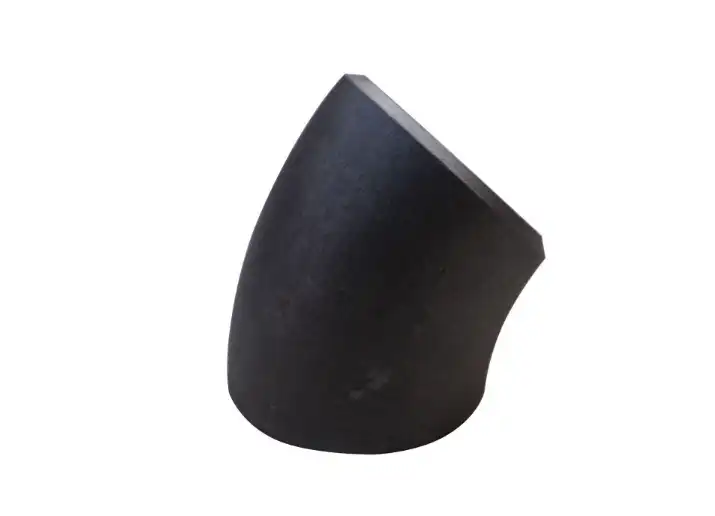
Material Selection and Application Requirements
The choice of material has a big effect on how well something works in certain conditions. Precision-machined elbows made of carbon steel are forceful and don't cost a lot of money. They work well in water conservation and building projects where the temperature and pressure are mild. Different types of stainless steel are better at resisting rust, which is important for chemical handling and marine settings where systems could be damaged by corrosive substances. Alloy steel is used in power plants and industrial plants because regular steel cannot handle the high temperatures and pressures found in these environments. Knowing these differences helps engineers match the specs of a part to the needs of the business more accurately.
Tolerance Standards and Quality Assurance
The main benefit of precise machining is that it keeps the limits for sizes very close. Tolerances of parts made to ANSI, JIS, DIN, or BS standards are within ±0.05mm, which ensures they fit correctly when they're installed and lock well for the whole life of the product. This level of accuracy stops common installation problems like misaligned flanges, gasket compression issues, and weld joint preparation issues that often happen with fittings that are made in the traditional way. Manufacturers who are ISO 9001 qualified use strict quality control procedures, such as verifying dimensions with a coordinate measuring machine and performing nondestructive testing, before sending their goods out.
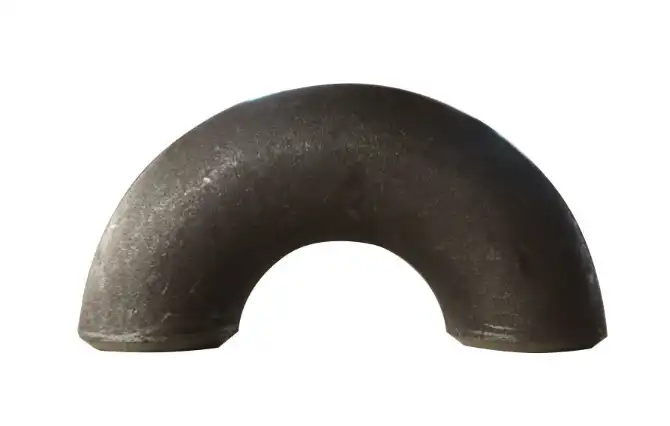
Key Benefits of Using Precision-Machined Pipe Elbows
Enhanced Dimensional Accuracy and System Integrity
Precision cutting makes sure that all of the parts made in a batch are the same size and shape, which is very helpful when working on big projects that need hundreds or thousands of similar parts. This stability gets rid of the need for changes to be made in the field, which slows down installation and could lead to weak spots in pipe systems. Correct geometry ensures that stress spreads evenly during pressure cycles, lowering the risk of wear failures that could compromise system safety. Engineers appreciate that precisely made fittings enhance the reliability of hydraulic calculations during system design, as the actual flow of fluids closely matches the theoretical flow.
Superior Mechanical Properties and Durability
Precision-machined elbows have better material qualities than cast options because they maintain the base metal's grain structure without introducing porosity or inclusions, which are common in casting methods. Higher burst pressure ratings and better resistance to shock loads and vibration in dynamic working conditions are both results of this structural integrity. The controlled manufacturing process also optimizes wall thickness, allowing designers to choose parts that meet strength standards while also being light, which is important for making ships and offshore platforms. Regular inspections show that precision-machined elbows have longer service intervals than traditional options. This means that repair costs are lower and production stops less often.
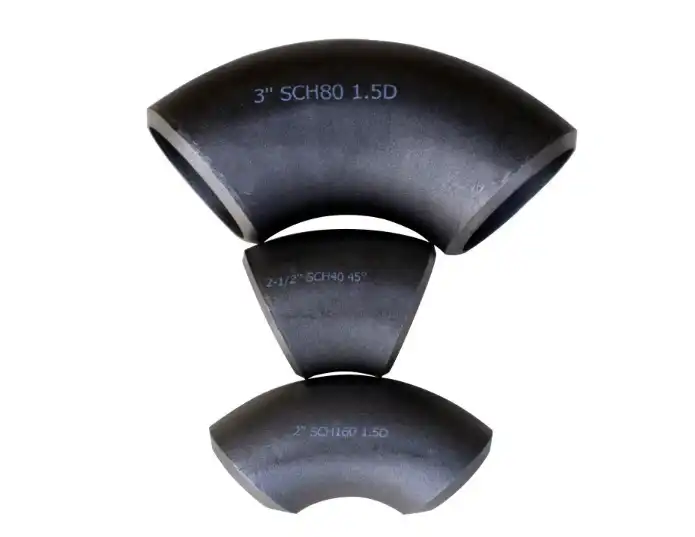
Versatile Application Across Industrial Sectors
Precision-machined elbows are useful in many industrial settings, such as producing oil, handling chemicals, making electricity, and building water distribution systems. In oil and gas operations, these fittings can handle being exposed to harsh hydrocarbons and still keep their seals when the pressure changes during production cycles. Chemical companies need precise parts that can handle corrosive process lines without breaking down, which could cause leaks or contamination. Electric power plants use precise bends for steam distribution systems because they are accurate in size and can handle heat expansion. Because they can be used in so many situations, precision-machined elbows are a good choice for wholesalers who serve a wide range of customers in many different industries.
Long-Term Cost Efficiency and Investment Value
Precision-machined elbows are pricier than standard fittings, but when upkeep, downtime, and replacement costs are properly calculated, the total cost of ownership always favors precise components. Lessening the number of leaks in chemical and oil activities lowers the risks of product loss and environmental compliance. Longer service lives mean that things don't need to be replaced as often, which lowers the costs of materials and labor over the course of their lifetime. Professionals in procurement know that investing in high-quality parts up front pays off in a big way by making operations more reliable and cutting down on the need for emergency repairs that throw off production plans and put a strain on maintenance resources.
Comparing Precision-Machined Elbows to Other Manufacturing Methods
Precision Machining Versus Casting Processes
Cast pipe elbows have lower initial costs, but their manufacturing limits performance in important uses. When metal is cast, it creates holes, flaws, and changes in the grain structure that weaken it and make failure places possible. Usually, you need to do more work on the surface finish quality before it's smooth enough for sealing. Precision machining, on the other hand, starts with approved bar stock or forged blanks whose material qualities are known. It then takes material through controlled cutting operations that keep the structure intact while meeting exact dimensional requirements without any internal flaws.
Forged Versus Machined Component Selection
Because hot working processes optimize the grain flow, forged pipe fittings have great strength. However, forging die errors make it difficult to get exact measurements, and it usually takes more work on a machine to meet final requirements. Fully machined parts get rid of this mixed method, giving you the best material qualities and exact measurements through streamlined production processes. Forged-and-machined or fully machined parts are used depending on the needs of the application. For the best reliability, fully machined parts are usually required for important high-pressure systems.
Material Grade Considerations for Specific Environments
When choosing between carbon steel and stainless steel precision-machined elbows, you need to think about how likely they are to rust, the temperature ranges they will be used in, and your budget. 304 and 316 types of stainless steel are very good at resisting corrosion in chemical processing and naval settings, where water and harsh chemicals tend to damage carbon steel surfaces. Different types of carbon steel work well in dry, moderately heated places where coats or cathodic protection systems are enough to keep the steel from rusting. Some types of alloy steel that contain chromium, molybdenum, or nickel are better at withstanding high temperatures and rust. This makes them useful for specific uses like refinery cracking units or geothermal power systems, where regular materials would fail quickly.
How to Procure Precision-Machined Pipe Elbows Effectively?
Certification Verification and Quality Standards
A good way to start buying things is to make sure that the supplier's certifications show that they can make the goods and that their quality system is mature. Having ISO 9001 certification means that you have set up quality management systems that cover planning, production, and inspection. Getting a special equipment manufacturing license from the government proves that you obey the rules for making pipe components and pressure vessels. Requesting material test results, dimensional inspection certificates, and nondestructive testing paperwork for every production batch makes sure that quality and tracking can be checked, regardless of what the seller says.
Understanding Pricing Factors and Value Drivers
The cost of the raw materials, the difficulty of the machining process, the need for testing, and the customizing requirements all affect the price of a precision-machined elbow. Because of changes in the prices of the materials, carbon steel parts are cheaper than stainless steel or alloy steel parts. In terms of price, complicated shapes that require multi-axis machining processes are more expensive than simple ones. A better price is possible because of volume agreements, which increase production efficiency and lower the cost of buying materials. When buying from foreign providers that serve markets around the world, it's important to look at the total delivered cost, which includes freight, security, and duty charges.
Supplier Selection Criteria and Partnership Development
More than just price, choosing trusted providers means looking at a wide range of capabilities. Verification of production ability makes sure that suppliers can meet delivery dates for both original orders and regular restocking needs. High-tech tools like CNC machining centers and automatic testing systems show that the work needs to be done with a high level of skill and accuracy. Your experience exporting to markets in North America, Europe, and Asia shows that you know how to work with foreign norms and logistics. Asking for customer examples and reading case studies can help you understand how reliable a supplier is in terms of performance and how they can solve problems, which is important for the success of a long-term relationship.
Best Practices for Installation and Maintenance
Proper Installation Techniques and Common Error Prevention
To get the best results from precision-machined elbows, you need to pay close attention when installing them. Using precise measuring tools ensures that the parts orient correctly and line up with the pipe elements next to them. To get even gasket tension without creating stress concentrations that could lead to cracks, it is important to carefully follow the torque specs for flange bolting. When you don't use installation shortcuts like pushing misaligned parts into place or applying too much heat during field changes, you protect the integrity of the parts and stop early failure modes that hurt the reliability of the system.
Maintenance Protocols for Extended Service Life
Setting up regular check plans lets you detect signs of wear early, before they get bad enough to cause failure. Visual inspections show any surface rust, coating wear, or mechanical damage that needs to be fixed. Ultrasonic thickness testing checks for wall loss during acid service so that replacement can be planned ahead of time before perforation happens. Using soap solution or electronic sniffers to look for leaks shows that the gasket or seal is wearing down and needs to be fixed. By writing down what was found during inspections and maintenance tasks, you make records that can be used to support predictive maintenance strategies and decisions about lifecycle management.
Performance Optimization in Operational Settings
Maximizing the value of a precision-machined elbow means adjusting the system's settings to reduce the amount of stress that parts are exposed to. Keeping flow speeds within the allowed range lowers harm from erosion in slurry systems and cavitation in liquid systems. In high-temperature situations, thermal tiredness builds up less quickly when temperature is managed by gradually warming up and cooling down. Measures that reduce vibration stop fatigue cracks from starting at points where stress is high. These operating practices work with choosing high-quality parts to get the most out of your system's efficiency and return on investment.
Conclusion
Precision-machined pipe elbows are the best choice for industrial plumbing jobs that need to be reliable, accurate, and last a long time. Precision cutting uses advanced production techniques that make it possible to obtain consistent dimensions and strong materials that can't be achieved with traditional casting or forging. Even though the original investment is higher than the cost of a standard fitting, the total cost of ownership always favors precision components because they require less upkeep, are serviced more often, and are more reliable. Precision-machined elbows help procurement professionals who choose parts for important systems in the oil, chemical, power, and water infrastructure sectors keep operations consistent and safe.
FAQ
What tolerance levels can I expect from precision-machined elbows?
Quality elbows that are precisely made to international standards have dimensional errors of less than 0.05 mm for important measures like wall thickness, outside diameter, and center-to-end measurements. These close specs ensure that the parts fit correctly when installed and that the seals will work well for the entire life of the part.
Can precision-machined elbows be customized for specific project requirements?
Reliable makers let you make many changes, like using non-standard angles, special material grades, different end setups, and your own custom dimensional requirements. Custom manufacturing usually has higher minimum order numbers and longer wait times than standard catalog items, but it can provide the best solutions for unique uses.
How do I verify product quality before finalizing a purchase?
Requesting full paperwork, such as material test records, dimensional inspection certificates, and nondestructive testing results, is an objective way to check the quality. Visiting factories to see how they make things and how they conduct inspections can give you even more confidence. Before agreeing to large-scale purchases, suppliers can back up their claims by sending initial sample amounts for independent testing.
Partner with Oudi for Your Precision-Machined Elbow Requirements
Since 1998, Oudi has been making high-quality pipe parts out of carbon steel, stainless steel, and alloy steel. They have served over 300 users in 40 countries with quality systems that are ISO 9001-certified and licenses to make special equipment. With the ability to produce 16,000 tons of elbows every year and cutting-edge CNC machining tools, we can reliably send elbows that are precisely made to meet ANSI, JIS, DIN, and BS standards for tough uses all over the world. Email our technical experts at oudi-04@oudiguandao.com to discuss the details of your project, ask for samples, or look into unique solutions. As a reliable company that makes precision-machined elbows, we offer full support from the first request to shipping and service after the sale.
References
1. American Society of Mechanical Engineers. "ASME B16.9: Factory-Made Wrought Buttwelding Fittings." Standards publication on piping component specifications and dimensional requirements, 2018.
2. International Organization for Standardization. ISO 9001:2015 Quality Management Systems – Requirements. International standard defining quality assurance frameworks for manufacturing organizations, 2015.
3. Henderson, J. M. "Piping System Design and Engineering: A Practical Guide." Technical reference covering pipe fitting selection, installation practices, and maintenance protocols for industrial applications, 2020.
4. National Association of Corrosion Engineers. "Material Selection for Oil and Gas Production Systems." Technical guide addressing material performance in corrosive petroleum environments, 2019.
5. European Committee for Standardization. "EN 10253: Butt-Welding Pipe Fittings." European standard specifying technical delivery conditions for steel pipe fittings, 2016.
6. Miller, R. K. "Procurement Strategies for Industrial Components: Cost Management and Supplier Evaluation." Business reference addressing B2B purchasing practices and supplier qualification methodologies, 2021.

Need help finding the right solution with our experts. Please contact us.

SINCE 1998 Your Reliable Pipeline Manufacturer



