How to Install Large-Diameter Steel Pipe End Caps Safely
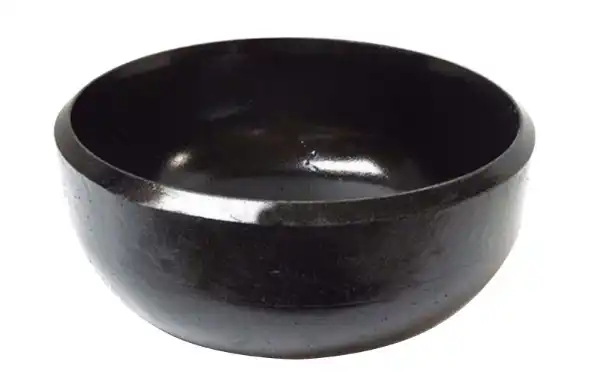
To make sure the system works at its best, installing large-diameter requires close attention to safety rules and technical accuracy. These important pipe valves keep fluids from leaking and keep the pressure steady in industrial pipe systems by permanently closing them off. For assembly to go smoothly, the surface must be carefully prepared, the right welding methods must be used, and the quality must be carefully checked. In order to get reliable, long-lasting results in tough industrial settings, the process needs specialized tools, trained workers, and strict obedience to industry standards like ANSI, ASTM, and DIN.
Understanding Large-Diameter Steel Pipe End Caps
Large-diameter steel pipe end caps are important parts of industrial piping systems because they seal pipe holes forever and can withstand high temperatures and pressures. These strong fittings keep pipeline contents clean, prevent pressure loss, and stop illegal entry. They are essential for important infrastructure projects.
Essential Functions and Applications
Steel pipe caps do a lot more important things than just close pipes. They keep the pressure in the system stable, keep the surroundings clean, and keep outside factors from damaging internal parts. In oil and gas systems, these fittings can handle pressures of up to 1,500 PSI and still keep their seals tight. Chemical processing plants depend on their ability to fight rust so they can work with harsh media without lowering safety standards. There are many industries that can use pipe end caps because they are so flexible. Power plants use them to distribute steam, and water treatment plants count on them to keep drinkable water networks running smoothly. Caps that don't rust in saltwater are needed for shipbuilding, while parts for construction projects need to be able to handle rounds of thermal expansion and contraction.
Types and Material Specifications
Knowing about the different configurations helps procurement pros choose the right options for each job. Butt weld, socket weld, and threaded connections are the main types. Each has its own benefits based on the fitting needs and working conditions. Butt weld end caps are the best way to join because their beveled ends make a trough for lasting welding that doesn't leak. These thick-wall fittings can handle high-strength uses and still allow fluid to flow smoothly inside. For smaller diameter uses, socket weld types make installation easier, while threaded caps make it possible to remove them if access is needed in the future. Material choice has a big effect on performance and durability. Carbon steel caps work well in places that don't rust because they have a high strength-to-weight ratio and are reasonably priced. Stainless steel choices are better at resisting corrosion in chemical processes and sea settings. Different types of alloy steel have better mechanical properties and unique resistance qualities for tough working situations.
Standardization and Compliance Requirements
International norms make sure that all supply lines around the world are safe and compatible. Fittings made of carbon steel are governed by ASTM A234, while those made of stainless steel are governed by ASTM A403. For European markets, DIN standards are used, and JIS standards are used for Asian countries. These guidelines spell out the minimum and maximum sizes, features, and testing needs for all materials so that they are all the same quality and can be used interchangeably. The pressure values must match the design specs of the system. Class 150 fittings can handle normal uses up to 285 PSI at room temperature, while Class 2500 fittings can handle forces over 6,100 PSI. In the same way, caps made of normal carbon steel can withstand temperatures up to 800°F, while caps made of special metals can handle cryogenic or high-temperature situations.
Challenges and Safety Concerns in Installing Large-Diameter Steel Pipe End Caps
Installations with large diameters pose special problems that need specialized knowledge and tools. Oversized caps are very heavy, so they need to be lifted with the right tools and methods to keep people from getting hurt and parts from breaking. Surface preparation is more important than ever as the sizes get bigger because they make any flaws stand out more, which could weaken the weld.
Common Installation Problems
Most fitting problems are caused by bad alignment, especially with large-diameter uses, where even small misalignments can cause stress concentrations and failure before their time. If the surface isn't prepared properly, the weld won't go through well, which weakens the joint and makes it more likely that water will leak through. Incorrect welding factors, such as the wrong amount of heat or trip speed, can cause distortion, breaking, or partial fusion. When construction steps introduce contamination or break protection coatings, the risk of corrosion goes up. Handling galvanized surfaces in a certain way will keep the zinc covering from getting damaged, and carbon steel contamination that could lead to localized rust on stainless steel parts needs to be avoided. Things like wind, temperature, and humidity in the air during installation have a big effect on the quality of the welding and must be carefully managed.
Critical Safety Principles
Preparing the surface well is the first step to a good fitting. For the best weld quality, make sure the surface is clean and dry, free of oil, paint, rust, and other pollutants. Grinding gets rid of mill scale and sets the right edge angles, and solvent cleaning gets rid of any leftover contaminants. Before welding starts, the quality of the preparation is checked on the surface using a dye penetrant or magnetic particle tests. Damage can be avoided during storage, transport, and installation by using the right handling methods. Lifting points need to spread loads out evenly to keep things from warping, and storage areas need enough support to keep things from falling or coming into contact with dirty materials. Staff training makes sure that everyone on the team knows how to properly lift things, what safety gear they need, and what to do in an emergency. The choice of welding method is based on the thickness of the material, the shape of the joint, and the quality standards. For root passes, gas tungsten arc welding (GTAW) gives you exact control, and for fill and cap passes, gas metal arc welding (GMAW) works well. Submerged arc welding (SAW) keeps quality high while increasing output for thick-wall uses.
Step-by-Step Guide on How to Install Large-Diameter Steel Pipe End Caps Safely
For installation to go smoothly, it needs to be carefully planned, with the right tools and skilled workers working together to get the best results. The process starts with careful planning and then moves on to carefully controlled welding steps and finally to final testing and review.
Pre-Installation Preparation
Material checking is the most important thing to do before starting any installation job. Use approved mill test papers to make sure that the caps are the right size, made of the right material, and can handle the right amount of pressure. Any shipping damage, dimensional errors, or surface flaws that could affect the quality of fitting should be found during a physical check. Use ultrasound tests to find out how thick the wall is to make sure the specs are correct and to find any differences that mean the welding process needs to be changed. Site planning makes sure that work conditions are safe and effective. Make sure there is enough air flow for the fumes from welding, especially in small areas where harmful gases could build up. Place the lifting equipment so that it can handle big parts safely and steadily. Make sure the work area is clean and free of any dirt, moisture, or other things that could affect the quality of the weld.
Calibrated welding equipment, accurate measuring tools, and the right safety gear are all necessary for large-diameter installs. Here are the basic needs for setups done by professionals:
- Welding tools that can handle the necessary amperage levels and can be precisely controlled
- Lifting equipment rated for component weights, along with the right mounting gear and trained operators
- measuring tools, such as calipers, scales, and acoustic thickness meters, to check the sizes of things
- Safety gear that includes welding hats, breathing masks, and fire suppression systems
- Inspection tools like dye penetrant kits, magnetic particle testing machines, and x-ray machines
With these tools, teams can keep up with quality standards and make sure workers are safe during the building process. Keeping accurate records of equipment testing and repair shows a dedication to quality and following the rules.
Welding Procedures and Techniques
Root pass welding sets the basis for a strong joint. Clean edges that are properly cut allow for full entry and fusion. Back-purging with a neutral gas stops oxidation and keeps the quality of the weld, which is especially important for stainless steel uses. To get the right mechanical qualities, the root opening and land dimensions must match the rules for allowed welding. Fill and cap passes make joints stronger while keeping the measurements correct. Inter-pass temperature control stops too much heat from entering, which could warp or weaken the material. Cleaning in between passes gets rid of slag and rust that could cause flaws like spots or not enough fusion. Using the right weave methods will make sure that everything is covered without adding too much heat. Heat treatment might be needed based on the material and how it will be used. In carbon steel uses, post-weld heat treatment (PWHT) reduces leftover stresses and makes the material tougher. Controlled cooling rates stop splitting and get the microstructures that are wanted. Monitoring and writing down the temperature shows that the process was followed correctly.
Post-Installation Inspection and Maintenance
The first step in quality control is a visible check to find clear flaws like cracks, incomplete fusion, or too much reinforcement. Dimensional checks make sure that parts that have been bonded meet the rules for geometry. Radiographic, ultrasound, or magnetic particle screening are all types of non-destructive testing (NDT) that can find problems inside something that can't be seen with the naked eye. Under working settings, pressure testing proves that the joint is solid. Using water for hydrostatic testing is a safe and controlled way to check if something can contain pressure. Test pressures usually go above the design pressure by a certain amount to show that there are enough safety factors. Using soap solutions or electronic devices to test for leaks can help find small leaks that could become big problems. Long-term upkeep plans keep the quality of the system high for the whole time it's in use. On a regular basis, checks look for corrosion, mechanical damage, or changes in the working conditions that could have an effect on performance. Maintenance on protective coatings stops corrosion from starting, and cathodic protection systems add extra security in harsh settings. Keeping records of inspection results and maintenance tasks helps with following the rules and making things more reliable.
Comparing Steel Pipe End Caps: Selecting the Best Option for Your Needs
When choosing materials, it's important to think about more than just the buying price. The choice of materials has a big effect on both the original cost and the performance over time. Different types of steel have different mixes of strength, resistance to corrosion, and temperature range, which must be matched to the needs of the application.
Material Performance Characteristics
Carbon steel caps are strong and last a long time, and they don't cost too much. This makes them perfect for non-corrosive uses like steam, compressed air, and fuel service. The usual measurement is Grade A234 WPB, which has a yield strength of 35,000 PSI and a tensile strength of 60,000 PSI. These qualities make them useful for most commercial uses and keep the cost of big projects low. Stainless steel choices offer better protection against corrosion, which is important for chemical processes, food service, and marine uses. Grade 316L is very good at stopping rust caused by salt while still being able to be welded and shaped. The higher amount of chrome and nickel makes up for the higher costs by making the product last longer and needing less upkeep. Different types of alloy steel have different resistance features and better mechanical qualities. Chrome-molybdenum alloys can handle high temperatures and hydrogen service, which makes them good for use in industrial and refinery processes. These are special materials that need to be carefully welded, and they may need to be heated after the welding process to get certain qualities.
Economic and Procurement Considerations
The initial buy price, installation fees, upkeep needs, and expected service life are all part of the total cost of ownership. Stainless steel caps are much more expensive than carbon steel ones, but in corrosive settings, their longer life and lower upkeep needs often make them worth the extra money. Costs over a system's lifetime should include how often it needs to be replaced, the cost of upkeep work, and the cost of system downtime. Strategies for buying things must find a mix between lowering costs, meeting shipping needs, and making sure quality is maintained. Ordering in bulk can often get you better prices, but you need to make sure you have enough space to store and handle your goods. Reliability in the supply chain is important for keeping to a project schedule, which makes choosing a seller as important as price. Quality certifications and testing skills make sure that the project needs and legal requirements are met. Lead times are very different depending on the material chosen, the size needed, and how complicated the production process is. Standard carbon steel caps in standard sizes usually ship in two to four weeks. Specialty stainless steel or metal caps may take eight to twelve weeks. Custom configurations or non-standard specs can make shipping times 16 weeks or longer, which shows how important it is to plan your purchases early on.
Company Introduction and Product & Service Overview
Over 300 buyers in more than 40 countries and regions have bought from Oudi since 1998, making it one of the best companies for making high-quality pipe fittings. Carbon steel, stainless steel, and alloy steel pipe caps made to American, Japanese, German, and British norms are all in our large product line. With a production capacity of 16,000 tons per year, we can keep up with demand and make sure quality is always high thanks to our ISO 9001:2000-certified quality management system.
Manufacturing Excellence and Quality Assurance
Our state-of-the-art factories use cutting-edge technology and strict quality control methods all the way through the production process. Every steel pipe end cap is carefully checked from the time the raw materials arrive until they are shipped out. To make sure we're following foreign standards, our quality assurance program includes chemical analysis, mechanical testing, measurement proof, and non-destructive examination. The People's Republic of China special equipment making license proves that we follow the rules and have the right technical skills. Our skilled engineers work directly with customers to create one-of-a-kind solutions for specific needs, and our labs offer full testing and licensing services for materials. This all-around method makes sure that every product meets or beats customer standards while keeping prices low.
Global Market Presence and Customer Support
Our goods are used in many different industries, such as oil and gas, chemical processing, natural gas, water conservation, building, ships, and generating electricity. Europe, North and South America, Africa, Southeast Asia, and the Middle East are all places where we sell our goods. This shows that we can meet a wide range of foreign standards and requirements. Our expert team offers technical support services such as application building, installation help, and troubleshooting. We keep our inventory in key places so that we can respond quickly to pressing needs, and our manufacturing processes are flexible enough to meet both standard and custom requirements. Making sure our customers are happy is what drives us to keep improving and coming up with new ways to offer services and make products.
Conclusion
To safely install large-diameter steel pipe end caps, you need to pay close attention to the materials you choose, the right way to do things, and quality control methods. Achieving success requires careful planning, the right tools, skilled workers, and following the rules that have already been set. Putting in the time and effort to put something correctly pays off in the form of reliable performance, longer service life, and lower upkeep costs. As industrial systems get more complicated and demanding, skilled installation and high-quality pipe fittings become even more important. For projects to succeed, it's important to work with experienced suppliers and makers.
FAQ
What size does a large-diameter steel pipe end cap come in?
Most of the time, "large-diameter steel pipe caps" refer to fittings for lines with standard diameters of 12 inches (DN300) or more. Because of their heavy weight and important uses, these sizes need special working tools, different ways of welding, and stricter quality control measures. When the diameter is bigger than 24 inches, installation becomes a lot more complicated, and special lifting solutions and multi-pass welding methods are often needed.
What changes about the strength of pipe end caps when they are welded?
By making mechanical ties that are stronger than the base materials, proper welding techniques actually improve the strength of the joint. But using the wrong methods can lead to flaws like not penetrating well, pores, or heat-affected zone cracks. Controlled welding settings, the right filling metals, and, if needed, a post-weld heat treatment make sure that the joint works at its best. Pre-approved soldering methods and trained welders keep risks to a minimum and make sure quality is always the same.
What are the pros of stainless steel caps over coated steel ones?
Because they contain chromium, which forms a protective metal layer, stainless steel caps are very resistant to rust. This makes them perfect for use in chemical processing and marine environments. Galvanized steel caps protect against corrosion in mild settings at a low cost. The zinc coating covers the base steel without expecting anything in return. Even though galvanized options are cheaper at first, stainless steel is a better long-term value in harsh settings because it lasts longer and needs less upkeep.
Partner with Oudi for Your Steel Pipe End Cap Requirements
Oudi uses its many years of experience making things and strict quality control to give you solid steel pipe end cap options for your most important uses. Our factory is ISO 9001:2000 certified and makes caps that meet ANSI, JIS, DIN, and BS standards. We also have an experienced expert team that can help with application support and custom building. You can talk to our experts about your project needs and get detailed quotes from a reliable steel pipe end cap maker by emailing oudi-04@oudiguandao.com. We have reasonable prices, dependable shipping times, and expert help to make sure your installation goes smoothly.
References
1. American Society of Mechanical Engineers. "ASME B31.3 Process Piping Code: Installation Requirements for Pipe Fittings and End Caps." ASME International, 2022.
2. American Welding Society. "AWS D1.1 Structural Welding Code - Steel: Procedures for Large-Diameter Pipe Cap Installation." AWS Publications, 2023.
3. American Society for Testing and Materials. "ASTM A234 Standard Specification for Piping Fittings of Wrought Carbon Steel and Alloy Steel." ASTM International, 2021.
4. National Association of Corrosion Engineers. "NACE SP0169 Control of External Corrosion on Underground Metallic Piping Systems: End Cap Installation Guidelines." NACE International, 2022.
5. International Organization for Standardization. "ISO 15649 Petroleum and Natural Gas Industries - Piping System Components: Safety Requirements for Steel Pipe End Caps." ISO Publications, 2023.
6. American Petroleum Institute. "API 5L Specification for Line Pipe: Requirements for End Cap Installation in Pipeline Systems." API Publishing Services, 2022.

Need help finding the right solution with our experts. Please contact us.

SINCE 1998 Your Reliable Pipeline Manufacturer



