Maintenance Tips for Easy-to-Clean Stainless Steel End Caps
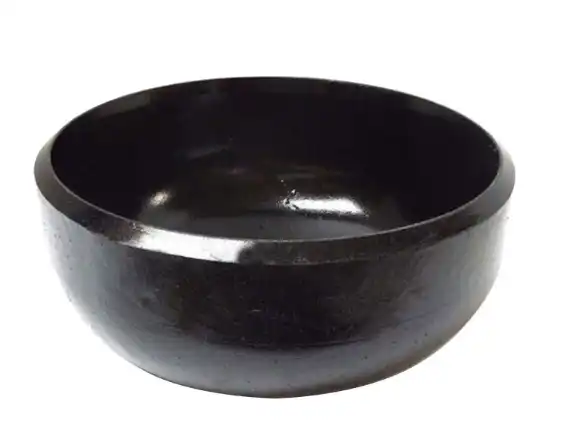
To keep their rust protection and make sure they work well in industrial settings, need to be maintained in a certain way. These important pipe parts need to be cleaned regularly with the right chemicals, inspected regularly to find wear, and handled correctly to avoid contamination. Maintenance plans that work will not only make your stainless steel end cap systems last longer, but they will also keep up with cleanliness standards that are very important in the chemical, pharmaceutical, and food processing industries. Knowing about the different types of materials, their finishes, and how well they clean will help you get the most out of your investment and keep downtime to a minimum.
Understanding Stainless Steel End Caps and Their Cleaning Challenges
Stainless steel end caps are very important for closing off industrial pipe systems because they keep leaks out and can handle high temperatures and pressures. For the most part, these parts are made in two different ways: seamless and soldered. Each has its own benefits for different uses.
Material Composition and Grades
304 and 316 stainless steel are the types that are most often used in industrial settings. Grade 304 has 18% chromium and 8% nickel, which makes it very resistant to rust in most situations. Grade 316 has molybdenum added to it, which makes it more resistant to chlorides and tough chemical conditions. Because of its better makeup, 316 grade is perfect for use in marine settings and chemical processing plants that are often exposed to harsh media.
Common Cleaning Challenges in Industrial Environments
When it comes to pollution, industrial stainless steel end caps are very different from other materials like carbon steel or plastic options. Chemical leftovers, mineral deposits, and organic growth on the surface can make it look bad and stop working properly. Heat tint from welding causes coloring that needs to be removed using special methods to get the safe chromium oxide layer back to its original state.
Environmental Factors Affecting Maintenance Requirements
Maintenance on end caps can be hard in different types of industries. In chemical processing plants, parts are exposed to strong acids and bases, and in food processing plants, strict cleanliness rules must be followed. Hydrocarbons and sulfur pollution are possible in oil and gas uses, so specific cleaning methods are needed to keep things running at their best and in line with industry standards.
Essential Maintenance Tips for Easy-to-Clean Stainless Steel End Caps
Using the right upkeep methods will make sure that your pipe caps stay in good shape and work well for as long as they are used. These steps cover both regular maintenance and cleaning needs that are unique to stainless steel parts.
Proper Cleaning Agent Selection
Choosing the right cleaners is an important part of keeping stainless steel surfaces in good shape without damaging them. Mild alkaline cleansers get rid of organic leftovers well without damaging the passive layer that keeps rust at bay. Specialized cleaners for stainless steel that contain citric or phosphoric acid safely get rid of heat tint and light rust while bringing back the metal's natural shine.
Cleaners that contain chloride should not be used because they can cause pitting rust in even the best stainless steels. When cleaning tough deposits, using non-abrasive tools to do mechanical cleaning keeps the surface from getting scratched, which could let germs grow or create stress points. Always rinse well after cleaning to get rid of any chemicals that might cause rust problems in the future.
Routine Inspection Protocols
Visual checks done on a regular basis help find problems before they become expensive failures. Check for pitting, crevice rust, or staining that could mean the item has been damaged by the environment or wasn't cleaned properly. You should pay extra attention to weld zones and places where metals touch each other because galvanic rusting is more likely to happen there.
Keeping track of what was found during inspections creates a useful maintenance history that helps find trends and make cleaning plans work better. Setting inspection rates based on how the machine is being used makes sure that problems are found quickly and that repair costs are kept to a minimum.
Installation and Handling Best Practices
The right way to put something together has a big effect on how much care it will need in the future. Make sure the end caps are facing the right way to avoid having dead legs where dirt and other things could build up. When installing, make sure you use the right torque specs to avoid stress cracks and get good sealing performance.
Wear clean hands when handling to avoid getting fingerprints on the part, which can cause localized rust. Keep parts in clean, dry places and keep building trash and welding spatter off of finished surfaces that could damage the passive layer.
Material and Design Considerations Affecting Cleanability
The choice of material, surface finish, and design features has a direct effect on how often upkeep needs to be done and how well it can be cleaned. Knowing about these things helps you make smart purchasing choices that lower the total cost of ownership.
Grade Selection Impact on Maintenance
Picking between 304 and 316 grades changes both the original cost and the amount of upkeep that needs to be done over time. Even though 316 costs more than other grades, its better rust resistance often makes it worth the extra money in harsh settings. The molybdenum in 316 makes it more resistant to chloride attack, which lowers the chance of pitting in seaside or chemical processing settings.
For uses that require high temperatures, think about types 321 or 347, which don't corrode between grains because they are stabilized with titanium or niobium. These special grades don't rust even after being heated to temperatures that make them more sensitive during welding or heat treatment.
Surface Finish Effects on Cleanability
The surface finish has a big effect on how easy it is to clean and how well it resists contamination. Electropolished surfaces have the smoothest finish, which means that contaminants can't stick to them as much, and they are easier to clean thoroughly. This finish is especially useful in pharmacy and food processing settings where germs shouldn't stick to the surface.
Mill finishes, and 2B surfaces are good for most workplace uses that don't need very smooth surfaces because they are easy to clean and don't cost as much. If the surface needs to be cleaned often, don't use finishes that are rough or have a lot of roughness. These surfaces will trap dirt and make it harder to clean completely.
Design Features Supporting Easy Maintenance
Whether you choose smooth or welded end caps affects how often and how hard the upkeep is. Seamless designs get rid of places where rust could happen at welds while also making the material stronger. Welded caps are cheaper, but during upkeep, you have to pay more attention to areas that get hot.
When installing things horizontally, make sure there are drain holes to keep fluid from building up and causing microbiologically-influenced rusting. Planning for direction and accessibility during the design of a system makes upkeep easier and makes it less likely that problem areas will be missed.
Enhancing Maintenance with Advanced Solutions and Technologies
Technology and new design features are used in modern upkeep methods to make them more efficient and cut down on work costs. These cutting-edge options meet the changing needs of industrial sites that want to improve their maintenance work.
Automated Cleaning Systems Integration
Automated cleaning systems are very helpful in situations where cleaning needs to happen often or for a long time. Clean-in-place methods get rid of the need to take things apart by hand and make sure that the quality of the cleaning is always the same by controlling chemical amounts and contact times. These systems are especially useful in medicine and food processing settings where the chance of contamination needs to be kept to a minimum.
Ultrasonic cleaning technology gets rid of stubborn deposits from complicated shapes without using mechanical friction. This method works especially well for parts that have internal pathways or complicated surface features that are hard to clean with normal methods. The cavitation motion cleans cracks and holes that you might miss if you clean them by hand.
Sanitary Design Features for Enhanced Cleanability
The design of sanitary end caps includes features that make them easier to clean and keep bacteria from hiding. To meet strict hygiene standards and allow for thorough decontamination, the building must have smooth internal surfaces, few dead spots, and no cracks.
With tri-clamp links, parts can be taken apart quickly and easily for cleaning and inspection, without the need for tools. This feature is especially helpful for tasks that need to be changed over often or cleaned thoroughly. The gasket shape makes a good seal while also making it easy to take off for cleaning or replacing.
Supplier Partnership Benefits
When you work with providers who have been around for a while, you can get professional help and services that add value to your repair programs. Reputable makers offer licenses for materials, cleaning suggestions, and application-specific advice that helps you choose the best parts for your particular needs.
Reliable supply chain partnerships make sure that parts are available when repair work needs to replace them. Just-in-time delivery services and the ability to order in bulk keep stocking costs low while still making sure there is enough stock for planned repair tasks. When strange problems happen, technical support services can help you figure out what's wrong.
Practical Case Studies and Troubleshooting Advice
Real-life examples show how choosing the right materials and doing regular repairs can have a big effect on system reliability and running costs. These cases give support teams that are having the same problems useful information that they can use.
Chemical Processing Plant Success Story
A big petrochemical plant kept having problems with its sulfuric acid service end caps failing too soon. The first installations used 304 stainless steel, but after 18 months of normal cleaning, it started to pit and rust. Upgrading to 316L grade with an electropolished finish increased the service life to more than five years and made cleaning easier.
The building had visual checks once a week and thorough exams once a month using borescope technology to keep an eye on the insides. Compared to reactive repair methods, this proactive technique found problems early on, before they got so bad that they broke. This cut unplanned downtime by 60%.
Food Processing Hygiene Optimization
A dairy processing plant had problems with germs because the pipe end caps weren't cleaned well enough. An investigation showed that mill-finish surfaces had germs hiding in tiny surface flaws, even after strict cleaning methods were used. The cause of pollution was taken care of by switching to electropolished sanitary end caps with tri-clamp connections.
The new design made it possible to take the whole thing apart for cleaning and inspection. Testing with ATP showed that the new cleaning method worked, as the number of germs regularly dropped below the limits of detection. By using better cleaning methods, the facility met all the rules and cut the amount of cleaning chemicals it used by 30%.
Troubleshooting Common Maintenance Issues
Discoloration is often a sign of damage from heat, using the wrong cleaning products, or contamination. Rainbow-colored heat tint is usually caused by welding, and it needs to be removed with acid. If you see brown or black marks, it could mean that iron got on them from carbon steel tools or parts, and they need chelating agents to be removed properly.
Small, deep holes show up on the surface as pitting corrosion. This is usually caused by chlorine attack or crevice corrosion. Once pitting starts, it tends to spread quickly, so it's important to find it early and fix it. For heavily dented parts, replacement is often a better value than trying to fix them.
Company Introduction and Our Solutions
Since 1998, Cangzhou Oudi Pipe Make Co., Ltd. has been serving the industry market around the world by making high-quality stainless steel end caps and offering full piping solutions. Our huge factory covers 66,600 square meters and makes more than 16,000 tons of approved pipe parts every year that meet ANSI, JIS, DIN, and BS standards.
Our Product Range and Capabilities
We offer stainless steel end caps in types 304, 304L, 316, and 316L that are smooth, welded, sanitary, and threaded. We make sizes from 1/2 inch to 48 inches, and the wall thickness can be changed to meet different temperature and pressure needs. Each product goes through strict quality control, which includes material approval and nondestructive testing.
Our high-tech production tools make sure that the quality is always the same, and our prices for large orders are always low. We keep a large inventory to meet the needs of just-in-time delivery for building and repair jobs around the world.
Quality Assurance and Certifications
We are dedicated to quality achievement, as shown by our ISO 9001:2000 certification and People's Republic of China special equipment production license. Full traceability paperwork is sent with every product. This includes material test results and data for verifying dimensions. Our quality control method includes checking the raw materials, keeping an eye on the work as it's being done, and testing the finished product.
Advanced sensing tools allow for a wide range of tests, such as chemistry analysis, checking of mechanical properties, and nondestructive testing. This all-around method makes sure that every part meets or goes beyond the standards and that the quality is the same across all output lots.
Conclusion
To take good care of stainless steel end caps, you need to know how the material works, follow the right cleaning methods, and choose the right types for different uses. Regular checks, using the right cleaning agent, and paying close attention to the details of the design all make the system last longer while keeping its integrity. Automated cleaning systems and safe designs are examples of new technologies that make care more efficient while lowering the cost of labor. Working with providers who have been around for a while gives you access to technical know-how and dependable supply lines that help you get the best maintenance results. These all-around methods make sure that the money you spend on pipe fittings gets you the most value while still meeting safety and working standards.
FAQ
What cleaning frequency is recommended for stainless steel end caps?
How often you clean relies on how the machine is used and how much dirt it is exposed to. Cleaning is usually needed every day for food processing applications, but it might need to be done once a week or once a month for general industry applications. If you want to keep damage from building up, you may need to clean more often in places that are hot or acidic. Keep an eye on how things look and make plans based on real contamination rates instead of random time frames.
Which cleaning agents are safe for stainless steel surfaces?
Mild alkaline soaps, citric acid solutions, and special stainless steel cleaners are all safe ways to clean. Bleach and muriatic acid, which contain chloride, should not be used because they can cause pitting erosion. Before using new cleaning products all over, make sure to test them in an unnoticeable area first. Also, make sure to rinse well after cleaning to get rid of any chemical remains.
When should end caps be replaced versus repaired?
Replace end caps that have pitting, rust, stress cracks, or dimensional changes that make them less effective at closing. Most of the time, surface darkening and light rust can be fixed by cleaning and passivation treatments. Think about the costs of replacement versus the work needed to fix it, taking into account the chance of failure and the need for system dependability.
How do I identify the correct stainless steel grade for my application?
The choice of grade is based on the temperature, pressure, and chemical exposure. Grade 304 is good for most normal uses, while 316 is better for harsh conditions because it resists corrosion better. Talk to metallurgical experts or sources with a lot of experience to figure out the best materials for the job based on the particular working conditions.
Partner With Oudi for Superior Stainless Steel End Cap Solutions
Oudi blends decades of experience making things with full professional support to help you get the most out of your maintenance tasks and the performance of your parts. As part of our wide range of products, we offer high-quality stainless steel end caps that are made to meet international standards and are backed by strict quality control and full material approval. Our company knows how important it is for industrial uses to use reliable parts, and we offer quick expert support to meet your needs. Get in touch with our knowledgeable staff at oudi-04@oudiguandao.com to talk about your stainless steel end cap provider needs and find out how our tried-and-true solutions can help you run your business more efficiently while lowering your overall maintenance costs.
References
1. Davis, J.R. "Stainless Steel Maintenance and Cleaning Procedures for Industrial Applications." ASM International Handbook Series, 2019.
2. American Society for Testing and Materials. "Standard Practices for Cleaning Stainless Steel Components in Industrial Environments." ASTM A967-17, 2020.
3. Sedriks, A.J. "Corrosion Resistance and Maintenance of Stainless Steel End Caps in Chemical Processing." NACE International Publication, 2018.
4. International Stainless Steel Forum. "Guidelines for Proper Maintenance of Stainless Steel Pipe Fittings." ISSF Technical Report, 2021.
5. Miller, P.K. "Industrial Cleaning Protocols for Stainless Steel Components: Best Practices and Case Studies." Process Engineering Journal, 2020.
6. Thompson, R.L. "Material Selection and Maintenance Strategies for Stainless Steel End Caps in Critical Applications." Chemical Engineering Progress, 2019.

Need help finding the right solution with our experts. Please contact us.

SINCE 1998 Your Reliable Pipeline Manufacturer



