Inspecting Flanges with P3-GIT: Best Practices for Safety
Using P3-GIT technology to check steel flanges is a huge step forward in workplace safety standards because it finds key flaws with a level of accuracy that is unmatched by other inspection methods. This new method uses advanced tracking and real-time data processing to find internal rust, micro-cracks, and dimensional changes in carbon steel, stainless steel, and alloy steel flanges used in chemical, water conservation, and oil and gas industries. In high-pressure industrial settings, the P3-GIT system lets maintenance teams use proactive inspection plans that stop catastrophic breakdowns and improve working efficiency and safety compliance.
Understanding Steel Flanges and the Importance of Inspection
Steel flanges are important parts of industrial plumbing systems because they ensure that pipes, valves, and equipment can meet securely even when the pressure and temperature are very high. These important parts make sure that connections don't leak and give system upkeep and modification places in a wide range of industry settings.
Essential Flange Types and Their Applications
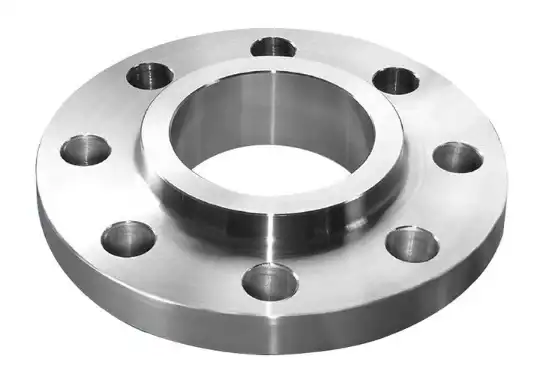
In industrial settings, different flange designs are needed depending on the pressure and working needs. Weld neck flanges have long, tapered hubs that give them great structural stability. This makes them perfect for high-pressure uses in power plants and industrial plants. The curved shape of these flanges effectively distributes stress, making it less likely that they will fail in harsh situations. Slip-on flanges are easy to install because they slide over the ends of the pipes before being welded. This makes them good for low-pressure situations where assembly is important. Socket-weld flanges make safe links for high-pressure, small-diameter systems, while threaded flanges let you put things together without welding in situations where you might need to take them apart. Blind flanges successfully seal the ends of pipes, allowing the system to grow in the future or giving repair workers access.
Material Selection and Standards Compliance
Carbon steel flanges have between 0.25% and 0.60% carbon in them, along with manganese, which makes them stronger and easier to work with. These materials work great in places with high temperatures and are affordable options for common industry uses. Stainless steel types are better at resisting rust, which makes them necessary for systems that process chemicals and clean water, where material degradation is a big risk. There are extra parts added to alloy steel flanges so that they can work in certain ways that are needed in certain situations. By knowing these qualities of materials, you can make the right choice based on how they work, whether they are compatible with chemicals, and their pressure ratings. Meeting foreign standards like ANSI, JIS, DIN, and BS requirements makes sure that all global projects are safe and compatible.
Critical Role of Regular Inspection
Regular checking of the flange stops major failures that can pollute the environment, damage equipment, and hurt people. Corrosion, stress cracks, or changes in dimensions that aren't noticed can weaken a system, causing it to break down unexpectedly and need expensive repairs. Inspection routines find problems early on, before they become too big to fix. This lets maintenance be planned ahead of time, which keeps operations running as smoothly as possible. Failure of a flange has effects that go beyond instant safety worries. These effects include not meeting regulations and hurting the operation's reputation. Systematic inspection programs show that you are doing your job right and give you information that you can use to improve repair plans and replacement planning. This proactive method lowers the total cost of ownership while making sure that important manufacturing systems keep running.
Limitations of Traditional Flange Inspection Methods and Introduction to P3-GIT
Visual inspection, hand measures, and simple ultrasonic testing methods are a big part of traditional inspection methods, but they often miss internal problems until they are very bad. Unfortunately, these old methods aren't very good at finding underground rust, micro-cracks, and small changes in size that weaken flanges over time.
Challenges with Conventional Inspection Approaches
Visual screening methods can only find flaws and clear signs of wear and tear on the outside. They miss important damage happening inside, under protective coats, or in flange material. Manual measurement methods aren't very accurate or consistent, especially when they are used by more than one tester over time. Standard ultrasound testing doesn't go very deep or very clearly, so it might miss small problems that are getting worse and will eventually cause the product to fail. These traditional ways also need a lot of time for review and often need to shut down the system to do a full assessment. Visual inspection is subjective, so results can vary from inspector to inspector. Also, mistakes in measuring by hand can cause incorrect estimates of the flange state. Also, standard methods have trouble setting up baseline conditions for tracking the slow degradation over long service periods.
Revolutionary P3-GIT Technology Capabilities
Advanced sensing arrays and complex data analysis techniques are used in P3-GIT technology to provide full flange assessment capabilities that are better than standard methods. This method finds flaws below the surface, counts the thickness of materials with micron-level accuracy, and finds areas of high stress that show problems are starting to form. The technology makes thorough digital maps of the conditions of the flanges, which makes it possible to compare them accurately between inspection rounds. The P3-GIT system works by scanning without damaging the structure, so it can record information about the inside of things without having to take them apart or shut down the system. Advanced signal processing techniques look at patterns of reflected energy to find problems that can't be seen with normal checking methods. Real-time data processing gives you results right away and builds large files that can be used to look at trends and plan for maintenance.
Enhanced Safety and Maintenance Benefits
Using P3-GIT technology greatly enhances the accuracy of inspections while cutting down on the time needed for a full assessment. During the early stages of development, the system finds possible failure modes. This lets support workers do focused work that stops catastrophic failures. Digital recording gives clear proof of the state of the flange, which helps with insurance and legal requirements. Integrating P3-GIT data with maintenance management tools lets you schedule work based on conditions, which makes the best use of resources and meets safety standards. The technology gets rid of the need for different interpretations and provides uniform, repeatable measures that help people make decisions based on data throughout the lifecycle of an object.
Best Practices for Inspecting Steel Flanges Using P3-GIT
For the P3-GIT inspection to go smoothly, there needs to be careful planning, the right tools must be calibrated, and scanning methods must be followed exactly so that accurate data can be collected and interpreted. These best practices make the most of the technology's features while giving accurate results that help make important choices about care.
Comprehensive Pre-Inspection Preparation
For a P3-GIT check to work, the surface must first be carefully cleaned to get rid of any dirt, coatings, or rust products that might get in the way of the signal. When surfaces are clean, sensors can connect to them more easily and send accurate data during the scanning process. During inspections, the temperature, humidity, and shaking levels of the environment must be checked to make sure that the equipment works at its best. Calibration of equipment using approved reference standards sets baseline measurements that make sure readings are accurate for all types of flange materials and shapes. Correct tuning takes into account the qualities of the material, changes in thickness, and types of defects that are likely to happen in this particular application. Documenting the calibration methods makes them easier to find and makes sure that they are the same from inspection cycle to inspection cycle and from operator to operator.
Systematic Scanning Procedures
P3-GIT scanning uses set grid patterns to make sure that all important parts of the flange are scanned, such as bolt holes, closing surfaces, and stress concentration zones. Systematic data collection keeps people from missing important information and builds thorough assessments of conditions that help people make smart choices about care. The scanning settings change automatically based on the qualities of the material and the shape of the flange to get the best signal penetration and clarity. Data collection methods record specific details about the thickness of the material, any flaws inside, and the patterns of stress distribution that affect how well the flange works. In real time, advanced algorithms look for errors in raw data and make initial assessments while the scanning process is going on. Quality control methods make sure that the data is correct and point out areas that need more research or expert analysis.
Proven Results from Industrial Applications
When compared to standard inspection methods, oil and gas pipeline projects that use P3-GIT technology report 40% more accurate findings of flaws. Chemical processing plants say they have less unexpected downtime because they can spot problems early, which they wouldn't have been able to do with traditional methods. With the help of P3-GIT data and condition-based maintenance routines, power plants can keep up with safety standards while extending the time between service gaps. These real-life examples show how to consistently find subsurface rust, stress cracks, and changes in size that threaten the stability of flanges. Early action based on P3-GIT results stops expensive emergency repairs and makes the best use of maintenance resources across all building activities.
Selecting the Right Steel Flanges and Inspection Solutions for Your Needs
To choose the best flange, you need to carefully think about the application's working conditions, material qualities, and pressure needs. Including advanced inspection options in choices about what to buy guarantees long-term dependability and helps with cost-effective maintenance plans throughout the lifecycle of an asset.
Material and Design Selection Criteria
Carbon steel flanges are a cheap way to handle standard pressure situations where middling corrosion protection is needed. These materials are very strong and can be welded easily. They also meet most industrial application needs. Different types of stainless steel work really well in places where materials breaking down can seriously threaten the safety and stability of the system. When choosing a pressure rating, you need to think about the worst possible situations as well as the right amount of safety to make sure that the rating will still work reliably when things go wrong. Material choice and seal fit are affected by temperature, so it's important to carefully look at how thermal expansion affects things and how stress is distributed. Chemical compatibility tests keep materials from breaking down and make sure they will work well for a long time in harsh working settings.
Supplier Evaluation and Quality Assurance
Reputable makers keep their ISO 9001 certification and licenses to make specialized tools, which show that they are committed to quality control and following the rules. Production skills, such as the amount of work that can be done each year, testing sites for materials, and quality documentation systems, show how reliable a supplier is for big projects. Export experience and recommendations from overseas customers show that the product has worked well in a variety of settings and places. Comprehensive material testing, measurement verification, and recording processes must be part of quality control systems to make sure that products meet standards. The ability to check and use advanced production tools shows that you are technically skilled and helps keep product quality consistent across production batches. When evaluating a supplier, you should look at both their manufacturing skills and their support services, such as their expert help and how reliable their delivery is.
Lifecycle Integration Strategies
By giving detailed information about expected service life and maintenance needs, P3-GIT inspection data helps purchase choices that are well-informed. Cost analysis that takes into account the initial buy price, installation costs, and expected upkeep costs over the asset's lifecycle is possible with historical performance data. This all-around method lowers the total cost of ownership and makes sure the system works reliably. P3-GIT data is used by predictive maintenance systems to plan replacement tasks based on real state instead of random time intervals. This method cuts down on the need for inventory while also keeping operations running smoothly by avoiding sudden failures. When inspection results are combined with plans for purchases, proactive replacement methods can be used to keep systems reliable while making the best use of resources.
Conclusion
P3-GIT technology changes the way steel flange testing is done by finding key flaws that older methods often miss with unprecedented accuracy. This cutting-edge method makes it possible for proactive maintenance plans that stop major breakdowns and improve operating efficiency in a wide range of industry settings. To make execution go smoothly, you need to plan, make sure your equipment is properly calibrated, and follow the set scanning methods that guarantee accurate results. When you combine P3-GIT's powers with choices about buying and lifecycle management strategies, you get complete solutions that make important industrial systems safer while lowering their total cost of ownership.
FAQ
How often should steel flanges be inspected using P3-GIT technology?
The number of inspections relies on how the facility is used, but most plan P3-GIT assessments once a year for important applications and every 18 to 24 months for normal service conditions. In places with a lot of pressure or corrosion, things may need to be checked more often to make sure they are safe.
What types of defects can P3-GIT detect that traditional methods miss?
Under protected layers or in flange material, P3-GIT technology finds rust, micro-cracking, and slow changes in size that happen below the surface. The method can find changes in width as small as 0.1 mm and areas of high stress that point to problems that are about to happen.
What certifications should buyers verify when selecting steel flange suppliers?
Some important certificates are the ISO 9001 quality management system certification and licenses to make specialized tools. Suppliers should also show that their products meet foreign standards like ANSI, JIS, DIN, and BS, which are important to your purpose.
Partner with Oudi for Advanced Steel Flange Solutions
Oudi offers complete steel plate solutions that go above and beyond what the industry requires. They do this by combining decades of manufacturing experience with the latest P3-GIT inspection technology. Our factory is ISO 9001 approved and makes 16,000 tons of carbon steel, stainless steel, and alloy steel flanges for world markets every year. These flanges meet ANSI, JIS, DIN, and BS standards. Our experienced engineering team provides technical help throughout the lifecycle of a project, and advanced quality control methods make sure that the quality of every product is always high. Contact our steel flanges manufacturer team at oudi-04@oudiguandao.com to talk about your unique needs and find out how our unified approach to production and inspection technology can improve the safety and efficiency of your operations.
References
1. American Society of Mechanical Engineers. "Guidelines for Steel Flange Inspection and Maintenance in Industrial Applications." ASME Standards Publication, 2023.
2. International Pipeline Integrity Association. "Advanced Non-Destructive Testing Methods for Pipeline Component Assessment." Technical Report Series, 2023.
3. National Association of Corrosion Engineers. "Corrosion Detection and Prevention in Steel Flange Systems." NACE Technical Publication, 2022.
4. Society for Nondestructive Testing. "Emerging Technologies in Industrial Component Inspection." NDT Handbook, 2023.
5. Petroleum Equipment Institute. "Best Practices for Flange Integrity Management in Oil and Gas Operations." Industry Guidelines, 2022.
6. International Standards Organization. "Quality Management Systems for Industrial Component Manufacturing." ISO Technical Documentation, 2023.

Need help finding the right solution with our experts. Please contact us.

SINCE 1998 Your Reliable Pipeline Manufacturer