How to Prevent Corrosion in Carbon Steel Flange Connections?
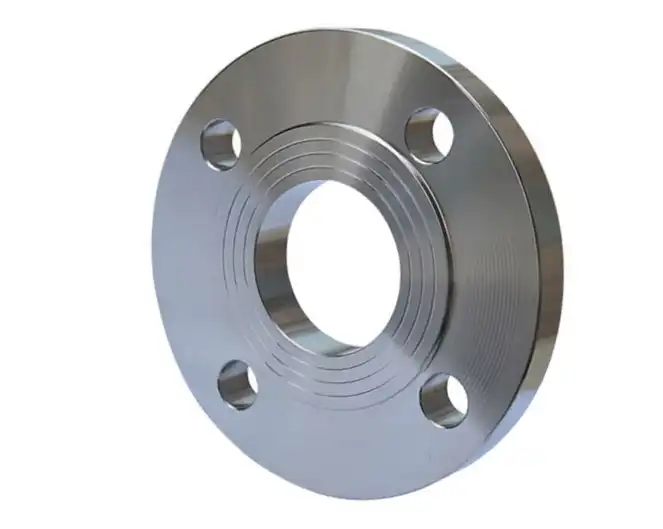
Preventing corrosion in carbon steel flange connections requires proper material selection, protective coatings, and regular maintenance protocols. Carbon steel flanges are susceptible to uniform corrosion, pitting corrosion, and crevice corrosion when exposed to moisture, chemicals, and extreme temperatures. Implementing effective prevention strategies such as galvanization, epoxy coatings, proper installation techniques, and routine inspections significantly extends flange service life while reducing operational costs and system downtime in industrial applications.
Understanding Corrosion in Carbon Steel Flange Connections
Carbon steel flanges are important parts of industrial plumbing systems because they connect pipe sections and keep the system's structure under tough working conditions. These fittings are very flexible and come in a number of different styles, such as weld neck, slip-on, socket weld, threaded, lap joint, and blind flanges. Each style is designed to meet specific temperature and pressure requirements set by international standards like ASME B16.5, ASTM A105, and API.
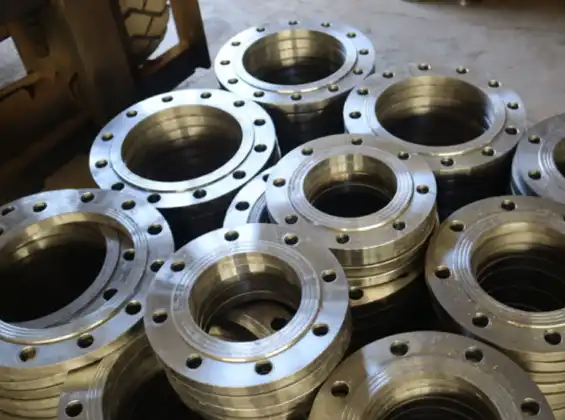
Common Types of Carbon Steel Flanges and Their Vulnerabilities
Depending on how they were made and how they were installed, different types of flanges are more or less likely to corrode. When it comes to stress corrosion cracking, weld neck flanges with tapered hubs that provide great structural stability perform better than slip-on versions. When socket weld flanges are used with smaller diameter pipes in high-pressure situations, they can cause crevice corrosion where the pipe hits the socket hole. When buying, teams know about these design-specific weaknesses, and they can choose the right corrosion-prevention steps during the specification phase.
Corrosion Mechanisms Affecting Carbon Steel Flanges
Carbon steel flanges are subjected to a variety of rust processes in industrial settings, all of which can weaken the safety and reliability of the system. When air and wetness combine chemically with the flange surface, the whole surface loses the same amount of material. This is called uniform corrosion. Pitting corrosion damages specific areas by making small holes that go deep into the metal structure. These holes can cause catastrophic failures even if the total amount of material lost seems small. When carbon steel flanges touch different metals in the presence of an electrolyte, galvanic rust happens. This speeds up the breakdown through electrochemical processes.
When connecting flanges, crevice corrosion can be especially difficult. It happens in the small areas between the gasket surfaces and the bolt holes, where solutions that aren't moving gather corrosive elements. Corrosion rates and patterns are greatly affected by things in the environment, such as oxygen levels, temperature changes, chemical contact, and mechanical stress. Attack rates are sped up by chloride pollution from the ocean or industrial processes. On the other hand, acidic conditions lower the pH and speed up the rate at which materials dissolve.
Key Methods to Prevent Corrosion in Carbon Steel Flanges
Selecting the right materials is the first step in preventing corrosion. Other steps include applying protected coatings, following proper fitting methods, and keeping up with regular upkeep. For modern industrial uses, we need all-around solutions that cover both short-term safety needs and long-term operating needs.
Material Selection and Grade Optimization
Choosing the right types of carbon steel is the first step in making corrosion control plans work. For normal pressure uses, ASTM A105 carbon steel has great mechanical qualities. For cryogenic services, ASTM A350 LF2 has better low-temperature performance. Higher carbon content types, like ASTM A694 F65, are stronger, but they may need extra protection in places where they are likely to rust.
When choosing flange materials, procurement teams should think about practical factors like temperature ranges, pressure needs, and chemical exposure levels. Comparing the performance of carbon steel to options made of stainless steel helps find the best balance between cost and rust protection. For places that are very aggressive, advanced alloys like duplex stainless steels offer great corrosion protection, but they come at a higher cost.
Protective Coating Systems
Modern coating technologies offer strong defense against rust in the climate while still being cost-effective for large-scale commercial uses. Hot-dip galvanization makes a zinc layer that is mechanically bound and acts as both a shield and a sacrifice for protection. This layer adds 15-20 years to the service life of the metal in normal weather conditions. This method works especially well in places with clean water and in the outdoors, where the moisture level stays the same.
Epoxy coating systems are great for petroleum uses where harsh chemicals could damage the flange because they are chemically resistant and stick to surfaces well. Two-component epoxy mixtures make cross-linked polymer networks that don't let chemicals through but stay flexible when temperatures change. Powder coating methods get rid of the thin spots that are common with liquid coating methods and give better edge protection and even covering.
Certain nautical coatings have anti-fouling qualities that stop living things from growing on them and protect them from saltwater corrosion. Some of the advanced ingredients in these formulas are zinc-rich primers, protective coatings, and topcoats that are made to last for a long time in marine settings.
Installation Best Practices
Using the right fitting methods is very important for keeping crevice rust at bay and making sure that the flange works well for a long time. By tightening the bolts in a uniform way, the tension of the gasket is spread out evenly. This eliminates any possible leak paths that could let corrosive media into the flange surfaces. To get the best sealing without putting too much stress on bolt systems, torque specs must match flange pressure values and gasket materials.
The choice of gasket has a big effect on how well rust protection works. Spiral wound gaskets with stainless steel windings don't rust and keep their good sealing properties even when the temperature changes. When it comes to chemicals, PTFE-faced seals work well with strong media and protect against crevice rust. When you store and handle gaskets properly, you can keep them clean so that they don't get contaminated with toxic materials during installation.
Cleaning the surface before putting it together gets rid of mill scale, rust, and other things that could speed up the start of rusting. Wire brushing or light rough cleaning makes metal surfaces clean, which helps gaskets sit properly and coatings stick. Stress concentrations that could cause stress corrosion cracking are kept to a minimum through joint design factors such as proper alignment and support.
Inspection and Monitoring Techniques for Early Corrosion Detection
Early discovery of corrosion by proactive inspection programs is possible before it causes major material loss or system breakdowns. These strategies for monitoring use both visible checks and more advanced nondestructive testing methods to give full testing abilities.
Visual Inspection Protocols
Regular eye checks are the most important part of corrosion tracking systems that work. They look for early warning signs of problems before they get worse and cost a lot to fix. Trained people should look at the surfaces of flanges for darkening patterns that show active corrosion processes. They should pay extra attention to places where different metals meet or where cracks could trap corrosive media.
Carbon steel flanges in rust creation can help you figure out how corrosion works and how bad it is. A uniform spread of rust usually means that the corrosion is happening all over, while spots in one place usually mean that pitting or crevice corrosion is happening. Cracks, stiffening, or chemical attack on the gasket are all signs that the seal might be failing, which could leave the flange surfaces open to corrosive environments.
Standardized reporting forms and picture records should be part of documentation processes so that corrosion can be tracked over time. Digital inspection systems make it easy to gather and analyze data consistently, which helps with making choices about predictive maintenance and repair schedules. The number of inspections relies on how bad the environment is and how important the operation is. In harsh environments, inspections happen once a month, while in mild ones, they happen once a year.
Advanced Nondestructive Testing Methods
Modern NDT methods can find rust below the surface, which helps find problems before they show up on the surface. Ultrasonic thickness checking accurately measures the leftover wall thickness, which lets you figure out how much life is left. Phased array ultrasonic systems make clear pictures of the patterns of internal rust, which helps with choosing the best way to fix things and deciding when to replace them.
Magnetic particle analysis shows cracks and holes in the surface that can spread when the system is put under stress. In high-strength carbon steel uses, this method works especially well for finding stress corrosion cracks. Dye penetrant testing finds small flaws on the surface that might not be visible to the naked eye. It also records the flaw's properties permanently.
Electrochemical tracking devices measure the rate of corrosion in real time, so they can respond right away to changes in the surroundings. These tools test polarization resistance and rust potential, giving information that helps with planning preventative maintenance and judging the performance of coatings.
Procurement Insights: Selecting the Right Carbon Steel Flanges and Suppliers
Strategically choosing a source has a big effect on the overall project performance and the success of long-term corrosion protection. When picking flange suppliers, people in charge of purchasing must look at a number of things, such as the suppliers' manufacturing skills, quality assurance systems, and technical help resources.
Supplier Evaluation Criteria
Carbon steel flange providers must meet quality certification standards to be evaluated. ISO 9001:2015 approval shows that a company uses organized quality management methods to make sure that all of its products work the same way and can be tracked. API Q1 certification is designed to meet the unique needs of the oil and gas business. It includes better testing procedures and material traceability. An ASME U-stamp permission shows that the company is able to make pressure-retaining parts that meet the standards of the ASME Boiler and Pressure Vessel Code.
The evaluation of manufacturing skills should look at things like production capacity, the amount of technical knowledge, and how complex the equipment is. Modern forging tools allow for better control of the grain structure, which improves the material's resistance to corrosion and dynamic qualities. The ability to heat treat materials makes sure that the architecture develops properly and that stress is relieved, which makes the materials less likely to crack in the environment. Precision in machining affects how well gaskets sit and how well the whole system holds together.
The ability to test and check directly affects the quality and dependability of a product's performance. Positive material recognition makes sure that the alloy's makeup and mechanical qualities are right. In controlled settings, hydrostatic testing verifies pressure levels and the integrity of leaks. Nondestructive testing programs find flaws inside things that might affect how well they work or speed up the start of rusting.
Cost Optimization Strategies
Understanding what causes costs makes it easier to negotiate purchases and stick to a budget. Material grades have a big effect on prices. For example, a higher alloy level will raise costs but may lower the need for long-term upkeep. When it comes to large diameter flanges used in big pipeline projects, size and weight affect how much it costs to ship and how easy it is to handle.
Volume purchasing deals can help you save a lot of money while keeping the supply chain running smoothly. Blanket purchase orders with scheduled releases make it easier to handle supplies and keep prices stable over long project durations. Just-in-time shipping plans keep production schedules while cutting down on storing costs and working capital needs.
Custom manufacturing lets you make solutions that fit the needs of a specific project, but they usually cost more than standard designs. Value engineering talks with providers often lead to new ways of doing things that meet performance standards and lower costs generally. Technical teamwork during the planning phase can help make sure that the standards are the best they can be in terms of both performance and cost.
Oudi: Your Trusted Partner for High-Quality Carbon Steel Flanges
Since 1998, Oudi has been a top producer of high-quality carbon steel pipe fittings and flanges, with a yearly production capacity of 16,000 tons and more than 300 users in 40 countries. We offer a wide range of products, such as American standard, Japanese standard, German standard, and British standard flanges made from carbon steel, stainless steel, and alloy steel to meet the needs of different industries.
Our factory in Mengcun Hui Autonomous County has Carbon steel flanges and strict quality control systems that make sure our products always work well and are reliable. We keep our ISO 9001:2000 quality management certification and licenses to make special tools, which show that we are dedicated to quality and following the rules. Before it is shipped, every product is carefully checked and put through nondestructive tests. This makes sure that the flanges our customers get meet or beat international standards.
At Oudi, quality assurance rules cover the whole process of making a product, from checking the raw materials to testing the finished product. Modern detection tools let you carefully check the mechanical features, precision of measurements, and quality of the surface finish. Our expert team offers full support, including help with choosing the right materials, application engineering, and suggestions for stopping corrosion that are specific to the working area.
The wide range of products includes slip-on flanges that are easy to place in low-pressure situations, weld neck flanges that provide better structural stability for high-pressure services, and blind flanges that allow for easy system termination and maintenance access. Socket-weld flanges work great in high-pressure, small-diameter situations, while threaded flanges give you more fitting options when welding isn't possible. Custom fabrication lets you make solutions that fit the needs of a specific job or work in difficult situations.
Conclusion
To keep Carbon steel flange joints from corroding, you need a complete plan that includes choosing the right materials, applying protection coatings, installing them correctly, and keeping an eye on them regularly. Understanding how corrosion works lets you come up with specific ways to stop it that cut down on both the original costs and the long-term costs of running the system. Modern coating technologies, along with the right way to put them and regular testing programs, make flanges last a lot longer while keeping the safety and efficiency of the system. Strategic relationships with suppliers give you access to high-quality goods, professional know-how, and ongoing support that improve the success of your projects and the efficiency of your operations.
FAQ
What environmental factors most significantly affect carbon steel flange corrosion rates?
The main external factors that affect the rate of rust in carbon steel flanges are changes in temperature and humidity, chemical exposure, and chloride contamination. Marine settings with a lot of salt speed up the rate of attack, while acidic conditions from industrial processes lower pH levels and make it easier for materials to dissolve. Changing temperatures can put stress on materials, which can crack protection coatings and create new places where rust can start.
How often should carbon steel flanges undergo corrosion inspection?
The number of inspections relies on how bad the environment is and how important the operation is. Usually, inspections happen once a month in harsh chemical or marine environments and once a year in mild weather. For safety reasons and to avoid expensive breakdowns, high-pressure systems and important process applications may need to be checked more often. Visual checks should be done when the machine is shut down for regular maintenance, and more in-depth NDT tests can be planned based on how it has been used in the past and the amount of external exposure.
Can carbon steel flanges be effectively used in highly corrosive environments?
If you protect carbon steel flanges with the right tools, like advanced coating systems, cathodic protection, or environmental controls, they can work well in fairly corrosive settings. But harsh environments with strong acids, high salt levels, or very high or very low temperatures might need better materials like stainless steel or special metals. To find the best options, a cost-benefit study should weigh the costs of better protection against the costs of upgrading materials.
What coating systems provide the best long-term protection for carbon steel flanges?
With both barrier and sacrificial processes, hot-dip galvanization provides great long-term protection. In moderate settings, it usually lasts for 15 to 20 years. For industrial uses, epoxy coating systems offer better chemical resistance, and marine coatings are made to resist rust and biological fouling caused by saltwater. Multilayer methods that use zinc-rich primers and barrier topcoats offer full protection for harsh working conditions.
How do different carbon steel grades affect corrosion resistance performance?
In general, more carbon makes things stronger, but in some places, it may make things less resistant to rust. Standard grades like ASTM A105 have balanced qualities, while low-carbon grades like ASTM A350 LF2 are better at being tough and weldable. Adding alloys like chromium and molybdenum makes the metal more resistant to rust, but it also raises the cost of the material. When choosing a grade, you should think about the mechanical property needs, the weather risk, and the cost.
Partner with Oudi for Superior Carbon Steel Flange Solutions
Oudi can help you with your industrial projects by making high-quality carbon steel flanges that meet international standards and are backed by decades of experience. Our wide range of products includes both standard and custom-engineered options made to meet the specific needs of the oil, chemical, natural gas, and water conservation businesses. Get in touch with our technical experts at oudi-04@oudiguandao.com to talk about your unique corrosion protection problems and look into custom flange solutions that improve performance and reduce costs. We provide the quality assurance, technical support, and delivery performance that procurement teams count on for project success as a reputable provider of carbon steel flanges with a global reach and a history of dependability.
References
1. NACE International. "Corrosion Control in Industrial Piping Systems: Best Practices for Carbon Steel Components." Houston: NACE International Press, 2019.
2. American Society of Mechanical Engineers. "ASME B16.5 Pipe Flanges and Flanged Fittings: Materials and Corrosion Considerations." New York: ASME Press, 2020.
3. Fontana, Mars G. "Corrosion Engineering: Principles and Practice for Carbon Steel Applications in Industrial Systems." 4th Edition. New York: McGraw-Hill Professional, 2018.
4. Peabody, A. William. "Control of Pipeline Corrosion: Prevention Strategies for Flange Connections and Fittings." 3rd Edition. Houston: NACE International, 2017.
5. Ahmad, Zaki. "Principles of Corrosion Engineering and Corrosion Control in Industrial Applications." Oxford: Butterworth-Heinemann, 2021.
6. Revie, R. Winston, and Herbert H. Uhlig. "Corrosion and Corrosion Control: An Introduction to Corrosion Science and Engineering for Carbon Steel Systems." 5th Edition. Hoboken: Wiley-Interscience, 2019.

Need help finding the right solution with our experts. Please contact us.

SINCE 1998 Your Reliable Pipeline Manufacturer



