Sourcing Offshore Oil and Gas Pipe Fittings: What to Look For?
When purchasing offshore pipe fittings for oil and gas operations, procurement workers face special problems that need careful thought. They need to think about the material requirements, the environment, and how reliable the seller is. When they are in harsh sea settings, these important parts must stay functional even when they are under a lot of pressure and corrosion. Understanding the main differences between high-quality offshore parts and cheaper options can have a big effect on the success of a project and the costs of running it in the long run.
source:Croa
Understanding Offshore Pipe Fittings: Types, Materials, and Standards
Essential Pipe Fitting Types for Marine Applications
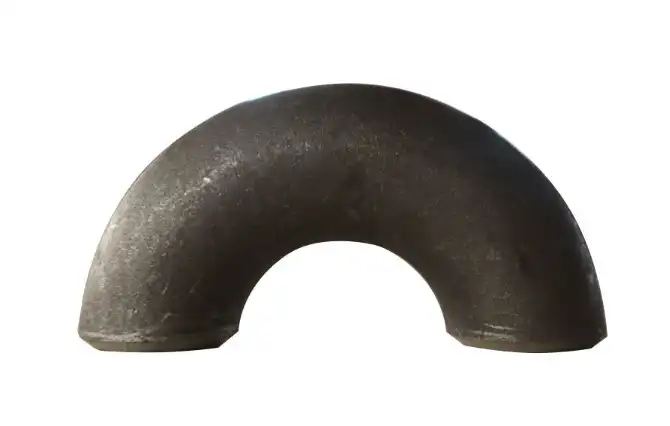
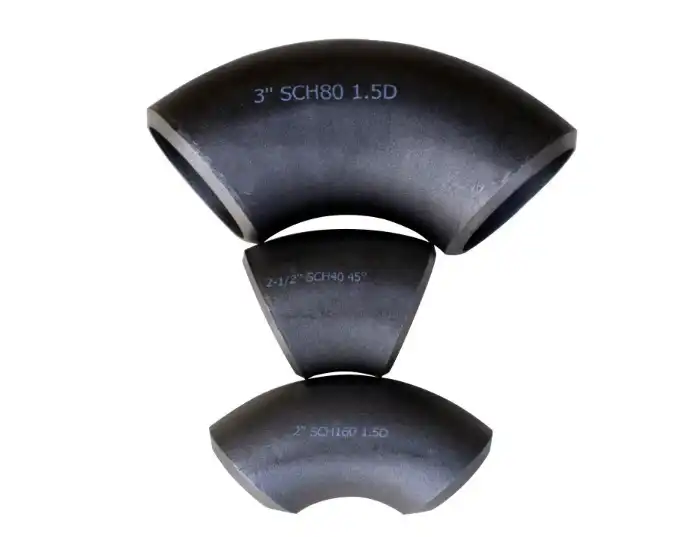
For oil and gas operations at sea, you need special pipe fittings that can handle harsh circumstances. Buttweld pipe valves are the most common choice for high-pressure situations. They are made to be welded on-site at the ends to connect pipes and make changes to the width or direction of flow. These connections are an important part of systems that move chemicals, oil, gas, and steam safely over short or long distances. Socket weld fittings are another reliable choice. Pipes fit into fittings' recesses, and fillet-type seal welds are used to join them. These pipe fittings that can be welded together have a strong structure and don't leak, so they can be used in smaller diameter applications abroad. Elbows change the direction of flow, tees connect branches, reducers change the width, flanges connect pipes with bolts, and couplings join straight pipes together. Each type has a special job to do in offshore pipe systems that are hard to work with because of limited space and harsh conditions.
Material Selection for Corrosion Resistance
The choice of offshore pipe fittings has a big effect on how well a fitting works in saltwater. Carbon steel, especially A234-WPB and A234-WPC types for common uses, is still very popular because it is cheap and easy to find. But types of stainless steel like 316L are better at resisting rust when exposed to salt water. For high-pressure uses, high-yield materials like A420-WPL6, Y-52, Y-60, Y-65, and Y-70 offer more power. After going through hardening processes, all WPL6 pipe fittings stay compatible with NACE MR0157 and NACE MR0103 for sour service conditions that are common in offshore drilling operations. Duplex and super duplex stainless steels are very strong and don't rust, so they can be used in the toughest situations. These high-tech alloys don't crack when exposed to chloride stress and keep their mechanical qualities at high temperatures. Their longer service life and lower upkeep needs make up for their higher prices.
Industry Standards and Certifications
For offshore uses, strict international standards must be followed. These include API 5L for line pipe, ASTM A234 for cast carbon steel fittings, and ISO 15156 for materials that will be used in hydrogen sulfide settings. These guidelines make sure that fittings meet certain basic requirements for their chemical makeup, mechanical properties, and testing methods. Quality management systems that are approved to ISO 9001 give you even more peace of mind that the manufacturing process will be consistent. Special equipment production licenses show that you follow the rules in your area, and API logo licenses show that you follow the rules set by the American Petroleum Institute. When providing fittings for projects that need recorded material tracking and quality assurance, these certifications become even more important.
Key Considerations When Choosing Offshore Pipe Fittings
Pressure Ratings and Performance Criteria
To keep remote activities safe, it is still important to understand pressure ratings. Fittings need to be able to handle working pressures while still leaving room for pressure spikes and heat expansion. The ASME B31.3 standard tells you how to design process pipes, and the ASME B31.4 and B31.8 standards tell you how to design transfer pipes for liquids and gases, respectively. Material choice and pressure values are affected by temperature. When temperatures rise, the amount of stress that can be applied decreases. This means that working conditions must be carefully compared to what the material can handle. Impact tests at low temperatures make sure that parts stay flexible in cold marine settings, where the temperature can change the qualities of materials in a big way. When figuring out the width of a wall, corrosion allowances that are specific to marine settings must be taken into account. Exposure to saltwater speeds up the rusting process, so more material needs to be added to keep the structure strong for as long as it's supposed to last. Correctly figuring out allowances keeps things from breaking down too soon and requiring expensive fixes in remote areas.
Installation and Maintenance Best Practices
In offshore uses, reliable joint integrity depends on following the right welding methods. Welders who are qualified and follow the right steps reduce the chance of mistakes that could damage the system. For high-strength materials, preheating is needed to keep them from cracking during welding, and heat treatment after the welding process reduces leftover stresses that could cause problems in service. Pay close attention to the installation force requirements for flanged joints to avoid leaks or gasket failure. When bolts are properly tightened, the load is spread out evenly, and there is no over-stressing, which could damage the sides of the flanges or make the closing surfaces less reliable. Writing down the steps for installing something helps with quality control and fixing problems. Regular inspections should be a part of maintenance plans, with a focus on places where rusting could happen and stress concentrations. Non-destructive testing methods, such as ultrasound thickness measurement, help keep an eye on the rate of rusting and guess how long something will last. Protective covering systems need to be renewed every so often to keep their rust protection working well.
Comparing Offshore vs. Onshore Pipe Fittings
Environmental Challenge Differences
In offshore locations, pipe fittings are put under stresses that aren't present in mainland settings. Exposure to saltwater causes aggressive corrosion conditions that need better material standards or protection measures. Wave action and platform movement add dynamic loading that can make systems fail from tiredness if they aren't built well. Onshore and offshore pipe fittings usually work in more controlled settings that are easier to get to for upkeep and inspection. Because there is less chloride contact, temperature changes may not be as big, and rust rates are usually lower. But based on where they are located, coastal uses may have to deal with different problems, such as soil corrosion, freeze-thaw cycles, or earthquakes. Offshore, where station capacity limits need to be carefully looked at, weight becomes a more important factor. Lighter materials, like aluminum alloys, may be worth the extra cost because they don't need as much support. Transportation methods to remote sites also favor lighter designs and take up less space.
Cost Implications and Supply Chain Factors
Material prices are usually higher for offshore jobs because of stricter requirements and certifications. Transportation to distant areas costs more, and bases don't have a lot of storage room, so deliveries have to be planned just in time. Due to the need for preparation and production downtime, emergency fixes cost a lot of money. Lead times for specialized ocean parts are often longer than for standard mainland options. Custom materials, stricter testing standards, and certification methods all add time to the production process. When buying from foreign providers, supply chain resilience is very important. This means that backup sources and inventory plans need to be looked at. Offshore, where inspections may be harder to get to, and failures can have very bad results, quality costs become more important. Usually, spending money on better materials and more thorough quality control systems is worth it when you compare the costs of failure and lost output time.
Supplier Selection: How to Identify Trusted Offshore Pipe Fittings Providers?
Certification and Quality Assurance Validation
Reliable providers keep their certifications up to date, which shows that they follow international standards. ISO 9001 quality management systems offer basic security, while industry-specific badges like API monogram programs prove expert know-how. Compliance with the Pressure Equipment Directive lets you sell your products in Europe while also showing that you follow strict safety rules. Material traceability paperwork makes sure that fittings meet the standards and lets you keep good records of upkeep. Material properties can be checked with heat numbers, mill test records, and chemical analysis results. Third-party testing by well-known labs gives suppliers' promises more weight and gives an unbiased check of the quality of the product. Professional sellers are different from commodity vendors because they offer warranties and expert help. Full guarantees show that you trust the quality of the product, and expert support can help you with questions about how to use it or problems with installation. Global service networks help international projects with local support, which speeds up reaction times and breaks down communication obstacles.
Manufacturing Capabilities and Service Offerings
Modern production tools allow for uniform quality and short wait times. Fittings that meet tight standards and surface finish requirements are made in modern facilities that forge, machine, and heat treat metal. Full inspection options, such as non-destructive testing, make sure that goods meet requirements before they are shipped. Custom offshore pipe fittings, you make things for unique uses that need non-standard sizes or materials. Value engineering services can cut costs without affecting performance, and engineering support can help you choose the best fittings for your unique working conditions. When working on complicated overseas jobs with special needs, these skills come in very handy.
Expertise in supply chain management guarantees on-time deliveries and fair prices. When you have good ties with material suppliers, you can get high-quality raw materials, and inventory management tools help you meet urgent needs quickly. For big jobs, being able to order in bulk can save you money, and flexible packaging makes shipping easier.
Cangzhou Oudi Pipe Manufacture Co., Ltd. is a good example of these qualities in a seller. They have been making pipes for over 25 years and can make 16,000 tons of them every year. Their ISO 9001 certification and license to make specialized tools show that they are committed to quality, and the fact that they have served over 300 customers in 40+ countries through exports shows that they can offer goods all over the world. One source offers full product lines in carbon steel, stainless steel, and metal materials to meet a wide range of application needs.
Conclusion
To successfully source offshore pipe fittings, you need to carefully look at the requirements for the materials, the climate, the supplier's skills, and the total cost of ownership. High-quality fittings that meet strict standards prevent expensive failures and production stops from happening, and dependable providers make sure that deliveries are always on time and that customers can get expert help. Choosing the right specs and suppliers will pay off in the long run by extending the life of your equipment and lowering the amount of upkeep that needs to be done in harsh offshore settings.
FAQ
What materials work best for seawater exposure?
316L stainless steel and duplex alloys are very good at resisting corrosion when they come into close contact with seawater. To keep carbon steel from rusting quickly, it needs protective coats or cathodic protection systems. When choosing a material, it's important to think about the salt levels, temperature, and oxygen levels in the area where it will be used.
How do I prevent leaks in offshore installations?
Most leakage problems can be avoided by following the right fitting steps, which include using the right torque values, choosing the right gaskets, and meeting the surface finish standards. Inspection and repair programs that are done on a regular basis find problems before they happen. When you buy quality fittings from approved sources, you lower the risk of manufacturing flaws that could lead to early failures.
What lead times should I expect for custom orders?
Standard overseas parts usually take 4 to 8 weeks, but this depends on how quickly the materials can be sourced and how they need to be tested. For getting materials and doing special tests, custom specs may make wait times 10 to 16 weeks longer. By planning your buying schedule around these dates, you can keep your project from being held up, even though rush orders cost a lot more.
How important is supplier location for offshore projects?
Transportation prices, wait times, and the ability to provide service support are all affected by where a supplier is located. But product quality and dependability often matter more than where the product is sold. International suppliers who have worked abroad before may be a better deal than local sellers who don't have the same level of experience. Communication skills and time zone alignment can affect how well a project is coordinated.
Partner with Oudi for Your Offshore Pipe Fitting Requirements
Oudi uses its many years of experience making things, along with strict quality control method,s to make offshore pipe fittings that are reliable and meet the strictest requirements. Our ISO 9001 certification and special equipment production license make sure that the quality is always the same, and our experience exporting to buyers in Europe, the Americas, Africa, and Asia shows that we can be trusted. As a single-source supplier, we make it easy for complicated projects to get everything they need in carbon steel, stainless steel, and metal materials. Email our team at oudi-04@oudiguandao.com to talk about your offshore pipe fittings needs and find out why top companies trust Oudi as their reliable offshore pipe fittings provider for important marine uses.
References
1. American Petroleum Institute. "API Specification 5L: Specification for Line Pipe." 45th Edition, 2012.
2. ASME International. "ASME B31.3: Process Piping Code." American Society of Mechanical Engineers, 2020.
3. DNV GL. "Offshore Standards for Pipeline Systems." Det Norske Veritas Group, 2019.
4. NACE International. "MR0175/ISO 15156: Materials for Use in H2S-Containing Environments in Oil and Gas Production." 2015.
5. Totten, George E. "Steel Heat Treatment: Equipment and Process Design." 2nd Edition, CRC Press, 2007.
6. Winkel, Bruce. "Piping Engineering and Pipeline Assessment Guide." Gulf Professional Publishing, 2017.

Need help finding the right solution with our experts. Please contact us.

SINCE 1998 Your Reliable Pipeline Manufacturer



