How to Select the Right Pipe Reducer?

CARBON STEEL PIPE FITTINGS
May 26, 2026
|
0

To choose the right pipe reducer, you need to know how your system works, such as the flow direction, the pressure levels, and whether you require concentric or eccentric configurations. Concentric reducer carbon steel parts work best for vertical pipe uses where keeping the axis straight is very important. These fittings meet standards like ASME B16.9 and ASTM A234 WPB, making them effective in systems that handle oil, chemicals, power, and water treatment, where sturdiness and precise flow control are most important.

改为英文关键词

Understanding Concentric Reducer Carbon Steel: Definitions and Specifications

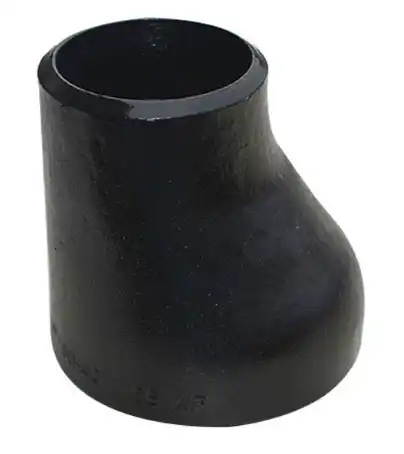
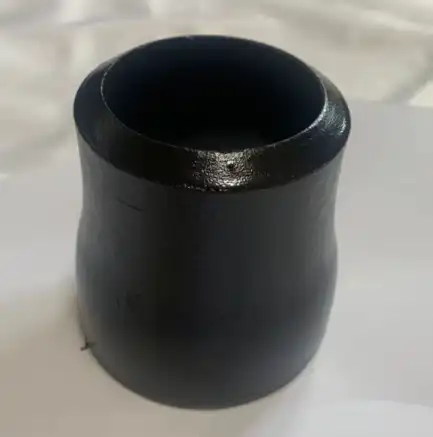
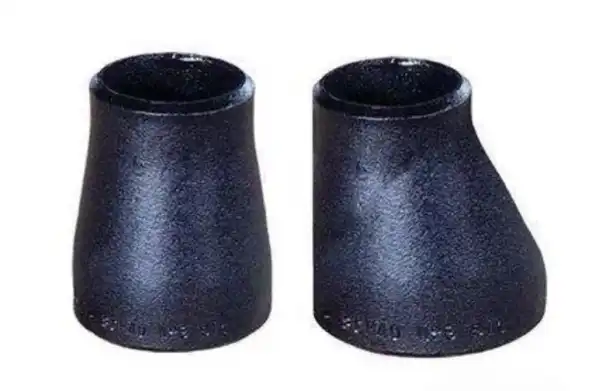
A concentric reducer joins two pipes with different sizes while keeping their centerlines the same. This makes a cone shape that is symmetrical. Eccentric reducers have one edge shifted to stay flat on either the top or bottom. Because of how they are shaped, concentric reducers are very useful in some industrial settings.

Primary Carbon Steel Grades and Material Standards

ASTM A234 WPB is the most common type of carbon steel used for pipe reducers because it is easy to weld and has good mechanical properties for moderate-temperature work. If you'd rather have a smooth build, you can use A106 Grade B material instead. Depending on the wall thickness and pipe plan, these materials can usually handle temperatures from -29°C to 400°C and pressures of more than 1500 PSI. WPB grade has controlled amounts of carbon, manganese, phosphorus, and sulfur in its chemical makeup. This makes sure that it performs the same way in all kinds of working situations.

改为英文关键词

Dimensional Standards and Size Selection

Face-to-face measurements are based on ASME B16.9 standards, which set lengths based on the bigger pipe diameter. Matching the right schedule grade between the reducer and the pipes next to it makes sure that the wall thickness is aligned correctly and that the weld joint stays strong. When engineers define these fittings, they need to verify both the nominal pipe size (NPS) and the schedule number. Standard sharpened ends usually have an angle of 37.5° ± 2.5° for walls thinner than 22 mm, which makes field welding easier. To allow joining processes to go all the way through thicker walls, you may need complex bevels.

Industrial Application Contexts

When keeping the structure balanced is important, such as in oil facilities where vertical pump discharge lines are widespread, concentrators work best because they reduce stress concentrations. These fittings are used in steam systems for power plants between the steps of the superheater. They keep the pipe's centerline alignment while allowing for thermal expansion and support hanger placement. In wastewater treatment plants, they are used in vertical sludge transport lines. The symmetrical cylindrical interior keeps solids from building up, which could happen with eccentric designs that aren't directed correctly. Chemical processing plants also use these fittings to keep the flow steady as they switch between pieces of equipment with different connection sizes.

Comparing Concentric Reducer Carbon Steel with Other Materials and Types

Knowing the differences between the various types of reducer materials and designs helps procurement teams make choices that are both cost-effective and meet the needs of the project.

Carbon Steel Versus Stainless Steel Performance

Carbon steel reducers are much cheaper than stainless steel options, and they are also resistant to corrosion well enough for many industry settings. Stainless steel is needed for food-grade or chemical handling that is very acidic, and the higher cost of the material is justified by the need to avoid contamination. Austenitic stainless grades lose their mechanical strength at high temperatures, but concentric reducer carbon steel keeps its strength better, which improves it for high-pressure steam service. The difference in material costs is usually between 3:1 and 5:1, which has a big effect on project budgets for big installs.

改为英文关键词

Concentric Versus Eccentric Configuration Selection

Which reducer to use depends on the installation setup and process goals. For horizontal pump pressure lines, you need eccentric reducers with a flat top so that air pockets don't form, which can damage the pump and cause cavitation. On the other hand, concentric shapes that keep regular flow patterns and structural balance are beneficial for vertical lines. One of the most common and expensive mistakes in pipe design is using the wrong kind of concentric reducers for horizontal suction uses. Knowing this difference in function keeps you from having to make expensive changes in the field or having tools break down.

Seamless Versus Welded Manufacturing Methods

Seamless reducers are a little more reliable for ultra-high-pressure uses because they lack a longitudinal weld seam, which is present in manufactured parts. Welded reducers, which are made from rolled plate or shaped pipe pieces, are a cost-effective way to meet standard pressure requirements while still meeting all ASME standards. In normal industry uses ranked below Class 900, the manufacturing method doesn't have a big effect on performance. When comparing prices, seamless construction usually costs 15–25% more than welded construction. This extra cost is only necessary in critical high-pressure or severe cycle service circumstances.

How to Select the Right Concentric Reducer Carbon Steel for Your Project?

Systematic review of technical requirements makes sure that the best reducer is chosen, one that meets both performance needs and price limits.

Defining Core Project Requirements

Start by writing down the pipe size changes that you need to make in your system. Make sure to include the nominal diameters of the entry and exit pipes as well as the schedule names. Figure out the real flow rates and speeds to make sure that changes in size don't cause too much turbulence or pressure drops. The temperature of the fluid, the acidic potential, and the atmospheric temperature all have a direct effect on the choice of material grade. Even though carbon steel is naturally strong, projects that people will use in coastal or wet areas may need extra protective coats.

Pressure and Temperature Compatibility Assessment

Check the reducer's pressure number, which changes based on wall thickness and temperature, against the highest pressure that your system can handle. Standard Class 150 fittings can handle up to 285 PSI at 38°C, and Class 300 fittings can handle up to 740 PSI at the same temperature. It is important to carefully look at pressure-temperature charts because temperature numbers go down as working temperatures go up. For critical uses, it's best to choose fittings that are rated at least 20% higher than the highest working conditions that are expected. This provides you an operational margin.

ASME and ANSI Compliance Verification

For measurements and tolerances, procurement requirements should clearly link to ASME B16.9. This will ensure that parts from different manufacturers can work together. Make sure that providers give you material test reports (MTRs) that show the chemical make-up and mechanical properties that meet the ASTM A234 standards. Field fit-up problems can be avoided by using inspection records that prove the thickness of the walls, the angles of the bevels, and the lengths of the faces that meet. Manufacturers with a good reputation keep their ISO 9001 certification and licenses to make special tools, which shows that they consistently manage their quality systems.

Lifecycle Cost Considerations

The initial buying price is only one part of the total costs of owning. When compared to lower-grade materials that break quickly, carbon steel buildings last longer and require less repair. Choosing the right materials can help cut down on repair shutdowns and the lost output that comes with them. Long-term project success depends a lot on how reliable the supplier is, how consistent the wait times are, and how easy it is to get expert help. Established makers with decades of experience exporting usually offer more consistent products and faster customer service, which is why they charge a little more than unknown providers.

Procurement Strategies for Concentric Reducer Carbon Steel

Strategic shopping methods improve both the standard of the goods and the total cost of buying them across global supply lines.

Identifying Reliable Global Suppliers

Priority should be given to producers whose production capacity can be checked and is higher than 10,000 tons per year. This means the business has been around for a while and has stable quality systems. Certifications, such as ISO 9001 and licenses to make special tools, show that you can follow the rules and monitor the process. More application knowledge is gained from suppliers who work with a wide range of businesses, such as the oil and gas, chemical, power generation, and water treatment sectors. Companies that sell their goods in more than 40 countries and have more than 300 customers usually keep quality standards that meet a wide range of foreign standards. Being close to important ports makes shipping easier and cuts down on travel time for projects that need to be done quickly.

Understanding Pricing Dynamics

The prices of raw materials for concentric reducer carbon steel plates and pipes change with the global steel market. This causes prices to be unstable and affects quotes. Because seamless making requires special tools and methods, it costs more than other types. Unit prices are often based on minimum order amounts. When you buy in bulk, compared to small-lot sales, you can save 10–20% on costs. Engineering and setup costs go up when custom specs call for non-standard sizes or special tests. It is easier to compare prices between providers when you ask for specific quotes that break down the costs of materials, assembly, testing, and shipping.

Lead Time and Logistics Planning

Standard catalog items from stock usually ship within one to two weeks, which is ideal for jobs that need to be done quickly or for maintenance needs. Depending on how complicated they are and how busy the maker is, custom fabrications take 4 to 8 weeks. International shipping adds 2–6 weeks of transit time, depending on the origin and destination ports. When making project schedules, procurement teams should include time for clearing customs, transporting goods within the country, and getting reviews. Export transportation and freight handling relationships between suppliers help keep shipping and paperwork from taking too long.

Custom and OEM Ordering Benefits

Large projects that need specific sizes or types of materials benefit a lot from being able to do custom manufacturing. OEM partnerships let you specify unique measurements that improve system performance or make it easier to integrate equipment. Custom orders may include special tests, such as positive material identification, x-rays, or hydraulic tests, that exceed legal requirements. These customized methods make sure that parts exactly fit the needs of the application. This could cut down on the work needed to make changes in the field and make the whole system more reliable.

Case Studies and Best Practices in Selecting and Using Concentric Reducers

Real-life examples show how choosing the right reducer can help operations run smoothly in a variety of industries.

Petrochemical Processing Application

A plant in the Middle East chose ASTM A234 WPB concentric reducers for the vertical pump discharge lines that handle high-temperature hydrocarbon streams when they were updating the pipes in the distillation column. The symmetrical design kept the axis straight through changes from 8 inches to 6 inches, which got rid of stress clusters that used to cause fittings to fail too soon. Choosing Class 300 pressure values and Schedule 80 wall thickness gave enough safety reserves for 950 PSI working conditions at 370°C. The installation has been up and running for five years without any problems, demonstrating the importance of matching reducer specs to real service conditions instead of under-specifying to save money initially.

Water Treatment Facility Implementation

A North American city's water treatment plant had ongoing issues with sludge transport lines that had eccentric reducers that were not positioned correctly in vertical parts. Changing these to concentric reducers got rid of the dead zones where solids gathered, which made the flow more consistent and cut down on the number of times they needed to be serviced. The symmetrical cone form encouraged self-cleaning flow dynamics, which stopped clogs that the old setup needed to clear every week. This example shows how knowing the differences in how different types of reducers work can help prevent practical issues that slow down the system from happening.

Common Installation Pitfalls to Avoid

When reducer plan rates don't match up with nearby pipes, weak weld joints form that break when pressure changes. When you put concentric reducers in horizontal pump suction lines, they create air traps that damage expensive pump impellers through cavitation. If you do not check that the edge is properly prepared, the weld may not go all the way through and may create leak paths. Failing to mention the necessary certificates and material test results allows low-quality materials to be used in important situations. These mistakes that could have been avoided show how important it is to create clear specifications and check the credentials of suppliers before buying something.

Procurement Decision Checklist

To successfully source reducers, you need to check several important things in a planned way. Make sure that the types of materials and the pressure levels meet or exceed the planned specifications. Make sure that the measurement standards match the requirements of your plumbing system. Check the certifications, output capability, and name of the supplier. Ask for full information on the material tests and the measurements that were taken. Instead of just looking at unit prices, compare the total supplied costs that include shipping, taxes, and payment terms. Set up clear supply schedules and impose penalties for jobs that need to be finished on time. These structured evaluation criteria lower the risks of buying and ensure that parts arrive on time and meet quality standards.

Conclusion

To choose the right pipe reducer, you need to carefully look at the practical needs, the properties of the material, and the supplier's skills. Concentric Reducer Carbon Steel fittings are a reliable and affordable way to connect vertical pipes in the oil, chemical, power, and water treatment industries. To choose the right components, you need to know the difference between concentric and eccentric shapes, check the pressure and temperature values, and make sure they meet ASME standards. Partnering with well-known makers who have all the necessary licenses, a track record of producing high-quality goods, and experience exporting to other countries lowers the risks of buying things and raises the overall costs of the project. The methodical approach described here gives engineers and procurement workers the power to make smart choices that improve the long-term operating performance and stability of the system.

FAQ

What distinguishes concentric reducers from eccentric reducers in piping systems?

Concentric reducers keep the centerline of the inlet and exit the same, making a cone form that is symmetrical and perfect for vertical setups. Eccentric reducers move the centerlines away from each other, leaving one edge flat (at the top or bottom). This keeps air from building up in the horizontal pump pressure lines. The difference in function affects exactly where each type should be used to keep problems like turbulence and flow disturbances from happening.

How do I properly size a concentric reducer for my pipeline?

Make sure that the nominal pipe sizes of the reducer match the diameters of your inlet and exit pipes. Also, ensure that the schedule grades match the needs for wall thickness. To check face-to-face lengths, use the ASME B16.9 measurement tables. Figure out the flow speeds to make sure that changes in size don't cause too many pressure drops. Always ensure that the pressure and temperature numbers meet or go beyond the highest conditions that your system can handle, leaving enough room for error.

What certifications should I require when purchasing carbon steel reducers?

Need ISO 9001 quality management approval to show that the production methods are consistent. Ask for test results on the material that show it meets the requirements set by ASTM A234 for its chemical makeup and mechanical features. Check the dimensional test records that say the product meets ASME B16.9 standards. Special equipment manufacturing licenses show that the government has given the go-ahead for the production of pressure-retaining parts. This is especially important for sites that have to go through checks by the government.

Partner with Oudi for Your Concentric Reducer Carbon Steel Requirements

Oudi has been making high-quality concentric reducer carbon steel parts that meet the strictest international standards for more than 25 years. They can help you with your industrial pipe projects. Our ISO 9001-certified factory can produce up to 16,000 tons of goods each year, and we use high-tech testing tools to make sure that every fitting meets the requirements of ASME B16.9 and ASTM A234. We know how important it is for your business to have reliable shipping schedules and regular product quality because we have more than 300 customers in 40 countries. If you need help choosing the best options for your needs, whether they are in power generation, chemical processing, or oil refining, our engineering team is here to help. Get in touch with our experts at oudi-04@oudiguandao.com to talk about your project needs and get specific quotes from a reliable maker of carbon steel concentric reducers that wants you to succeed.

References

1. American Society of Mechanical Engineers. (2018). ASME B16.9: Factory-Made Wrought Buttwelding Fittings. New York: ASME Press.

2. ASTM International. (2020). ASTM A234/A234M: Standard Specification for Piping Fittings of Wrought Carbon Steel and Alloy Steel for Moderate and High Temperature Service. West Conshohocken: ASTM International.

3. Nayyar, M.L. (2019). Piping Handbook, Eighth Edition. New York: McGraw-Hill Education.

4. Singh, R. (2017). Applied Welding Engineering: Processes, Codes, and Standards, Second Edition. Oxford: Butterworth-Heinemann.

5. Ellenberger, J.P. (2016). Piping and Pipeline Calculations Manual: Construction, Design, Fabrication, and Examination, Second Edition. Oxford: Butterworth-Heinemann.

6. American Petroleum Institute. (2015). API Standard 570: Piping Inspection Code: In-Service Inspection, Rating, Repair, and Alteration of Piping Systems, Fourth Edition. Washington: API Publishing Services.


Lisa Sun
SINCE 1998 Your Reliable Pipeline Manufacturer

SINCE 1998 Your Reliable Pipeline Manufacturer