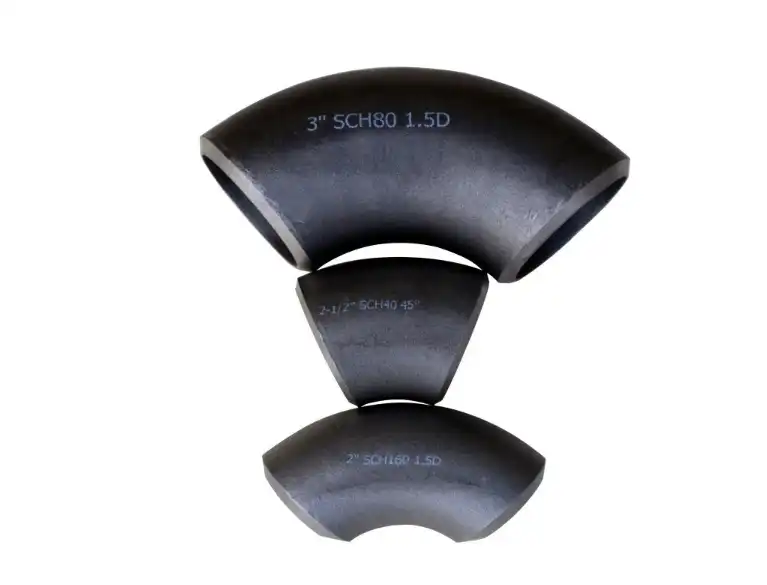
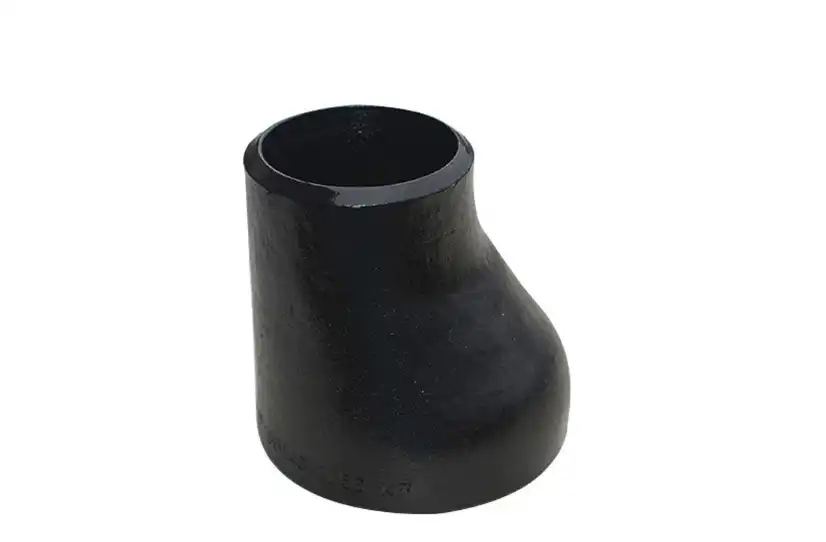
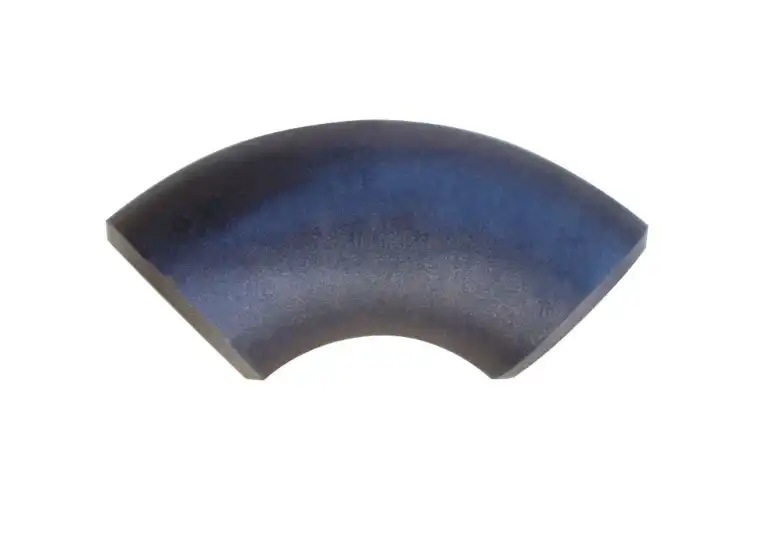
How to Verify ASME B16.9 Pipe Cap Certifications?
To make sure that ASME B16.9 Pipe Cap certifications are correct, you need to follow a structured process that protects your purchasing investment. To begin, ask for Material Test Reports (MTRs) that show the chemical makeup and mechanical properties meet ASME standards. Check the manufacturer's ISO 9001 certification and licenses to make special tools with the groups that gave them out. Check the third-party inspection papers to see if the measurements are correct and the results of any nondestructive tests. Check the heat numbers to see if the materials can be tracked, and make sure that each batch of pipe caps keeps good records. This checking process keeps your project safe from parts that aren't up to par, lowers operating risks, and makes sure that all the rules are followed in oil, chemical, and power generation applications.
Understanding ASME B16.9 Pipe Cap Certifications
What Defines an ASME B16.9 Pipe Cap
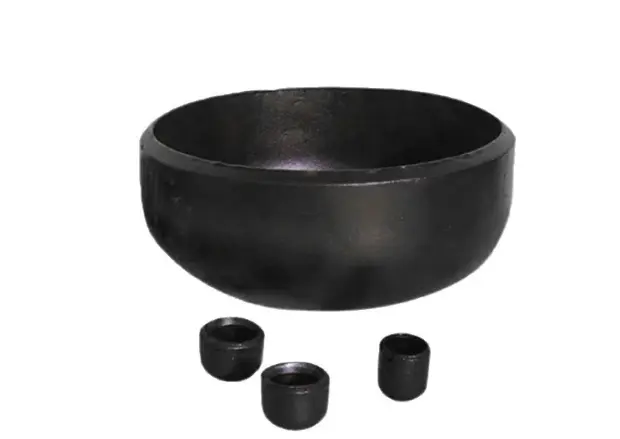
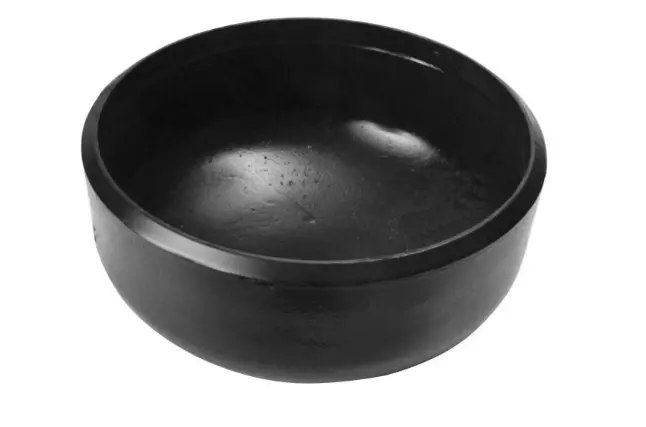
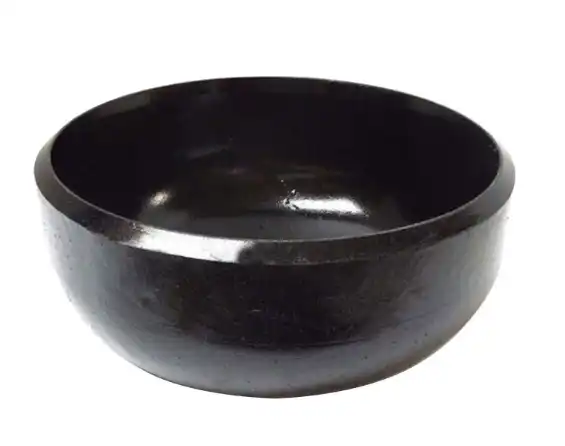
ASME B16.9 sets the size and limits for wrought butt-welding fittings that are made in a plant. This includes ASME B16.9 Pipe Caps that seal the ends of pipes in pressure systems. In oil factories, chemical processing plants, power plants, and water treatment facilities, these parts can be found. Butt-weld pipe caps are stronger than threaded or socket-weld caps and can be used in high-pressure and high-temperature situations. The standard includes estimates for wall thickness, outside width, and manufacturing tolerances that make sure products from different makers can work together. Pipe ends that meet the standards of ASME B16.9 can be made of carbon steel, stainless steel, and different types of alloy steel. Choosing the right material depends on how it will be used. For example, carbon steel is good for general commercial uses, while types of stainless steel like 304L and 316L can handle harsh environments in chemical processing.
Why Certification Matters in Industrial Procurement
Certified pipe caps have written proof that they meet certain requirements for their mechanical qualities, chemical makeup, and accuracy in measurements. This paperwork makes everyone in the supply chain responsible and protects you legally if a part doesn't work as planned. Verification of certification is especially important when parts are used in vital services, and failure could cause damage to the environment, lost production, or harm to people. Getting quality certifications shows that a company uses uniform testing and output methods. Systematic quality management is shown by ISO 9001 certification, and regulatory compliance is shown by specialized factory licenses in places where government control is needed. Industry studies show that certified parts fail much less often than non-certified ones. This has a direct effect on the total cost of ownership because it lowers the costs of repairs and replacements.
Material Standards and Technical Specifications
When it comes to materials, ASME B16.9 pipe caps must match ASTM A234 for cast fittings made of carbon and alloy steel or ASTM A403 for models made of stainless steel. These rules for materials say what kinds of chemicals can be used, what their necessary mechanical properties should be, and how they must be heated. Procurement teams should check that the certifications for materials list specific ASTM grades that meet the needs of the project. Technical specs include more than just the science of the material. They also include standards for surface finish, testing requirements, and how the material should be made. When pressure is very important, seamless pipe caps are the best choice. For lower-pressure services, made and welded choices are cheaper. Knowing these technical differences helps people who buy things decide if the certification paperwork fits the needs of the application and if suppliers really make goods that meet the claims of specifications.
Step-by-Step Process to Verify ASME B16.9 Pipe Cap Certifications
Identify Essential Certification Documents
To do effective proof, you must first know which papers prove compliance. Material Test Reports (MTRs) are the building blocks. They give approved results for chemical composition analysis and mechanical test results for specific production runs. Each MTR should show heat numbers that can be tracked back to source documents from the steel mill. Third-party inspection papers from companies like Bureau Veritas or SGS provide extra proof of the quality and accuracy of the measurements. Quality attestations from manufacturers show that production followed the right steps and final goods passed internal inspection checks. Check for certificates that have official company marks, signed by authorized people, and that list specific purchase order numbers. Complete paperwork packages also come with records of the production process, which show the temperatures and parameters for heat treatment, as well as any extra steps that need to be taken to meet the standards of the material grade.
Cross-Verify Materials and Dimensions
The first step in verifying the material is to compare the MTR chemical makeup data to the ASTM standard limits for the grade that was ordered. Watch out for parts that can change how resistant something is to rust, how strong it is, or how easy it is to weld. The tensile strength, yield strength, and stretch values of the material should meet or be higher than the minimum requirements set by the standard.
For dimensional verification, you need to either measure important parameters or look over inspection records from a third party that confirms the readings. Compare the outside diameter, wall thickness at several places, and total length to the tolerance tables in ASME B16.9. When thickness changes go beyond normal limits, it could mean there were problems during production or that the wrong material was used on purpose. Suppliers you can trust give you full dimensional inspection records that include measurement data for samples that are representative of the whole production lot.
Validate Manufacturer Accreditations
The credibility of the manufacturer has a direct effect on the reliability of approval. Check the state of your ISO 9001 certification by looking it up in register databases. Make sure that the scope of your certification covers the production of pipe fittings and that your certificates are still valid and have never been suspended. Manufacturing licenses from national officials show that you follow the rules. These are especially important when providing projects in areas that need specific government approvals.
More proof of trustworthiness comes from certifications that are specific to the industry, like API Q1 for oil and gas uses or ASME Code authorization for pressure tanks. If you think that some of your paperwork might not be genuine, you should contact the certifying body directly. Fake certificates do get around on the global market from time to time. Established makers are happy to give verification contacts and keep their quality management systems open and easy to access during source checks.
Review Testing Reports and Traceability
Documentation from nondestructive testing (NDT) shows the quality of inside goods without damaging them. For important business uses, look over radiographic or ultrasound test results that show there are no internal flaws. Pressure stability can be shown by hydrostatic test papers. This is especially important when buying caps for high-pressure systems. There should be unique batch numbers in each testing report that connect to MTRs and buy orders.
Material tracking goes from buying the raw steel to shipping the finished ASME B16.9 Pipe Caps. The heat numbers that are stamped on finished pipe caps should match the MTR paperwork and make it possible to find the original steel mill certificates. This unbroken chain of custody shows validity and lets problems with quality be quickly found and fixed. When asked about quality, suppliers with strong tracking systems answer quickly and show that they are confident in the way they make things.
Common Challenges and How to Avoid Certification Verification Pitfalls
Frequent Buyer Misconceptions
A lot of people who work in buying think wrongly that all pipe caps marked "ASME B16.9" immediately meet standard requirements. ASME B16.9 sets guidelines for dimensions but doesn't certify individual goods. Manufacturers say their products are compliant, but quality varies a lot. Another common misunderstanding is that all certifications are the same, not recognizing the differences between self-certification by the maker and proof by a third party. Self-issued certificates don't have any outside control and don't protect you much from goods that aren't up to par.
Confusion between similar standards creates additional risks. Butt-welding fittings are governed by ASME B16.9, while short radius elbows and returns are governed by B16.28, which has different size requirements. When you order based on the wrong standard, you get parts that don't fit right or don't work right. It's also hard to tell the difference between different types of materials, like 316L versus 304, when you just say "stainless steel" and not go into specifics. This can lead to rust resistance issues.
Risks of Inadequate Verification
Skipping thorough certification checks leaves projects open to a number of ways they could fail. If the chemistry of a material isn't up to par, it can rust early, crack when temperatures change, or not have enough strength reserves for pressure control. Dimensional differences lead to fit-up issues during installation, which raises the cost of welding and could create stress clusters that cause ASME B16.9 Pipe Caps to break.
When non-compliant parts get into vital services, the legal and governmental effects get worse. Insurance claims could be turned down if reviews show that mistakes were caused by materials that weren't certified. When audits find holes in paperwork, regulatory agencies fine businesses and limit their operations. Damage to your reputation has effects that go beyond the instant loss of money. It also affects future bid chances and customer relationships that have been built over years of reliable performance.
Best Practices for Maintaining Verification Standards
By using organized models for evaluating suppliers, verification gaps can be avoided. Make lists of the paperwork that you need, the right way to test things, and the standards for approval that apply to your business. Make sellers send full certification packages before they can be authorized to ship, and don't accept incomplete paperwork that slows down proof.
Keep all of your certifications, letters, and quality records organized by project and provider in a central documentation system. Digital systems with searchable files make it easy to get information quickly during exams or when looking into quality issues. Set clear criteria for rejection and always follow them. Accepting poor documentation from one seller hurts standards and sets a bad example that makes it harder to police in the future. Regular supplier checks by qualified staff make sure that certification claims match up with real quality management and manufacturing practices.
Comparing ASME B16.9 Pipe Cap Suppliers and Certifications
Evaluating Certification Authenticity Across Suppliers
Certification authenticity changes a lot between sellers around the world. Established companies that have been exporting for decades keep their licensing processes open and welcome questions about proof. They put you in touch with certifying groups directly and give you tours of their facilities to show how they make things. Suppliers who are new to the market or haven't done business internationally before may have trouble with the right paperwork or send in papers that can't stand up to scrutiny.
Geographical factors affect how reliable a license is. Suppliers that work with highly controlled markets like North America and Europe usually have strict quality systems in place because that's what customers expect and what the law requires. Production capacity and certification level are also related. For example, facilities that make 16,000 tons of goods a year build structured processes that smaller businesses don't have. Keep an eye out for suppliers whose prices seem too good to be true. In order to cut costs so drastically, quality often has to suffer, which makes approval less valid.
Technical Distinctions in Manufacturing Methods
The way a product is made has a big effect on both its function and its certification standards. When you make seamless ASME B16.9 Pipe Caps from solid bar stock, you get rid of the weld seams that could be weak spots in pressure control. This method works well for important tasks in oil and gas processing, where failure would have bad results. The paperwork for certifying seamless caps stresses how regular the material is and how accurate the measurements are.
When used for normal tasks, formed and welded pipe caps are cheaper. The forming process takes flat material and forms it into the shape of a cap. The seam is then welded, and the final product is machined. For welded caps, quality standards must include a radiographic or ultrasound test that shows the weld is fully penetrated and free of flaws. Knowing these differences in manufacturing helps you figure out if the supplier's skills match the needs of the application and if the price matches the real production methods.
Supplier Reliability and Compliance Track Records
Track record analysis shows trends that can be used to guess how someone will do in the future. Ask for customer examples from similar applications and get in touch with them to find out about the quality of the paperwork, the reliability of the delivery, and how well they deal with quality concerns. Long-term providers to large corporate users show that they are stable and will keep up with certification standards.
If you've exported to regulated markets before, you know how strict the paperwork standards are. Suppliers who work with customers in more than 40 countries and regions learn how to meet a wide range of standards and approval systems. They know that the paperwork standards for American projects are different from those in the Middle East and adjust their work accordingly. Manufacturing licenses from national authorities plus ISO 9001 certification maintained since company's founding signal institutional commitment to quality management extending beyond individual transactions.
Leveraging Certification Verification to Optimize Procurement Decisions
Align Certifications with Project Requirements
Good procurement fits the level of difficulty of licensing to the importance of the application. For projects that use dangerous materials, high pressures, or very high or low temperatures, you need the strictest checks, such as third-party inspections and full material tracking. Manufacturer certifications can be used in standard business uses with spot checks. This risk-based method puts resources for proof where they will do the most good.
In buy orders and requests for quotes, make sure that the certification standards are clear. Describe the types of ASME B16.9 Pipe Caps that are needed by citing particular ASTM standards, the allowed tolerances for dimensions based on ASME B16.9 tables, and what is expected in the testing paperwork. Specifications that are clear help sellers give accurate quotes and get rid of any confusion that could lead to disagreements when the goods arrive. For projects that need special approvals, like NACE compliance for sour service or low-temperature impact tests for cryogenic uses, the requirements must be very specific.
Enhance Negotiation Leverage Through Verification
Verification of a documented certificate can help with negotiations. When suppliers know that buyers do thorough checks, they know they can't cut corners on quality without getting caught. Knowing this makes prices more competitive, based on real production efficiency instead of secret quality drops. When negotiating a price, make sure to include licensing standards as things that can't be changed. At the same time, look for ways to be flexible with delivery times or payment terms.
Value engineering talks are also helped by checking certifications. When sellers suggest different materials or ways of making things, evaluation models created by understanding certification allow for fair evaluation. You can safely accept alternatives that offer the same level of performance at a lower cost, but you should turn down bids that change important characteristics. This critical approach earns the respect of suppliers and often leads to working together to solve problems that are good for everyone.
Integrate Verification into Supplier Management Systems
Mature buying organizations include checking certifications as part of their overall source management systems. Along with standard measures like on-time delivery and competitive price, supplier scorecards keep track of things like the quality of the paperwork, the validity of the certifications, and the results of audits. Every three months, the business reviews talk about how well the certifications are working, look for ways to make things better, and praise sellers who are meeting high standards.
Preferred supplier programs give producers more business and longer-term agreements when they consistently meet approval standards. This way of building relationships with suppliers makes them more likely to spend in good technology, get more certifications, and keep strict internal standards. As a result, relationships provide consistent quality, speed up the proof process, and strengthen the supply chain, all of which are necessary to meet tight project deadlines.
Conclusion
Checking ASME B16.9 Pipe Cap certifications saves procurement investments and makes sure that projects in the oil, chemical, power, and building sectors are safe to run. The step-by-step plan laid out here, from learning the basics of certification to putting in place supplier management systems, gives procurement workers useful tools for managing global supply chains. Quality assurance methods that can be defended include asking for full documentation, checking that manufacturers are accredited, looking over testing records, and keeping track of where products come from.
Verification of certification goes beyond simple compliance checks. It turns into strategic information that helps choose suppliers, gives you power in negotiations, and helps you build long-term relationships with dependable makers. When parts come with real certifications showing they meet the requirements, projects are successful because they avoid installation delays, operational failures, and regulatory issues that hurt profits and image.
FAQ
1. What essential documents should I request when procuring pipe caps?
Ask for Material Test Reports that show the chemistry make-up, mechanical qualities, and heat number tracking. Get documents of compliance from the maker that say the goods meet the dimensional standards of ASME B16.9. For important uses, you should get third-party inspection certificates from reputable organizations that confirm the sizes and test results. Include copies of the manufacturer's ISO 9001 certification and any licensing they need to make the product. In addition to hydraulic test reports and nondestructive examination results, full packages also include any special testing paperwork, such as impact test records for low-temperature service.
2. How do ASME B16.9 and B16.28 pipe caps differ?
ASME B16.9 covers wrought butt-welding parts that are made in a workshop. This includes standard radius elbows and pipe caps. B16.28 talks about elbows and returns with short radius bend radii that are good for tight areas. The standards include different lists of dimensions, rules for production, and instructions for use. When you buy under the wrong standard, you get parts that don't work with the way the system is designed. Before sending out buy orders, you should always check that the project specs match the right standard.
3. Are third-party inspections necessary for all purchases?
The need for a third-party review depends on how important the application is and what the supplier's history is like. Independent proof is needed for projects that use dangerous materials, have a high risk of failing, or are buying something for the first time from a new source. Suppliers that have been around for a while and have a history of good quality may only need to be inspected on a regular basis. A lot of procurement teams use risk-based methods, which means that important parts are always inspected by a third party, while normal commercial items depend on seller certifications and sample proof.
Partner with Oudi for Certified ASME B16.9 Pipe Caps
To be successful in procurement, sellers need to know that certifications are more than just pieces of paper—they show that a company is committed to quality and making excellent products. Since our company was founded in 1998, Cangzhou Oudi Pipe Manufacture Co., Ltd. has kept its ISO 9001 certification and People's Republic of China Special Equipment Manufacturing License. This has helped us build a name as a reliable ASME B16.9 Pipe Cap maker that serves more than 300 customers in 40 countries.
Our 66,600-square-meter factory near Tianjin makes 16,000 tons of carbon steel, stainless steel, and alloy steel pipe parts every year, and all of the paperwork can be tracked back to the factory. Meeting ASME, ANSI, JIS, DIN, and BS norms, advanced inspection equipment lets full testing happen from receiving raw materials to shipping finished goods. We use organized quality control to make sure that every pipe cap we ship comes with the real MTRs, measurement records, and certification paperwork that your projects need. Email our team at oudi-04@oudiguandao.com to talk about your needs and get thorough quotes based on our nearly 30 years of experience making things. We promise to give you certified solutions that keep your project deadlines and operating standards safe.
References
1. American Society of Mechanical Engineers. (2018). ASME B16.9-2018: Factory-Made Wrought Buttwelding Fittings. New York: ASME Press.
2. ASTM International. (2020). ASTM A234/A234M-20: Standard Specification for Piping Fittings of Wrought Carbon Steel and Alloy Steel for Moderate and High Temperature Service. West Conshohocken: ASTM International.
3. American Petroleum Institute. (2019). API Specification Q1: Specification for Quality Management System Requirements for Manufacturing Organizations for the Petroleum and Natural Gas Industry. Washington: API Publishing Services.
4. International Organization for Standardization. (2015). ISO 9001:2015: Quality Management Systems – Requirements. Geneva: ISO Central Secretariat.
5. Smith, J.R., & Patterson, M.L. (2021). Material Verification and Traceability in Industrial Piping Systems. Journal of Pressure Vessel Technology, 143(4), 041502.
6. National Board of Boiler and Pressure Vessel Inspectors. (2022). Certification and Compliance in Pressure Piping Components: Best Practices for Procurement Professionals. Columbus: National Board.

Need help finding the right solution with our experts. Please contact us.

SINCE 1998 Your Reliable Pipeline Manufacturer