Top Carbon Steel Elbow Suppliers for Industrial Procurement
When procurement professionals are looking for a trusted carbon steel elbow supplier, they have to make important choices that have a direct effect on project timelines, budgets, and worker safety. Finding sources with a wide range of products and quality certifications that have been proven is what separates great industrial projects from mistakes that cost a lot of money. Working with industrial piping systems for a long time, I've seen that a good relationship with a supplier cuts down on downtime, makes sure that foreign standards are met, and makes sure that the quality of materials is the same for big orders. This guide tells you how to find global sources, learn about how things are made, and use buying strategies that will protect your investment and meet the strict requirements of your project.
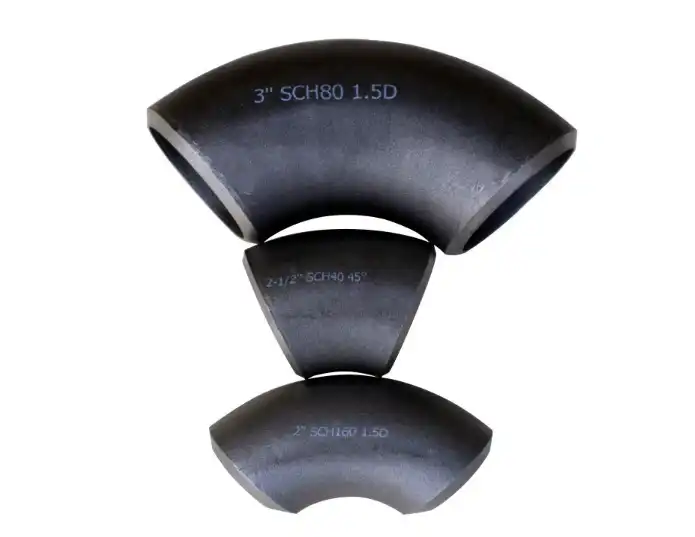
Understanding Carbon Steel Elbows and Their Industrial Significance
Elbows made of carbon steel are used to change the direction of fluid flow in pipe systems. They keep the system's structure when pressure and temperature change. There are different versions of these fittings that meet the unique operational needs of a wide range of industry uses.
Types and Specifications That Matter
There are three main types of elbows used in the pipe business. Long radius elbows have a central radius that is 1.5 times the standard pipe diameter. This makes flow paths that are smoother, which lowers pressure drop and stops erosion in high-velocity situations. With short radius elbows, the centerline radius stays the same as the nominal pipe diameter. This makes them easy to place in small areas where installation issues are more important than flow efficiency. Seamless elbows don't have any weld gaps, so they are stronger, which is important for high-pressure situations with pressures above 2000 PSI. The ASME B16.9 and ANSI B16.28 standards set the rules for markings, wall thickness plans, and measurement tolerances that make sure everything works together everywhere. Carbon steel types like ASTM A234 WPB are great for most industrial settings because they can be welded easily and have good mechanical qualities at temperatures from -29°C to 400°C.
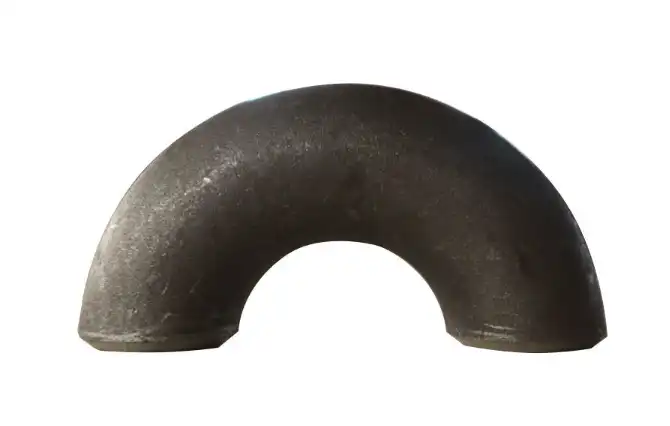
Industrial Applications Across Key Sectors
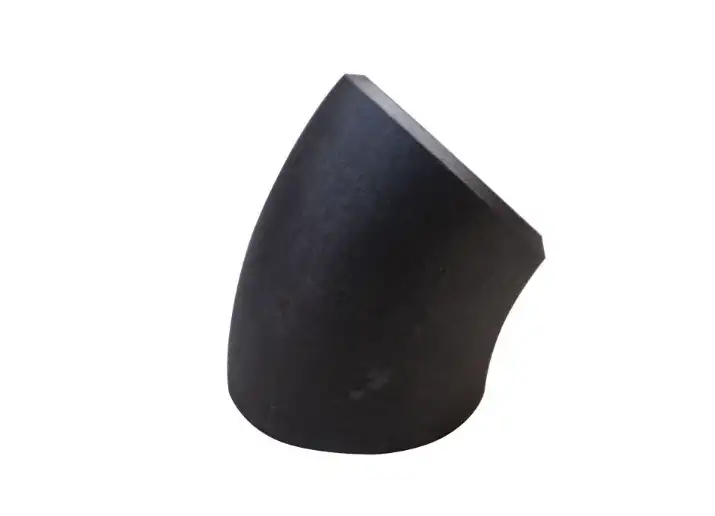
Carbon steel elbows are used in gathering systems, processing plants, and transportation networks for oil and gas activities. These parts can handle being exposed to toxic hydrocarbons and still keep their structural integrity when the pressure changes. Chemical processing companies use elbows that have been carefully treated and have interior coating shields that protect them from aggressive media. This extends their service life in places where stainless steel alternatives would be too expensive to use. In power plants, these fittings are used in steam distribution systems, condensate return lines, and cooling water circuits. They have to work reliably in places where the temperature and pressure change often. For systems that take in raw water, pipes that run through clarifiers, and distribute cleaned water, carbon steel elbows are used because they don't rust and last a long time. In the heating industry, 45-degree elbows are often used in small building areas where complicated layouts need to be accommodated and where good thermal conductivity is needed for efficient heat transfer.
How to Choose the Best Carbon Steel Elbow Supplier for Your Industrial Needs
It's important to look at more than just the price quotes when choosing carbon steel elbow suppliers. You should also look at their skills and how likely they are to be a good partner in the long run and complete the job successfully.
Certification Requirements and Quality Systems
ISO 9001:2000 approval shows that a company has well-established quality management systems with written methods for tracking materials, controlling the production process, and always making things better. Special equipment manufacturing permits make sure that pressure vessel parts are made in accordance with the rules in places that need government control. API approval proves the ability to make products that meet the needs of the oil business, which is especially important for upstream and midstream uses. Each package should come with mill test results, material certificates, and records of dimensional inspections from the supplier. Documentation practices that are open and clear show mature quality systems and a dedication to responsibility. On the other hand, testing data that isn't shared suggests that there may be issues with reliability.
Product Range and Technical Capabilities
Having a wide range of products makes buying easier because orders can be sent to just one seller, who keeps stock for all the different requirements. Companies that give different types of steel, like carbon steel, stainless steel, and alloy steel, show that they are technically flexible and have invested in the right tools to meet a wide range of project needs. Production capacity is very important. Facilities that can make 16,000 tons per year keep supplies available and can handle large orders without having to wait for long lead times. Advanced forming tools make it possible to make complicated shapes with great accuracy while keeping the wall width the same. When you use mandrel-assisted bends in hot forming, you can make seamless elbows that keep the material's properties. On the other hand, cold forming is better for thinner-wall uses that need tighter tolerances on dimensions. Suppliers who use both methods of production react to the needs of the project instead of narrowing their choices to the equipment that is available.
Delivery Performance and Communication Standards
Reliable shipping dates keep project timelines from getting pushed back, which can cause costs to rise across all stages of building. Suppliers with established transportation networks and export experience can quickly and easily get goods through customs, which cuts down on delays and mistakes in paperwork. Minimum order amounts limit the freedom to buy. Manufacturers that can accommodate smaller volumes allow for phased purchases that are in line with the progress of building rather than making big promises ahead of time. Technical help after the sale is what sets capable sellers apart from transactional ones. Having access to technical advice can help with problems with installation, questions about material compatibility, and explanations of specifications that always come up in complicated projects. Staff members who speak English and lines of contact that are responsive get rid of misunderstandings that cause wrong shipments or specifications that don't match.
Top Carbon Steel Elbow Suppliers in the Global Market
The clustering of suppliers in a region is a reflection of how industries have grown and changed over time, with local market needs and rules creating unique strengths.
Asian Manufacturing Excellence
Asian suppliers make most of the world's goods because they have low-cost structures and integrated industrial clusters. This is shown by carbon steel elbow supplier Cangzhou Oudi Pipe Manufacture Co., Ltd., which was founded in 1998 in China's pipe production hub. The company has a 66,600-square-meter factory in Mengcun Hui Autonomous County that makes standard parts in carbon steel, stainless steel, and alloy steel that meet American, Japanese, German, and British standards.
Oudi's annual production capacity of 16,000 tons ensures a steady supply for big projects and keeps a wide range of products in stock, such as caps, bends, flanges, tees, and reducers. The company has ISO 9001:2000 approval and licenses to make special tools, which show that they follow international quality standards. Their quality control system uses advanced detection tools and non-destructive testing to make sure that all inspection processes are followed from the time they receive raw materials to the time they ship out finished goods. Oudi has over 300 customers in over 40 countries in Europe, the Americas, Africa, Southeast Asia, and the Middle East. They can buy and ship goods on their own.
This experience with exporting means that foreign operations and paperwork are easier to handle, which makes it easier for people in other countries to buy things. The fact that it is only 120 kilometers from Tianjin Airport to Tianjin Port makes sending to places around the world easier. Their products are used in the oil and gas, chemicals, natural gas, water conservation, construction, shipbuilding, and power production industries, which shows that they can work well in tough conditions.
North American and European Supplier Characteristics
North American producers usually focus on following rules and making special parts quickly for the oil and gas, petrochemical, and power production markets in their own countries. These companies are great at making small-batch custom orders that need non-standard materials or fast shipping, but the unit costs are usually higher than Asian options.
European makers focus on high-specification jobs that need a lot of paperwork and can be tracked back to their source, like nuclear, offshore, and high-pressure service. Their engineering support helps with integrating complex system designs, which is why they charge more for technically difficult tasks where material performance gaps are important.
The Manufacturing and Testing Process Behind Quality Carbon Steel Elbows
Understanding how things are made helps people who work in buying figure out what suppliers can do and what might set one offer's quality apart from others.
Raw Material Selection and Forming Processes
Getting approved raw materials that meet ASTM standards for chemical composition and mechanical qualities is the first step in making something. Reliable providers keep systems that track materials and connect finished goods to their original mill certificates. This lets you figure out what went wrong if there are service problems.
Most elbows are made using hot forming methods, which use induction heating to heat steel pieces to the right temperature for shaping before hydraulic pressing makes the finished shape. Tight limits on dimensions are kept while the material's grain structure and mechanical properties are maintained. When a mandrel is inserted during forming, the wall doesn't thin at the bend radius. This keeps the thickness constant, which is important for keeping the pressure rating. Cold forming uses mechanical force without heat and is good for thinner-wall schedules, where work hardening makes the strength better.
After the material has been formed, heat treatment methods normalize its microstructure. This removes any leftover stresses that might affect its service performance. Controlled cooling rates stop changes in hardness that make weak areas that can crack when loads are put on them.
Quality Assurance and Testing Protocols
Non-destructive testing makes sure that a product is solid without hurting the finished parts. Ultrasonic testing finds internal flaws like inclusions or laminations that can't be seen with the naked eye. An X-ray can show holes, cracks, or parts that aren't fully fused in welded versions. Magnetic particle screening finds flaws that break the surface and could cause wear failures.
Testing for hydrostatic pressure, which is usually 1.5 times the maximum allowed working pressure, makes sure that the structure is strong when it is loaded in a controlled way. Dimensional inspection checks that the product meets the requirements for width, wall thickness, angle precision, and centerline radius. When suppliers use coordinate measuring tools, they can get measurements that are much more accurate than when they do it by hand.
Transparent sharing of testing sets quality-focused producers apart from rivals who are only interested in cutting costs. Suppliers who include full test records with every shipment show that they are confident in the process control, while suppliers who don't include as much paperwork may be worried about quality problems.
Procurement Strategies for Industrial Buyers: Maximizing Value and Minimizing Risks
Strategic buying with a carbon steel elbow supplier strikes a balance between the needs of the current project and the growth of long-term relationships with suppliers. This way of doing things optimizes the total cost of ownership instead of just lowering the initial purchase price.
Volume-Based Procurement Planning
Consolidated ordering is helpful for big projects because it takes advantage of huge savings and makes sure that all of the materials meet the same specifications. Suppliers usually offer graduated price rates that reward commitment. For example, orders over 50 tons often get unit costs 15-20% lower than spot purchases. Ordering ahead of time based on planned usage plans locks in prices during volatile steel markets, which protects budget certainty.
Deliveries that happen in stages make sure that materials arrive at the right time for the job, which cuts down on the need for on-site storage and the amount of money that is stuck in inventory. Suppliers with enough production capacity can handle split orders without charging extra, but smaller makers may charge extra for this.
Cost Optimization Beyond Unit Pricing
A full cost study takes into account more than just the unit prices that are given. Transportation costs have a big effect on the final cost. Suppliers who already work with logistics partners can often get better freight rates than buyers who arrange their own shipping. The speed of clearance and possible tax estimates are affected by how accurately customs documents are filled out. Experienced exporters try to avoid delays and unexpected charges as much as possible.
Flexibility in payment terms affects the amount of working capital needed and how the project manages its cash flow. When suppliers accept staged payments that are tied to performance goals, they need less up-front capital than suppliers who need full advance payment. Letter of credit agreements strike a balance between buyer safety and seller payment security. However, the transaction costs are raised by the banking fees that come with them.
Installed costs are directly affected by the number of quality defects because of the need for repair, replacement, and plan delays. When suppliers have been reliable in the past, they can charge a little more because there are fewer problems in the field and fewer guarantee claims. Setting clear acceptance standards and inspection methods before placing an order stops disagreements about whether the requirements have been met.
Building Strategic Supplier Relationships
Long-term relationships are more valuable than one-time deals. Preferred sellers prioritize allocating capacity during times of high demand, making sure that materials are available when the market is tight and supplies are low. Discussions about collaborative planning let suppliers know about changes to specifications early on, so they can make changes to production plans without having to force faster processing.
Regular ways to give feedback on performance help sellers understand how needs change and fill in service gaps before relationships break down. Reviewing service performance, quality measures, and responsiveness as part of yearly business reviews holds people accountable while also praising their successes. When suppliers see buyers as important partners, they spend on bettering their services and capabilities in ways that help future projects.
Conclusion
A successful purchase of a carbon steel elbow depends on a careful evaluation of the seller that goes beyond just comparing prices. This evaluation should include quality certifications, production capabilities, and service dependability. Knowing how things are made and how they are tested lets you make smart decisions about a supplier's professional skills. Strategic methods to buying that balance building relationships with increasing output are the best way to maximize long-term value while lowering supply chain risks. The industrial piping business needs suppliers with a wide range of products, a track record of exporting, and quick expert help. These are the qualities that set real partners apart from transactional vendors. Carefully choosing a provider protects project schedules, makes sure that regulations are followed, and provides materials of high quality that meet strict operating needs.
FAQ
1. What certifications should I verify when selecting a carbon steel elbow supplier?
ISO 9001 approval proves that quality management systems are in place, and special equipment manufacturing licenses show that pressure component manufacturers are following the rules. API approval shows that the product can meet the needs of the oil business. Instead of depending on what a website says, ask to see copies of the actual certificates and use databases maintained by the granting body to make sure the certificates are valid.
2. How do I decide between carbon steel and stainless steel elbows for my project?
Carbon steel works well in most situations where the temperature stays below 400°C, and the amount of corrosion is low. Stainless steel is worth the extra 3–5 times it costs in places where it will rust, during processes that need to be very clean, or in food-grade situations that need to be kept clean. Instead of just looking at the initial cost of the materials, do a life-cycle cost study that takes into account how often they need to be maintained and how long they are expected to last.
3. Can suppliers accommodate custom-sized orders, and what are typical lead times?
Reliable makers often work with custom specs, but the minimum order quantity starts at 20 to 50 pieces, based on the size and complexity of the job. Standard-sized elbows are shipped in two to four weeks, but special orders take six to eight weeks to schedule production, get materials, and be made. If space allows, you may be able to pay extra for faster handling.
Partner With Oudi for Your Carbon Steel Elbow Requirements
Cangzhou Oudi Pipe Manufacture Co., Ltd. has been fixing pipes for more than 25 years and works on industry projects around the world in the chemical, power generation, infrastructure, and oil and gas industries. Our ISO 9001:2000-certified factory makes 16,000 tons of carbon steel, stainless steel, and alloy steel products every year that meet ANSI, JIS, DIN, and BS standards. We have strict quality control measures in place, from inspecting raw materials to testing finished goods. These include fully non-destructive examination tools that make sure we meet all specifications. Our well-established export network helps more than 300 customers in more than 40 countries with fast shipping and helpful technical support. Contact our procurement specialists at oudi-04@oudiguandao.com to discuss your project requirements and receive detailed quotations from an experienced carbon steel elbow supplier committed to your project success.
References
1. American Society of Mechanical Engineers. (2018). ASME B16.9: Factory-Made Wrought Buttwelding Fittings. New York: ASME Standards Publications.
2. Davis, J.R. (2006). Carbon Steel: Properties and Performance. Materials Park, OH: ASM International.
3. Nayyar, M.L. (2019). Piping Handbook (8th ed.). New York: McGraw-Hill Education.
4. International Organization for Standardization. (2015). ISO 9001:2015 Quality Management Systems—Requirements. Geneva: ISO.
5. Mohitpour, M., Golshan, H., & Murray, A. (2007). Pipeline Design and Construction: A Practical Approach (3rd ed.). New York: ASME Press.
6. American Petroleum Institute. (2020). API Specification 5L: Specification for Line Pipe (46th ed.). Washington, DC: API Publishing Services.

Need help finding the right solution with our experts. Please contact us.

SINCE 1998 Your Reliable Pipeline Manufacturer



