Carbon Steel Elbow Supplier Guide: Certifications & Quality Checks
It is very important to choose the right carbon steel elbow supplier for your industrial plumbing project. Inconsistencies in quality, missing certificates, or uncertain delivery times cause delays that cost a lot of money and put people at risk. This guide tells you what's most important when looking for carbon steel elbows, like how to read product specs and check a supplier's references. These tips can help you find reliable partners who can deliver approved goods on time and on budget, whether you're in charge of a pipeline retrofit in a chemical plant or a shipbuilding project.
Understanding Carbon Steel Elbows: Types, Grades & Specifications
In oil pipelines, water treatment plants, and natural gas transport networks, carbon steel elbows change the direction of fluid flow in pipe systems. Picking the right type relies on how much pressure your system needs, how much room you have for installation, and how you will be welding.
Seamless vs. Welded Elbows
Seamless elbows are made without parts, so they are stronger when they are under a lot of pressure. These valves work regularly in tough places where failure is not an option, such as on offshore oil rigs and in boiler systems. Welded elbows, which are made by bending and welding steel plates together, are a cheap way to handle lower-pressure situations in water and irrigation systems for farms.
Common Angle Configurations
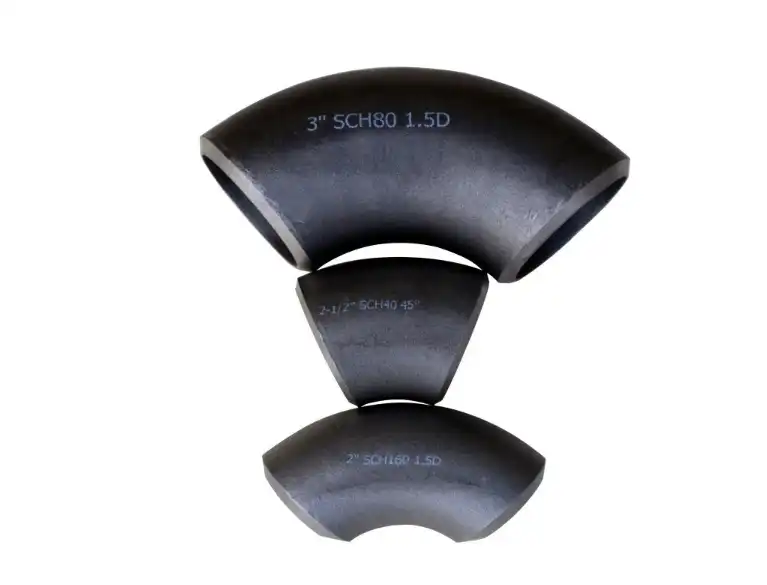
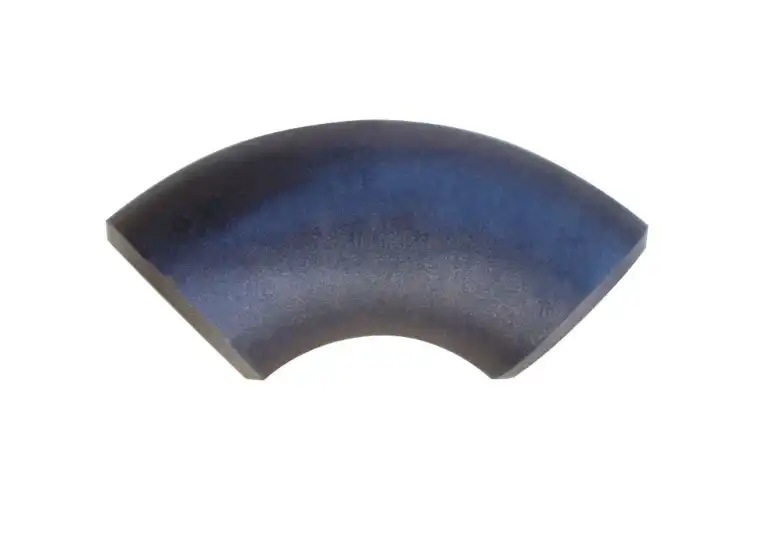
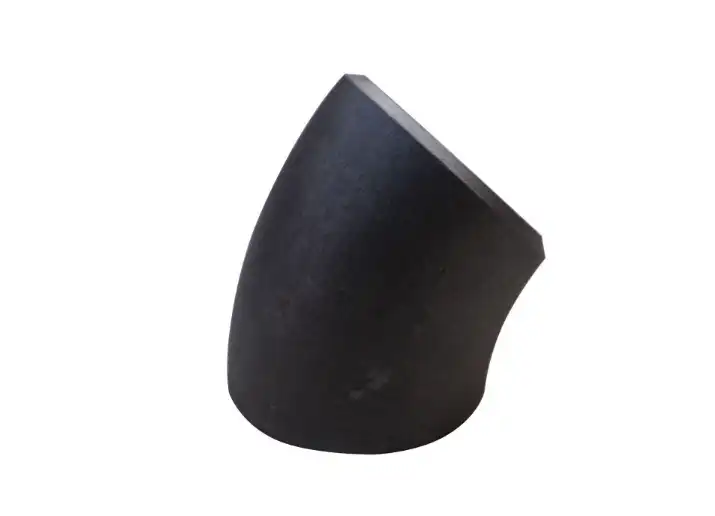
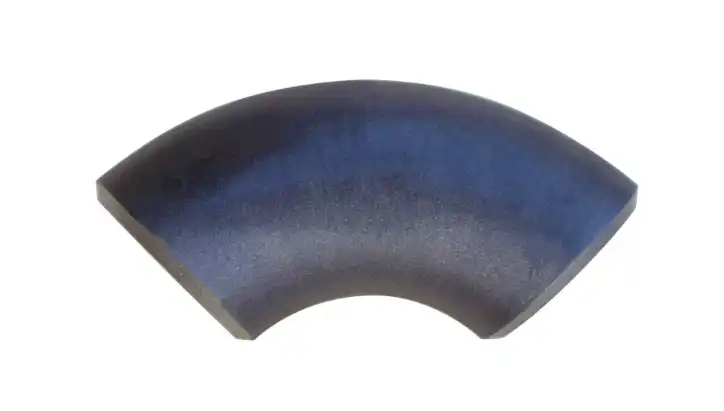
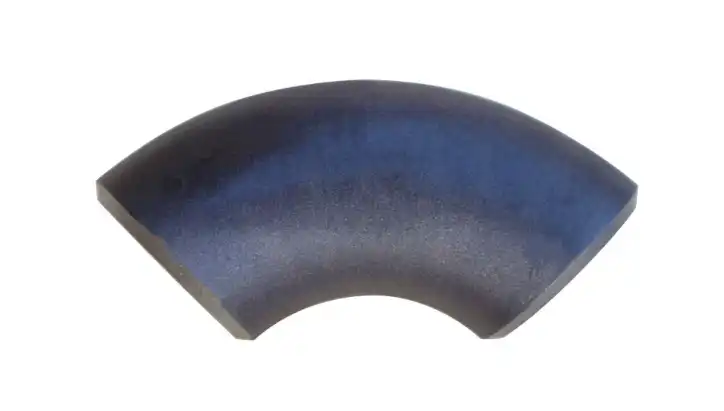
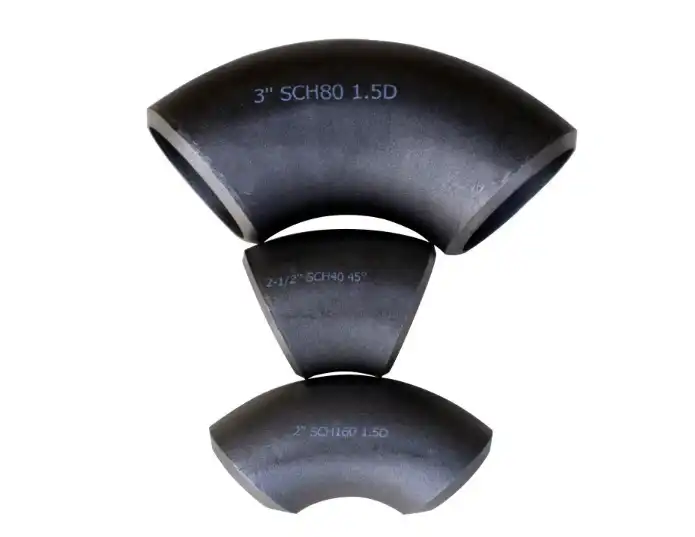
For quick changes in direction in small areas, the 90-degree elbow is still the standard. When a smooth change in flow is needed to lower noise and pressure drop, 45-degree bends work better in situations like moving slurry and managing wastewater. The 180-degree return bend makes tight U-turns in cooling systems and heat exchanges where room is limited and efficient routing is needed. When compared to short radius (SR) elbows, long radius (LR) elbows, which have a centerline radius 1.5 times the pipe diameter, have less friction loss. If they don't have to, most procurement managers choose LR elbows for important flow systems because they take up less room.
Material Grades and Standards
The most common grade for moderate-temperature pipes in power plants and building sites is ASTM A234 WPB. This standard can handle temperatures up to 400°F and pressures up to 3000 PSI. Forgings made to ASTM A105 can be used in high-pressure situations, such as in hydraulic systems and steam distribution networks. Following the measurements set by ASME B16.9, ANSI B16.28, and DIN 2605 standards makes sure that everything fits correctly when it is installed. We make elbows with standard sizes from ½ inch to 72 inches and wall thicknesses from SCH10 to SCHXXS. Having accurate measurements stops expensive changes in the field and welding repairs that cause delays in project plans.
Critical Certifications & Quality Checks for Carbon Steel Elbow Suppliers
Professional carbon steel elbow suppliers can be told apart from dishonest sellers who cut corners on quality controls by their certifications. Thorough testing keeps your business safe from low-quality goods that could compromise performance and safety.
Essential Industry Certifications
Having ISO 9001:2015 certification shows that a seller manages quality in a planned way during the whole process of purchasing, production, and shipping. Cangzhou Oudi has had this certification since the beginning of our business. We use written processes to keep track of every product from the time we receive the raw materials to the time we check it for quality. With the People's Republic of China Special Equipment Manufacturing License, manufacturers can make pressure-bearing parts for businesses that are controlled. To get this credential, a provider must show that they meet government safety standards by having their production buildings, technical skills, and testing tools inspected every year.
The chemical make-up and mechanical qualities of a material are described in ASTM material standards. Trustworthy suppliers give mill test records that show the carbon content, tensile strength, and impact resistance meet the standards. The heat numbers in these papers should make it possible to fully track the materials.
Mill Test Reports and Material Traceability
Mill Test Reports (MTRs) are like a ticket for your product. They show the results of chemistry tests, mechanical tests, and heat treatment factors. Real MTRs have the official stamp of the steel mill, the approval of the testing center, and official signatures. During our 16,000-ton production cycle each year, we keep full tracking by connecting finished elbows to their original steel mill certificates. It is very important to be able to track down materials during regulatory checks and guarantee claims. Reliable makers stamp heat numbers directly on their goods, which lets you check the accuracy of documents years after the installation.
Manufacturing Quality Controls
Hot forming at temperatures above 1800°F makes it possible to make smooth elbows without weakening the material. Our factory uses regulated furnaces and automatic forming tools that make sure that the wall thickness and bend radius are the same for every batch. Heat treatment evens out internal pressures and improves the structure of the grains, which makes the material more impact-resistant in cold-service situations. After heat treatment, we test the hardness and microstructure of the goods to make sure they meet the standards before finishing the surface.
Nondestructive testing finds problems inside that can't be seen with the naked eye. Ultrasonic testing finds layers, cracks, and inclusions that could spread when pressure is applied and removed. Ultrasonic testing is done according to ASTM A388 guidelines, and all test results are written down by trained technicians.
Third-Party Inspection Services
Product conformity is checked by independent testing bodies such as SGS, TÜV, and Bureau Veritas. As part of these services, measurements are checked, materials are confirmed, and hydraulic pressure tests are performed. For big sales or projects that are subject to owner quality assurance programs, buyers often ask for a third party to review the work. Dimensional reports, material certificates, NDT records, and hydraulic test results are all part of our carbon steel elbow supplier quality paperwork package. This openness gives people who buy things faith in the quality of the products before they leave our building.
How to Evaluate and Compare Carbon Steel Elbow Suppliers
Smart evaluation criteria help you tell the difference between skilled makers and middlemen who don't have control over production. A thorough evaluation lowers the risks of purchasing things and builds relationships that help keep the supply chain stable over time.
Core Evaluation Factors
Production potential tells you how quickly and easily a company can handle your large order. Our 66,600-square-meter factory makes 16,000 tons of goods every year, which helps with both big project orders and ongoing inventory needs. Smaller businesses that rely on subcontractors have longer lead times and less product freedom than larger companies that have enough capacity. Technological skills set creators apart from makers of goods. Advanced makers use CNC machining centers to precisely prepare the ends of their products, automatic shot-blasting systems to clean the surfaces, and computers to keep track of their inventory. We've bought testing tools like spectrometers for checking the chemistry, tensile testing machines, and ultrasound flaw testers to make sure that the quality is checked thoroughly.
Material Performance Comparison
Carbon steel is a good choice for general service uses in oil and gas production, chemical processing, and water delivery because it is strong for the price. Depending on the grade, the material can resist temperatures from -20°F to 650°F, and the wall thickness requirements take rust into account. Three to five times more expensive than carbon steel elbows, stainless steel elbows are better at resisting rust in acidic settings and food-grade systems. Alloy steel types like ASTM A335 P11 and P22 are used in places where the temperature is above 650°F, like in steam superheater circuits and petrochemical plant pipes. By choosing materials that are right for the job, you can keep costs down and avoid unnecessary failures. People who work in procurement should ask for suggestions that are relevant to the application and take into account the temperature, pressure, and fluid properties of the operation.
Customization and Bulk Purchase Terms
When you commit to a certain amount of work, you can often get better prices and more flexible schedules. We use tiered prices because we know that steady order numbers allow for production efficiencies that are good for everyone. Annual supply deals keep prices stable when the cost of raw materials changes, and they also make sure that there is enough overstock. Custom specs can be made to fit the needs of a particular project, such as longer length radii, special end preparations, or coating systems that are only available from that company. Our tech team looks over custom requests to see if they can be made. When standard goods almost meet the requirements, they suggest cheaper options.
Best Practices for Purchasing Carbon Steel Elbows: From Inquiry to Delivery
Structured buying methods cut down on confusion that leads to mistakes in specifications, late deliveries, and budget overruns. From the first question to the final release, clear communication sets standards and defines who is responsible for what.
Detailed Purchase Inquiries
Complete calls for quotes should include information about the size and shape of the product, the type of material used, the amount needed, and when it needs to be delivered. Add the necessary rules and codes, like ASME B31.3 for process piping or ASME B31.1 for power piping. Refer to plan numbers when they are available to make sure that sources understand the exact setup needs. Certification needs should be part of the initial inquiry, not something that is added on after the fact when the order is placed. Tell us if you need mill test results, third-party inspections, paperwork for material traceability, or specialized testing like positive material identification. These standards affect prices and wait times, so getting clear on them early on keeps disagreements from happening.
For regular goods, like technical data sheets, dimensional models, and shipping schedules, our quote reaction time is usually 24 hours. This speed helps buying teams weigh their options and decide quickly.
Price Negotiation and Quality Balance
Knowing how the market prices things can protect you from both overpricing and quotes that seem too cheap, which can be a sign of quality mistakes. Carbon steel pipe elbows that are priced much lower than the market average are likely made with cheaper materials, haven't been tested fully, or don't have all of their certifications. We keep our prices low by making our factories more efficient, not by lowering the quality standards that protect end users.
How you pay shows how much you trust each other and how you share risk. Letters of credit protect buyers from other countries and give sellers peace of mind about getting paid. As trust grows through steady performance, relationships that are already in place often move toward open account terms.
Logistics and After-Sales Support
Ocean freight is still the most cost-effective way to send large amounts of goods. It takes an average of 18 to 25 days to get from Chinese ports to U.S. destinations. We work with freight forwarders who know how to handle industrial goods and make sure that the containers are properly packed and secured so that damage doesn't happen during travel.
Customs delays and holding fees can be avoided if all the paperwork is in order. Our export team makes business invoices, packing lists, certificates of origin, and other quality documents that meet the needs of the place where the goods are going. This care for the little things keeps international supply chains running smoothly.
After the sale, responsive help answers questions during installation and quickly fixes problems if they come up. We keep expert staff who speak English as their first language, understand application problems, and can suggest answers. This service pledge goes beyond the sale and helps customers be successful for the whole lifecycle of the product.
Advantages of Working with Certified Carbon Steel Elbow Suppliers
Strategic relationships with carbon steel elbow suppliers have perks that go beyond individual deals. Working with certified makers gives you a competitive edge by giving you access to creativity, dependability, and compliance.
Enhanced Product Reliability
When manufacturing methods are certified, the results are the same from one batch of production to the next. If you ask for ASTM A234 WPB material, you will get exactly that—not similar materials that might not work the same way under stress. This consistency is important in critical uses where failed parts could cause accidents or harm to people or the environment.
Pressure values stamped on certified elbows are based on actual tests, not on theoretical estimates. Our hydraulic testing program puts samples from every production lot under pressures that are higher than the design values. This makes sure that the structure is sound before the goods get to customers. This approval gives you faith that the fittings will work as expected for the whole time they are in use.
Corrosion protection hinges on the right mix of materials and the state of the surface. Certified providers make sure that the chemistry stays within the limits of the design and that protection coatings are applied to exact thickness standards. These features make the parts last longer in harsh places like chemical processing units and seawater cooling systems.
Regulatory Compliance Advantages
For international projects, proof that the goods meet local rules and codes is needed. Our special equipment production license and ISO 9001 approval meet the rules in North America, Europe, and the Asia-Pacific markets. This pre-qualification gets rid of the need for unnecessary delays in the project clearance process. When it comes to insurance and liability, approved goods from known makers are better. Underwriters and project owners know that the right certifications lower the risk of failure and show that the provider was chosen with care. This guarantee covers everyone involved in the project during the execution and operational stages.
Project Management Benefits
When it comes to project scheduling, delivery reliability changes estimates into sure promises. To make sure we meet our delivery times, our production planning system manages the buying of raw materials, the order of production, and the timing of quality checks. Customers count on this dependability to organize building teams, installation tools, and project deadlines. During the building process, fewer repairs save time and money. Precision-machined elbows fit perfectly during assembly, so there are no changes that need to be made in the field that take time and effort and slow down progress. Welders can make parts that are perfect the first time if they keep an eye on the dimensions and prepare the area properly.
When application questions come up, technical help speeds up the problem-solving process. Our technical team helps you choose the right material, check the pressure number, and get advice on how to use it in specific situations. Customers can use this knowledge to improve ideas and avoid making mistakes that cost a lot of money.
Conclusion
Finding carbon steel elbow suppliers means matching technical requirements, checking certifications, and figuring out how well a seller can do their job. Manufacturers you can trust show their dedication to quality by getting widely recognized licenses, keeping detailed records of their tests, and being open about how they make their products. Systematically evaluating suppliers by looking at their technical skills, production capacity, and international experience lowers the risks of buying things and builds relationships that will help the business succeed in the long run. Putting in the time and effort to properly qualify suppliers pays off in the form of consistent product quality, compliance with regulations, and reliable delivery that keeps projects on time and on budget.
FAQ
1. What certifications should I expect from professional suppliers?
Reliable makers have ISO 9001 quality management certification and the right licenses to make special tools. With every shipment, they include mill test results that list the chemical and mechanical features of the materials. Markings and paperwork that come with the product say that it meets ASTM material compliance and ASME measurement conformance.
2. How can I verify certification authenticity?
Ask for the original mill test papers that have stamps from the steel mill and official signatures. Compare the heat numbers that are stamped on the goods with the information that is given. When extra security is needed, third-party inspection services offer independent confirmation. To find out if a seller is ISO registered and what it covers, you should contact the certification groups directly.
3. Should I choose seamless or welded elbows?
Seamless elbows are good for important services that need to be as reliable as possible and for high-pressure uses above 1500 PSI. Welded elbows are a cheap way to fix problems in lower-pressure systems where saving money is the main goal. When making this choice, think about how it will be used, what the code says, and how much it will cost to add everything.
Partner with Oudi for Certified Carbon Steel Elbow Solutions
Since 1998, Cangzhou Oudi Pipe Manufacture Co., Ltd. has sold approved pipe parts to the oil, chemical, and power generation businesses around the world. Our ISO 9001-certified factory makes 16,000 tons of carbon steel, stainless steel, and alloy steel elbows that meet ASTM, ANSI, DIN, and JIS standards every year. We are in Cangzhou's specialized fitting manufacturing zone, and we use high-tech production tools and strict quality controls to make sure that every step of the process is done correctly, from checking the raw materials to nondestructive testing and hydraulic pressure validation. As an experienced carbon steel elbow supplier and manufacturer with over 300 customers in 40 countries, we know what foreign procurement teams need in terms of paperwork, shipping times, and expert support. Our engineering staff helps with application questions, our export team coordinates shipping, and our quality department makes sure that every package comes with all the paperwork needed to track it. Email us at oudi-04@oudiguandao.com to talk about your unique needs and get detailed quotes with technical data sheets to help you make your purchase choice.
References
1. American Society of Mechanical Engineers. (2020). ASME B16.9: Factory-Made Wrought Buttwelding Fittings. New York: ASME Press.
2. ASTM International. (2021). ASTM A234/A234M: Standard Specification for Piping Fittings of Wrought Carbon Steel and Alloy Steel for Moderate and High Temperature Service. West Conshohocken: ASTM International.
3. Davis, J.R. (2006). Corrosion of Weldments. Materials Park: ASM International.
4. Mohitpour, M., Golshan, H., & Murray, A. (2007). Pipeline Design and Construction: A Practical Approach (3rd ed.). New York: ASME Press.
5. Nayyar, M.L. (2015). Piping Handbook (8th ed.). New York: McGraw-Hill Education.
6. Singh, R.K. (2018). Pipeline Integrity Handbook: Risk Management and Evaluation. Houston: Gulf Professional Publishing.

Need help finding the right solution with our experts. Please contact us.
SINCE 1998 Your Reliable Pipeline Manufacturer