Industrial CS Elbow Solutions for Harsh Chemicals
When chemical processing companies are in harsh environments, it's critical that every part of the chain works properly. Chemical industry carbon steel elbows are important directional fittings in these systems because they change the flow of fluid while being able to handle toxic substances, high temperatures, and high pressure. In the chemical industry, carbon steel elbows are used for everything from acid transfer lines to networks for caustic solutions. Choosing the right fitting stops leaks, keeps the process running smoothly, and keeps workers safe. When procurement workers know how these parts work in tough situations, they can make choices that balance short-term budgets with long-term operational reliability.
Understanding Carbon Steel Elbows in Chemical Processing
Fundamental Roles in Pipeline Systems
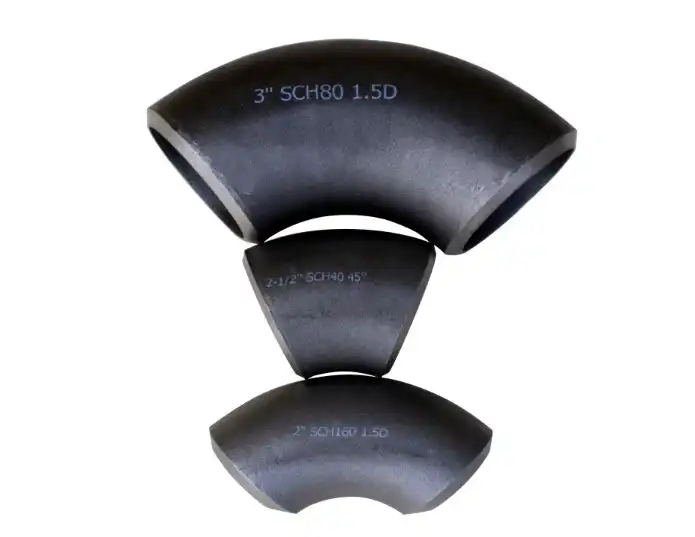
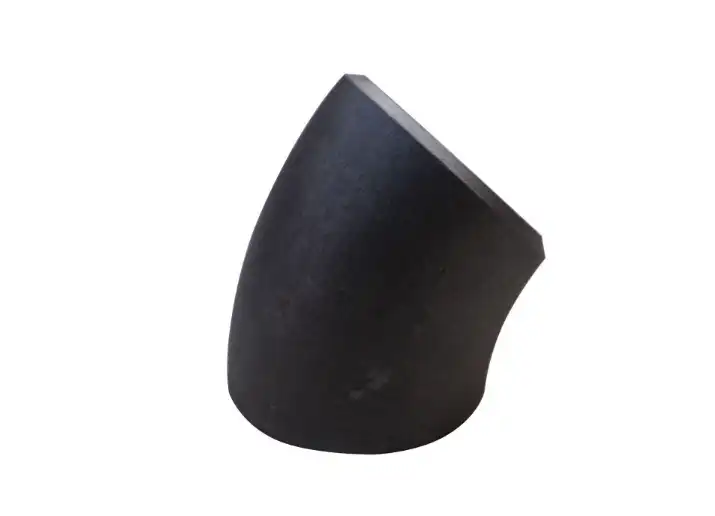
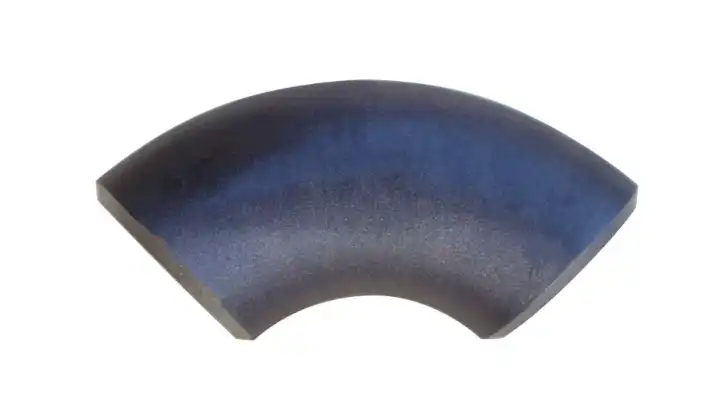
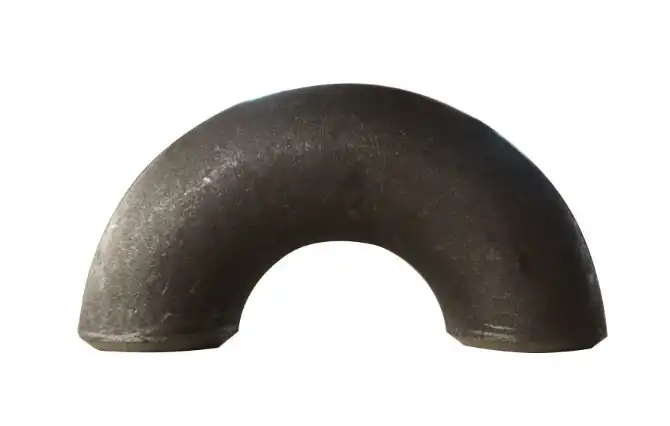
Chemical industry carbon steel elbows change the direction of fluid flow in chemical processing pipes. This allows the system design to be flexible enough to meet the needs of the facility. These fittings connect straight pipe sections at different angles, usually 45°, 90°, or 180°. This lets engineers get dangerous chemicals around obstacles and through several steps of processing. The main purpose is more than just rerouting; properly designed elbows keep flow traits that are important for response time and product quality while minimizing turbulence and pressure drops.
Our factory uses hot-making methods, such as hot pushing and heat bending, to make both seamless and straight-seam elbows. In high-pressure situations, seamless elbows provide better structural integrity, while welded versions are more cost-effective for medium-duty uses. The production method changes the wall thickness uniformity, grain structure, and maximum pressure ratings. All these things directly affect how well the material works in chemical settings.
Material Properties and Industry Standards
Carbon steel elbows have excellent mechanical qualities for chemical uses. Depending on the grade, their tensile strength is between 415 and 530 MPa, and their yield strength is between 205 and 380 MPa. For regular work, ASTM A234 WPB grades are common, and ASTM A860 WPHY grades are used when extra strength is needed. Following the ASME B16.9 dimensional standards makes sure that products from different makers can work together and makes managing supplies easier for strategies that use more than one source to buy things.
Another important thing to consider is temperature control. Standard carbon steel elbows work effectively from -29°C to 400°C, which is a wide range that covers most chemical handling situations. In situations involving cryogenic fluid or temperatures above this range, we need special heat processes or different metals. Our quality control system, which is approved to ISO 9001:2000 standards, includes checking the heat treatment process and being able to track down materials to make sure they meet specifications.
Types and Pressure Classifications
Long radius elbows, which have a centerline radius 1.5 times the standard pipe diameter, make flow changes that are smoother, which lowers erosion and pressure loss. These designs work well for tasks that involve abrasive slurries or where reducing turbulence stops chemical processes that aren't needed. Short-radius elbows, whose centerline radii are the same diameter as the pipe, work well in setups with limited room, but they cause higher pressure drops and stress peaks in certain areas.
Schedules for wall thickness range from Schedule 10 for low-pressure service to Schedule 160 for extreme situations. These schedules determine the pressure levels. Chemical companies usually choose Schedule 40 or 80 for general uses because they offer enough safety gaps and keep material costs low. Our annual production capacity of 16,000 tons makes sure that all pressure classes are always available, which helps with both regular upkeep and big building projects.
Comparing Carbon Steel Elbows vs Stainless Steel Elbows for Chemical Applications
Material Performance Analysis
When looking at valves for chemical service, the choice of material depends on how well it resists rust and how much it costs. Because they have a chromium oxide layer that protects the surface, stainless steel elbows work well in harsh settings with chlorides, acids, or caustics. Alternatives to carbon steel are resistant to corrosion well enough in neutral pH settings, water treatment systems, and situations where protective coatings or cathodic protection is added to the material's natural qualities.
Different materials have completely unique temperature ranges that they can handle. An austenitic stainless steel grade like 304 or 316 can work safely above 650°C, while carbon steel only stays structurally sound up to about 400°C before it starts to creep. Chemical companies that work with thermally stable chemicals at normal temperatures often find that carbon steel solutions meet their technical needs and save them a lot of money.
Cost-Benefit Considerations for Procurement
The price difference between carbon steel and stainless steel elbows has a big effect on the overall budget for a project. Usually, carbon steel fittings are 40–60% less expensive than stainless steel fittings of the same size. This makes them a good choice for large pipeline networks where we can control chemical exposure. This initial savings frees up money that you can use for better instruments, more safety systems, or bigger stockpiles.
Lifecycle research lets you make more detailed comparisons between economies. Because stainless steel is better at resisting rust, it usually means that it doesn't need to be serviced or replaced as often. Chemical plants that are always running benefit from having little downtime. Avoiding unplanned shutdowns is worth the extra upfront cost. On the other hand, plants that have regular repair windows and only minor chemical exposure find that carbon steel elbows have excellent service lives (15–25 years with the right coating systems) and cost a lot less to buy.
Compatibility with Process Chemicals
Material suitability charts help with choice based on the chemicals that will be present. It works well with natural gas, petroleum products, low amounts of non-oxidizing acids, and alkaline liquids below 80°C. In 40 different countries, oil refineries, gas processing plants, and water treatment plants use our goods. These facilities handle produced water, hydrocarbon streams, and cleaned effluent.
When you use reactive acids, chloride-containing solutions, or high-temperature caustics, where corrosion rates go up, you can see where the limits are. Protective layers like rubber, polymer coats, or cement mortar can make these things last longer. A European chemical company used our coated carbon steel elbows successfully in a sulfuric acid mixing system. The elbows lasted 12 years because the surface was thoroughly prepared and the coating was chosen correctly. This shows how engineering rules can make carbon steel more useful.
How to Choose the Right Carbon Steel Elbow for Harsh Chemical Conditions ?
Assessing Operating Parameters
Before choosing, make sure you have a complete record of the operating conditions, such as the highest working pressure, the widest range of temperatures, the flow rate, and the chemical makeup, which includes pH, concentration, and contaminants. Ratings for pressure and temperature must take into account both normal operations and temporary conditions that happen during startups, shutdowns, and process upsets. Chemical engineers should think of the worst-case scenarios, like sudden changes in temperature or acid content, and choose parts that have the right safety factors.
Flow speed affects weathering rates, especially inside elbows where changes in direction make particle impact more concentrated. Thicker wall schedules or metals that don't wear down easily are better for applications that deal with gritty slurries or fast-moving gases. Our technical team helps clients figure out wear rates and suggest specs that balance the cost of the original purchase with the number of times it is expected to be replaced.
Grade Selection and Compliance Requirements
ASTM A234 WPB is still the standard grade for general chemical service because it has excellent strength, weldability, and availability. Enhanced grades, such as WPC, are stronger at high temperatures up to 455°C, while adjusted and tempered types are tougher for use in low-temperature situations. Each change comes with a cost that buying professionals have to weigh against the performance needs of the project.
Certification paperwork is necessary to make sure of the quality of the product and to follow the rules. Material test results confirm the chemical make-up, mechanical features, and heat treatment settings. Nondestructive testing, such as x-ray inspection, ultrasound examination, and magnetic particle testing, finds flaws in the manufacturing process before it is put in place. Our special equipment manufacturing license from the People's Republic of China lets us make pressure vessel parts, which makes sure we obey the rules for international pressure equipment.
Supplier Evaluation Criteria
Comparing prices is only one part of evaluating a supplier. Quality systems, expert skills, and supply stability are also important. ISO 9001 certification shows that you have formed quality management processes, while specific certifications show that you are skilled in using important software. Production capacity is crucial. Our yearly output of 16,000 tons supports large-scale projects without allocation delays, and we keep extra stock on hand for quick orders.
High-tech testing tools confirm product compliance. Spectrographic testers check the grades of materials, pressure testing systems check the strength of structures, and dimensional checking tools make sure that they meet the requirements. To make sure that a supplier's skills meet the needs of the project and the company's standards, procurement teams should ask for building audits or inspection reports from a third party.
Procurement and Supply Chain Considerations for Chemical Industry Carbon Steel Elbows
Sourcing Strategies and Supplier Networks
When you work directly with a manufacturer, you can get better prices, more customization options, and better expert help. When you buy from a factory directly, you don't have to pay the markups that distributors usually add on, which can save you money for bigger orders or more specific needs. Our self-managed import-export authority makes international deals easier by cutting down on wait times and the amount of paperwork that buyers from other countries have to fill out.
E-procurement platforms make it easier to find suppliers and qualify them, but for important uses, you need to do more research. Site trips demonstrate production skills, quality control strictness, and organizational skills that web profiles can't. Having ties with several qualified suppliers can help keep supplies from running out, but focusing on a few main suppliers can help you get big discounts and special treatment during allocation times.
Pricing Factors and Budget Planning
The main factors that affect prices are the type of material, the size, and the thickness of the walls. Manufacturers produce standard sizes in ASME B16.9 measurements in larger quantities, which lowers their prices. Custom standards, on the other hand, cost more for tools and take longer to deliver. Schedules for wall thickness are directly related to the material content; going from Schedule 40 to Schedule 80 raises costs by 45 to 60 percent for elbows with the same width.
The costs go up when you need to get certified. Material test results for each heat lot, third-party inspection, and extra testing methods all add to the cost per unit but provide the quality assurance that is needed for important uses. When you make a volume promise, you can get tiered pricing. Orders over 10 tons usually get discounts of 8–12%, and yearly deals get you better rates and guaranteed capacity allocation.
Strategic sellers are aware of the chances that come up in market time and material hedging. We have an open pricing model that takes into account the prices of raw materials. This lets customers buy when the market is good or make fixed-price deals that keep budgets stable for long-term projects.
Logistics and Quality Assurance
Different specifications and order volumes have different lead times. Standard configurations can be shipped within two to three weeks from when they are first stocked, but special designs need four to six weeks for production and review. There are expedited choices for people who need things quickly, but they come with extra costs for freight and manufacturing. We are only 120 kilometers from Tianjin Port, which makes it easy to load containers quickly and get cheap ocean freight rates to North American places.
Protocols for incoming inspections compare documentation given by the supplier to goods that have been delivered. Random sampling to check the sizes, eye inspection to look for flaws on the surface, and a review of the material approval protect against deviations from the specifications. Setting clear acceptance criteria and rejection methods in buy agreements makes it clear who is responsible for what and speeds up the process of fixing quality problems.
After-sales help encompasses technical advice, failure analysis, and warranty coverage. Reliable providers look into mistakes in the field to find the root causes, such as manufacturing flaws or application mismatches, and suggest ways to fix the problem. Our promise to keep customers happy includes quick contact, replacing broken items, and methods for ongoing improvement that use feedback from the field to make manufacturing better.
Case Studies and Practical Applications of Carbon Steel Elbows in Chemical Industry
Performance in Demanding Environments
A petrochemical plant in Southeast Asia asked us to supply ASTM A234 WPB elbows for lines that move heavy oil at 6 MPa and 180°C. The installation included 450 elbows with different diameters, which meant that logistics had to be planned out and deliveries had to be spread out over time to fit the building plans. After five years of use, inspection records indicate that the walls have lost less than half a millimeter, showing that they are resistant to rust in slightly corrosive hydrocarbon service. The project was successful because the specifications were carefully matched, the right coating systems were used, and the welding processes were followed in a way that kept the qualities of the heat-affected zone.
When mild forces and changing water chemistry come together in water treatment plants, they create new problems. Our coated chemical industry carbon steel elbows were used by a North American city plant in systems that distribute cleared water and sometimes have salt levels of 250 parts per million (ppm). Epoxy coating methods provided the necessary protection against corrosion, extending the design life beyond 20 years while staying within budget limits that would not have allowed for options made of stainless steel. This use shows how safety methods make carbon steel more useful in settings that are only slightly corrosive.
Manufacturing Excellence and Quality Control
Modern forging methods make elbows that are smooth, have a regular grain structure, and have better mechanical qualities. In our hot forming process, billets are heated to the best temperature for forging, which is around 1150°C. Then, under controlled force, hydraulic tools make the shape. This way of making things gets rid of the horizontal gaps that can break in welded options, especially when the load changes or the temperature changes quickly.
Protocols for heat treatment normalize the structure of the grains and ease leftover pressures that were created during the forming process. Normalizing cycles heat parts above the upper critical temperature, hold for the full austenite transformation, and then let them cool in the air to make fine-grained ferrite-pearlite microstructures. After that, stress release at subcritical temperatures (usually between 595°C and 650°C) lowers internal stresses without changing the properties much, which makes the material more stable and easier to weld.
Quality control happens at every step of the creation process. Before handling is allowed, the chemical make-up and mechanical qualities of raw materials are checked. In-process tracking keeps an eye on the temperatures, pressures, and heat treatment patterns that are used for shaping. Final inspection includes checking the dimensions, looking at the surface, doing nondestructive tests, and putting the product under pressure up to 1.5 times its original pressure. This all-around method gets failure rates below 0.3%, so customers don't get too many goods that don't meet standards.
Industry Trends and Future Developments
More and more, the chemical-producing businesses want better tracking and digital records. Blockchain-based verification systems and serialized parts make it possible to track a product's entire lifetime, from production to installation and upkeep. We're putting in place systems for marking goods with QR codes that connect them to full manufacturing records, inspection data, and material licenses that can be accessed on mobile devices.
Environmental laws make people want parts that last longer so they don't have to be replaced as often and create as much waste. Modern covering methods, like fusion-bonded epoxies and polyethylene systems, make carbon steel last longer in fairly corrosive situations. This is good for the environment and the economy. Through our research relationships with coating makers, we're looking into next-generation systems that have better chemical resistance, adhesion, and impact resistance.
Additive manufacturing technologies allow for unique shapes and quick prototyping, but the limited production numbers and properties of the materials mean they can only be used in certain situations right now. For large-scale production, traditional casting and shaping methods are still the best choice because they are reliable and don't cost too much. We keep an eye on new technologies while also focusing on making known manufacturing methods better all the time so they can meet the needs of the general market.
Conclusion
When choosing the right fittings for chemical production settings, you have to think about technical performance, cost, and the stability of the supply chain. Chemical industry carbon steel elbows work well in many situations where the working conditions are right for the material and the right specs take into account how corrosion works. A successful procurement relies on a thorough condition assessment, qualifying suppliers, and ongoing performance tracking that finds ways to improve things. We are a reliable partner for chemical industry projects that need certified parts, quick service, and competitive pricing that meets budget goals without sacrificing safety or dependability. This is because we have been manufacturing for decades, have thorough quality systems, and can supply goods all over the world.
FAQ
What distinguishes carbon steel from stainless steel elbows in chemical applications?
Elbows made of carbon steel are cheaper and work well in neutral pH settings, oil services, and water systems. Stainless steel works very well in places where acids, chlorides, or high temperatures are very common. Picking the right material depends on how it will be used, what chemicals it will be exposed to, and how much it will cost over its whole life.
How do you determine appropriate pressure ratings for chemical service?
The grade of the material, the plan for wall thickness, and the working temperature all affect the pressure ratings. The ASME B16.9 dimensional standards and the ASME B31.3 process pipe rules give ways to figure things out. Make sure the fittings are rated above the maximum working pressure plus safety factors that take into account short-term situations and changes that might be made in the future.
Can carbon steel elbows handle corrosive chemical exposure?
Without safety steps, carbon steel doesn't fight corrosion very well in acidic or chloride situations. In uses that are only slightly corrosive, protective coatings, cathodic protection, or material changes can make things last longer. To choose the right material for a certain chemical contact, compatibility charts and rust tests are used.
Connect with Oudi for Certified Carbon Steel Elbow Solutions
Navigating the complexities of fitting selection for harsh chemical environments requires expertise and proven manufacturing capabilities. At Oudi, our 25-year history serving chemical processors, refineries, and water treatment facilities across 40 countries demonstrates our commitment to quality and customer success. We invite procurement professionals to discuss specific project requirements with our engineering team, who provide technical consultation on material selection, specification optimization, and compliance verification. As a qualified chemical industry carbon steel elbow supplier, we maintain ISO 9001 certification and special equipment manufacturing licenses that ensure regulatory conformance. Contact us at oudi-04@oudiguandao.com to receive detailed product specifications, certification documentation, and competitive quotations that help you make an informed choice.
References
1. ASME B16.9-2018, Factory-Made Wrought Buttwelding Fittings, American Society of Mechanical Engineers, New York.
2. ASTM A234/A234M-2021, Standard Specification for Piping Fittings of Wrought Carbon Steel and Alloy Steel for Moderate and High Temperature Service, ASTM International, West Conshohocken.
3. Revie, R.W., and Uhlig, H.H., Corrosion and Corrosion Control: An Introduction to Corrosion Science and Engineering, Fourth Edition, John Wiley & Sons, Hoboken, 2008.
4. McCain, W.D., The Properties of Petroleum Fluids, Third Edition, PennWell Corporation, Tulsa, 2017.
5. Singh, R., Applied Welding Engineering: Processes, Codes, and Standards, Second Edition, Butterworth-Heinemann, Oxford, 2016.
6. Schweitzer, P.A., Metallic Materials: Physical, Mechanical, and Corrosion Properties, Marcel Dekker, New York, 2003.

Need help finding the right solution with our experts. Please contact us.

SINCE 1998 Your Reliable Pipeline Manufacturer



