Need Tight-Tolerance Carbon Steel Elbows?
Precision-machined elbows are reliable when your pipe system needs to be correct in terms of size and work without any leaks. Careful CNC machining is used to get these designed parts to specs that regular elbows just can't match. Tight-tolerance carbon steel elbows make sure that joints are smooth, there is less noise, and the parts last a long time, whether you're working in an oil refinery, a chemical processing plant, or a hydraulic system. We at Oudi know that even small changes in dimensions can weaken a system. That's why our precision-machined elbows are made to meet ANSI, DIN, JIS, and BS standards, so you can be sure that every installation is done correctly.
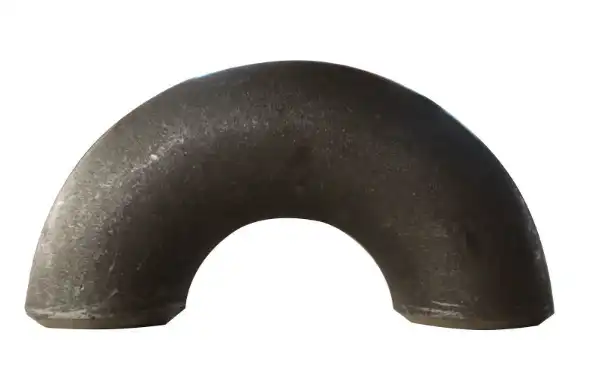
Understanding Precision-Machined Carbon Steel Elbows
Precision-machined carbon steel elbows are a big improvement over regular pipe joints. The engineers who made these parts made sure that they meet the exact size standards that high-performance industrial systems need.
What Makes Precision-Machined Elbows Different
Precision-machined elbows undergo more CNC machining steps after the initial forming process than normal elbows, which only undergo hot forming or casting. In this second step, material is taken away to get accurate outer sizes, wall thicknesses, and end bevels, with an accuracy of as little as 0.1 mm. The cutting process also makes the surface smoother, which cuts down on friction spots that could otherwise cause pressure drops or faster wear.
Manufacturing Process and Quality Control
From the raw material to the finished precision-machined elbow, there are several quality checks along the way. First, billets or rods made of seamless carbon steel are hot-formed around mandrels to make the first turn radius. Once the parts are cool, they are put into CNC machining centers, where computer-controlled cutting tools make the edges smooth and get the weld bevels ready. To make sure that every measurement is correct, our factory in Cangzhou uses high-tech checking tools like coordinate measuring machines (CMM) and ultrasonic thickness gauges. After grinding, the part is heated to remove any stresses that were created during shaping and cutting. Normalizing carbon steel restores its grain structure, making it more flexible while preserving the strength qualities needed to control pressure.
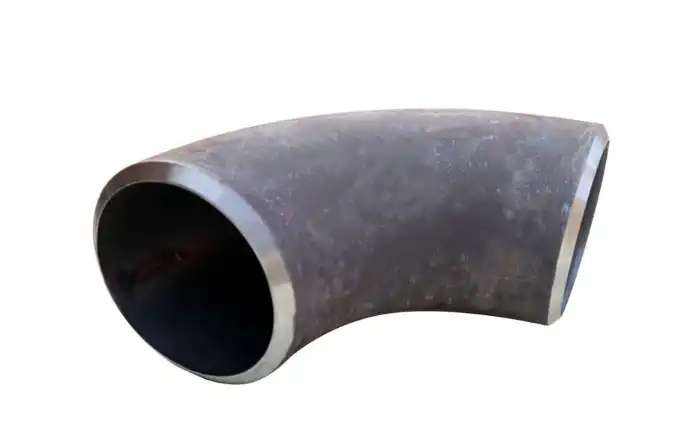
Why Carbon Steel Remains the Preferred Material
Carbon steel is one of the best materials because it is strong, easy to work with, and cheap. Grades like ASTM A234 WPB have tensile strengths of more than 60,000 psi and are still simple to cut and join. Because the material responds predictably to heat treatment, makers can be sure that the mechanical qualities will stay the same from one production run to the next. Compared to stainless or alloy options, carbon steel elbows work just as well in non-corrosive environments and cost about 40–60% less. This makes them the most cost-effective choice for water conservation, building, and general industry uses.
Comparing Precision-Machined Elbows with Alternative Solutions
When procurement workers know how different manufacturing methods affect the performance of elbows, they can make choices that are in line with their project needs and budget.
Machined versus Forged Elbows
Forged elbows are made by using compression forces in dies to shape hot steel billets. This method makes thick, directional grain patterns that work really well in high-pressure situations. Precision-machined elbows are made from straight pipe or shaped blanks, and the final size is reached by cutting away material. While forged parts may exhibit slightly better strength values, precision-machined elbows offer greater consistency in their dimensions. Manufacturers can keep tighter standards on important measurements like center-to-face distances and bevel angles, which have a direct effect on how easy it is to install and how well the welds look.
Cast Elbows and Their Limitations
Molten steel is poured into molds to make cast elbows. This cheap way works well for fits with large diameters, where changes in wall thickness are not as important. However, casting increases the chance of porosity and makes the insides harder than finished options. The tiny holes that are naturally present in cast structures can become places where cracks start to spread when they are loaded and unloaded over and over again. Our precision-machined elbows take care of these worries, using solid-state forming methods that keep the material's structure throughout the part.
Material Comparisons: Carbon Steel versus Stainless Steel
When you use stainless steel elbows in tough chemical conditions or at temperatures above 800°F, they resist corrosion better. Even though they cost three to four times as much as carbon steel alternatives, stainless types like 316L are needed for projects that will be exposed to acids or the sea. Carbon steel works exceptionally well in building, natural gas distribution, boiler feedwater systems, and oil pipes where corrosion is low or can be controlled with coatings. Our ISO 9001-certified quality system ensures that our material choice suggestions suit your working setting.
Applications and Benefits of Tight-Tolerance Precision-Machined Elbows
Many industries now rely on precision-machined elbows as essential parts because operational safety and revenue depend directly on system dependability.
Critical Applications Across Industries
In places that handle oil and gas, precision-machined elbows make sure that connections don't leak in high-pressure hydrocarbon streams, where even small problems with the fittings could cause catastrophic breakdowns. Chemical plants depend on exact-tolerance bends to keep the flow going the right way in reactor feed systems, where changes in concentration can affect the quality of the product. Power plants use these parts in boiler pipe networks where accurate measurements keep stress concentration points from forming that speed up fatigue cracking. Precision elbows are useful in shipbuilding because they allow tight-radius pipe runs in engine rooms that aren't massive while still meeting pressure standards set by the classification society.
Measurable Performance Advantages
Choosing precision-machined elbows has benefits that go beyond their initial installation. Tight tolerances on internal sizes make smooth changes that lower turbulence, which means that 5–12% less pumping energy is needed than with standard fits that don't match well. Preparing the bevels precisely improves the penetration of the weld, which reduces the number of defects and avoids expensive repairs during the pressure testing stages. Since workers don't have to spend as much time fixing alignment problems, the better dimensional stability accelerates the installation process. As a result of moving to precision-machined elbows for a refinery growth project, a petrochemical contractor in Louisiana saw 18% faster pipe completion rates. This directly led to lower labor costs and earlier commissioning dates.
Long-Term Cost Savings
Precision-machined elbows are a little more expensive than normal cast or forged elbows, but a lifecycle study always shows a good return on investment. Getting rid of connections that can leak cuts down on repair calls and unintended shutdowns. In one recorded case, a chemical processing plant cut down on fitting-related problems by 67% over three years after adding precision-machined parts to important systems that needed them. When elbows are properly made, they last longer and don't need to be replaced as often, which lowers the total cost of ownership.
How to Choose the Right Precision-Machined Carbon Steel Elbow?
To make sure the project is successful in the long run, choosing the right parts takes a careful look at both the technical needs and the supplier's abilities.
Technical Specification Considerations
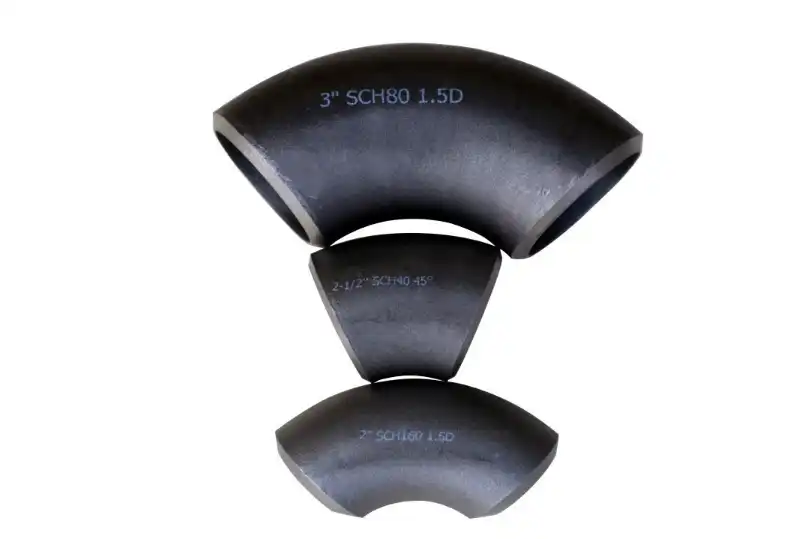
First, determine the exact pressure and temperature levels your system requires. ASME B16.9 specifies standardized sizes for butt-welding parts. However, your application may need different wall thickness plans. Schedule 40 is fine for general use up to 300 psi, but Schedule 80 or XXS is needed for higher pressures or in situations that are corrosive and require corrosion tolerances. Long radius (LR) elbows with a center-to-face diameter 1.5 times the standard pipe size make flow changes smoother, which keeps pressure drops to a minimum in systems with a lot of flow. Short radius (SR) elbows at 1.0 times NPS can be used in sites with limited room, but they can cause more turbulence and erosion.
Evaluating Supplier Credentials
Verification of certification is the basis of evaluating a seller. ISO 9001 approval shows that a company has written quality management systems that a third party regularly checks. Special permits for making equipment, which are especially important in China's regulatory atmosphere, show that facilities meet national scientific and safety standards. Ask for material test records (MTRs) that link chemical and mechanical qualities to specific heat numbers. This will make sure that you can track the product all the way from the steel mill to the finished product. Our factory in Cangzhou keeps full MTR records for all of its goods. This lets buying teams check that parts meet certain ASTM grades.
Custom versus Standard Solutions
Most industrial pipe needs can be met by standard catalog elbows, which are easy to get because they are always in stock. When your system needs non-standard angles apart from 45° and 90°, special end preparations for secret connection methods, or special material grades for harsh service conditions, you should get custom precision-machined elbows. Custom orders usually have longer lead times—6 to 8 weeks—than regular items—two to three weeks—but the extra money spent on them makes sure the system works perfectly. Our engineering team works with clients to figure out if customization really adds value or if stock parts can be changed in the field to fit the needs of the project.
Procurement and Supplier Guidance for Precision-Machined Elbows
Building partnerships with dependable fitting suppliers gives you a competitive edge through consistent quality, reliable supply schedules, and quick expert support.
Identifying Trustworthy Manufacturers
A few key factors distinguish quality precision-machined elbow sellers from their competitors. Look for companies that handle the whole production chain, from getting the raw materials to inspecting the finished product. This is called "vertically integrated operations." With this combination, there are no more handoff places, which are where quality problems often start. Companies that have their own testing labs with spectrometers for chemical analysis, tensile testing tools for checking mechanical properties, and radiographic or ultrasound equipment for checking welds show that they are serious about quality. Since 1998, Oudi has kept our 66,600-square-meter Mengcun plant fully equipped for testing. We serve over 300 customers from 40 countries with consistent quality, which is backed by our ISO certification and special equipment production licenses.
Understanding the Procurement Process
The first step to efficient buying is clearly sharing requirements. Provide suppliers with all the information they need, such as the grade of the material, its measurements, its amount, where it needs to be delivered, and any certifications that are needed. Ask for formal quotes that include unit prices, tooling fees for custom work, expected wait times, and shipping terms. For international sales from China, the terms are usually FOB Tianjin port or CIF destination. Standard items take 4 to 6 weeks to make, while engineered extras take 8 to 10 weeks. Orders over 5 tons can be consolidated into one container, which saves money. Less than 5 tons of goods can be shipped via LCL (less-than-container load) arrangements.
Building Strategic Supplier Relationships
When it comes to buying things, the best purchase strategies go beyond transactional buying and focus on relationship models. Setting up a framework that deals with chosen suppliers ensures stable prices, makes sure that production capacity is allocated during times of high demand, and often opens the door to better payment terms. Account managers will regularly contact you to ensure they know and plan for your changing needs. At oudi-04@oudiguandao.com, our customer service team is available to help you at any time during the project lifecycle, from the original conversation about the specifications to technical questions after delivery. We're committed to long-term partnerships over one-time deals, as shown by the relationships we've built with EPC builders and wholesalers in Europe, the Americas, Africa, Southeast Asia, and the Middle East.
Conclusion
Precision-machined carbon steel elbows bring together industrial technology, material science, and useful engineering. By having more accurate measurements, consistent mechanical properties, and stable long-term service, these parts work better than traditional options in a way that can be measured. Whether you're building an oil refinery, a chemical processing plant, a power plant, or a water conservation infrastructure, choosing elbows that were made correctly has a direct effect on how well the system works, how safe it is, and how much it costs over its lifetime. Your company will be more likely to complete a project successfully if you know the technical differences between manufacturing methods, check the credentials of potential suppliers, and form smart partnerships with skilled makers.
FAQ
What tolerance ranges are achievable with precision-machined carbon steel elbows?
These days, CNC machines let us keep dimensional limits of ±0.1mm on important parts like the outer circle and center-to-face dimensions. The consistency of wall width usually stays within ±12.5% of nominal, which is more than what is required by ASME B16.9. The close specs make sure that everything fits correctly during the fitting and get rid of any gaps that could hurt the quality of the weld.
Can you customize elbows for specialized hydraulic system requirements?
Of course. We often make custom curves, end preparations, and wall thicknesses that aren't normal for specific uses. Our engineering team reviews your system plans and tells you what the best options are. Custom orders usually need 8 to 10 weeks to be made, but this depends on how complicated they are and how busy the factory is at the moment.
How do precision-machined elbows compare in cost to cast alternatives?
Due to the extra machining required, precision-machined elbows typically cost 15 to 25 percent more than similar cast fittings. Shorter construction times, lower leak rates, and longer service lives balance out this extra cost. According to lifecycle cost analysis, returns are always positive. This is especially true for mission-critical services where loss costs are high.
Partner with Oudi for Your Precision-Machined Elbow Requirements
Since 1998, Oudi has been making high-quality carbon steel pipe fittings. Their precision-machined elbows meet the strictest requirements for vital businesses around the world. With a yearly production capacity of 16,000 tons, we can reliably meet the needs of both large-scale projects and ongoing upkeep. As a precision-machined elbow maker that is ISO 9001-certified and has special equipment licenses, we have strict quality control measures in place from checking the raw materials to doing the final inspection. Our engineering team works directly with procurement professionals to find the best options that meet both performance needs and price constraints. Get in touch with us right away at oudi-04@oudiguandao.com to get personalized quotes on large orders, technical information, or to talk about how our precision-machined elbows can help your next project succeed.
References
1. American Society of Mechanical Engineers. (2020). ASME B16.9: Factory-Made Wrought Buttwelding Fittings. New York: ASME Press.
2. Thompson, R. & Martinez, J. (2019). Piping Systems Engineering: Design and Analysis of Industrial Fluid Transport Networks. Houston: Gulf Publishing Company.
3. International Organization for Standardization. (2021). ISO 9001:2015 Quality Management Systems – Requirements. Geneva: ISO Central Secretariat.
4. Davis, M. L. (2018). Material Selection for Process Industries: Carbon and Alloy Steel Properties and Applications. Materials Park: ASM International.
5. Chen, W. & Liu, H. (2022). Advanced Manufacturing Techniques for High-Precision Pipe Fittings in Chemical Processing. Journal of Industrial Engineering and Manufacturing, 45(3), 234-251.
6. Williams, P. D. (2021). Procurement Strategies for Critical Industrial Components: A Guide for EPC Contractors and Plant Operators. London: Industrial Press Publishing.

Need help finding the right solution with our experts. Please contact us.

SINCE 1998 Your Reliable Pipeline Manufacturer



