Need a Certified Carbon Steel Elbow Manufacturer?
Selecting reliable carbon steel elbow suppliers is basic for guaranteeing the security, unwavering quality, and long-term execution of mechanical channeling frameworks. Carbon steel elbows are broadly utilized in oil and gas, petrochemical handling, control areas, common gas transportation, and water treatment offices where steady liquid streams and auxiliary toughness are basic. The right provider, as it were, not only gives qualified items but also underpins venture plans, specialized compliance, and acquisition effectiveness through solid manufacturing capability and quality administration frameworks.
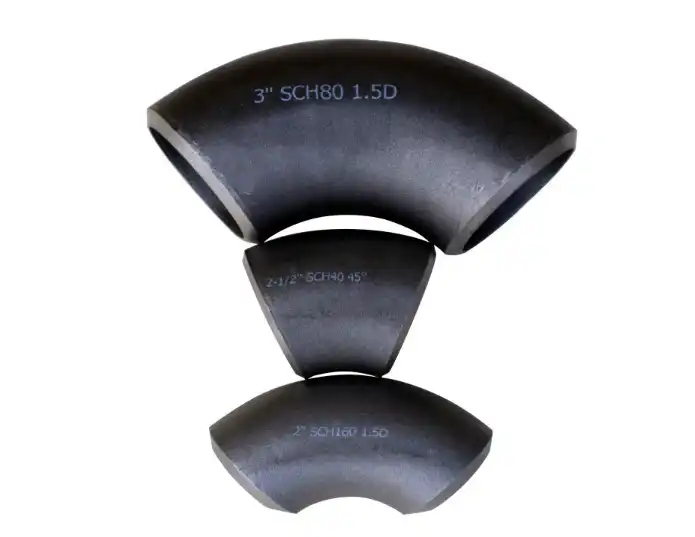
Understanding Carbon Steel Elbows and Their Industrial Role
Carbon steel elbows are pipe fittings designed to change flow direction within industrial piping systems. Common configurations include:
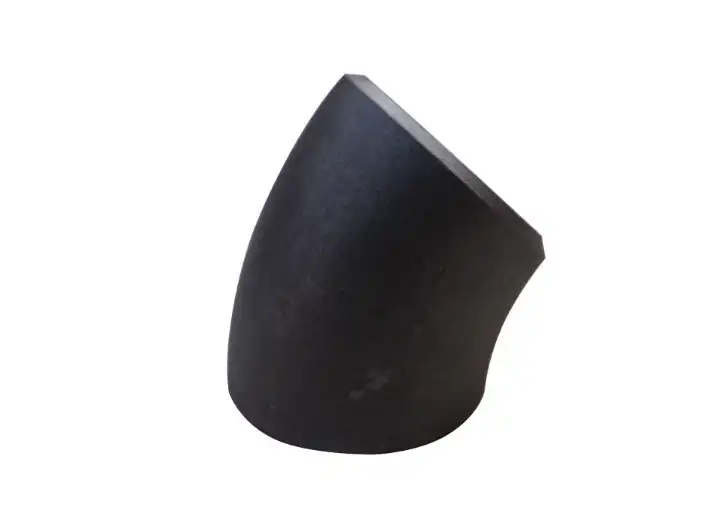
- 45-degree elbows
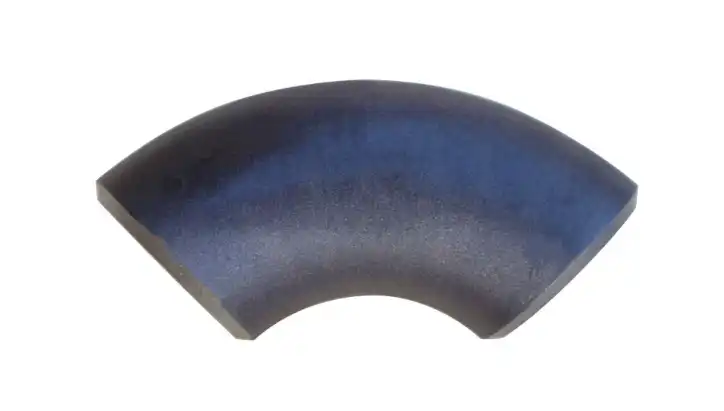
- 90-degree elbows
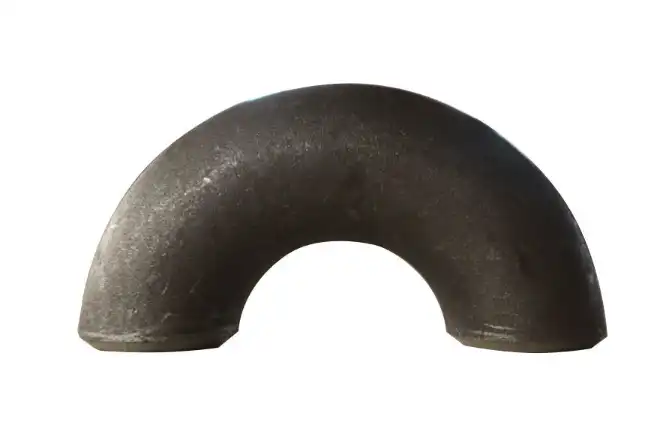
- 180-degree return bends
These fittings offer assistance to optimize channeling formats in complex mechanical situations where space confinements, weight necessities, and stream proficiency must all be considered.
The most common manufacturing standards include:
- ASME B16.9
- ASME B16.28
- ASTM A234 WPB
Depending on the application, elbows may be delivered as consistent or welded fittings with distinctive divider thickness plans such as SCH 40, SCH 80, and XS.
Why Supplier Selection Matters
Choosing experienced carbon steel elbow suppliers specifically influences extended quality, established proficiency, and long-term support costs.
Product Consistency
Reliable providers keep up steady dimensional resiliences and fabric quality over expansive generation clumps. This diminishes welding jumbles and establishment delays amid development.
Compliance and Certification
Certified manufacturers provide:
- ISO quality certification
- Material Test Reports (MTRs)
- Heat treatment records
- Dimensional inspection reports
These documents are essential for projects requiring strict engineering compliance.
Supply Chain Stability
Mechanical ventures regularly work beneath tight conveyance plans. Providers with solid generation capacity and the ability to send out encounters can much better back bulk orders and pressing obtainment requirements.
Technical Support
Experienced manufacturers assist with:
- material selection
- pressure rating confirmation
- welding compatibility
- custom fabrication requirements
This technical support helps procurement teams reduce operational risks.
Overall, selecting qualified providers makes strides in acquiring effectiveness and diminishes the probability of expensive establishment or upkeep issues.
Key Factors When Evaluating Carbon Steel Elbow Suppliers
Choosing the right supplier requires more than looking into item catalogs. Acquirement groups ought to assess fabricating capability, review measures, and send out unwavering quality.
Manufacturing Capability
Professional carbon steel elbow suppliers should have:
- advanced hot-forming equipment
- seamless and welded production lines
- beveling and machining systems
- heat treatment facilities
Strong production infrastructure improves consistency and delivery reliability.
Inspection and Quality Control
High-quality manufacturers perform:
- PMI testing
- ultrasonic testing
- radiographic inspection
- hydrostatic testing
- dimensional verification
These inspections help identify internal defects and improve product reliability in demanding operating environments.
Material Availability
Reliable suppliers should provide multiple material grades, including:
- ASTM A234 WPB carbon steel
- stainless steel grades
- alloy steel fittings
A broader product range simplifies procurement for multi-material industrial projects.
Export Experience
Experienced export suppliers understand:
- customs documentation
- international shipping
- packaging protection
- certification requirements
This reduces delays and minimizes logistics risks during international procurement.
Seamless vs Welded Carbon Steel Elbows
Understanding manufacturing differences helps buyers select suitable products for different operating conditions.
Seamless Elbows
Seamless elbows are manufactured without longitudinal weld seams. They are commonly selected for:
- high-pressure systems
- high-temperature service
- critical process pipelines
Their continuous material structure improves strength and fatigue resistance.
Welded Elbows
Welded elbows provide a more economical solution for:
- low- and medium-pressure applications
- utility systems
- general industrial piping
Cutting-edge welding innovation permits welded fittings to meet numerous mechanical guidelines while diminishing acquisition costs.
The choice ought to depend on genuine working conditions or maybe on utilizing high-specification items superfluously.
Common Procurement Mistakes to Avoid
Numerous mechanical ventures confront avoidable issues due to destitute provider assessment or inaccurate determination management.
Common issues include:
- selecting non-certified suppliers
- ignoring wall thickness compatibility
- missing MTR documentation
- poor welding preparation
- inadequate corrosion protection
- delayed delivery from unstable suppliers
These issues may lead to establishment disappointment, spillage, generation shutdowns, or unforeseen upkeep expenses.
Why Industrial Buyers Choose Oudi
As one of the trusted carbon steel elbow suppliers in the worldwide channeling industry, Oudi gives certified mechanical fittings for requesting ventures around the world.
Our manufacturing advantages include:
- ISO-certified quality management
- advanced production workshops
- complete inspection procedures
- OEM and custom fabrication capability
- bulk export supply support
- experienced engineering teams
We manufacture:
- elbows
- tees
- reducers
- flanges
- pipe caps
Our products are widely used in:
- oil and gas facilities
- petrochemical plants
- thermal power stations
- natural gas pipelines
- water treatment systems
With extensive export experience and stable production capability, we help customers maintain project schedules while meeting international engineering standards.
Conclusion
Choosing proficient carbon steel elbow suppliers is fundamental for keeping up mechanical channeling security, lessening obtainment dangers, and supporting long-term operational execution. Certified producers with solid quality frameworks, specialized skills, and steady send-out capability give more noteworthy value than low-cost providers with conflicting generation measures. By carefully assessing fabricating quality, assessment strategies, and supply chain unwavering quality, obtainment groups can progress venture productivity and diminish long-term support costs over mechanical applications.
FAQ
What certifications ought to carbon steel elbow suppliers provide?
Reliable providers ought to give ISO certification, Fabric Test Reports (MTRs), dimensional assessment records, and important ASME or ASTM compliance documentation.
Are consistent elbows continuously better than welded elbows?
Not essentially. Consistent elbows are favored for high-pressure and basic applications, whereas welded elbows are frequently appropriate for common mechanical frameworks with lower weight requirements.
Can providers give custom elbow specifications?
Yes. Numerous producers bolster OEM manufacture, custom measurements, uncommon divider thicknesses, and project-specific fabric requirements.
Partner with Oudi for Dependable Mechanical Piping Solutions
Oudi is one of the experienced carbon steel elbow suppliers serving worldwide mechanical ventures with certified channeling fittings and proficient fabricating back. We give high-quality carbon steel, stainless steel, and amalgam steel fittings backed by strict assessment benchmarks, trade coordinations involvement, and steady generation capability.
Whether you require standard elbows, custom manufacture, bulk extended supply, or specialized acquirement bolster, our group is prepared to offer assistance to help you optimize your mechanical channeling frameworks with dependable and cost-effective solutions.
Contact us today at oudi-04@oudiguandao.com to ask for item catalogs, specialized details, MTR documentation, or customized venture citations for your mechanical channeling prerequisites.
References
1. American Society of Mechanical Engineers. "ASME B16.9: Factory-Made Wrought Buttwelding Fittings." New York: ASME Standards Committee, 2018.
2. Boyer, Howard E. "Atlas of Stress-Strain Curves for Carbon and Alloy Steels." Materials Park: ASM International, 2002.
3. Nayyar, Mohinder L. "Piping Handbook, Seventh Edition." New York: McGraw-Hill Education, 2000.
4. International Organization for Standardization. "ISO 9001:2015 Quality Management Systems—Requirements." Geneva: ISO Central Secretariat, 2015.
5. Parisher, Roy A., and Robert A. Rhea. "Pipe Drafting and Design, Third Edition." Waltham: Gulf Professional Publishing, 2012.
6. Smith, Peter R., and Thomas J. Zappe. "Valve Selection Handbook: Engineering Fundamentals for Selecting the Right Valve Design for Every Industrial Flow Application." Oxford: Gulf Professional Publishing, 2004.

Need help finding the right solution with our experts. Please contact us.

SINCE 1998 Your Reliable Pipeline Manufacturer



