Pipe Cap Supply Chain: From Manufacturing to Installation
A pipe cap may look like a relatively simple piping component, but its reliability depends on much more than the final shape of the product. The choice of material, forming, heat treatment, dimensional control, inspection, packing, shipping, installation, and maintenance may all affect whether the component functions as planned when it arrives on the job site. This chain is beneficial for project managers, distributors, EPC contractors, and industrial purchasers because a fault starting at procurement could not be discovered until installation or even pipeline operation. The supply chain also differs by application. A carbon steel cap for a typical utility line may not have the same material, inspection, documentation, or corrosion-control requirements as a stainless steel or alloy steel cap used in an oil and gas, chemical processing, power generating, or high-temperature service. This is why buying a pipe cap should be considered as part of total piping specification and not just a basic dimensional purchase. For manufacturers such as Cangzhou Oudi Pipe Manufacture Co., Ltd., the goal is thus not only to create a component from a drawing. A reliable supply chain must integrate material control, production, inspection, documentation, logistics, and customer requirements to ensure the product delivered to the installation site is traceable and fit for its intended service.
How Material Selection Shapes the Pipe Cap Supply Chain?
Matching the Material to Service Conditions
Material selection is one of the initial choices in the supply chain and may impact every subsequent step along the way. Pipe caps are created by carbon steel, stainless steel, or alloy steel. They are not interchangeable only because they may be manufactured in similar forms. The chosen material must be compatible with the pipeline medium, operating temperature and pressure conditions, corrosion environment, welding requirements, and appropriate project criteria.
The material grade should thus be verified by a buying team before a quote is finalized. A supplier may be able to produce the same nominal size in multiple materials, although the appropriate production process, heat treatment, inspection requirements, and paperwork may vary with the material grade. If the material need is not specified at the beginning, modifications throughout the manufacturing might affect cost and delivery time.
Industrial projects also need material traceability. The customer may trace the final component back to the initial material batch using heat numbers, material certifications, and associated manufacturing data. This is of particular use if the project demands documented quality control or where components need to be traceable during subsequent inspection or maintenance.
What Buyers Should Confirm Before Production?
The producer can not plan production adequately with just the nominal diameter. The buy specification generally has to include the material needed, dimensions, wall thickness, end configuration, relevant standard, quantity, and any particular inspection or documentation requirements. Depending on the project, the purchaser may additionally have to give drawings, technical specifications, testing needs, labelling instructions, and packaging expectations.
This information has to be checked before manufacturing starts, not while the product is already in production. If the supplier knows the whole demand at the time of quote and order review, it is simpler to pick appropriate raw materials and to set up an adequate manufacturing and inspection plan.
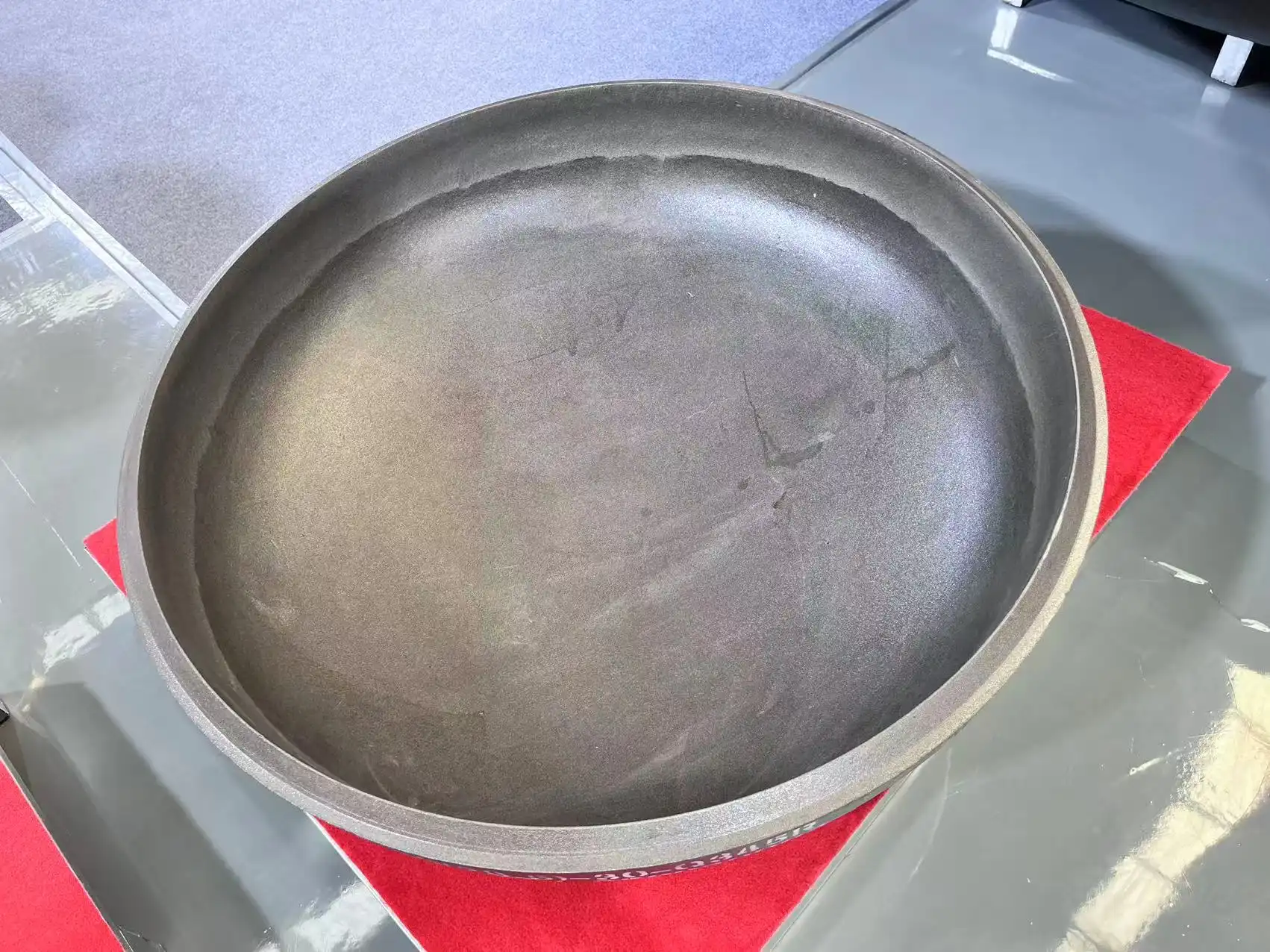
From Raw Material to Finished Pipe Cap
Forming Methods Depend on Product Requirements
After the material is approved, the selection of the manufacturing method is made based on the product dimensions, material, wall thickness, production quantity, and technical requirements. Depending on the design and production method, procedures might involve hot forming, pressing, cutting, welding, and heat treatment.
This is important because the forming process may impact the dimensional accuracy, material characteristics, and the condition of the completed pipe cap. It’s not just a question of hammering a piece of steel into the form we want. Process controls set by the manufacturer must be maintained for temperature control, forming conditions, subsequent treatment, and dimensional correction.
The production sequence for welded items or for applications with enhanced integrity requirements may also entail stricter management of welding techniques and subsequent inspection. The procedure should be based on the relevant standard and not adopted only because it is quicker or less costly.
Dimensional Control Is More Than Checking Diameter
The final pipe cap must be of the correct proportions to fit the piping system. Inspection may be based on the governing standard and project specification or may include exterior diameter, internal diameter, total dimensions, wall thickness, end preparation, and other characteristics as appropriate.
Dimensional uniformity is especially crucial for caps that are placed as part of a pre-fabricated pipe assembly. A cosmetically attractive part might nonetheless cause issues if its dimensions or end preparation are not compatible with the mating pipe or fitting. Therefore, dimensional examination should be against the authorized design, purchase specification, and appropriate standard, not a generic catalogue value.
ASME B16.9 is mostly linked with factory-made wrought butt-welding fittings, while ASTM A234 covers wrought fittings of carbon steel and alloy steel for certain pressure and temperature applications. MSS SP-75 High-Strength Wrought Butt Welding Fittings. The consumer and maker should not regard these standards as just interchangeable labels but carefully verify which specification applies to the real goods and service.
Inspection and Documentation Before Shipment
Building a Quality Record Around Each Order
The greatest value of quality control is to be able to make a clear record of what was manufactured, from what material, under what conditions and with what inspection findings. Visual inspection and dimensional verification are often part of the production quality process, and material certifications are utilized as supporting information on the raw material used.
Additional examination may be necessary as specified by the project requirements. Depending on the application, this might involve such things as hardness testing, ultrasonic testing, radiographic testing, positive material identification, or other non-destructive inspection. These procedures are to be chosen as per the appropriate specification and inspection plan. Not necessary tests for all the pipe caps.
Care also has to be taken with pressure testing. The customer must not presume that all pipe caps are to be hydrostatically tested in the same manner. Where pressure testing is required, the test technique, pressure, holding duration, acceptance criteria, and documentation should be approved prior to production.
Documentation in big industrial orders may be as crucial as the actual product. The receiving crew may check the pipe cap cargo prior to installation using material test certificates, inspection reports, dimensions records, certificates of conformity, packaging information, and any other needed documentation. Good documentation also makes eventual tracing a lot simpler.
Why Traceability Matters After Delivery?
Traceability does not end after the goods have been placed into a truck or container. If a project subsequently discovers a material problem or has to examine a quality issue, being able to trace a final component back to its manufacturing records may save a lot of time.
This is particularly true for projects that have many different sizes, materials, or batches running. Clear marks and consistent documentation allow the warehouse and installation crews to identify the proper component and not just the superficial resemblance. Keeping this link between material data and completed goods is a crucial feature of a controlled manufacturing system for a supplier.
Keeping Pipe Caps Moving Through Global Logistics
Packaging Should Reflect the Shipping Route
Transportation planning starts before things come out of the plant. During handling and storage, a pipe cap may be subjected to impact, moisture, contamination, and corrosion, especially if it changes hands many times during transportation or spends a long time sitting in a port or warehouse.
Thus, the packaging must be representative of the product substance and the transportation circumstances. Carbon steel components may need adequate protection against corrosion, and machined or prepared surfaces may require protection against impact and contamination. Heavy components also need packaging that can endure loading, unloading, stacking, and frequent handling.
The shipment method is also important. Domestic truck transportation, containerized maritime freight, and other international logistics arrangements might have quite distinct circumstances to handle. Because the provider knows the location and the time of arrival, he can then arrange for the packing and shipping documents.
International Orders Require More Than Freight Booking
International projects need cooperation between the manufacturer, goods forwarder, customs broker, distributor, and end client. Commercial invoices, packing lists, certifications, shipping markings, and other export documentation must match the actual cargo.
When arranging deliveries, shipping time should not be seen as the whole delivery time but must include the manufacturing lead time and inspection time. For example, if a project has to be inspected by a third party before shipping, the inspection date must be included in the production plan.
That is why it is important for international buyers to communicate early. Even if a supplier has the production capacity, he might still face a delivery difficulty if the inspection, paperwork, packing, or freight arrangements are not made until the penultimate step.
Managing Inventory Without Creating Unnecessary Cost
Wholesalers and distributors have a separate supply-chain challenge: balancing product availability with inventory expense. It is impractical to have every size and material in stock at all times, especially if the product selection is extensive.
Distributors may use historical sales data, client project dates, typical dimensions requested, and supplier lead times to choose which pipe cap products to carry and which to build against an order. Accurate demand information may also help producers secure manufacturing capacity for bigger projects.
Cangzhou Oudi Pipe Manufacture Co., Ltd. is serving consumers in foreign markets, such as the Middle East, Africa, Europe, South America, and North America. The practical significance of an established supply network for international customers is more than geographical coverage. More relevant is, can the provider combine manufacturing, inspection, documentation, packing, and shipping into a single procedure?
Preparing for Pipe Cap Installation at the Job Site
Confirm the Component Before It Is Installed
Installation problems are often easier to prevent before the component reaches the welding or connection stage. The installation team should first compare the delivered pipe cap with the purchase order, drawings, markings, and applicable specifications. Dimensions, material identification, end preparation, and visible surface condition should be checked before the component is incorporated into the pipeline.
The pipe end and the cap also need to be prepared appropriately for the intended connection. Dirt, moisture, excessive oxidation, or mechanical damage can interfere with welding or other connection methods. If the product has been stored for a significant period before installation, its condition should be reassessed rather than assuming that the original inspection automatically guarantees its current condition.
The installation method depends on the product design and piping system. Butt-welding is common for many industrial pipe caps, while threaded or other connection arrangements may be used for applications designed for those connection types. The applicable drawing, piping specification, welding procedure, and manufacturer's instructions should take precedence over a generic installation method.
Welding and Connection Quality Need Their Own Controls
For welded pipe caps, the quality of the connection is not determined by the cap alone. Fit-up, alignment, welding procedure, welder qualification, preheating or post-weld treatment where required, and inspection requirements can all influence the finished joint.
The installation team should therefore treat the cap and the connecting pipe as one assembly. If the component dimensions are correct but the fit-up is poor, the final connection may still require rework. Likewise, appropriate inspection should be performed when required by the project specification.
Visual inspection is commonly used as an initial check, while ultrasonic, radiographic, or other NDT methods may be specified for higher-risk or critical applications. The inspection method should be based on the project requirements rather than assuming that one method is appropriate for every installation.
Conclusion
A successful pipe cap supply chain begins well before manufacturing and continues long after installation. Material selection, production methods, dimensional control, inspection, documentation, packaging, transportation, installation, and maintenance all contribute to the final performance of the component within a piping system. Treating these stages as connected parts of one process can help project teams identify risks earlier and avoid problems that are more expensive to correct after delivery or installation.
The most reliable procurement decisions are usually based on more than a catalogue description or a low unit price. Buyers should confirm the material grade, dimensions, applicable standards, inspection requirements, traceability, documentation, delivery conditions, and installation requirements before production starts. This approach gives both sides a clearer understanding of what is being supplied and what the finished component is expected to do.
Cangzhou Oudi Pipe Manufacture Co., Ltd. supports customers in international markets with pipe cap manufacturing and customized production for different project requirements. With experience serving customers across multiple regions, the company can coordinate product manufacturing and export delivery according to individual order specifications. For buyers planning a new pipeline project or replenishing components for an existing facility, discussing the material, dimensions, standards, inspection requirements, quantity, and delivery destination with the manufacturer at the quotation stage can provide a more practical starting point for a reliable supply arrangement. For more information about high-quality pipe caps and fittings, please contact us at oudi-04@oudiguandao.com.
FAQ
1. What materials are commonly used for manufacturing pipe caps?
Common materials include carbon steel, stainless steel, and alloy steel, depending on the specific application requirements.
2. How are pipe caps tested for quality assurance?
Pipe caps undergo various tests, including pressure tests, dimensional checks, and material composition analyses to ensure they meet industry standards.
3. What are the main challenges in the pipe cap supply chain?
Key challenges include inventory management, demand forecasting, transportation logistics, and global supply chain coordination.
4. Why is the proper installation of pipe caps important?
Proper installation ensures a secure and leak-free seal, contributing to the long-term reliability and performance of the piping system.
References
1. Smith, J. (2020). Advanced Manufacturing Techniques for Pipe Caps and Fittings. Journal of Industrial Engineering, 45(2), 78-92.
2. Johnson, A., & Brown, T. (2019). Supply Chain Management in the Piping Industry: Challenges and Opportunities. International Journal of Logistics Management, 30(3), 345-360.
3. Lee, S. H., & Park, K. (2021). Quality Control Measures in Pipe Cap Production: A Comparative Study. Quality Engineering, 33(1), 112-128.
4. Williams, R. (2018). Global Distribution Strategies for Industrial Components: A Case Study of Pipe Fittings. Journal of International Business Studies, 49(4), 567-582.
5. Chen, Y., & Liu, X. (2022). Installation Best Practices for Pipe Caps in High-Pressure Systems. Journal of Pressure Vessel Technology, 144(2), 021301.
6. Taylor, M. (2020). Performance Monitoring and Maintenance of Industrial Piping Systems: A Comprehensive Review. Reliability Engineering & System Safety, 197, 106825.

Need help finding the right solution with our experts. Please contact us.

SINCE 1998 Your Reliable Pipeline Manufacturer



