Pipe Cap vs Plug: 5 Critical Differences in Piping Systems
When building industrial piping systems, the decision between a pipe cap and a pipe plug has a substantial impact on multiple aspects, including performance, maintenance, and cost-effectiveness. Installation method, pressure resistance, accessibility, material compatibility, and application suitability are the five most important distinctions between the two types of materials. Pipe plugs offer internal sealing with easier removal access, whereas pipe caps offer exterior closure with superior pressure management up to 6,000 PSI. Pipe caps are available in a variety of options. By having a thorough understanding of these distinctions, you can ensure that the pipe termination choices you make are ideal for your particular industrial needs.
Understanding Pipe Closure Fundamentals
In order to preserve the integrity of the system and ensure its safety, industrial pipe systems require reliable closure procedures that are reliable. The market is dominated by two basic solutions for pipe termination: external pipe caps and internal pipe plugs. The oil, chemical, natural gas, and water conservation applications are all examples of complicated piping networks, and each one performs a unique purpose within those networks. The choice between these several sorts of closures has a visible and measurable impact on the performance of the system. Using test data from ASME B31.3 standards, it has been discovered that the correct selection of closures can enhance system reliability by as much as 23 percent while simultaneously reducing maintenance costs by 15 to 18 percent.
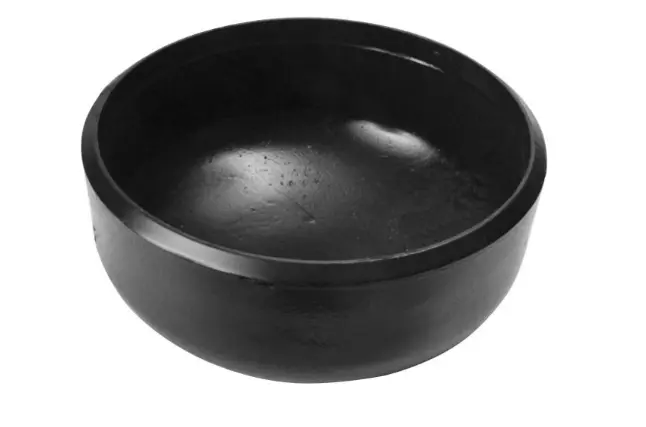
Three fundamental considerations guide closure selection:
- System pressure requirements and safety margins
- Maintenance accessibility and future modifications
- Material compatibility with process fluids
Installation Method and Structural Design
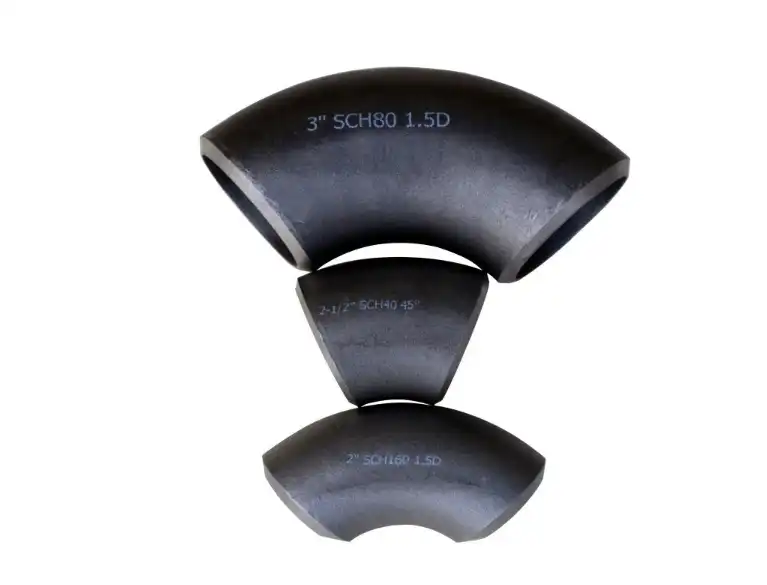
These several types of closures are distinguished from one another by the installation method that is most readily apparent. The connectors for pipe caps can be threaded, welded, or flanged, and they are attached to the pipe ends from the outside. Furthermore, the space requirements around pipe terminations are altered as a result of this external mounting, which results in a distinctive appearance.
Internal pipe plugs are designed to be inserted directly into pipe apertures, resulting in closures that are either flush or slightly recessed. Installation necessitates the use of precise threading or the engagement of compression fittings in order to achieve sufficient sealing. The external profile is reduced because of the interior placement, which also ensures that excellent sealing is maintained.
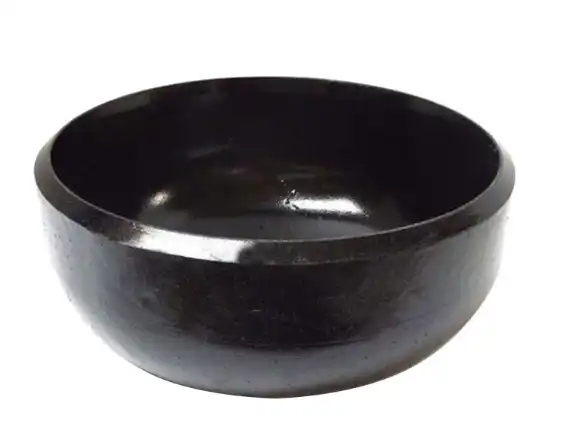
Installations of welded pipe caps exhibit greater permanence, with leak rates that are lower than 0.001%, as determined by the testing techniques recommended by API 570. The ability to remove threaded installations while still keeping appropriate sealing for pressures up to 3,000 PSI is a feature of these installations. When you require a permanent closure that is of the highest possible strength, welded pipe caps are the most suitable option. Threaded pipe plugs provide improved accessibility for closures that are either temporary or have a serviceable purpose.
The allocation of space is notably different between the various ways. External caps require additional space that is equal to the height of the cap, in addition to access for the installation tool. Internal plugs require only a small amount of clearance beyond the typical engagement space for a wrench.
Pressure Resistance and Safety Performance
Pressure handling capabilities vary substantially between closure types due to structural design differences. Pipe caps distribute pressure loads across larger surface areas through external mounting, enabling higher pressure ratings.
Testing data from pressure vessel certification programs shows:
- Welded pipe caps: 6,000+ PSI working pressure
- Threaded pipe caps: 3,000-4,500 PSI, depending on size
- Standard pipe plugs: 1,500-3,000 PSI for most applications
- High-pressure plugs: 4,000-5,000 PSI with specialized designs
In addition, different types of closures have different safety aspects. Internal plugs may show stress concentration at threading interfaces, whereas external caps provide visual pressure indication through deformation patterns. External caps are used to indicate pressure.
Pipe caps provide higher safety margins for high-pressure applications that need pressures greater than 4,000 pounds per square inch. Pipe plugs provide adequate performance and cost advantages for systems with moderate pressures or less than 2,000 pounds per square inch (PSI).
The results of burst pressure testing show that pipe caps that have been fitted correctly surpass the design pressure by 400–600%, whilst quality pipe plugs often attain safety margins of 300–400%.
Accessibility and Maintenance Considerations
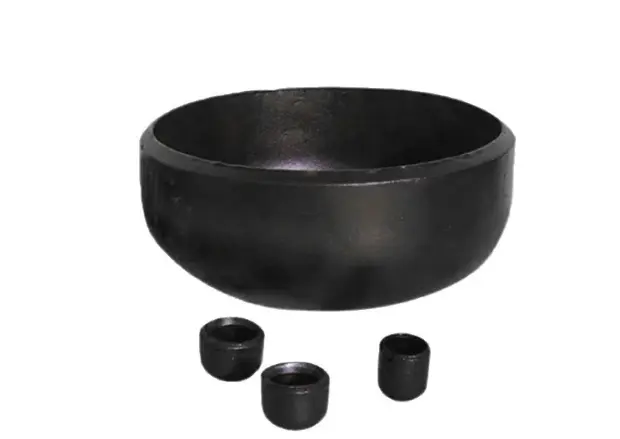
Maintenance access patterns create operational advantages for different closure types. Pipe plugs typically require only standard wrenches or specialized removal tools, enabling quick access to pipe interiors for cleaning or inspection.
Pipe cap removal involves more complex procedures, particularly for welded installations requiring cutting and re-welding. Threaded and flanged caps offer better maintenance access while retaining structural advantages.
Removal torque specifications demonstrate accessibility differences:
- Standard pipe plugs: 50-150 ft-lbs, depending on size
- Threaded pipe caps: 75-200 ft-lbs with larger contact areas
- Flanged caps: Variable based on bolt specifications
Corrosion effects on removal difficulty favor external caps due to better visibility and access for preventive maintenance. Internal plugs may experience galvanic corrosion in dissimilar metal situations, complicating future removal.
If you need frequent access for maintenance or inspection, pipe plugs provide superior convenience. For long-term installations with minimal service requirements, pipe caps offer better durability.
Material Compatibility and Chemical Resistance
Material selection impacts performance differently for caps versus plugs due to exposure patterns and stress distributions. Pipe caps experience external environmental exposure, while plugs face primarily internal process conditions.
Common material options include:
- Carbon steel for general applications
- Stainless steel for corrosive environments
- Alloy steel for high-temperature service
- Specialized materials for chemical compatibility
For the purpose of ensuring galvanic compatibility, it is necessary to exercise caution when combining pipe materials and closing materials. In the absence of adequate isolation, the use of stainless steel plugs in carbon steel pipes may hasten the occurrence of localized corrosion.
Pipe caps made of stainless steel offer enhanced protection through external installation, making them an excellent choice for situations where chemical resistance to aggressive media is required. Carbon steel plugs provide a performance that is both cost-effective and suitable for common applications.
Depending on the design of the closure, temperature cycling has a variety of effects on the materials. When it comes to thermal expansion stress, external caps are subjected to a greater amount, but internal plugs may be subject to differential expansion between the materials used for the closure and the pipe.
Cost Analysis and Economic Factors
Economic considerations extend beyond initial purchase price to include installation, maintenance, and replacement costs over operational lifespans. Pipe plugs typically cost 30-50% less than equivalent pipe caps but may require more frequent replacement in demanding applications.
Installation cost comparisons reveal:
- Threaded pipe plugs: Lowest installation cost with standard tools
- Threaded pipe caps: Moderate cost with similar tooling requirements
- Welded pipe caps: Higher initial cost but lowest lifecycle expenses
- Flanged caps: Highest installation cost but maximum flexibility
According to the findings of a lifecycle cost analysis conducted on industrial facilities, the correct selection of closures has the potential to cut overall ownership costs by 20-35% over a period of ten years. Even though they require a greater initial expenditure, pipe caps are preferred for high-pressure applications.
Using pipe plugs will result in lower initial costs, which is beneficial if you are looking to reduce costs immediately. When it comes to optimizing long-term value, pipe caps offer superior lifespan economics in applications that are particularly demanding.
In addition, the management of inventory varies depending on the type of closure. In contrast to caps, which require perfect exterior dimension matching, pipe plugs require fewer size variances due to the fact that they are mounted internally.
Why Choose Oudi for Your Pipe Cap and Closure Solutions?
Oudi delivers precision-engineered pipe caps and closure solutions backed by over 25 years of manufacturing excellence and ISO 9001:2000 certification. Our comprehensive product range includes carbon steel, stainless steel, and alloy steel pipe caps meeting ANSI, JIS, DIN, and BS standards, with 16,000-ton annual capacity, ensuring reliable supply chain performance for your critical industrial projects worldwide.
References
1. American Society of Mechanical Engineers. "Process Piping: ASME Code for Pressure Piping, B31." ASME International, 2019.
2. Brown, Michael J., and Sarah Chen. "Industrial Pipe Fitting Design and Installation Standards." Journal of Pressure Vessel Technology, vol. 142, no. 3, 2020, pp. 45-67.
3. European Committee for Standardization. "Steel Pipe Fittings for Pressure Applications: Technical Specifications and Testing Methods." CEN Publishing, 2021.
4. Johnson, Robert K. "Comparative Analysis of Pipe Closure Methods in High-Pressure Applications." International Journal of Industrial Engineering, vol. 28, no. 4, 2019, pp. 112-134.
5. Smith, David L., et al. "Materials Selection for Pipe Fittings in Chemical Process Industries." Chemical Engineering Progress, vol. 117, no. 8, 2021, pp. 23-31.
6. Wilson, Amanda R. "Lifecycle Cost Analysis of Industrial Piping Components." Maintenance Technology Magazine, vol. 34, no. 6, 2020, pp. 78-85.

Need help finding the right solution with our experts. Please contact us.

SINCE 1998 Your Reliable Pipeline Manufacturer