Reliable CS Reducer Manufacturer Worldwide
Finding a reliable partner for industrial pipe parts can make or break the success of your project. When looking for CS Concentric Reducers for important jobs in the oil, chemical, natural gas, or water conservation industries, the company you choose affects both the quality of the product and how well it works in the long run. We at Cangzhou Oudi Pipe Manufacture Co., Ltd. have been perfecting the production of carbon steel reducers for more than 20 years. More than 300 customers in 40 countries use our ISO 9001-certified goods, which meet ANSI, ASME, DIN, and BS worldwide standards. With a capacity of 16,000 tons per year, strict full-inspection protocols, and cutting-edge nondestructive testing tools, we make sure that every CS Concentric Reducer that leaves our facility works perfectly in harsh industrial settings, like chemical processing plants, vertical gas pipelines, or high-pressure steam distribution networks.
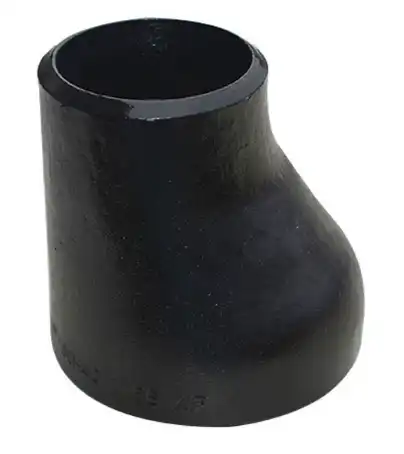
Understanding CS Concentric Reducers – Specifications, Uses, and Advantages
What Is a Concentric Reducer?
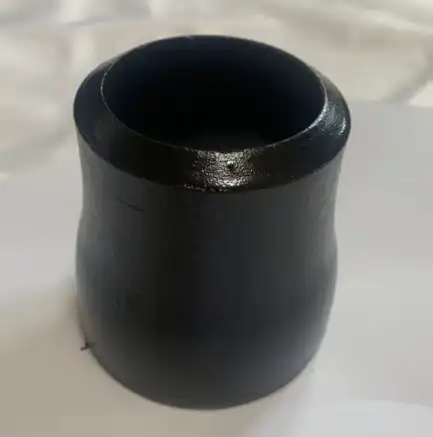
A CS concentric reducer is a special kind of buttweld pipe fitting that is made to connect two pipes with different sizes but the same center axis. This cone-shaped, symmetrical form makes it easy for fluids or gases to move from larger to smaller sizes without turbulence or big drops in pressure. The design works especially well in pipeline systems that are oriented vertically, where keeping the flow in the same direction is crucial for pump efficiency and system safety.
Core Material Specifications and Standards
Our factory makes CS concentric reducers that meet the requirements of ASTM A234 WPB material specifications for carbon steel grades. Customers who want higher corrosion protection can choose stainless steel options that meet the requirements of ASTM A403 WP304/L or WP316/L. We use alloy steel types that meet the requirements of ASTM A234 WP11 or WP22 in situations where high-temperature protection is needed. Schedule numbers determine wall thickness, ranging from Sch 10 to XXS (double extra strong). Each schedule matches the pipes that go with it to make sure that the pressure inside stays the same. All sizes strictly follow ASME B16.9 guidelines for factory-made metal butt-welding fittings, which means they will fit in perfectly with current pipelines.
Primary Industrial Applications
In several different fields, these pipe fittings work very well. In oil plants, CS concentric reducers control changes in flow in vertical distillation columns and vapor recovery systems. They are used in acid transfer lines at chemical plants where smooth flow patterns stop turbulence and damage. Natural gas transportation networks put these parts in compressor stations and vertical separator vessels. CS concentric reducers are used in clarifier overflow pipes and vertical pump discharge lines in water treatment plants. These fittings help chiller water get to all the right places in business building projects' HVAC systems. The constant alignment keeps the hydraulics working well, which saves energy and makes the tools last longer.
Technical Advantages Over Alternative Designs
Engineering teams like CS concentric reducers because they have benefits that can be measured. The slow spiral drop reduces head loss the most, keeping flow efficiency between 92 and 95% compared to sudden changes. Buttweld connections are stronger than threaded or grooved mechanical joints in high-pressure settings with more than 1500 PSI because they can withstand repetitive stress and vibration better. Normalizing for carbon steel and solution annealing for stainless steel grades are two heat treatment methods that get rid of production stresses and make metals more resistant to intergranular corrosion. The symmetrical design spreads stress evenly, which means there are fewer weak spots that could break during heat growth cycles. CS concentric reducers are the best choice for vertical gas flow situations where air pockets must not form because of these qualities.
CS Concentric Reducer vs. Alternatives – Making the Right Choice for Your Pipeline
Concentric Versus Eccentric Configurations
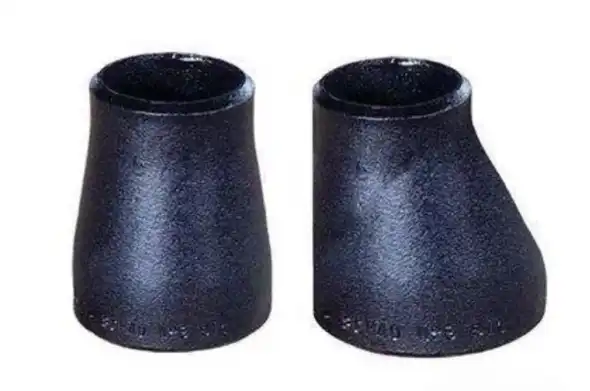
Knowing when to choose a CS concentric reducer over an eccentric reducer has a direct effect on how well the system works. CS Concentric Reducers maintain the same axis for both pipe ends. This makes a cone shape that works well for vertical placements where gravity helps the flow direction. This design keeps gas lines from getting clogged with air and liquid systems from getting vapor-locked. On the other hand, eccentric reducers have centerlines that are offset and one side that stays flat. This is useful in horizontal liquid pipelines where sediment buildup needs to be kept to a minimum or when a certain top-of-pipe or bottom-of-pipe level needs to be maintained. When eccentric reducers are placed flat-side-up in pump suction lines that handle liquids, they stop air pockets from forming that could starve pumps. But vertical steam stems need CS concentric reducers to make sure that condensate drains evenly and water hammer doesn't happen.
Welding Versus Threaded Connections
Butt-weld CS concentric reducers are the most common type used in high-pressure and high-temperature situations because they are very strong. The full-penetration weld makes a link that is as strong as the base pipe material. In carbon steel versions, it can handle pressures of up to 3000 PSI and temperatures of up to 850°F. This method of connection does not have any of the potential leak points that threaded joints have, where the seal deteriorates over time and requires more maintenance. Threaded reducers are used in low-pressure systems with less than 300 PSI, like compressed air distribution or low-temperature water lines, where the ease of removal outweighs the extra work. Buttweld reducers are always required for permanent, leak-tight placement in oil transfer pipes, chemical processing reactors, and boiler feedwater systems for power plants.
Material Selection Impact on Cost and Longevity
Carbon steel types are a cheap way to work with media that doesn't corrode and can handle temperatures from -20°F to 650°F. These materials can handle a lot of mechanical stress and are about 60% less expensive than stainless steel options. This makes them the best choice for natural gas pipes, steam distribution, and hydrocarbon handling where rust inhibitors are needed. When working with acidic chemicals, chloride-containing solutions, or corrosive gases that need 316L material to prevent rusting, you need to use stainless steel. The higher price at first—usually 140 to 180 percent more than carbon steel—is balanced out by a longer service life of more than 25 years in acidic conditions, where carbon steel would need to be replaced every 5 to 8 years. Power plants and petroleum crackers use alloy steel where temperatures are very high. Its high price is justified because it works well at temperatures above 800°F, where carbon steel fails to maintain its shape.
How to Choose a Reliable CS Concentric Reducer Manufacturer?
Essential Certifications and Quality Management Systems
Checking a manufacturer's qualifications saves procurement investments and ensures compliance with the rules. Getting ISO 9001:2008 approval shows that you follow well-known quality management rules for things like tracking raw materials, keeping an eye on the production process, and doing a final review. The Special Equipment Manufacturing License from the People's Republic of China allows you to make pressure-bearing parts for dangerous services. API 5L certification proves that a company can make pipes, and ASTM material certifications confirm the materials' chemical make-up and mechanical features. At Oudi, our quality guarantee system includes full checking processes from the time we receive raw materials until we ship finished goods. Ultrasonic thickness gauges, spectrometers for material verification, and hydraulic test facilities are some of the high-tech tools used to make sure that every CS Concentric Reducer meets the required standards before it is shipped.
Production Capacity and Scalability
Manufacturers who can make 16,000 tons per year show that their equipment is stable enough for big projects. This amount of capacity means that there are enough deals in place to buy raw materials, skilled workers, and extra tools to handle rush orders without lowering the quality. Suppliers who can scale production across project goals while keeping lead times steady are helpful for procurement teams handling multi-phase building projects. One-stop buying is available from manufacturers whose product lines include flanges, elbows, tees, and caps. This makes transportation easier and lowers the cost of administration. Because of its flexibility, production can handle custom sizes that aren't in the normal catalog ranges. This helps engineers meet specific needs without having to meet the minimum order number requirements that smaller fabricators put in place.
Reputation Verification Through Global Track Record
When a maker has shipped goods to more than 40 countries in Europe, the Americas, Africa, Southeast Asia, and the Middle East, it indicates that they know how to deal with different shipping rules and quality standards. Serving more than 300 users in tough industries like power generation, chemical processing, and oil refining shows that it can work well in difficult situations. Testimonials from satisfied customers showing that deliveries are made on time more than 95% of the time, technical help is quick to respond during installation, and products last longer than expected provide more assurance than just marketing promises. A third party confirms that the quality is consistent, as shown by our connections with foreign distributors and EPC companies. When manufacturers keep regional warehouses or form partnerships, wait times for emergency purchases are cut down. This flexibility is very important when project plans are delayed for unknown reasons.
Procurement Guide – Buying CS Concentric Reducers Efficiently
Factory-Direct Versus Distributor Sourcing Channels
You can save 15–25% by buying directly from makers instead of distributors, because they don't add markups. This is especially helpful for orders over 50 tons, since freight consolidation lowers the cost per unit even more. Direct connections let you talk about customization with engineering teams, making sure that the specs are precisely what the application needs. Some wholesalers might not be able to easily provide mill test results, material approvals, and dimensional inspection data that manufacturers do. Lead times are usually between 4 and 6 weeks for normal specs and between 8 and 10 weeks for special sizes or rare materials. Distributor buying is best for pressing needs that are less than 5 tons and can be met right away from local stock, which explains the higher price. This is usually the case for maintenance situations or small project additions.
Price Factor Analysis and Quotation Comparison
Material costs change with the steel market and make up 60–70% of the total price of a CS Concentric Reducer. The width of the wall has a big effect on the price. Because they use more raw materials, Schedule 80 reducers cost about 40% more than Schedule 40 versions. Different sizes have a linear effect on prices. For example, a 12"x8" reducer costs about 2.8 times more than a 6"x4" reducer, even though the sizes are the same. Base prices go up by 8–15% because of the need for heat treatment, surface coats, and licensing paperwork. When reviewing quotes, make sure that the exact details about the material grade, schedule, measurement standards, and services like beveling and hydrostatic testing that are included are all the same. Three competitive quotes from qualified makers show how the market is doing. Quotes that are too low should be looked at more closely to see if they use different materials or skip quality control steps.
Logistics Optimization and Risk Mitigation
Shipping big steel goods internationally needs careful planning to keep them from getting damaged in transit and to keep delays to a minimum. When you combine ocean freight in 20-foot or 40-foot containers, the cost per ton is much lower than when you ship less than a full container. Corrosion can't happen during humid marine transport when wooden boxes and plastic wrap are used for protection. Total landed costs are best when Incoterms are chosen carefully. CIF is best for buyers who don't have much freight pricing power, and FOB is best for buyers who already have established transportation partners. Shipping from China to big US ports like Houston, Los Angeles, or New York usually takes 3–5 weeks by ocean, plus an extra 1–2 weeks for customs clearance and trucking within the US. Adding a 10-15% plan buffer lets you account for possible delays in paperwork or port congestion. Marine cargo insurance, which costs between 0.3% and 0.5% of the value of the package, guards against damage or loss claims that could delay projects.
Installation and Maintenance Best Practices for CS Concentric Reducers
Pre-Installation Inspection and Preparation
Before putting CS Concentric Reducers into pipeline systems, they should be carefully inspected to avoid having to do expensive repairs. Use calipers to make sure that the outside widths match the pipe standards. For diameters less than 12 inches, ASME B16.9 allows tolerances of ±1%. Check the inside for mill scale, slag, or weld spatter that could block flow or be a place where rust starts. Check the blade angles visually, which are usually 37.5° for carbon steel, to make sure they fit correctly with the pipes next to them. Check the material certificates against the buy orders to make sure you have the right grades. This is especially important if there are different types of steel on-site. Wire brushes and solvent wipes can be used to clean the ends of reducers, getting rid of any oils or protection coats that could get on the welds. Stage parts close to where they will be installed to reduce handling that could damage their rust protection by causing dents or scratches.
Welding Alignment and Quality Assurance
When welding, the best stress distribution and flow characteristics are achieved when the pieces are properly aligned. For widths less than 12 inches, use external alignment clamps to keep the concentricity within a 1/16-inch shift range. Tack weld four evenly spaced points after making sure the gear is facing the right way according to the engineering plans. Choose welding methods that are approved by ASME Section IX and match the filler metal to the base metal. For example, use E7018 electrodes for A234 WPB carbon steel or ER308L electrodes for 304 stainless steel. Keep the warming temperature for carbon steel between 200°F and 250°F when the temperature outside is less than 50°F. This will keep thick-walled reducers from hydrogen breaking. Do a full root pass that goes all the way through, then do fill passes that build up to flush or slightly strengthened weld profiles. After welding, carbon steel Schedule 80 and larger must be heat treated at 1100 to 1200°F to recover its ductility and toughness when the pressure is higher than 600 psi.
Routine Maintenance Protocols and Failure Indicators
Regular checks make CS concentric reducers last longer and stop catastrophic breakdowns before they happen. External inspections should be done every three months to look for corrosion spots, especially in areas where the heat from the welding has changed the grain structure and made the material more likely to rust. Every year, ultrasonic thickness testing figures out how much wall is being lost, so repair plans can be made before the minimum safe thickness is reached. Vibration tracking finds turbulence caused by flow, which means there is internal erosion or buildup of deposits that needs to be cleaned. In steam systems, keeping an eye on the patterns of vapor draining shows if internal scaling is blocking flow and needs chemical descaling. Thermal imaging finds hot spots that mean the protection on the outside is breaking down or the flow inside is being slowed down. Acid cleaning processes done every six months are good for reducers used in corrosive chemical services because they get rid of deposits that speed up localized rusting. Walls that are thinner than 20% of their original thickness, through-wall pinholes, or cracks found by magnetic particle screening are all signs that they need to be replaced. It costs 8–12% more to do preventative maintenance than to repair something, but it saves thousands of dollars every hour in lost production.
Conclusion
To find a trustworthy CS-centric reducer provider, you need to look at their certifications, output capacity, quality control systems, and track record of worldwide shipping. CS concentric reducers are critical in vertical pipeline configurations used in the water infrastructure, chemical, power generation, and oil and gas industries. Their symmetrical design keeps the flow efficient and structural integrity even when pressure and temperature conditions are very high. Knowing the technical differences between concentric and eccentric designs, as well as the effects on material grade and welding needs, helps procurement workers choose the best options for each application. Working with well-known manufacturers who have ISO 9001 certification, special equipment licenses, and decades of export experience lowers supply chain risks and makes sure that foreign standards like ASME B16.9 and ASTM material specs are met.
FAQ
What are typical lead times for custom CS concentric reducer orders?
Standard measurement CS Concentric Reducers that meet ASME B16.9 standards usually ship 4 to 6 weeks after the order is confirmed, which includes production and quality testing. Lead times are extended to 8–10 weeks for custom sizes that aren't in the list or for rare material types like duplex stainless steel. This is because of the need to get specialized materials and do more inspections. When production plans allow, rush orders can sometimes be filled for an extra 10 to 15 percent of the price.
Can concentric reducers handle high-pressure steam applications?
It is safe for CS concentric reducers made to ASTM A234 WPB standards to work with steam systems up to 650°F and 2500 PSI as long as they are heat-treated and welded according to ASME B31.1 power pipe code. For pressures above 1500 PSI, wall thicknesses of at least Schedule 80 are suggested to keep enough safety gaps against creep and wear. After welding, it's necessary to do a heat treatment to get rid of any remaining stresses that could cause cracks to spread under changing temperature loads.
How do I determine whether to use concentric or eccentric reducers?
CS concentric reducers work best with vertical pipelines and gas service uses where keeping the centerline alignment stops air from building up. When there are straight liquid lines, eccentric reducers are best because the flat side keeps the pipe's elevation constant and stops sediment from getting stuck or air from getting trapped, which can cause cavitation.
Partner with Oudi for Premium CS Concentric Reducer Supply
Since 1998, Oudi has been making carbon steel pipe fittings that meet international standards. Our 66,600-square-meter factory is conveniently situated near Tianjin Port to make shipping around the world quick and easy. We can make CS concentric reducers using high-tech production tools and strict quality control procedures. This makes sure that every unit in our 16,000-ton annual output is the right size and made of good materials. We are a reliable provider of approved CS concentric reducers with ISO 9001:2008 and special equipment production licenses. We work with oil, chemical, natural gas, and water conservation companies in Europe, the Americas, Africa, and Southeast Asia. Contact us at oudi-04@oudiguandao.com right away to get a personalized quote and talk about the details of your project, including specifications, delivery times, and volume discounts. Our engineering team is ready to help you choose the best product for your needs.
References
1. American Society of Mechanical Engineers. (2018). ASME B16.9: Factory-Made Wrought Buttwelding Fittings. New York: ASME International.
2. ASTM International. (2020). ASTM A234/A234M Standard Specification for Piping Fittings of Wrought Carbon Steel and Alloy Steel for Moderate and High-Temperature Service. West Conshohocken: ASTM International.
3. Nayyar, M.L. (2019). Piping Handbook (8th ed.). New York: McGraw-Hill Education.
4. Singh, R. (2017). Applied Welding Engineering: Processes, Codes, and Standards (3rd ed.). Oxford: Butterworth-Heinemann.
5. Parisher, R.A. & Rhea, R.A. (2021). Pipe Drafting and Design (4th ed.). Cambridge: Gulf Professional Publishing.
6. Mohitpour, M., Golshan, H. & Murray, A. (2007). Pipeline Design & Construction: A Practical Approach (3rd ed.). New York: ASME Press.

Need help finding the right solution with our experts. Please contact us.

SINCE 1998 Your Reliable Pipeline Manufacturer



