Reliable Elbows for Chemical Pipelines – Get Quote
The parts you choose are critical when chemical handling needs to be precise and safe. Chemical industry carbon steel elbows used in the chemical industry are important moving joints that change the flow of fluid through complicated pipeline networks. These elbows can handle harsh poisons, high temperatures, and high pressures without losing their structure. Over the past 25 years, Oudi has worked to improve the way we make elbows so that they meet the strict requirements of chemical plants around the world. Our carbon steel elbows are the best choice for sites that need reliable, long-lasting pipeline options because they are both durable and cost-effective.
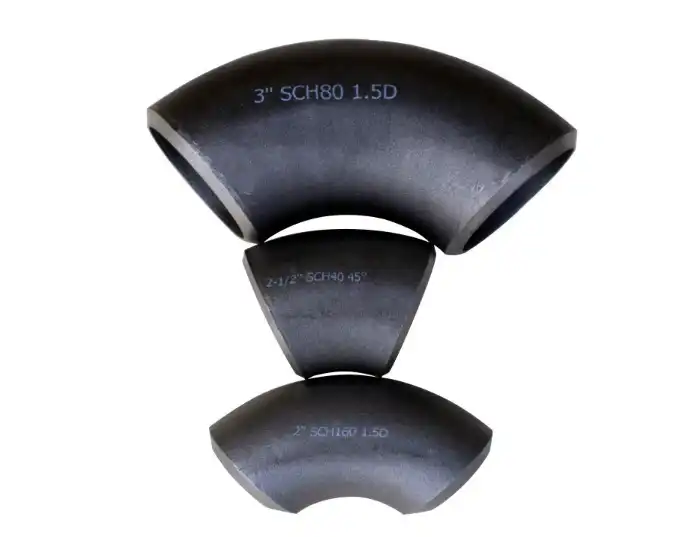
Understanding Carbon Steel Elbows in the Chemical Industry
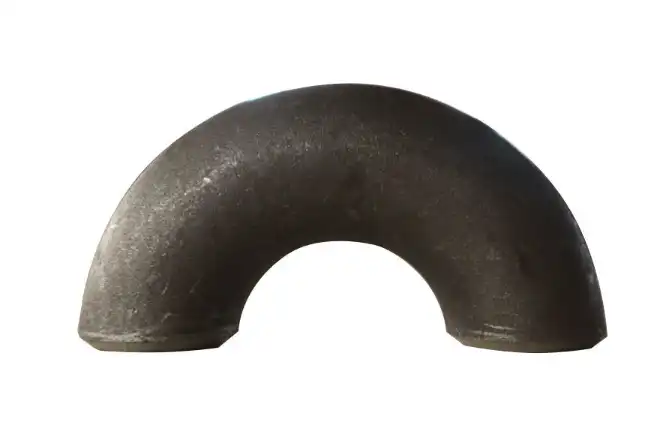
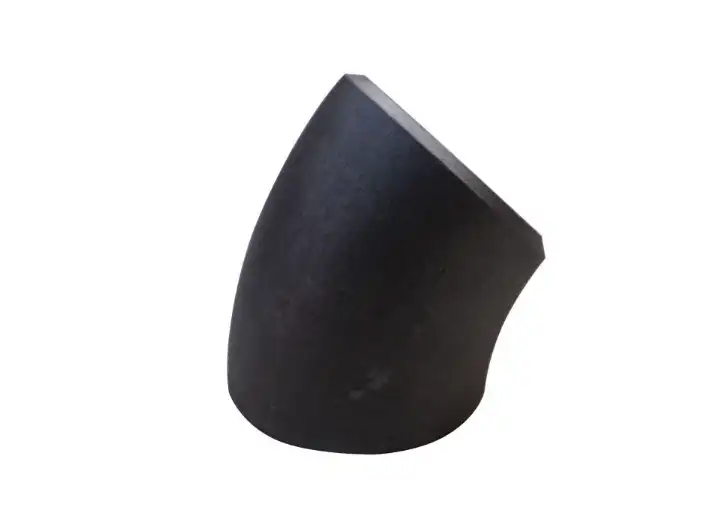
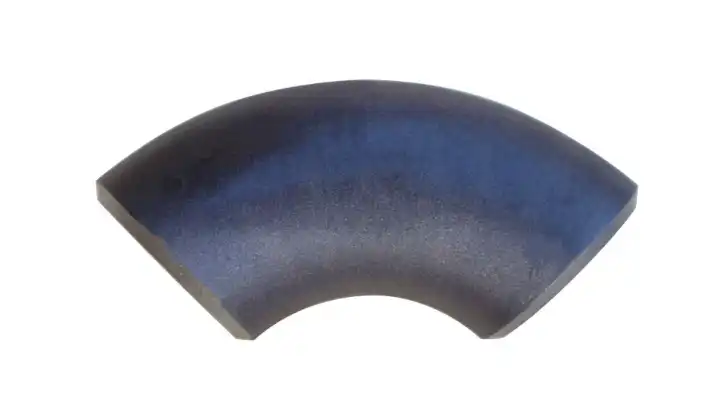
In chemical pipeline systems, carbon steel elbows change the way that gases and fluids move. Their main job is to change the direction of flow by 90 degrees, 45 degrees, or 180 degrees. This lets engineers make plans that work well around equipment and hurdles. These fittings are crucial to the chemical business because they can handle harsh chemicals without affecting the structure's safety.
What Makes Carbon Steel Elbows Essential for Chemical Applications?
The setting for chemical production has its own problems that carbon steel elbows can solve well. Because they are so strong, these fittings can handle pressures inside that range from 150 PSI to over 2,500 PSI, based on the thickness of the schedule. Their carbon content is usually between 0.15% and 0.30%, which makes the materials hard enough while still allowing them to be welded. Chemical companies that work with acids, alkalis, solvents, and petrochemicals depend on carbon steel to perform as expected. Unlike materials that break down in unpredictable ways, carbon steel behaves the same way at temperatures ranging from -20°F to 650°F, which is important for following safety rules.
Manufacturing Methods: Seamless vs. Welded Construction
There are two main ways that our plant makes things: hot pressing for seamless elbows and welding for straight-seam types. Seamless elbows are made from solid pipe stock that is heated to about 1,800°F and then shaped with hydraulic pushing equipment. With this method, there are no weld joints at all, so the wall thickness is the same all the way around the turn. The result is a better ability to handle pressure and fewer weak spots where corrosion could start.
On the other hand, welded elbows are made from flat steel plates that are rolled into form and joined along a lengthwise seam. Even though welded construction is cheaper, there is a risk of failure at the weld line. These worries are greatly reduced by modern welding methods and heat treatment after the weld. As part of our quality control procedures, we use X-rays to check all of our welded seams to make sure they are fully fused and free of any flaws. Both types of construction meet the standards set out in ASTM A234, which describe the materials' chemical makeup, their mechanical features, and how they must be heated. Dimensional limits are set by ASME B16.9 standards, which means that our elbows work perfectly with standard pipe systems from any maker.
Standard Specifications and Certification Compliance
Chemical plant managers need written proof that parts meet standards set by the business. ANSI B16.9, DIN 2605, JIS B2311, and BS 1965 are just some of the foreign standards that our carbon steel elbows meet. This multi-standard compliance makes sure that your project will work with designs that are based on American, European, Japanese, or British standards. Each package comes with a material test record that lists the chemical analysis, tensile strength, yield strength, and elongation rates of the material. We are dedicated to structured quality management, as shown by our ISO 9001:2000 approval and Special Equipment Manufacturing License from the People's Republic of China. These certificates aren't just pieces of paper; they show how carefully the products were inspected from the time they were received as raw materials until they were shipped.
Comparing Carbon Steel Elbows with Other Materials and Types
The choice of materials has a big effect on both the short-term costs of the project and the long-term costs of running it. Knowing how different types of elbows work helps you make smart purchasing choices that are right for your chemical industry carbon steel elbow processes.
Carbon Steel vs. Stainless Steel: Performance and Cost Analysis
Because they contain more than 10.5% chromium, which makes a protective oxide layer, stainless steel elbows are better at resisting corrosion. When working with strong acids like hydrochloric acid or sulfuric acid in large amounts, this benefit becomes very important. But each unit of stainless steel costs three to five times as much as a unit of carbon steel.
Chemical industry carbon steel elbows work great in situations where corrosion rates can be kept under control by choosing the right material grade and finishes. Many chemical companies that work with fairly corrosive fluids find that carbon steel elbows coated with epoxy, polyurethane, or galvanization last 15 to 20 years and cost a lot less than stainless steel elbows. Lifecycle costs must take into account how often things need to be replaced, how much it costs to install them, and how long the system is down. When chemical compatibility lets you use carbon steel, the cost savings are big, especially for big pipes, where the cost of materials is the biggest issue.
Seamless vs. Welded Elbows: Structural Differences
The argument between seamless and welded construction is mostly about how well they handle pressure and what kinds of jobs they are best for. Seamless elbows have a consistent grain structure all the way through, which gets rid of the mechanical discontinuities that happen at weld joints. Because the structures are all the same, seamless elbows can handle higher pressure ratings. This is especially important for key services where failure could cause safety risks or damage to the environment.
Welded elbows work well in low-pressure situations (usually below 600 PSI), where their lower cost makes up for any performance difference. With modern submerged arc welding and careful heat treatment, welded elbows are made that are almost as reliable as seamless ones. The key is to make sure that the elbow's construction fits the conditions of use. High-pressure steam systems, lines for hydraulic fracturing fluid, and important chemical transfer systems make sure that construction goes smoothly. Welded elbows work great for plant service water, low-pressure vent systems, and drain lines. This lets you put your budget toward places that need better parts.
Forged Carbon Steel Elbows for High-Stress Scenarios
Forged elbows are the best carbon steel joints. They are made by hammering or pressing hot steel billets into shape. Forging tightens up the structure of the grains, making the metal denser and getting rid of the small holes that can form inside when casting. Because of these features, forged elbows are perfect for uses that involve sudden changes in pressure, water hammer, or mechanical shaking. Forged elbows should be installed at outlet points in chemical plants with reciprocating pumps because the pressure changes with each pass. The extra cost over regular seamless elbows—about 40% to 60% more—is worth it when it comes to avoiding major failures that could put people in danger or stop production.
How to Choose the Right Carbon Steel Elbow for Your Chemical Pipeline?
To choose the right elbows, you need to look at a number of technical factors and compare them to your unique working conditions. Specifications that don't match up cause things to fail early, and specifications that are too strict lose money and time.
Pressure Rating and Size Considerations
To start figuring out your system's highest allowed working pressure and temperature, you need to know its pressure rating classification. It is possible to get carbon steel elbows in different schedules, from Schedule 10 (thin wall) to Schedule 160 (heavy wall). Each schedule has a higher pressure capacity. At 400°F, a Schedule 40 elbow with a 6-inch diameter can safely handle about 480 PSI. A Schedule 80 elbow can handle about 720 PSI at the same temperature.
Matching the standard pipe width is not the only way to choose a size. The width of the wall has to take into account corrosion allowance, which is the amount of material that is carefully chosen to be stronger than needed so that it can gradually wear away over the part's design life. Depending on how active the process fluid is and how often the metal needs to be inspected, chemical conditions usually need 0.0625 to 0.125 inches of corrosion allowance. Our engineering team helps you figure out the pressure-temperature number and makes sure that your elbow standards include the right safety factors according to the ASME B31.3 process piping code.
Material Grade Selection Based on Chemical Exposure
Different types of carbon steel can be told apart by their chemical makeup and mechanical qualities. The normal grade, ASTM A234 WPB, can handle mild temperatures up to 650°F and is compatible with water, general hydrocarbons, and acids that are not aggressive. When working with fluids below -20°F, impact-tested types like A234 WP1 or WP12 keep normal carbon steel from breaking into brittle pieces.
Higher-carbon versions, like A234 WP11 or WP22 (low-alloy steels), can be used at temperatures above 800°F, which is needed for chemical synthesis processes or steam systems that need to work at high temperatures. The additions of chromium and molybdenum to the metal make it more resistant to creep, which stops it from slowly deforming under long-term heat and stress. Chemical compatibility charts can help you choose the right material, but nothing beats talking to corrosion experts who know about your unique process conditions. We have expert staff on hand to look over the specifics of your application and suggest the best material types based on performance and cost.
Balancing Cost Against Performance Requirements
When engineers make decisions, they often have to choose between starting costs and how long something will work. Premium parts cost more up front, but they last longer and require less upkeep. On the other hand, specs that are focused on saving money may lower the initial cost of the product but may raise its lifetime cost by requiring more repairs.
The economic analysis should include a number for the costs of downtime, which in chemical processes are often many times higher than the prices of the parts they use. A $500 elbow failure that stops production for 24 hours can easily cost $50,000 or more in lost income and costs to restart. Because of this, the cost-benefit analysis leans heavily toward dependability, especially for important process lines that don't have any backups. Standard specs are fine for non-critical utility systems that only need to be maintained every so often. Our sales engineers work with clients to sort pipe systems into groups based on how important they are. They then come up with buying plans that put expensive parts where they'll do the most good and cheaper ones where they won't.
Procurement Guide: How to Buy Carbon Steel Elbows for Chemical Plants
Finding the lowest price quote is only one part of efficient buying. Quality control, the dependability of the supply chain, and how quickly suppliers respond all have a direct effect on the success of a project and its long-term happiness.
Identifying Qualified Suppliers and Certifications
The first step in qualifying a supplier is to check their ability to make things and their quality system certifications. ISO 9001 certification means that quality management is being done in an organized way, but uses in the chemical industry demand more attention. Special equipment manufacturing licenses show that the government sets the rules that pressure-retaining parts follow. At Oudi, our certifications are more than just paper documents. We also keep standardized testing equipment on hand, such as spectroscopic testers for checking the quality of materials, tensile testing machines for checking the strength of materials, and radiographic inspection tools for checking the integrity of welds.
Ask for tours of the plant when you can so you can see how things are made firsthand. Reliable suppliers accept these kinds of checks because they show how the chemical industry's carbon steel elbow products are made and how quality control is done. Check with past customers, preferably chemical plants that have used similar products. We have more than 300 customers in more than 40 countries. Some of them are large chemical complexes in North America, Europe, and the Middle East. This history shows that quality delivery and customer happiness have been consistent across a wide range of applications and strict requirements.
Understanding Lead Times and Bulk Ordering Strategies
Standard elbow setups in popular sizes usually ship two to four weeks after the order is placed. Custom specifications, like odd measurements, special material grades, or curves that aren't standard, can make wait times six to ten weeks long, taking into account the time it takes to get the materials and schedule the production. Our yearly production capacity of 16,000 tons means that we can always meet the needs of both small orders and big projects.
By combining shipping costs and lowering the cost of making each unit, buying in bulk saves a lot of money. Buying elbows at the same time as the general project schedule helps chemical plant building projects go more smoothly, which lets manufacturers make the most of their production runs. We work with EPC contractors to make shipping plans that work with the order of building. This way, we can make sure that parts come when they're needed without having to pay for storage or carrying them. Strategic procurement includes figuring out what repair facilities will need in the future and making blanket purchase orders that promise pricing and supply while letting release plans be flexible to fit real consumption patterns.
Negotiating Competitive Pricing Without Sacrificing Quality
When negotiating prices, you shouldn't just try to get the lowest unit cost; you should also think about the total value. Quotes from transparent sellers break down the prices of materials, production, testing, and shipping into separate items. This split lets us have smart conversations about what causes costs to go up and where we might be able to save money.
Manufacturers can lower prices when they have to because they can spread out the costs of setup over a bigger order. Long-term contracts that guarantee a certain amount of work help suppliers to buy raw materials and plan output more efficiently, which saves them money that they can then share with customers. But don't give up important quality checks like material approvals, dimensional inspections, and pressure tests just to get a small price cut. Failures of components have far-reaching effects that are not worth the small savings in cost. Our pricing philosophy is based on fair value that reflects real quality, not on quotes that are too low and don't meet standards or don't include necessary tests. This way of doing things leads to long-lasting relationships where everyone benefits from trusting each other and doing a good job.
Ensuring Reliable Performance: Installation and Maintenance Tips
Even the best elbows don't work as well when they aren't installed or kept properly. Careful attention to construction details and proactive repair schedules extends the life of components and improves the reliability of the system.
Proper Installation Practices to Prevent Leaks and Failures
Preparation is the first step in a skilled operation. Pipe ends need to be square-cut and deburred to get rid of any sharp edges that could cause stress concentrations or make it hard for gaskets to seal in flanged connections. Butt-welded elbows need to be perfectly lined up and have consistent gap spacing, which is usually between 0.0625 and 0.125 inches, so that they can go all the way through without using too much extra metal.
For proper welding, you should follow skilled instructions that are right for the type of material and the thickness of the wall. Requirements for preheating stop fast cooling, which makes the heat-affected area harder and more likely to crack. Post-weld heat treatment removes stresses that were created during welding. This is especially important for elbows with thick walls that are more than 0.75 inches thick. Visual inspection confirms that the weld looks good, and radiographic or ultrasound testing shows that the weld is solid inside. Before adding process fluids, hydrostatic testing at 1.5 times the design pressure makes sure the system is solid. These steps may take some time, but they keep problems from happening that could harm the environment, put people at risk, or require expensive emergency fixes.
Routine Inspection and Corrosion Monitoring Protocols
Proactive maintenance finds wear and tear before it happens, so repairs can be planned for scheduled downtime instead of emergencies. Ultrasonic thickness testing measures how thin the wall is due to internal corrosion. This shows patterns that can be used to guess how long the service life will be. Chemical plants usually have thickness tracking programs that check key areas every three to six months, based on how fast corrosion is happening.
External corrosion, coating degradation, mechanical damage, and leaking signs like staining or crystalline layers can all be seen with the naked eye. Thermal imaging cameras find hot spots, which indicate that interior erosion or a blockage is changing the flow pattern. Vibration analysis shows links or supports that are too loose and need to be tightened. Recording what was found during inspections creates historical records that help make choices about care based on data. Instead of replacing parts at random times, condition-based maintenance changes them when signs point to problems that are about to happen. This makes the best use of the parts without risking failures that were not expected.
Case Studies Demonstrating Best Practice Benefits
After several unexpected shutdowns due to carbon steel elbow failures in oil processing units, a large petrochemical complex in Texas put in place thorough inspection routines for the elbows. Ultrasonic thickness mapping showed that the walls of fifteen elbows were thinner than the minimum safety level. This meant that they could be replaced during a planned turnaround. About three unexpected shutdowns were avoided each year by the program, which saved about $2.4 million in lost production and emergency repair costs. This example shows how a thorough review, even though it takes a lot of time and money, pays off in a big way by making things more reliable.
In a different case, a chemical plant was working with chlorinated liquids that were very toxic. The first elbows that were made were made of standard A234 WPB carbon steel, which corroded quickly and had to be replaced every 18 months. After talking to our technology team, they moved to better A234 WP11 material that had special coatings put on it. The better specification increased the service life to over six years, which cut down on the number of repair visits and the cost of ownership over time, even though the starting component prices were higher. These real-life examples show how important it is to choose the right materials and do regular upkeep on chemical pipelines in order to get reliable results.
Conclusion
Chemical industry carbon steel elbows are held together by reliable carbon steel elbows, which make it possible for fluids to move safely through complex building plans. To choose the right elbow specs, you need to know the material properties, how it was made, and the pressure-temperature ratings for your working conditions. Quality suppliers provide certified products meeting international standards, backed by organized quality management and a history of success. Correct installation methods and regular repair schedules make parts last longer and avoid expensive breakdowns that stop production. With 25 years of experience making things and a dedication to quality, Oudi is the company you can trust to give you chemical pipeline parts that will last and give you peace of mind.
FAQ
What chemical resistance do carbon steel elbows provide?
When used correctly, carbon steel elbows work well in fairly corrosive settings. A lot of oils, alcohols, weak acids, and alkaline liquids can't hurt them. Chemical compatibility is increased by choosing the right material grade and applying protective coatings. Things that are very corrosive, like powerful acids, might need stronger metals or stainless steel. Talking to process experts and using corrosion compatibility charts will help you choose the right materials for your chemicals.
What size ranges are available for chemical industry carbon steel elbows?
The standard width of carbon steel elbows ranges from 0.5 inches to 72 inches. Most chemical industry carbon steel elbow installations in plants are between 2 and 24 inches. The wall thicknesses range from Schedule 10 to Schedule 160, so they can handle a wide range of pressure needs, from low-pressure drains to high-pressure process systems. For certain uses, custom shapes outside of the normal range can be made.
How do seamless and welded carbon steel elbows compare in quality?
When it comes to pressure capacity and construction, seamless elbows are better than weld seams because they don't have any weak spots. For uses with less pressure, welded joints are cheaper. With today's advanced welding techniques and careful checking, welded elbows are almost as reliable as seamless ones. Instead of clear quality differences, selection is based on time constraints, importance, and budget concerns.
Partner with Oudi for Premium Chemical Industry Carbon Steel Elbow Solutions
Oudi has more than 25 years of experience making carbon steel elbows for the chemical industry that meet the strict needs of process plants all over the world. Our Special Equipment Manufacturing License and ISO 9001:2000 certification ensure organized quality control from the time we receive the raw materials until the final shipment. Our production capacity is 16,000 tons per year, and we can test all of our products thoroughly. This lets us give you solid parts that improve the stability of your pipeline and the safety of your operations. Our engineering team works with you to find the best options that balance performance and cost, whether you need standard settings or unique specs. You can talk to our technical sales experts about your project needs and get full quotes by emailing oudi-04@oudiguandao.com. As a reliable carbon steel elbow seller with more than 300 customers in 40 countries, we want you to succeed by giving you good products and quick service.
References
1. American Society of Mechanical Engineers. (2020). ASME B16.9: Factory-Made Wrought Buttwelding Fittings. New York: ASME Press.
2. ASTM International. (2019). ASTM A234 / A234M: Standard Specification for Piping Fittings of Wrought Carbon Steel and Alloy Steel for Moderate and High-Temperature Service. West Conshohocken: ASTM International.
3. Schweitzer, P. A. (2017). Metallic Materials: Physical, Mechanical, and Corrosion Properties. Boca Raton: CRC Press.
4. American Society of Mechanical Engineers. (2018). ASME B31.3: Process Piping. New York: ASME Press.
5. Jones, D. R. H., & Ashby, M. F. (2019). Engineering Materials 1: An Introduction to Properties, Applications, and Design (5th ed.). Oxford: Butterworth-Heinemann.
6. Norsok Standard. (2017). Material Selection for Piping Systems in Upstream Oil and Gas Production Facilities. Lysaker: Standards Norway.

Need help finding the right solution with our experts. Please contact us.

SINCE 1998 Your Reliable Pipeline Manufacturer



