How to Choose the Right Pipe Cap?
To pick the correct pipe cap, you need to know about the surroundings, the pressure needs, and the fit of the materials. When projects need strong, leak-proof seals in high-pressure pipes, BW Carbon Steel Caps are the best choice. These parts are effortless to weld, have strong structures, and meet foreign standards such as ASME B16.9 and ASTM A234. When you choose pipe caps, consider how you will use them, the material grade, the size requirements, and the supplier's licenses. This method makes sure that the money you spend goes toward parts that make pipelines safer, lower upkeep costs, and provide long-term dependability in the oil, gas, chemical processing, and water conservation sectors.
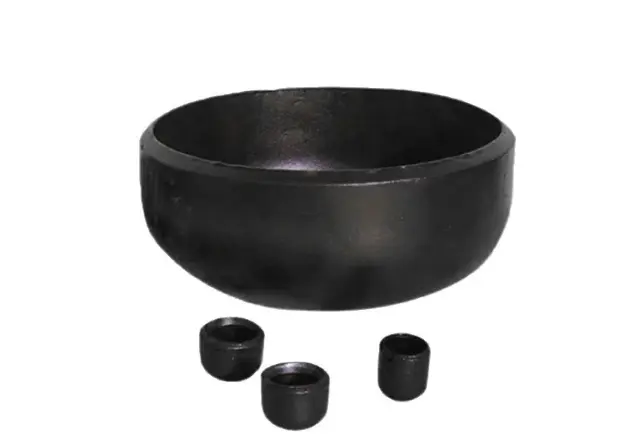
Understanding BW Carbon Steel Caps: Key Features and Specifications
BW carbon steel caps are made to be permanently attached to the ends of pipe systems and are designed to be butt-welded together. Instead of threaded or manufactured joints, these caps make joints that are smooth, strong, and can handle high temperatures and pressures.
What Makes Butt Weld Caps Superior?
The beveled ends of the butt weld design create a trough during welding, making lasting links that won't leak. This way of building gets rid of the weak spots that often occur in threaded fittings and makes the flow inside the fittings easier. Precision forming, controlled heat treatment, and thorough quality checks are all part of Oudi's manufacturing process. These steps make sure that the parts are the right size and strong. Each cap goes through a full check and nondestructive flaw-finding process to keep up with our ISO 9001:2000 certification standards and special equipment production licenses that are accepted all over the world.
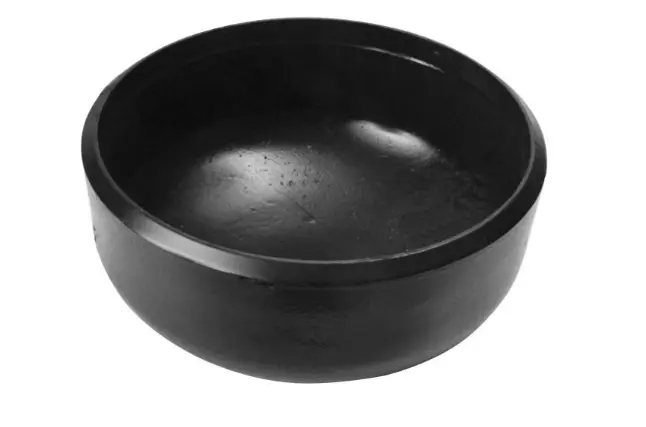
Standard Specifications and Material Grades
BW caps are offered in sizes from 1/2″ (15 NB) to 48″ (1200 NB) and meet ASME/ANSI B16.9 and ASME B16.28 standards. You can choose wall thicknesses from Schedule 5S to XXS, which can handle a range of pressure levels, from normal to high. The most popular grade, ASTM A234 WPB, is great for carbon steel applications because it is easy to weld and has good mechanical qualities. For certain situations, extra grades like WPHY 42, WPHY 52, and WPHY 65 offer more strength. ASTM A420 WPL3 and WPL6 grades are good for low-temperature uses because they stay tough in subzero temperatures without breaking.
Manufacturing Excellence and Certification
We make both seamless and bonded (ERW) versions, based on the size and purpose of the product. For important pressure vessels, seamless caps are stronger, while welded forms are more cost-effective for common uses without lowering quality. Our factory in Mengcun Hui Autonomous County has high-tech production tools that can make 16,000 tons of goods every year. This ability makes sure that large orders are always met, and strict quality control is maintained from buying the raw materials to inspecting the finished goods. Each batch gets material certifications, dimensional reports, and proof of pressure tests. This process makes quality records that can be tracked and meet purchase compliance standards.
How to Choose the Right Pipe Cap: Criteria and Decision Factors?
To choose the best pipe caps, you need to carefully look at them from a number of technical and business points of view. This criteria-based method lowers the risks of buying while making sure that parts work with systems that are already in place.
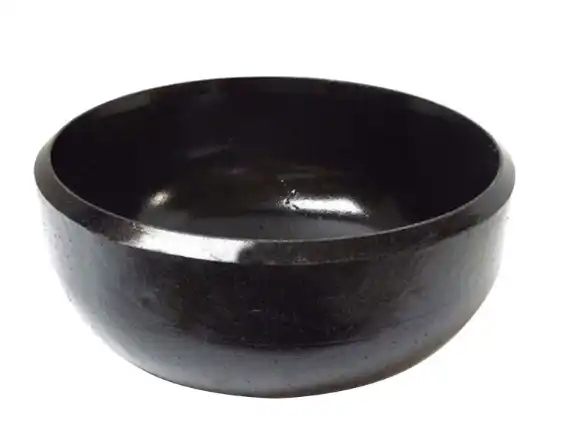
Operating Conditions Assessment
The minimum strength requirements for end caps are set by the working pressure and temperature of your pipeline. For example, Schedule 80 or thicker wall thicknesses are needed for high-pressure gas transmission systems, but Schedule 40 specs are fine for normal water delivery networks. Extreme temperatures affect the choice of material. BW carbon steel caps work consistently between -29°C and 400°C, but some special low-temperature types can be used down to -46°C. Different types of fluids have different needs. Corrosive media may need better materials, like stainless steel, while non-corrosive uses can save money by using carbon steel.
Material Selection Strategy
Because they work well in a wide range of situations, carbon steel caps are commonly used in oil, gas, and water conservation. They withstand mechanical stress well and connect easily to the same pipe materials, so you don't have to worry about galvanic corrosion. Stainless steel alternatives are better at resisting corrosion in chemical processing settings, but they are pricier and may put a strain on project funds. Alloy steel types, such as ASTM A234 WP11 and WP22, are used in high-temperature power plants where carbon steel would soften under long-term heat loads. The choice depends on how well the qualities of the material match up with the problems that exist in the surroundings while also staying within the budget.
Dimensional Accuracy and Fit
The right size makes sure that the fitting goes smoothly and that the seal works well for a long time. The outer sizes of the caps must exactly match the specs of the pipes so that the beveled edges can fit together properly when they are welded. Matching the wall thickness between the cap and the pipe stops load accumulation that weakens the joint. As required by ASME standards, we keep tight tolerances on dimensions and use calibrated testing tools to make sure of measurements. Custom manufacturing can meet needs that aren't standard, but wait times are longer than for stock items. To get accurate quotes and shipping times, buyers should include all measurements in their inquiries, such as the outer circle, wall thickness, and any other unique features.
Supplier Credibility and Support
Certified makers offer important quality guarantees that protect buying investments. ISO 9001 certification shows that quality management is done in a planned way, and special equipment manufacturing licenses show that pressure-bearing components are created according to the rules. Over 300 buyers in 40 countries have bought from us since 1998. They are in Europe, the Americas, Africa, Southeast Asia, and the Middle East. This training helps you understand different regulatory systems and put together documentation packages that meet the needs of regional inspection bodies. Support after delivery, such as installation instructions and guarantee coverage, adds value beyond the sale of the product. It lowers project risks and makes sure that commissioning goes smoothly.
Comparison of BW Carbon Steel Caps with Other Pipe Cap Types
Knowing how different types of caps work helps buyers make smart decisions that fit the needs of the project.
BW Carbon Steel vs. Stainless Steel Caps
BW carbon steel caps are strong mechanically and don't cost too much, so they are a good choice for big building projects. Stainless steel models work best in places that are likely to rust, like chemical plants that handle acidic compounds or remote platforms. Stainless materials often cost two to three times more than other materials. This is normal when corrosion affects the stability of the system, but it is too much for normal uses. The difficulty of welding is about the same for all materials, but to avoid sensitizing, stainless steel requires more controlled heat input. Carbon steel is the best material for normal oil and gas gathering systems, construction pipes, and city water networks because it is safe and lasts a long time.
Forged vs. Butt Weld Caps
Forged caps are very strong because the grains are fine-tuned during production. They are exceptionally suited for ultra-high-pressure uses like hydraulic systems or important nuclear pipes. Forging methods, on the other hand, are much pricier and don't come in as many sizes as made BW caps. It's cheaper and easier to use butt weld caps on bigger diameters, and they're strong enough for most commercial uses. Welded connections spread load evenly across the joint, while forged caps can cause stress peaks in certain areas if they are not placed correctly. If the working conditions don't require pressure rates that are much higher than what is normally allowed for pipes, BW caps offer better value for money.
Threaded and Fabricated Alternatives
Threaded caps let you take off the links, which is useful for repair entry points or short-term closures. They make leak paths possible through the threaded surfaces and lower the pressure ratings compared to parts that are welded. Fabricated caps cut from plate stock are quick to use in the field, but they don't have the same material qualities or dimensions. These differences make the performance difficult to predict when there is repetitive loading or thermal growth. BW caps get rid of these worries by using controlled manufacturing and permanently welded seals. This makes sure that the caps will work reliably for a long time in harsh settings where failure would have major safety and cost effects.
Common Applications and Benefits of BW Carbon Steel Caps
In many fields, where reliable pipeline termination is important for safety and efficiency, BW carbon steel caps are used a lot.
Industry-Specific Applications
Natural gas transportation networks use these caps a lot to end branch lines and mark places where they will grow in the future. The leak-tight welded seal stops rogue fumes that could hurt the environment and the efficiency of operations. Chemical plants use BW caps to safely control dangerous materials by closing reactor vessel nozzles and process pipe dead legs. Carbon steel is strong in wet, acidic settings, which makes it useful for water conservation projects like irrigation systems and treatment plants. In shipbuilding, these valves serve hydraulic, ballast, and fuel systems where limited room calls for small, permanent closures. High-temperature alloy steel caps are used on superheater tubes and pressure vessel penetrations in power-producing boilers. These caps can withstand extreme thermal cycles without breaking down.
Performance Advantages
The butt weld connection method makes parts that are as strong as the parent pipe material. This technique gets rid of weak spots that could let the system fall apart. Threaded connections with exposed threads cause more noise and pressure drop than smooth internal profiles. Because carbon steel is so easy to weld, it can be installed without any special tools or materials, which cuts down on labor costs and project timelines. Following ASME and ASTM standards makes sure that inspection authorities around the world will accept the product, which accelerates the process of getting projects approved and regulatory reports made. Welded caps don't need to be re-tightened or have their seals replaced on a regular basis like mechanical joints do, so they don't need much maintenance.
Cost-Effectiveness Over Lifecycle
The cost of buying BW carbon steel caps at first is less than that of stainless steel or metal options, and they work well enough for most uses. The cost of installation stays low because normal welding methods work with existing pipe materials. When something is operationally reliable, it needs little upkeep and lasts for a long time. Under the right conditions, it can last for more than 20 years. When systems need to be changed, replacement costs stay low because caps can be cut off and new parts can be put in place using standard methods. Because of this lifetime value proposition, carbon steel caps are the best choice for projects that need to stay within their budget without lowering safety or quality standards.
Procurement Guide for BW Carbon Steel Caps: Best Practices for B2B Buyers
A good buying process combines technical needs with business needs, making sure that parts are delivered on time and at a competitive price.
Identifying Qualified Manufacturers
Reliable providers keep their ISO 9001 certifications and government-issued licenses for making special tools up-to-date. The Mengcun industrial zone in Cangzhou is where we do business. It is known as China's pipe fitting manufacturing hub and has great facilities and access to the supply chain. Being close to Tianjin Port makes foreign shipping go smoothly, and the highway links between Beijing and Luzhou speed up distribution within China. Buyers should make sure that the maker can handle large orders—our annual output of 16,000 tons can handle big projects without any production problems. Technical skills are also critical. To make sure the quality of everything we make, we keep up-to-date spectroscopy instruments, ultrasound testing tools, and hydrostatic pressure test facilities for forming, welding, and checking of the BW Carbon Steel Cap.
Pricing and Quotation Factors
Cap prices depend on the type of material, the size, the wall thickness, and the number of caps ordered. Standard schedules of ASTM A234 WPB material have the lowest prices, while unique types cost more. Unit costs go up when the width is bigger than 24 inches because it takes more material and processing steps to make it. Volume savings usually apply to orders of 1,000 pieces or more or to big purchases made for a specific project. Buyers should ask for thorough quotes that include certifications for the materials, standards for size and shape, surface finish, and ways to package the goods. We offer clear pricing with itemized breakdowns, and we can work with both stock supply and unique manufacturing timelines. Letters of credit or advance payments are usually used to pay for foreign orders. Depending on the Incoterms, the full amount is paid when the goods are shipped or delivered.
Delivery and Logistics Considerations
Lead times range from right-away shipping for in-stock items to 4 to 6 weeks for custom fabrications that need to get materials and be made in a special way. Our strategic position, just 120 kilometers from Tianjin Airport and next to major port facilities, gives us a lot of shipping options, such as sea freight for large orders that need to be cheap and air express for urgent needs. You can avoid damage during shipping by using the right packing. For export packages, we use wooden cases that have moisture barriers and shock-absorbing materials. Documentation packages include business bills, packing lists, material certificates, dimensional inspection reports, and any customs clearance papers that are specific to the country. Tracking information and shipment messages keep buyers aware during travel, which lowers uncertainty and lets them get ready to receive the goods.
Post-Purchase Support and Partnership
Technical support goes beyond just delivering products. We offer suggestions on how to weld, help with fitting and debugging, to make sure the project goes smoothly. The warranty covers problems with the way the product was made, and if quality problems happen, we send out new parts right away. Consistent quality, quick communication, and efforts to keep getting better lead to long-term relationships. Because we've exported to more than 40 countries, we know how to deal with different regulatory settings and can provide documentation forms that meet the needs of each area. This knowledge helps buyers get their projects approved more quickly and with less chance of not following the rules.
Conclusion
Picking the correct pipe cap has a big effect on the safety of the pipeline system, its dependability, and the cost of the project. BW carbon steel caps have been used successfully in many different industries because they are easy to make, have high structural strength, and follow all the rules. To make a good choice, you need to carefully look at things like working conditions, material fit, size requirements, and the supplier's abilities. Carbon steel caps are very useful for systems that deal with oil, gas, water, and other industry materials where rust is not a big problem. Because they are cheap, easy to install, and last a long time, they are the best choice for projects that need to balance performance needs with limited budgets. Procurement workers get parts that protect investments and make sure projects succeed by working with certified makers who follow strict quality standards and offer full support services.
FAQ
What distinguishes BW caps from forged caps in practical applications?
BW caps are made by forming metal and connecting it with buttwelds. They are a cheap way to meet normal pressure requirements up to ASME Class 2500. Forged caps are deformed mechanically, which makes the grain structures more polished and stronger for ultra-high pressure specialty uses. Most commercial projects find that BW caps are more than enough and save a lot of money in the process. Forged versions are only worth the extra cost when they have to be used in situations that are beyond what is normally possible or when the specs specifically call for forged construction.
Can carbon steel caps handle high-pressure natural gas pipelines safely?
Of course. As long as they are the right size for the wall thickness, carbon steel caps made to ASTM A234 standards can handle the pressures that come from natural gas transportation. High-pressure collecting systems can depend on Schedule 80 and larger versions. The stability of the material with sweet gas is excellent; sour gas with H₂S may need more attention. We've provided caps for a lot of gas pipeline projects in Southeast Asia and the Middle East, and they've always worked well in tough field situations.
What typical delivery timeframe should buyers expect for bulk orders?
Common-sized things in stock ship three to five business days after we confirm an order. Custom specs that require purchasing materials and special manufacturing usually take 4 to 6 weeks. Orders over 5,000 pieces may take up to eight weeks longer, depending on factory workload. We give you realistic deadlines when we quote, and we keep you up to date on work as we make the product. For pressing needs, expedited production is sometimes possible, but there may be extra costs.
Partner with Oudi for Premium BW Carbon Steel Cap Solutions
To get effective BW carbon steel caps, you need to work with makers who can show they have the skills and are committed to quality all the time. Since 1998, Oudi has been making high-quality pipe fittings for the chemical, building, water conservation, and oil industries around the world. Our ISO 9001:2000 certification and licenses to make special tools ensure that the parts we sell meet strict international standards. With the ability to check more than 16,000 tons per year, we can give you the same high standard whether your project needs 100 or 10,000 pieces.
As a well-known seller of pipe caps made from carbon steel, we know how important these parts are for keeping pipelines together. Our full line of products includes sizes from 1/2 inch to 48 inches, in all common schedules, and is made from ASTM A234 WPB and specialty types. Competitive pricing means that operations are running smoothly without lowering quality. Every batch is checked thoroughly using full inspection methods and nondestructive testing. Technical support is available at all stages of a project, from helping you write the specifications to showing you how to build the final product.
Email our team at oudi-04@oudiguandao.com to talk about your needs for a BW carbon steel cap. We give you thorough quotes, certifications for the materials, and delivery plans that are made to fit the time frame of your job. Oudi offers solutions that improve the reliability and operational performance of your pipeline systems, whether you need instant stock supply or custom fabrications.
References
1. American Society of Mechanical Engineers. (2020). ASME B16.9: Factory-Made Wrought Buttwelding Fittings. ASME International, New York.
2. ASTM International. (2019). ASTM A234/A234M Standard Specification for Piping Fittings of Wrought Carbon Steel and Alloy Steel for Moderate and High-Temperature Service. West Conshohocken, PA.
3. Singh, R. & Kumar, P. (2021). Material Selection and Design of Pressure Vessel Components. Industrial Press, New York.
4. Mohitpour, M., Golshan, H. & Murray, A. (2018). Pipeline Design and Construction: A Practical Approach. ASME Press, New York.
5. Liu, H. (2017). Pipeline Engineering. CRC Press, Boca Raton, Florida.
6. International Organization for Standardization. (2015). ISO 9001:2015 Quality Management Systems—Requirements. Geneva, Switzerland.

Need help finding the right solution with our experts. Please contact us.

SINCE 1998 Your Reliable Pipeline Manufacturer



