Standard Reducer Size Chart: Dimensions for Every Industry
When choosing pipe parts for industrial use, it's important to know the standard reducer measurements to make sure the system works well and safely. As the link between pipes of different sizes, a pipe reducer makes sure that the flow of fluids goes smoothly while the pressure stays the same. Accurate reducer size is important for many industries, from oil and gas to water treatment, to make their pipe systems work better. For engineers, procurement specialists, and system designers, this complete guide includes important measurement charts and selection criteria that will help them make smart choices that will improve overall performance and cut down on costly installation mistakes.
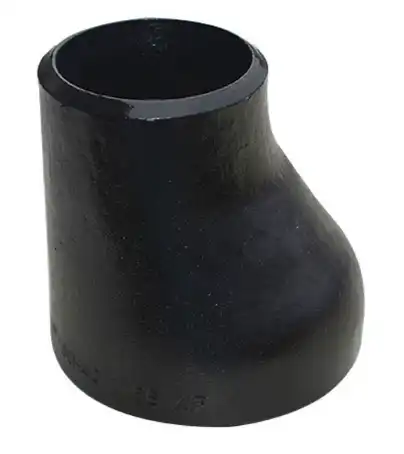
Understanding Standard Reducer Dimensions
The basic structure of pipe reducers includes a number of important dimensions that have a direct effect on how well they work and how well they work with other systems. Knowing these specs helps you make the right choice and makes sure that the new pipe fits in perfectly with the old one.
Types of Pipe Reducers and Their Dimensional Characteristics
Concentric reducers have the shape of a uniform cone, which means that the centerlines of both pipes line up exactly. These fittings keep the flow going in the same way and work really well for installs that go up and down. The large end diameter, small end diameter, and overall length of a circular reducer are all specified. The overall length changes depending on the difference in size between the pipes that are joined. When it comes to eccentric reducers, one side is flat, and the other side has a sloped shift. When gravity draining or air removal is needed for horizontal pipe runs, this arrangement is very helpful. The flat side layout lets you place the system in a way that keeps liquid from pooling or air from getting trapped inside.
Key Dimensional Parameters for Reducer Selection
Wall width is an important factor that affects both the strength of a structure and how it flows. Standard wall widths match pipe rate ratings, which makes sure that reducers and linking pipes work together. By choosing the right width, you can avoid stress concentration points that could cause the material to fail too soon under operating pressures. Length measurements are very different depending on the size reduction ratio and the standards used for production. The ANSI B16.9 standards give standard length methods that make sure there are enough flow transition zones while keeping the room needs as low as possible. In these calculations, fluid dynamics rules are used to keep the system from losing pressure and turbulence, which could make it less effective. Dimensional limits and thermal expansion properties are directly affected by the materials used. Carbon steel reducers made to ASTM A234 standards have great physical stability for normal temperature uses. Stainless steel versions, on the other hand, are more resistant to corrosion and have slightly different thermal expansion qualities.
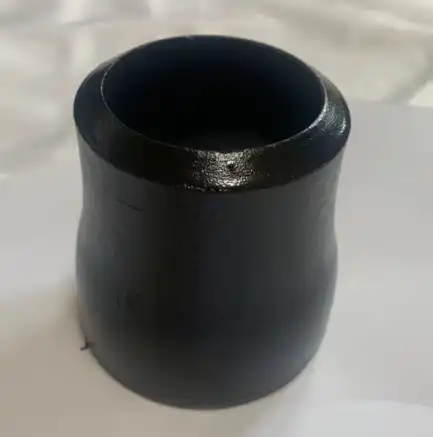
How to Choose the Right Reducer Size for Your Industry Needs?
To choose the right reducer dimensions, you need to carefully look at the factors that are specific to the system and the working needs. To get the best speed and long-term dependability, engineers have to look at many things at once.
Flow Rate and Pressure Considerations
To figure out the right size reducer, you must first know the system's mass flow rates and pressure drop limits. Changes in velocity and pressure losses are directly related to the reduction ratio between the input and exit diameters. Most of the time, gradual changes in size work better than sudden ones, especially in high-flow situations. Compatibility with pressure ratings makes sure that the system works safely under planned conditions. Reducers must match or go beyond the pressure levels of the pipes and other parts of the system that are tied to them. There are standard pressure classes of 150, 300, 600, 900, 1500, and 2500. Each class lists the highest pressures that can be used at a certain temperature.
Industry-Specific Sizing Requirements
In oil and gas uses, reducers need to be able to handle high-pressure hydrocarbon streams with little flow restriction. For these systems to work, the changes need to be made to special materials that can handle hydrogen sulfide and other toxic chemicals. It's important to be accurate with measurements to stop leak lines that could pose a safety risk. Chemical processing plants need reducers that can stand up to harsh media and keep their exact dimensions. Chemical compatibility, the effects of changing temperatures, and the need to clean must all be taken into account during the choosing process. To meet legal standards, pharmaceutical uses may need special surface finishes and paperwork. There are different kinds of reducers that are used in water treatment systems to control the flow and pressure. To make upkeep and stocking management easier, municipal water systems often stick to certain size ranges. In these uses, resistance to rust and long service life are more important than high-pressure powers.
Comparative Guide to Reducer Types and Their Applications
In industrial pipe systems, different types of reducers are used for different tasks. Engineers can choose the best options for their needs when they understand these uses.
Material Options and Performance Characteristics
For normal temperature and pressure situations, carbon steel reducers are a cost-effective option. These fittings are easy to weld and have good mechanical qualities that make them perfect for most industrial settings. The ASTM A234 WPB material standards make sure that all makers produce the same high-quality products that are the right size. Stainless steel varieties work well in places where corrosion is a problem and where temperatures are high. Grade 316L stainless steel reducers don't rust when exposed to salt and stay strong even when heated up. The choice of material affects both the original cost and the economics over the whole lifecycle, especially in uses that need a lot of maintenance. Alloy steel reducers work well in high-temperature and high-pressure situations where regular materials don't work well. Chrome-molybdenum metals are better at stopping creep in high-temperature steam systems, and different compositions can handle different chemical situations.
Application-Specific Sizing Charts
Power plants need reducers that are made for steam and wastewater systems that work at high temperatures. Main steam lines usually come in sizes starting at 24" x 20", then 20" x 16", then 16" x 12", and finally 12" x 10". For these uses, careful control over dimensions is needed to keep heat stress from building up. To keep energy losses to a minimum, HVAC systems use reducers with smaller diameters and focus on smooth flow changes. Sizes for homes and businesses usually range from 6" x 4" to 2" x 1", and there are certain designs that work best for moving air and cold water. When preparing food and drinks, you need sanitary-grade reducers with smooth insides and proven ways to clean them. For these uses, tri-clamp links and special paperwork are often needed to make sure they follow FDA rules.
Maintenance, Installation, and Lifecycle Considerations for Reducers
Correct installation and upkeep methods have a big effect on the service life of the reducer and the stability of the system. Following set rules keeps things from breaking down too soon and makes sure they work at their best throughout the working lifecycle.
Installation Best Practices
Accurate alignment during installation stops stress buildup and wear before its time. External loads that could change the shape of the reducer and cause leak paths can't happen if the pipe is properly supported. To make sure the joint is strong without changing the properties of the base material, approved methods must be followed during the welding process. The type of flange and the conditions of work affect how the gasket is chosen and installed. To ensure even filling and to keep the gasket from coming out or getting damaged, use the right torque steps. Setting up regular review times helps find early signs of wear and tear before they become problems.
Maintenance Protocols and Troubleshooting
Regular checks look for rust on the outside, mechanical damage, and the stability of the joints. In corrosive settings, non-destructive measuring methods like ultrasonic thickness readings can help figure out how thick the wall is still. Trend analysis lets you plan repairs ahead of time so that unexpected downtime happens less often. When cleaning, both the process media and the cleaning agent need to be compatible with the lowering materials. For some uses, washing processes that have been tested and shown to work are needed. Having the right paperwork helps you follow the rules and figure out how often to do upkeep.
Oudi: Your Trusted Partner for Premium Pipe Reducers
Cangzhou Oudi Pipe Manufacture Co., Ltd. has been making high-quality pipe reducers since 1998, making them one of the best in the world. Reducers made to foreign standards like ANSI, DIN, JIS, and BS are part of our wide range of products. They are made from carbon steel, stainless steel, and alloy steel.
Quality Assurance and Certifications
Our quality management system, which is ISO 9001:2000 approved, makes sure that the quality of our products is always the same, from checking the raw materials to testing them for quality. The People's Republic of China special equipment making license proves that we follow the rules and have the right technical skills. For every package, high-tech inspection tools allow for full measurement verification and non-destructive testing. Material traceability, dimensional checking, pressure testing, and surface finish proof are all parts of the full quality assurance process. Our expert team works closely with customers to make sure they choose the right reducer for their needs. More than 300 customers in 40 countries around the world accept this all-around method.
Global Service Excellence
Our yearly production capacity of 16,000 tons lets us meet delivery dates for projects of all kinds. Because it is close to Tianjin Port, it is easy to ship goods to places around the world, such as Europe, North America, South America, Africa, Southeast Asia, and the Middle East. Local product management and fast shipping choices help meet the needs of urgent projects. Technical support services include advice on size, help with choosing materials, and suggestions based on the purpose. Our skilled engineers work with customers to make sure that the configurations of reducers meet their unique needs. This method of consulting makes sure that installations go well and that customers are happy with the performance for a long time.
Conclusion
To choose the right pipe reducer dimensions, you need to carefully think about the needs of the system, the working factors, and the standards in your business. This complete guide gives you all the information you need to make smart decisions and get the most out of your system. Choosing the right reducer has an effect on flow efficiency, pressure stability, and long-term dependability in a wide range of industry settings. Working with experienced makers who know about these important factors will help your project go smoothly and reduce the number of mistakes that cost a lot to fix during installation.
FAQ
What are the standard dimension ranges for industrial pipe reducers?
Standard pipe reducers come in sizes from 1/2" x 3/8" for small jobs to 48" x 36" for big industrial systems. Most size progressions are based on NPS (Nominal Pipe Size) standards, and one or two pipe sizes are usually cut down. Length measurements change depending on the reduction ratio. For smooth flow, longer transition zones are needed when there are bigger size differences.
How do I determine the correct reducer type for my application?
Concentric reducers work best in steep setups and situations where keeping the centerline straight is very important. When gravity drainage or air removal is needed for straight runs, eccentric reducers are the best choice. When choosing between these designs, you should think about things like the direction of flow, the orientation of the installation, the amount of room you have, and the properties of the fluid.
What material standards should I specify for different industries?
Materials like ASTM A234 WPB carbon steel or ASTM A403 stainless steel are often needed in oil and gas uses. For rust protection, 316L stainless steel is often used in chemical processing. Chrome-molybdenum metals may be needed for high-temperature work in power generation. Always talk to experts on the material to make sure it will work with the conditions of the process.
Can reducers be customized for non-standard dimensions?
Yes, a lot of companies, including Oudi, can make special reducers for specific uses. Custom choices include non-standard size pairings, unique materials, different ways to connect the ends, and changed length measurements. Custom manufacturing usually has longer wait times and minimum order quantities, but it can help solve problems in the best way possible.
Contact Oudi for Expert Pipe Reducer Solutions
Are you ready to improve your pipe system with precision-engineered reducers? Oudi makes high-quality pipe reducers and has been doing so for 25 years. They are also ISO 9001 certified. Our technical team offers personalized size advice and reasonable prices for both standard and unique setups. For full product catalogs, technical specs, and quotes on bulk orders, please email our pipe reducer experts at oudi-04@oudiguandao.com. Discover the dependability that more than 300 customers around the world rely on for their most important pipe needs.
References
1. American Society of Mechanical Engineers. "ASME B16.9 - Factory-Made Wrought Buttwelding Fittings." ASME International Standards, 2018.
2. American Society for Testing and Materials. "ASTM A234 Standard Specification for Piping Fittings of Wrought Carbon Steel and Alloy Steel for Moderate and High Temperature Service." ASTM International, 2019.
3. Crane Technical Paper. "Flow of Fluids Through Valves, Fittings, and Pipe." Crane Co., 2013.
4. International Organization for Standardization. "ISO 3419 - Non-alloy and Alloy Steel Butt-welding Fittings." ISO Publications, 2020.
5. Nayyar, Mohinder L. "Piping Handbook: Seventh Edition." McGraw-Hill Professional, 2019.
6. Perry, Robert H. and Green, Don W. "Perry's Chemical Engineers' Handbook: Eighth Edition." McGraw-Hill Professional, 2018.

Need help finding the right solution with our experts. Please contact us.

SINCE 1998 Your Reliable Pipeline Manufacturer



