Steel Concentric Pipe Reducer Supplier Guide for Global Procurement
Selecting a reliable Steel Concentric Pipe Reducer supplier demands careful evaluation of manufacturing capabilities, certification compliance, and global supply chain experience. This comprehensive guide addresses the critical procurement considerations for industrial buyers in oil, chemical, natural gas, and water conservancy sectors, helping you identify suppliers who deliver dimensional precision, material traceability, and consistent quality across international markets.
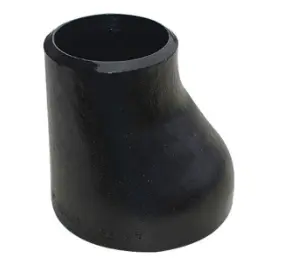
Understanding Steel Concentric Pipe Reducer Design and Industrial Applications
A steel pipe circular reducer is an intermediate fitting that keeps the centerlines of pipes of different sizes aligned. Because they are uniform and cone-shaped, these fittings are required for vertical pipe systems where even flow stops damage from turbulence and erosion. Concentric reducer fittings are very important in fields that need high-pressure discharge systems. They are used in boiler feed lines at power plants. They are put in vertical reactor lines in chemical manufacturing plants. They are used in shipbuilding projects for ballast and fuel transfer systems. The centred design evenly spreads the hoop stress across the fitting body, giving it structural stability that other designs that aren't centred can't match in vertical uses.
The main benefit comes from the way the flow works. When fluids move vertically, gravity naturally helps them drain, so there are no problems with air pockets like there are with horizontal setups. Because of this, the circular form works best for discharge lines, lift pipes, and any other vertical arrangement where keeping the velocity profile steady is important. The choice of material has a direct effect on the working life. When cost is important, carbon steel reducers are the best choice for water conservation and building. Different types of stainless steel can stand up to acidic media in food and drug handling facilities. In plant cracking units and petroleum processors, alloy steel can handle high temperatures.
If you know when to use a circular or eccentric reducer, you can avoid having to make expensive changes to the field. To keep cavitation from happening, all pump flow lines need eccentric reducers. For vertical outflow pipes, the design must be concentric. During the purchase process, making this difference saves time for engineers and cuts down on mistakes made during installation.
Critical Quality Control Parameters for Industrial Pipe Reducer Procurement
For any pipe reducer size chart standard, quality assurance starts with making sure the measurements are correct. ASME B16.9 sets very strict limits for the regularity of face-to-face length and wall thickness. Even a small change of 3 mm at the transition zone can make it harder for the weld to penetrate during field installation, which can cause leaks or failure before it should. Handheld XRF analysis for Positive Material Identification is now a must in modern buying. Within seconds, this technology checks the material test results against the chemical makeup. The exact amounts of carbon, manganese, sulphur, and minor elements like chrome and nickel must match the grades that have been set. Every year, galvanic corrosion between metals that are not the same costs businesses millions of dollars. PMI testing stops this risk at its source.
Non-destructive testing finds problems inside that can't be seen from the outside. Laminations can be found in Steel Concentric Pipe Reducer seamless pipe reducer bodies using ultrasound. Radiographic testing shows where there are holes in welded seams. During pressure cycles, stress builds up in the place where the cone hits the straight part. In this area, cracks in the ground move when the temperature rises, so NDT is necessary for important service jobs. Impact testing tells us how well something works at low temperatures. Charpy V-Notch testing at -46°C makes sure that parts stay flexible in LNG service at cold temperatures or in arctic pipeline projects. Failures due to brittle fracture in cold areas have been very bad; this one test stops those kinds of disasters.
Hydrostatic proof testing proves that the ability to control pressure is real. Testing the fitting at 1.5 times its design pressure shows that it can handle operating loads with a safety cushion. Reputable makers record test results that can be linked to specific heat numbers. This makes it possible to fully trace back if problems happen in the field.
Material Standards and Specifications That Define Pipe Reducer Performance
ASTM A234 WPB carbon steel dominates general-purpose applications across construction and water systems. This workhorse material offers excellent weldability, moderate strength, and cost-effectiveness for ambient temperature service up to 400°C. Its widespread availability and established fabrication procedures make it the default choice for non-corrosive environments.
Stainless steel grades under ASTM A403 address corrosion challenges. WP304 provides general corrosion resistance in food processing and pharmaceutical installations. WP316L adds molybdenum for superior pitting resistance in marine environments and chloride-bearing systems. The austenitic structure maintains ductility across temperature ranges, though at significantly higher material cost.
Alloy steel pipe reducer options like ASTM A234 WP11 and WP22 serve high-temperature applications. Chromium-molybdenum alloys retain strength at elevated temperatures found in steam generation and refinery processing. These materials require post-weld heat treatment to restore metallurgical properties, adding fabrication complexity but enabling service temperatures exceeding 550°C.
Wall thickness designation through schedule numbers ensures compatibility with connecting pipes. Schedule 40 suits low-pressure systems. Schedule 80 handles moderate pressures common in industrial facilities. XS and XXS designations provide extra thickness for high-pressure or erosive service. Matching reducer wall thickness to pipe schedule eliminates stress concentration at butt weld reducer joints.
Dimensional conformance to ASME B16.9 guarantees interchangeability between manufacturers. An NPS 6x4 reducer from any compliant supplier maintains identical face-to-face dimensions, enabling competitive bidding without engineering redesign. This standardization reduces inventory complexity for maintenance operations supporting multiple facilities.
Evaluating Global Suppliers: Certifications and Manufacturing Capabilities
ISO 9001 certification demonstrates systematic quality management, yet verification depth matters more than certificate existence. Audit the supplier's document control procedures. Examine calibration records for inspection equipment. Review non-conformance reports and corrective action implementations. Surface-level compliance differs vastly from embedded quality culture.
Special equipment manufacturing licenses indicate regulatory approval for pressure vessel components, including Steel Concentric Pipe Reducer. In jurisdictions requiring such licensure, suppliers without proper credentials cannot legally fabricate pressure-retaining fittings. Verify license scope covers the specific product categories and pressure classes your projects demand. Production capacity directly impacts supply chain reliability. A facility producing 16,000 tons annually can support large-scale projects without compromising delivery schedules. Smaller operations may offer competitive pricing but struggle with volume orders, creating project delays. Matching supplier capacity to procurement volume prevents bottlenecks.
Advanced inspection equipment separates capable manufacturers from basic fabricators. Spectroscopy labs enable in-house chemical analysis. Ultrasonic thickness gauges verify wall uniformity. Hydrostatic test beds validate pressure ratings. Suppliers lacking these capabilities outsource critical testing, introducing delays and quality control gaps. Export experience to your target market reduces logistical friction. Suppliers familiar with European certification requirements understand EN 10253 nuances. Those serving Middle Eastern markets navigate local inspection agency protocols. North American experience translates to ASME compliance understanding. This geographic expertise accelerates approval processes and documentation preparation.
Navigating International Standards for Concentric Reducer Specifications
ASME B16.9 dominates North American and international project specifications. This standard defines dimensions for factory-made wrought butt welding fittings from NPS 1/2 through NPS 48. Understanding tolerance bands for length, diameter, and wall thickness enables accurate material requisitions and prevents field fit-up issues. European projects reference EN 10253 for steel butt welding pipe fittings. While dimensionally similar to ASME standards, subtle differences exist in tolerance ranges and material designation systems. Suppliers experienced in both standards can crosswalk requirements, ensuring compliance regardless of specification origin.
JIS B2313 governs Japanese industrial projects and influences Southeast Asian specifications. Dimensional conventions differ slightly from Western standards, particularly in wall thickness designation methods. Suppliers serving Asian markets maintain familiarity with these requirements, preventing specification confusion. DIN 2605 remains prevalent in German-engineered projects despite EN standardization efforts. Legacy installations and maintenance projects still reference DIN dimensions. Suppliers with European manufacturing history understand these older specifications, supporting brownfield project needs.
British Standard BS 1965 appears in infrastructure projects across former Commonwealth nations. African and South Asian projects frequently specify BS dimensions. Suppliers with established distribution in these regions stock BS-compliant inventory, enabling faster delivery than custom fabrication. Understanding how concentric reducer flange connections integrate with these standards prevents interface problems. Flange drilling patterns, gasket surfaces, and bolt hole dimensions must align across the piping system. Experienced suppliers provide compatible component recommendations rather than isolated fitting quotations.
Technical Considerations for Pipe Reducer Installation and System Integration
Bevel angle preparation directly affects weld quality during reducer pipe installation. Standard 37.5° ±2.5° bevels suit wall thicknesses under 22mm, enabling single-pass GTAW root passes followed by SMAW fill. Thicker walls require compound bevels with land faces, facilitating deep penetration welding that fully fuses the joint cross-section.
Fit-up tolerance management prevents costly rework. A 1.5mm gap between mating bevels provides adequate root opening for penetration without excessive consumable usage. Misalignment beyond 1.5mm creates high-low conditions that concentrate stress and complicate radiographic inspection interpretation. Tack welding strategy influences final joint integrity. Three symmetrically placed tacks at 120° intervals stabilize alignment during root pass welding. Excessive tack welds restrict thermal contraction, increasing residual stress and distortion risk. Experienced fabricators balance stability against flexibility.
Post-weld heat treatment requirements depend on material grade and service conditions. Carbon steel WPB in non-cyclic service often requires no PWHT. Alloy steel grades universally demand controlled heating cycles to temper weld zone hardness and restore ductility. Skipping required heat treatment invites brittle fracture during operation. Inspection acceptance criteria vary by application severity. ASME Section VIII Division 1 allows certain porosity levels in non-critical service. ASME B31.3 Process Piping imposes stricter limits for flammable fluid service. Understanding applicable code requirements prevents over-inspection waste or under-inspection risk.
System pressure testing validates installation integrity. Pneumatic testing with air risks explosive failure if defects exist—hydrostatic testing with water provides safer verification. Test pressure calculations account for temperature derating and joint efficiency factors, ensuring conservative validation before commissioning.
Procurement Strategy: Building Reliable Supply Relationships
Single-source dependency creates supply chain vulnerability. Qualifying multiple suppliers for equivalent specifications provides negotiating leverage and continuity insurance. However, excessive fragmentation complicates quality management and dilutes purchasing volume discounts.
Strategic supplier partnerships extend beyond transactional purchasing. Technical collaboration during design phases enables value engineering that reduces material costs without compromising performance. Suppliers with application engineering resources identify opportunities for standardization that simplify inventory management. Framework agreements with established pricing and delivery terms accelerate project execution. Pre-negotiated schedules eliminate repetitive commercial negotiations for each call-off. Quality hold points and inspection witness arrangements become standardized, reducing coordination overhead.
Consignment inventory arrangements shift working capital burden while ensuring material availability. Suppliers maintain agreed stock levels at regional warehouses, billing only upon withdrawal. This model suits high-volume users with predictable consumption patterns. Performance metrics track supplier reliability beyond price. On-time delivery rates, documentation accuracy, and non-conformance frequency quantify relationship value. Annual business reviews using these metrics drive continuous improvement and align expectations.
Global Logistics and Documentation Requirements
International shipping documentation demands meticulous attention. Commercial invoices must accurately describe goods using HS tariff codes that reflect actual product classification. Errors trigger customs delays and potential penalty assessments. Material test certificates require specific content for import clearance. Chemical composition, mechanical properties, and heat treatment records must reference international standards recognizable to destination country authorities. Generic certifications lacking traceable test data face rejection.
Packing list detail affects customs clearance speed. Itemized descriptions with individual piece weights, dimensions, and quantities enable physical verification without unpacking entire containers. Vague descriptions invite invasive inspection, causing delays. Certificate of origin establishes preferential duty treatment under trade agreements. Free trade agreements reduce or eliminate import duties, significantly affecting landed cost. Proper origin documentation captures these savings.
Third-party inspection arrangements satisfy project quality requirements while managing risk. Buyers specify inspection agencies, test witnessing protocols, and acceptance criteria. Coordinating inspector access with production schedules prevents manufacturing delays. Insurance coverage protects investment during international transit. Marine cargo policies covering CIF value plus 10% margin compensate for loss or damage. Understanding coverage exclusions prevents unpleasant claim denial surprises.
Cost Analysis Beyond Unit Price
Total cost of ownership for Steel Concentric Pipe Reducer extends beyond purchase price. Transportation expenses vary significantly based on shipping method, packaging efficiency, and routing. Ocean freight offers low per-ton costs but longer lead times. Air freight accelerates delivery at premium rates. Inspection and testing requirements add verifiable cost. Witness inspections require travel expenses and inspector day rates. Laboratory testing for mechanical properties and chemical analysis carries per-sample fees. Budgeting these items prevents procurement overruns.
Inventory carrying costs accumulate on pipeline stock. Capital tied in inventory, warehouse space charges, and obsolescence risk compound over time. Just-in-time delivery strategies minimize these expenses but demand reliable supplier performance. Quality failure costs dwarf material savings from low-bid procurement. A single pressure boundary failure causing production downtime or safety incidents generates losses exceeding the entire fitting purchase value. Risk-adjusted cost analysis weights supplier quality history appropriately.
Payment term negotiation affects cash flow. Standard 30-day terms suit established relationships. New supplier engagement may require letters of credit, adding banking fees. Early payment discounts offering 2% for payment within 10 days merit evaluation against working capital costs. Currency fluctuation introduces financial risk on international transactions. Forward contracts lock exchange rates, providing budget certainty. Natural hedging through revenue-expense currency matching reduces exposure without derivative instruments.
Emerging Trends in Pipe Fitting Manufacturing and Procurement
Digital twin technology enables virtual fit-up verification before fabrication. 3D models of entire piping systems identify interference issues and optimize component routing. This front-end engineering investment reduces field modification costs substantially. Automated welding systems improve consistency in high-volume production. Orbital welding equipment delivers repeatable penetration and bead profile, reducing radiographic rejection rates. Initial capital investment yields long-term quality benefits.
Traceability blockchain applications provide immutable material certification records. Each fitting receives a unique digital identity linked to mill test reports, inspection results, and shipping documentation. This transparency enhances quality assurance and simplifies audits. Sustainability considerations influence material selection and supplier evaluation. Carbon footprint calculations compare manufacturing process energy intensity. Recycled content percentages appeal to projects with environmental performance targets.
Additive manufacturing explores custom-fitting geometries impossible through traditional forming. Metal 3D printing enables lattice internal structures that reduce weight while maintaining strength. Current costs limit application to specialized aerospace and defense projects. Predictive maintenance integration uses IoT sensors monitoring pipe reducer stress and corrosion. Real-time data enables condition-based replacement rather than time-based schedules, optimizing maintenance budgets and preventing unexpected failures.
Conclusion
Procuring steel concentric pipe reducers for critical industrial applications demands comprehensive supplier evaluation beyond price comparison. Manufacturing capabilities, quality system maturity, certification compliance, and global supply chain experience separate reliable partners from transactional vendors. Understanding dimensional standards, material specifications, and inspection requirements enables informed procurement decisions that prevent costly field issues. Building strategic relationships with qualified suppliers delivers long-term value through technical collaboration, supply continuity, and total cost optimization. The complexity of international logistics, documentation requirements, and payment terms necessitates experienced guidance—partnering with established manufacturers offering proven export credentials simplifies these challenges while ensuring the quality your projects demand.
FAQ
1. What differentiates a concentric reducer from its eccentric counterpart?
Centerline alignment defines the distinction. Concentric reducers maintain coaxial alignment between inlet and outlet, creating a symmetrical cone shape ideal for vertical piping. Eccentric reducers offset one edge flat, preventing air pockets in horizontal runs. Using the wrong type causes operational problems—concentric reducers trap air in horizontal pump suction lines, causing cavitation damage.
2. Can wall thickness vary along the reducer length?
Standard manufacturing maintains uniform wall thickness matching the larger pipe schedule. Critical high-pressure applications sometimes specify "bored to match" internal profiles where the smaller end transitions to match the downstream pipe wall. This customization requires special fabrication and increases cost.
3. How does manufacturing method affect performance?
Seamless reducers machined from solid bar stock eliminate weld seam concerns, providing maximum reliability for cyclic service. Welded reducers fabricated from plate offer cost advantages in larger sizes where seamless manufacturing becomes impractical. Both methods deliver reliable service when properly inspected.
4. What determines face-to-face length?
ASME B16.9 standardizes length based on the larger diameter. An NPS 6x4 reducer maintains the same length regardless of manufacturer, ensuring interchangeability. This standardization simplifies installation planning and eliminates custom fitting concerns.
Why Oudi Stands as Your Trusted Steel Concentric Pipe Reducer Manufacturer
Oudi has manufactured precision steel pipe fittings since 1998, serving over 300 customers across 40 countries with proven quality and reliable delivery, including Steel Concentric Pipe Reducer. Located in China's premier fitting production zone, our 66,600 square meter facility combines advanced forming equipment with rigorous inspection protocols, producing 16,000 tons annually of carbon steel, stainless steel, and alloy steel components. ISO 9001 certification and special equipment manufacturing licenses validate our quality systems, while complete material traceability from raw material receipt through final shipment ensures every concentric reducer meets your exact specifications. Whether you need ASME B16.9 dimensions for North American projects, EN 10253 compliance for European installations, or JIS specifications for Asian markets, our engineering team provides technical support that accelerates procurement and prevents costly specification errors. Contact our export team at oudi-04@oudiguandao.com to discuss your pipe reducer requirements—we deliver the quality, capacity, and documentation that global projects demand.
References
1. American Society of Mechanical Engineers. (2020). ASME B16.9: Factory-Made Wrought Buttwelding Fittings. ASME International, New York.
2. European Committee for Standardization. (2018). EN 10253: Butt-Welding Pipe Fittings - Part 2: Non-Alloy and Ferritic Alloy Steels with Specific Inspection Requirements. CEN, Brussels.
3. British Standards Institution. (2015). BS 1965: Butt Welding Pipe Fittings for Pressure Purposes - Part 1: Carbon Steel. BSI Group, London.
4. Japanese Industrial Standards Committee. (2019). JIS B2313: Steel Butt-Welding Pipe Fittings. Japanese Standards Association, Tokyo.
5. ASTM International. (2021). ASTM A234/A234M: Standard Specification for Piping Fittings of Wrought Carbon Steel and Alloy Steel for Moderate and High Temperature Service. ASTM, West Conshohocken.
6. Deutsches Institut für Normung. (2017). DIN 2605: Pipe Bends, Elbows and Branches Made of Steel for Welding. Beuth Verlag, Berlin.

Need help finding the right solution with our experts. Please contact us.

SINCE 1998 Your Reliable Pipeline Manufacturer



