Durability of carbon steel elbows in water treatment applications
Pipelines in both public and private buildings stay in good shape thanks in large part to the fact that water treatment carbon steel elbow parts last a long time. When these fittings are used to handle water, they are made to withstand the harsh conditions that come with it, such as chemical exposure, changing pressures, and steady flow patterns. A lot of modern water treatment plants use carbon steel elbows because they are strong for the price and have worked well in the past when things got tough. Facility managers can make decisions that improve both performance and management costs when they know what makes things last longer.
Understanding Carbon Steel Elbows in Water Treatment
In water treatment systems, bends made of carbon steel are an important part of pipes that change the flow of fluid. They are made to meet well-known standards like DIN 2605, ASTM A234, and ANSI B16.9. This means they can be used in many different workplace settings. The main thing they do is change the pipeline's direction while keeping the construction strong at 150 PSI to 3000 PSI.
Manufacturing Standards and Specifications
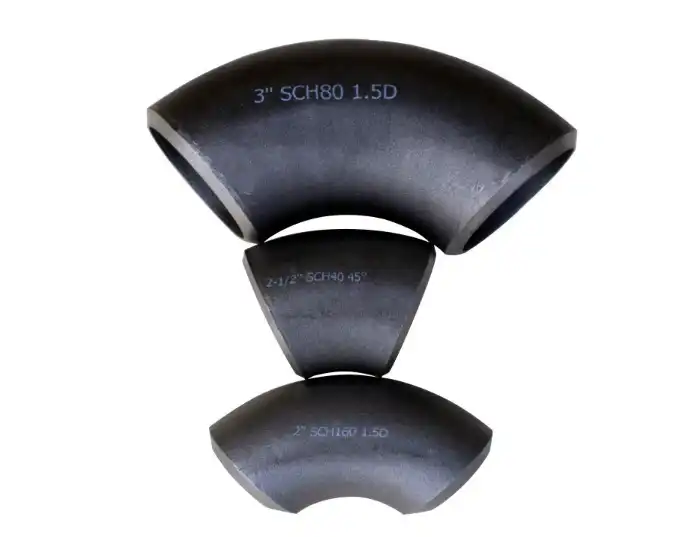
When carbon steel pipe elbows are made, they have to meet strict quality standards that control how the material is made, how well it works, and how accurately the measurements are taken. The ASTM A234 WPB grade is the most common standard for use in water treatment because it has the best mix of mechanical qualities and cost-effectiveness. Because of these rules, materials need to have a certain amount of carbon, tensile strength, and impact protection in order to work well in wet places.
Design Variations and Applications
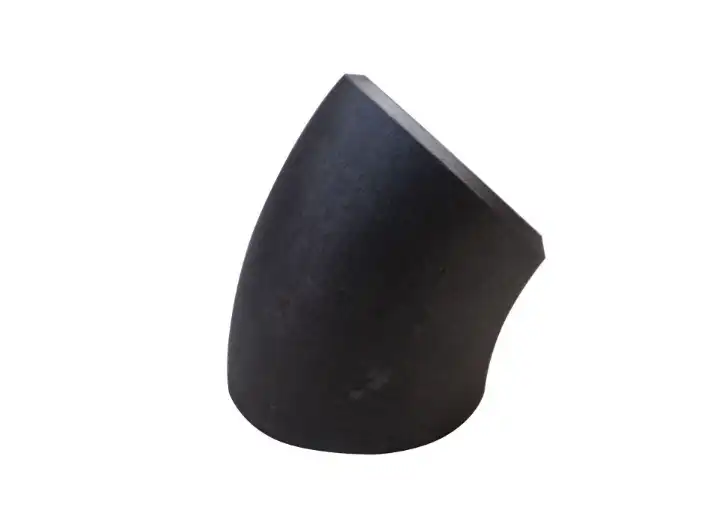
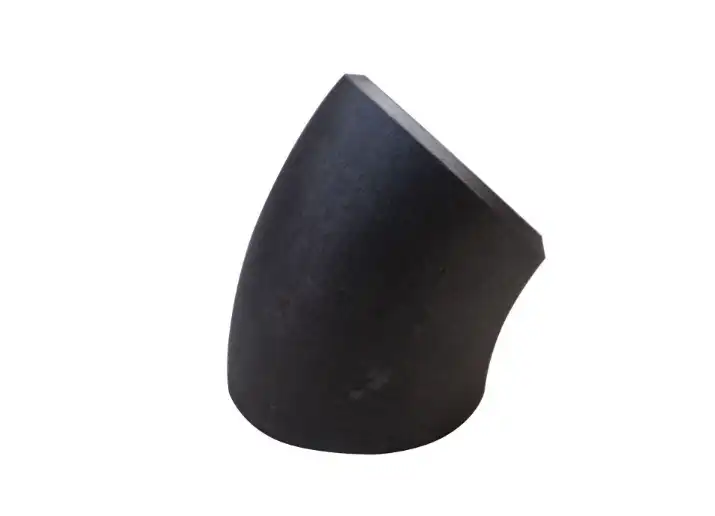
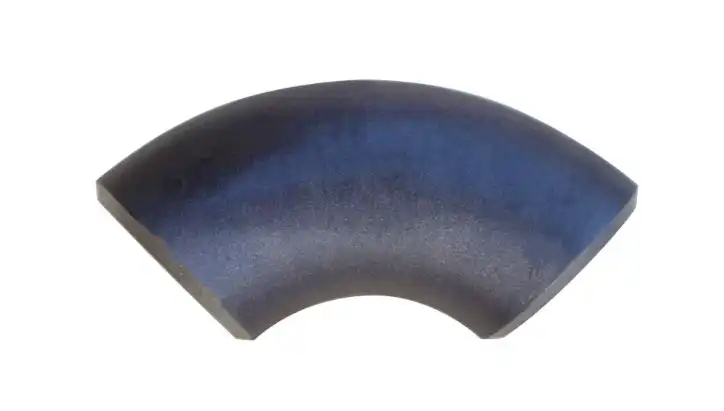
There are many forms and sizes of carbon steel bends to meet the needs of different pipes. The 90-degree short radius elbow makes it easy to switch ways in small areas. The long radius elbows, on the other hand, keep pressure drops to a minimum when there is a lot of flow. There are also 45-degree bends that let you change ways in the middle. This makes it easier to make complicated pipe plans. With these changes to the design, engineers can make the flow better while keeping the efficiency of the system high.
Factors Influencing the Durability of Carbon Steel Elbows
There are a lot of things that affect how long carbon steel elbows last in water treatment settings. These things all affect how stable and reliable their structure is. These parts should last between 15 and 25 years, but this relies on the materials used, the quality of the fitting, and how well they are taken care of.
Corrosion Resistance and Protection Methods
When used in water treatment, rust is the main thing that can make a carbon steel elbow last less long. Without the right safety measures, polluted water, changing pH levels, and salts that dissolve in water can break down things more quickly. Cathodic protection devices, epoxy coats, and galvanization are all good ways to stop rust. All of these stop electrical reactions from taking place.
Protective coats keep the steel base from coming into direct contact with harmful agents, which makes parts last much longer. Zinc galvanization provides security that doesn't depend on the safety of the covering and still works even if it is broken. Fused epoxy coatings are very resistant to chemicals and stick well to everything. These protective steps can make them last 40 to 60 percent longer than choices that aren't covered.
Material Quality and Manufacturing Excellence
Good materials are used to make water treatment carbon steel elbows that last a long time. Cracks caused by stress, rust, and fatigue are less likely to show up in high-grade carbon steel that has a set chemical makeup. While the product is being made, quality standards are met by making sure that the right heat treatment, measurement control, and non-destructive tests are done on each run.
Hot forming and precision welding are two modern ways of making things that help improve the quality of materials and spread out stress. These ways make the material's grain structures more uniform, which makes it stronger against force and pressure. In this way, water treatment plants can keep working well even when their loads change a lot.
Comparison of Carbon Steel Elbows with Alternatives for Water Treatment
Plans for a water treatment plant have to look at a number of different materials for pipeline parts. Each has its own pros and cons. When it comes to cost, chemical compatibility, and durability, carbon steel elbows are almost always in competition with stainless steel, PVC, and ductile iron elbows.
Performance Analysis Across Material Types
The list below shows some of the most important performance elements that matter when picking a medium to treat water:
- Carbon Steel: This metal is cheap and very strong to work with. It can last between 15 and 25 years if it is well taken care of. Even so, they cost 30–40% less at first than stainless steel choices, and they can handle pressures of up to 3000 PSI.
- Stainless Steel: It costs two to three times as much at first, but stainless steel lasts up to 30 to 40 years longer and doesn't rust. The price of these materials might be too high for big projects, but they work great in tough chemical environments.
- PVC and HDPE: These are cheap materials that protect well against chemicals, but they can only be used at temperatures up to 140°F and pressures below 200 PSI. Sometimes these materials work well with low pressure, but they aren't as bendy as metal choices.
This comparison shows that carbon steel elbows are a good choice because they meet both performance and cost needs. So, they can be used for normal water treatment tasks as long as the right safety steps are taken.
Cost-Benefit Analysis for Long-Term Operations
When you own pipeline parts, you have to pay more than just the price you got them for. Over the life of the pipeline, it also covers the costs of building, maintaining, and replacing it. When looking at how much they will cost over 20 years, carbon steel elbows usually win out. They are easy to get started with, don't cost much to maintain, and have a history of being reliable.
Procurement Considerations for Carbon Steel Elbows in Water Treatment
To get good carbon steel elbows, you need to carefully check the skills of the seller, make sure they follow the rules for approval, and see how they keep quality in check. Throughout a product's lifetime, procurement teams must give top consideration to manufacturers who can regularly deliver high-quality goods and provide a wide range of professional support services.
Supplier Evaluation Criteria
Many factors affect the quality of the product and the dependability of the service when looking for a good provider. ISO 9001:2015 approval, licenses to make certain types of tools, and written quality control methods that make sure standards are always met are some of the things that are looked at. Suppliers should show that they have high-tech tools for output, like precise machinery and full testing facilities.
Quality Assurance and Testing Requirements
Companies with a good reputation check the raw materials, keep an eye on the process, and test the end product as part of their strict quality control measures. Tests that don't damage the structure, like ultrasound, x-ray, and pressure tests, make sure the numbers are right and that the structure is solid. When water treatment carbon steel elbow parts are used in water treatment, these rules make sure that they meet certain performance standards and industry standards.
Installation and Maintenance Guide for Ensuring Long-Term Durability
The right way to install and take care of carbon steel elbows in water treatment systems makes a big difference in how long they last and how well they work. By sticking to a set of steps and planning your upkeep, you can make the system last longer and avoid expensive breakdowns and unplanned downtime.
Installation Best Practices
Careful water treatment carbon steel elbow of the tubing is the first step to a good installation. This includes making sure everything is lined up right, putting up the support structure, and getting the joints ready for welding according to the directions. These are the rules that experienced welders must follow to make sure that the weld goes all the way through and gets the right heat treatment at the right time. It is important to try the system under pressure to make sure that the parts are strong and that it is ready to be used.
Maintenance Strategies for Extended Service Life
Having detailed fix plans in place helps find problems before they become system breakdowns. Regular visual checks can find rust, cracked coatings, or broken parts that need to be fixed before they get worse. Tracking ultrasonic thickness accurately tells you how much material is being lost, which helps you plan preventative maintenance and buy new parts.
The best way to make the most of resources and keep the system stable is to set repair times based on how it is being used and how well it has worked in the past. Every three months for a quick look and once a year for a full check that includes non-destructive tests and layer condition studies.
Conclusion
There are many things that affect how long water treatment carbon steel elbow parts last, such as the quality of the materials, the protective coats, how they are fitted, and how often they are kept. If you keep these parts in the right way, they will work well for 15 to 25 years and cost a lot less than other materials. To have a good application, you need to pick your provider carefully, follow installation standards, and come up with proactive maintenance plans that will keep the system's integrity for as long as it works.
FAQ
What makes carbon steel elbows suitable for water treatment applications?
Carbon steel elbows are very strong, can handle a lot of pressure, and are very cheap. They are used in water treatment systems. They are great for places in the city and in industry where stability is important because they can handle up to 3000 PSI of pressure and last a long time.
How long do carbon steel elbows typically last in water treatment environments?
If they are properly cared for and protected, water treatment carbon steel elbow parts typically last between 15 and 25 years. Things like the chemistry of the water, the protection layers, and the level of maintenance have a big impact on how long some systems actually last.
What certifications should I look for when procuring carbon steel elbows?
Compliance with ASTM standards for materials, ISO 9001 standards for quality management systems, and approvals from ASME for pressure tanks are some important qualifications. Suppliers should also have licenses to make special equipment and be able to show that they follow the rules set by ANSI and API for pressure pipe components.
Partner with Oudi for Premium Water Treatment Carbon Steel Elbows
Oudi delivers exceptional quality carbon steel pipe elbows engineered specifically for demanding water treatment applications. Our ISO 9001-certified plant makes more than 16,000 tons of goods every year. This ensures that projects all over the world always have a supply they can count on. Because we have modern production tools and can test everything, we can make water treatment carbon steel elbow parts that meet ASTM, ANSI, and DIN standards. They also work better and last longer. You can reach our expert team at oudi-04@oudiguandao.com for one-of-a-kind answers and low prices from a trustworthy company that has been doing business all over the world since 1998.
References
1. American Society for Testing and Materials. "Standard Specification for Piping Fittings of Wrought Carbon Steel and Alloy Steel for Moderate and High Temperature Service." ASTM A234/A234M-19, 2019.
2. Chen, L., and Wang, M. "Corrosion Behavior and Protection Strategies for Carbon Steel Components in Municipal Water Treatment Systems." Journal of Water Process Engineering, vol. 42, no. 1, 2021, pp. 102-115.
3. International Standards Organization (ISO). "Petroleum, Petrochemical and Natural Gas Industries - Steel Pipe Fittings." ISO 15590-1:2018, 2018.
4. Rodriguez, A., et al. "Long-term Performance Analysis of Carbon Steel Pipeline Components in Water Treatment Facilities." Water Research, vol. 198, 2021, pp. 117-128.
5. Thompson, R.J., and Davis, K.P. "Materials Selection and Durability Assessment for Water Treatment Infrastructure." American Water Works Association Journal, vol. 113, no. 4, 2021, pp. 28-37.
6. Zhang, H., and Liu, Q. "Manufacturing Quality Control and Testing Methods for Carbon Steel Pipe Fittings in Critical Applications." Materials Science and Engineering Review, vol. 89, 2020, pp. 145-162.

Need help finding the right solution with our experts. Please contact us.

SINCE 1998 Your Reliable Pipeline Manufacturer



