Top 5 Maintenance Tips for High-Pressure Pipe Elbows
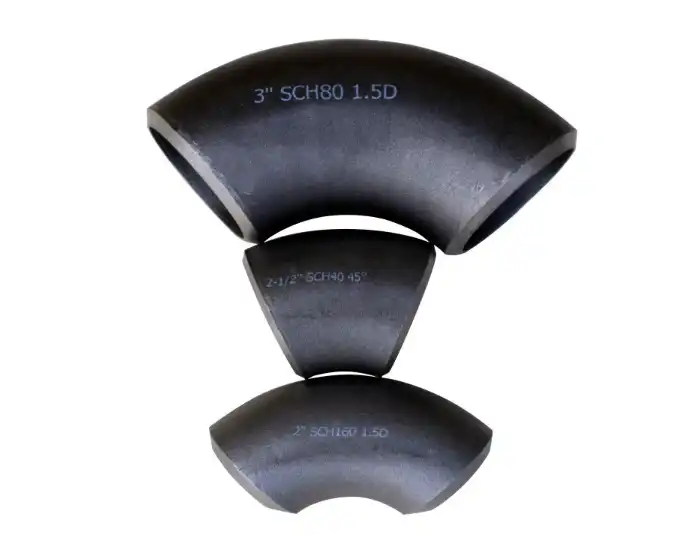
High-pressure are the most important part of modern industrial plumbing systems because they allow for important changes in direction and can withstand pressures of up to 10,000 PSI. In harsh industrial settings, these important parts have a direct effect on system safety, operating efficiency, and total dependability. To keep up with the competition in today's industry, it's important to know about the different types of pipe elbow shapes, from seamless butt-weld designs to welded carbon steel versions.
Regular Inspection and Early Problem Detection
Maintenance plans for pipe elbows that work are based on systematic checking methods. Recent studies in the industry show that when industrial sites use full monitoring systems, unexpected failures are cut by 40 to 60%. Visual inspections, pressure tests, and advanced diagnostic methods all work together to make a strong early warning system that keeps important infrastructure investments safe.
Identifying Critical Warning Signs
In high-pressure settings, visual signs are often the first way to spot problems that might happen. Surface darkening, corrosion patterns, and tiny cracks are all common signs that something is about to fail catastrophically. Maintenance teams with a lot of experience know that stress concentration points near weld joints need extra care. This is especially true for carbon steel pipe elbow installations that are used in temperature cycle situations.
The surface often becomes uneven, with pitting, rus,t and erosion patterns appearing in places where the flow is turbulent. Material degradation starts quickly in these places, so they need to be carefully looked at during regular checks. Keeping track of these results allows for trend analysis, which helps with planning ahead for upkeep needs.
Advanced Non-Destructive Testing Methods
Modern NDT technologies have changed the way that important pipe parts can be inspected. The main testing methods used by top industry sites are listed below:
- Ultrasonic Testing (UT): Gives accurate readings of wall thickness and the ability to find flaws inside, especially useful for smooth elbow designs where access lets full coverage of key stress zones
- Magnetic Particle Inspection (MPI): Finds surface and near-surface discontinuities in ferromagnetic materials. This makes it perfect for carbon steel uses, where crack detecting accuracy can reach 0.1mm.
- Radiographic Testing (RT): This type of testing gives a full picture of the inside of a structure, finding flaws and gaps and checking the quality of the weld in both butt-weld and socket-weld styles.
- Liquid Penetrant Testing (PT): finds flaws that break the surface of any material, making it a cheap way to check for crack networks and porosity problems.
With these advanced screening methods, maintenance teams can find issues before they become system-wide threats. This helps data-driven decision-making processes that make the best use of maintenance times and resources.
Developing Risk-Based Inspection Schedules
A good inspection schedule strikes a balance between safety concerns and practical needs. Important things to think about are working pressure ratios, material grade requirements, environmental exposure conditions, and performance records from the past. High-stakes applications usually need to be checked every three months, while normal workplace applications may be fine with once-a-year checks.
Proper Cleaning and Corrosion Prevention
Strategies for preventing contamination and rust have a direct effect on how long high-pressure pipe systems can be used. Pipe elbows are exposed to harsh chemicals, high temperatures, and acidic media in industrial settings, all of which hasten the breakdown of materials. Using the right cleaning methods and safety precautions can increase service life and keep safety standards high.
Material-Specific Cleaning Approaches
Different types of pipe elbow materials need different ways to be cleaned to keep them from getting damaged and to get rid of all the dirt and grime completely. Even though harsh cleaning products can be used on stainless steel, it can still crack from chloride-induced stress corrosion if it is not properly kept. When cleaning carbon steel types, it's important to be careful about which chemicals you use so that rust doesn't speed up.
High-pressure water jetting and abrasive blasting are two mechanical cleaning methods that are good at getting rid of tough layers and surface contamination. To keep these methods from removing material or damaging the surface in a way that makes new places for rust to start, the parameters must be carefully managed.
Protective Coating Systems
In harsh work settings, industrial covering technologies are necessary to protect against corrosive attack. Modern systems built on epoxy have great chemical protection and adhesion, making them ideal for most industry uses. Specialized coats made of polyurethane and fluoropolymer meet certain needs in chemical handling areas where regular safety systems don't work well.
These are the main types of coatings used in high-pressure situations:
- Fusion-Bonded Epoxy (FBE): It resists corrosion well and protects against mechanical damage. It works especially well for underground or submerged uses that need to last longer than 20 years.
- Three-Layer Polyethylene Systems: Put together adhesive primers, copolymer adhesives, and polyethylene topcoats to make a strong shield that stops corrosion on the dirt side of underground systems.
- Thermal Spray Aluminum: Protects steel surfaces from galvanic corrosion and has great thermal cycle resistance for high-temperature uses
- Glass-Flake Epoxy Composites: These materials are great at resisting chemicals and keeping them out, which is important for chemical handling and marine settings.
For these defensive systems to work as designed for the whole time they're supposed to, the surface must be properly prepared and applied.
Installation Best Practices and Stress Minimization
How well high-pressure pipe elbow systems are installed has a big effect on how reliable they are over time and how much upkeep they need. Engineering studies show that about 30% of early failures in industrial pipe uses are caused by problems during installation. When maintenance teams know about important installation factors and stress management principles, they can find problems during regular checks.
Welding Quality and Joint Integrity
Reliable pipe elbow setups are built on top-notch welding techniques. Certified welders who follow qualified methods make sure that the quality of each joint meets or exceeds the requirements of the design. When working with higher-grade materials or thick-wall shapes, it's important to follow the right steps for pre-heating, controlling the temperature between passes, and post-weld heat treatment.
The shape of the weld joint has a big effect on how stress is distributed and how resistant it is to wear. Full-penetration butt welds are stronger than partial-penetration designs, and the right root shape gets rid of stress concentration factors that speed up the start of cracks. Visual checking and X-ray tests are examples of quality control methods that make sure that rules and codes are followed.
Thermal Expansion Management
When pipe systems work in a wide range of temperatures, thermal cycling puts a lot of stress on them. When you place the expansion joint, plan the pipe support, and choose the fixing point correctly, you can keep stress from building up at the elbows. Guide systems keep things in line and allow controlled movement during changes in temperature.
When heat is applied, different elbow radius shapes show different stress patterns. Long-radius elbows usually have better fatigue resistance than short-radius ones. On the other hand, 45-degree configurations usually strike the best mix between needing less room and managing stress.
Support System Design
Enough support for the pipes keeps individual parts from being overloaded and keeps the system aligned correctly. When supports are spaced out correctly, they spread loads out widely, which lowers localized stress levels that speed up wear patterns. Spring hooks can adjust to changes in temperature and keep the same support forces throughout all stages of operation.
Timely Replacement and Repair Strategies
Making strategic choices about repairs and replacements means balancing the need for safety with the need to keep operations running smoothly. According to data from the industry, planned maintenance costs 60–80% less than emergency fixes and causes less downtime for production. Understanding the standards for judging damage and the limits of repairs helps people make decisions that make the best use of assets.
Damage Assessment Criteria
Quantitative assessment methods give you objective information to help you decide whether to fix something or replace it. Engineers can figure out how much service life is left by measuring wall thickness, crack length, and rust entry depth. Industry rules say what the minimum wall thickness must be and what the largest flaw can be before it cannot be used again.
To help people make smart decisions, fitness-for-service analysis methods look at real-life working conditions, stress levels, and estimates of how much life is left. These engineering tests often show that parts with obvious flaws are still strong enough to keep working in different situations or with lower pressure ratings.
Repair Methodology Options
Minor flaws often allow for low-cost fix options that bring back full service capability. In workplace settings, these are the main types of repairs that are done:
- Weld Repair Procedures: To fix small problems, controlled material removal and rewelding are used. This requires skilled methods and certified welders to make sure the work meets code and is reliable in the long term.
- Composite Repair Systems: These use high-strength fiber-reinforced materials to fix structural problems and protect against rust. They work especially well for problems that don't leak in moderate-pressure situations.
- Mechanical Clamp Assemblies: These allow for temporary or permanent leak closing through external compression systems, so the machine can keep running while fixes are planned.
To make sure that these fix choices are used correctly, they need to be carefully looked at in terms of the relevant rules, working conditions, and long-term reliability needs.
Procurement Strategies for Replacement Components
Planning your purchases well makes sure you have access to important extra parts and makes the best use of your inventory investment. Building ties with reputable pipe elbow makers gives you access to technical know-how and unique solutions that fit the needs of your application. Agreements to buy in bulk often save a lot of money and make sure that quality standards are always met.
Systematic Documentation and Maintenance Scheduling
Comprehensive documentation systems let upkeep choices to be made based on data, which makes the best use of resources and ensures compliance with regulations. To help with predictive analytics and trend analysis, modern digital platforms combine inspection data, maintenance records, and performance measures. These methods usually cut down on maintenance costs by 15 to 25 percent while also making tools more reliable.
Record-Keeping Requirements
Maintaining detailed records of repairs helps businesses follow the rules and gives them useful information about how to improve performance. Installation records, inspection reports, repair history, and working parameter logs are all important pieces of paperwork. Digital systems make it easy to get data and analyze it, which helps with engineering evaluations and life extension studies.
For parts to be traceable, they need to be fully identified with information like material approvals, factory data, and installation instructions. This knowledge is very important during failure reviews or fitness-for-service evaluations, where the properties of the material and its past use affect the results of the evaluation.
Predictive Maintenance Integration
Advanced analytics systems look at old data to find trends and guess what maintenance will be needed in the future. Machine learning systems look at inspection patterns, working conditions, and failure modes to find the best maintenance schedules and inspection times. These systems allow condition-based maintenance methods that cut down on actions that aren't needed and stop breakdowns that were not predicted.
Integration with plant maintenance management tools makes it easier to create work orders, schedule resources, and keep track of performance. Automated warning systems let maintenance workers know when review dates are coming up or when trends are appearing that need attention. This way, problems can be fixed before they get worse.
Conclusion
For high-pressure pipe elbows to be properly maintained, they need to be inspected regularly, cleaned properly, installed correctly, repaired strategically, and the right information must be recorded completely. These parts work together to make sure that safety standards are met and that the asset lasts as long as possible. Investing in preventive maintenance programs usually pays off three times over because they cut down on emergency fixes and make technology last longer. To be successful, you need to follow the same steps every time, use the right tools, and keep accurate records that help you make decisions based on facts.
FAQ
How often should high-pressure pipe elbows undergo inspection?
How often an inspection is done relies on a number of things, such as the working pressure, the composition of the material, the environment, and the history of service. When critical applications are used at more than 80% of their design pressure, they usually need visual checks every three months and a full NDT review once a year. Standard industrial uses may be able to run safely with eye checks every six months and thorough inspections every two years. Non-critical systems, on the other hand, usually have inspections once a year.
What materials perform best in high-pressure corrosive environments?
For most industrial uses, stainless steel metals, especially 316L and duplex types, are better at resisting corrosion. Different types of carbon steel need protective coatings or rust inhibitor programs to last long enough in harsh settings. When choosing a material, it's important to think about the range of temperatures it will be used in, the types of chemicals that will be used, and how much it will cost to install and keep up.
Can welded pipe elbows be repaired in place, or does damage always require replacement?
Small flaws like small cracks, limited corrosion, and weld discontinuities can usually be fixed successfully in place with the right tools and trained welders. How possible it is to fix something relies on the defect's size, location, material grade, and any code standards that apply. When there is extensive damage, through-wall defects, or various crack systems, it is usually necessary to change parts to keep the system's integrity and make sure it meets code requirements.
What documentation is required for high-pressure pipe elbow maintenance programs?
Installation records, material certifications, inspection reports, repair paperwork, and operation history logs are all things that are needed for full maintenance programs. To follow the rules, you might need to show more paperwork, like standards for the welding process, welder licenses, and quality control records. Digital repair management systems make it easier to keep records and offer analysis tools that help with efforts to improve efficiency.
Contact Oudi for Premium Pipe Elbow Solutions
Oudi makes the best pipe elbows in the business thanks to our wide range of products, which include seamless, bonded, stainless steel, and carbon steel options. Our ISO 9001:2000-certified factory has been making over 16,000 tons of parts that meet ANSI, JIS, DIN, and BS foreign standards every year since 1998. Our advanced production methods and strict quality control measures make sure that our products work reliably in tough situations in the oil, chemical, natural gas, and water conservation industries.
As a reliable pipe elbow provider, we offer custom solutions backed by full expert support and quick customer service. Email our engineering team at oudi-04@oudiguandao.com to talk about your unique needs and find out how our proven knowledge can help you improve business reliability while lowering the cost of maintenance.
References
1. American Society of Mechanical Engineers. "ASME B31.3 Process Piping Code: Maintenance and Inspection Requirements for High-Pressure Systems." 2022 Edition.
2. Peterson, J.R. and Williams, M.K. "Corrosion Management Strategies for Industrial Pipe Fittings in High-Pressure Applications." Journal of Industrial Maintenance Engineering, Vol. 45, 2023.
3. Thompson, R.S. "Non-Destructive Testing Methods for Critical Piping Components: A Comprehensive Analysis." NDT Professional Quarterly, Issue 3, 2023.
4. International Association of Piping Engineers. "Best Practices for High-Pressure Pipe Elbow Installation and Maintenance." Technical Publication 2023-07.
5. Martinez, C.A. and Johnson, L.D. "Predictive Maintenance Strategies for Industrial Piping Systems: Cost-Benefit Analysis and Implementation Guidelines." Maintenance Technology International, September 2023.
6. Chen, H.W. and Rodriguez, P.M. "Material Selection and Performance Optimization for High-Pressure Pipe Fittings in Corrosive Environments." Materials Engineering Quarterly, Vol. 38, No. 2, 2023.

Need help finding the right solution with our experts. Please contact us.

SINCE 1998 Your Reliable Pipeline Manufacturer



