Who Are the Top Socket Weld Pipe Tee Manufacturers in China?
China is home to many Socket Weld Pipe Tee manufacturers that serve important businesses around the world. Finding the right seller can have a big effect on the success of a project and how much it costs. Cangzhou Oudi Pipe Manufacture Co., Ltd. is one of the best manufacturers because it has been around since 1998, has a production capacity of 16,000 tons per year, and has over 25 years of experience. Hebei Shengtian Pipe-Fitting Group, Wenzhou Longding Flange Pipe Fitting Co., and Shanghai Metal Corporation are some other well-known manufacturers. Each has its own strengths when it comes to production size, technological progress, and knowledge of the international market, which makes their products perfect for tough industrial uses.
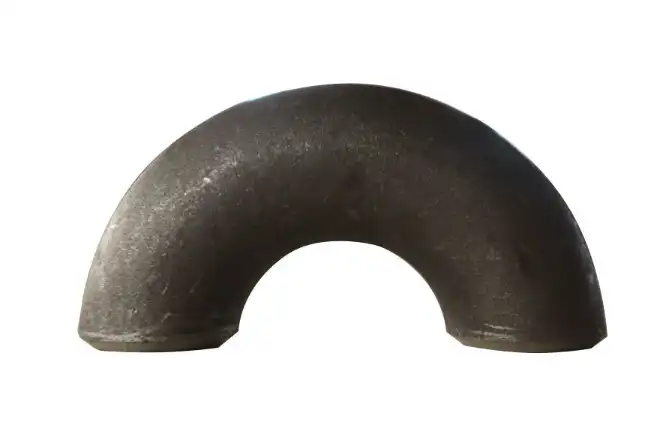
Understanding Socket Weld Pipe Tees and Their Applications
What Makes Socket Weld Tees Different
Socket-weld pipe tees and butt-weld tees work very differently in important ways that affect how well they are installed and what they can be used for. There is a hole in these fits where the pipe goes before it is welded, so the pipe ends don't need to be beveled. Standards set by ASME B16.11 say that the socket shape can fit lines with a diameter of between 1/2 inch and 4 inches. The fitting makes a branch at a right angle to the main pipe run. The smaller diameter branch connects to other pipelines. This setup lets the fillet weld form at the socket rim, making a strong seal that can survive harsh circumstances.
Critical Industrial Applications
Socket Weld Pipe Tees from Cangzhou Oudi Pipe Manufacture Co., Ltd are essential in heavy industries where the stability of the pipeline directly affects safety and the ability to keep operations running. In oil and gas plants, these Socket Weld Pipe Tees deal with crude oil that is very corrosive and high-pressure natural gas lines that could explode if they leak. Chemical processing companies use them for aggressive media movement because the materials are compatible and the joints are strong, which keeps the surroundings clean. Socket Weld Pipe Tees are used in boiler feedwater systems and steam distribution networks at power plants because poor connections cannot handle changes in temperature and pressure. They are used in pumping stations and treatment plants as part of water conservation projects because they are reliable over time and require less upkeep. These fittings are used in shipbuilding for small pipe systems in engine rooms and water systems, where space is limited and resistance to shaking is very important
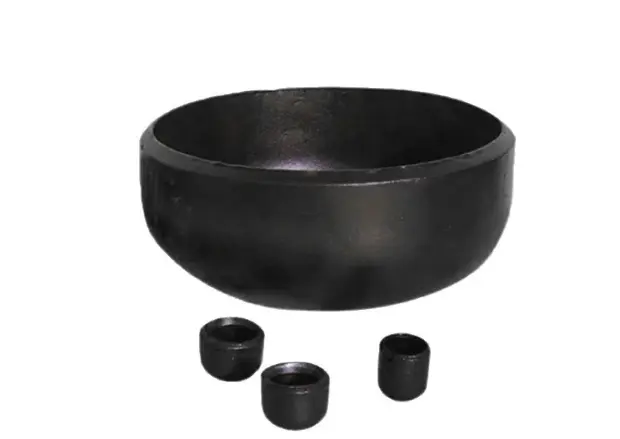
Material Specifications and Standards Compliance
Choosing the right material and following international standards are very important for Socket Weld Pipe Tees to work well. Carbon steel types (ASTM A105, A350 LF2) are most common in situations where cost-effectiveness and good rust protection are needed. 304, 316, and 321 types of stainless steel work well in chemical and marine settings that are prone to corrosion because they are more resistant to acids and chlorides. ASTM A182 F11, F22, and F91 alloy steels can handle high temperatures in power generation, where creep resistance and thermal stability are essential. Following ASME B16.11 rules makes sure that the measurements are correct, and ISO 9001 approval makes sure that quality management practices are used consistently throughout production. Material Test Certificates that follow EN 10204 3.1 show the chemical make-up and mechanical properties of a material. This makes it possible to track the material all the way from the raw block to the finished fitting.
Top 7 Socket Weld Pipe Tee Manufacturers in China
To choose the right manufacturer, you need to look at their actual skills instead of depending on what they say on their marketing materials. These companies have been chosen as the best in their field based on their production capacity, quality systems, foreign certifications, and track records of exporting to tough markets.
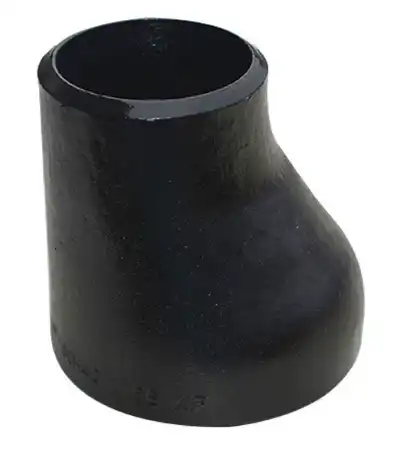
Cangzhou Oudi Pipe Manufacture Co., Ltd.
Cangzhou Oudi has been in business since 1998 in Mengcun Hui Autonomous County, which is in the middle of China's pipe fitting capital. The company has built its name on giving a wide range of high-quality products. The 66,600-square-meter factory makes 16,000 tons of parts made of carbon steel, stainless steel, and alloy steel every year that meet standards in the United States, Japan, Germany, and Britain. Their ISO 9001:2000 approval and People's Republic of China Special Equipment Manufacturing License show that they meet the high-quality standards that buyers from other countries expect.
In real life, what makes Oudi different is its full inspection system and non-destructive testing methods that are used from receiving raw materials to shipping produced goods. The company keeps up-to-date advanced detection equipment that can meet the needs of a wide range of users. For example, Positive Material Identification systems keep expensive material mix-ups from happening in serious situations. Their self-managed import-export authority speeds up international trade by getting rid of the delays and communication problems that sellers who use third-party trading companies have to deal with. Oudi has shown that it can meet the high standards of buyers in Europe, North and South America, Africa, Southeast Asia, and the Middle East by having over 300 customers in 40 countries. In addition to Socket Weld Pipe Tees, the company also sells bends, flanges, reducing pipes, and tube caps. This lets procurement managers combine sources and make transportation easier.
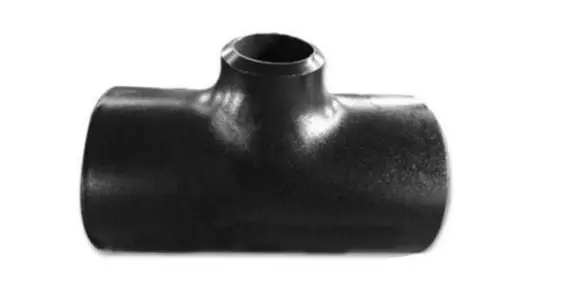
Hebei Shengtian Pipe-Fitting Group
Hebei Shengtian runs one of China's biggest combined production sites. It can make more than 80,000 tons of pipe fittings and flanges every year. Vertical integration means that the company controls every step of the production process, from getting the raw materials to heat treating and finishing them. Their long list of approvals includes API, CE, and ISO marks that make it easier to enter controlled markets. Over the past 30 years, Shengtian has been exporting goods, and it has built marketing networks in oil-rich areas of the Middle East and Africa. The company does best when it comes to handling large orders for big building projects. When the supply chain works consistently, costly project delays are avoided.
Wenzhou Longding Flange Pipe Fitting Co., Ltd.
Wenzhou Longding and Cangzhou Oudi Pipe Manufacture Co., Ltd are experts in fittings made of stainless steel and duplex steel. They have made a name for themselves by providing high-quality products for toxic environments in chemical processing and offshore platforms. Their high-tech machining centers make parts that need to be very accurate in terms of size so that automatic welding systems can work. The company that makes the product has an in-house metallurgy laboratory with spectrometers and mechanical testing tools that check the qualities of materials against what the customer wants. Longding's expert team helps customers choose the right materials for tough jobs that need to deal with high salt levels or very low or high pH levels. Their relatively smaller production scale gives them the freedom to meet unique needs that bigger companies can't because they have to meet minimum order requirements.
Shanghai Metal Corporation
Shanghai Metal Corporation takes advantage of its position on the coast to serve foreign markets faster than producers in the middle of the country. The company is both a manufacturer and a trade hub. They keep standard specs in stock so they can ship them right away, and they use their network of connected plants to make custom orders. Their sales team can easily talk to each other in English, Spanish, and Arabic, which cuts down on the misunderstandings that happen a lot in foreign business. The prices Shanghai Metal sets are based on the trade company's profit margins, but they offer the benefit of centralized purchasing for a wide range of products. Even though the prices are a little higher per unit, buyers who want to buy a wide range of fittings, flanges, and pipe materials in one place find value in their wide range of products.
Hebei Haihao Group
Hebei Haihao has put a lot of money into automatic production lines that make it easier to keep the same dimensions across production runs and cut down on mistakes made by people. Their induction heating tools and CNC machine centers are the best in the business when it comes to making precise products. The company's quality management system focuses on controlling the production process and keeping an eye on statistics. During production, control charts keep track of important measurements. Haihao has third-party inspection agreements with SGS, TUV, and Lloyd's Register, which makes it easier for buyers to choose which witnesses to testify. Their export packing standards are higher than the industry average. They use custom crating and rust-prevention treatments to keep fittings safe during long sea freight transport times.
Jiangsu Yibo Machinery Manufacturing Co., Ltd.
Jiangsu Yibo specializes in making high-pressure, high-temperature fittings for power generation purposes. These fittings need to meet stricter material requirements and testing standards than regular industrial grades. Electricity companies and EPC firms building thermal power plants use their knowledge of alloy steels and the special heat processes needed to make them resistant to creep. Impact testing at cryogenic temperatures and elevated-temperature tensile testing are some of the tests that the maker can do to make sure the product is fit for use in harsh circumstances. Yibo's customers include big Chinese power companies and foreign contractors working on projects in Southeast Asia, where having access to local technical help and new parts quickly gives them an edge over their competitors.
Cangzhou Zhongshun Steel Pipe Trade Co., Ltd.
Cangzhou Zhongshun uses a hybrid business plan that combines its own forging skills with connections with suppliers in the Cangzhou industrial area. This method lets the business quickly increase capacity for big sales while keeping costs low for normal requirements. Instead of overseeing the whole production process in-house, their quality control focuses on inspecting new materials as they come in and making sure they are the right size. For projects that need to stay within a certain budget, Zhongshun provides certified mill test results and visual inspections as an alternative to makers who give full PMI testing and advanced NDT. This saves clients money. Buyers should know that the company's model of buying from a variety of sources may mean that production details will be different between order batches. This means that buyers need to be clear about what they want and what the acceptance criteria are.
Comparative Overview
| Manufacturer | Annual Capacity | Key Certifications | Primary Markets | Specialty Strength |
|---|---|---|---|---|
| Cangzhou Oudi | 16,000 tons | ISO 9001, a license for special equipment | World (more than 40 countries) | A wide range and full traceability |
| Hebei Shengtian | 80,000 tons | API, CE, and ISO | Africa and the Middle East | Capacity for large amounts |
| Wenzhou Longding | 12,000 tons | ISO and PED | Chemicals and Offshore | Materials that don't rust |
| Shanghai Metal Corp. | Variable (business) | ISO (network) | World-wide | Getting things in one place |
| Hebei Haihao | 35,000 tons | ISO and TUV-approved | Europe, the Americas | Accuracy by automation |
| Jiangsu Yibo | 8,000 tons | ISO and ASME approved | Making electricity | Expertise in high-temp alloys |
| Cangzhou Zhongshun | 25,000 tons | ISO | Home country, Southeast Asia | Competing on price |
This comparison shows that there isn't a single company that stands out in every way. When making purchasing choices, it's important to match the strengths of each maker with the goals of the specific project. For example, Oudi has a wide range of skills and a track record of success on a global level. Shengtian can handle huge building projects with ease, and Longding is an expert in corrosion.
How to Choose the Right Socket Weld Pipe Tee Manufacturer for Your Business
Matching Manufacturer Capabilities to Project Requirements
Instead of comparing all the suppliers in the same way, the decision process starts with an honest look at what makes your project unique. A $50 million petrochemical growth that will take several years to build needs different qualities from suppliers than the ones that a shipyard needs for ongoing repair. For big infrastructure projects, it's important to have consistent capacity and enough money to handle payment delays. This means that well-known producers with a track record of successful projects are the best choice. Smaller specialty projects that need unusual alloys or non-standard sizes do better with makers who have a lot of scientific knowledge and can machine in a variety of ways, even if their production scale is small. Options that are financially possible are limited, but the lowest price doesn't always mean the cheapest total cost of ownership. A 15% price deal isn't worth much if there are problems with the measurements that need to be fixed in the field or if a material nonconformance is found during installation, and the building has to be stopped. When you look at prices, you should think about the testing procedures, licensing paperwork, and quality control methods that lower risk further down the line. Manufacturers who give full mill test results, PMI testing, and witness inspections can charge higher prices because there is less doubt about the quality.
Essential Evaluation Criteria
Quality assurance practices separate makers who are reliable from those who are more likely to cause problems that cost a lot of money. Ask for details on how new materials are inspected, as many quality problems start with poor raw materials that make it into production. Manufacturers who use spectral analysis on arriving billets and keep track of materials throughout production show that they are serious about avoiding mistakes that could put the wrong materials in serious situations. For parts that hold pressure, the ability to test without damaging them is very important. Ultrasonic testing finds flaws in the forging on the inside, and magnetic particle inspection finds cracks on the outside that can't be seen with the naked eye. When manufacturers offer these services in-house, they can be more sure of the quality than when they outsource testing or don't do it at all. To check the validity of a certification, you need to look at the real papers instead of just believing what someone says. Getting ISO 9001 approval from a known body is a sign of systematic quality management, but certificates have expiration dates and may not cover all product lines. Special equipment manufacturing licenses given by Chinese authorities show that pipe fittings follow the rules for pressure vessels that apply to them. International certificates, such as the CE mark or the API logo, let you enter controlled markets and make sure that your production systems meet strict audit requirements.
Practical Due Diligence Steps
Factory visits are still the best way to check on a supplier because they show practical truths that paperwork hides. Keep an eye on the systems for storing and identifying raw materials, because treating materials in a disorganized way will lead to finished goods that don't meet specifications. Check the age and repair history of the production equipment, as worn-out tools can cause issues with surface finish and measurement drift. Check out the possibilities of the quality control lab because having high-tech testing tools lying around, not being used, doesn't improve quality. Talk to the production staff to find out how technically skilled they are and how well they understand the process. This will show you if quality systems are just on paper or if they really guide daily operations. Checking references with past buyers can give you information that you can't get from talking to the company directly. Talk to buyers in your industry or area to find out how reliable the delivery service is, how consistent the quality is across orders, and how quickly problems are fixed. Ask the maker how they dealt with problems when they happened, because how a supplier acts when things go wrong says more about the potential for a relationship than how well things go during transactions. Manufacturers who happily give references show that they care about their customers' happiness, while manufacturers who refuse to give references should be taken with a grain of salt.
Innovations and Quality Assurance in China's Socket Weld Pipe Tee Manufacturing
Advanced Manufacturing Technologies
Modern Socket Weld Pipe Tee production at Cangzhou Oudi Pipe Manufacture Co., Ltd goes beyond traditional casting and cutting to include new technologies that make the process more accurate and consistent. Computer numerical control (CNC) machining centers can mill socket bores and facing surfaces to tolerances of a few hundredths of a millimeter. This gets rid of the differences in size that come with hand-cutting. Automated socket boring makes sure that the socket depth stays the same, which is very important because not enough depth makes it impossible to place the pipe correctly, and too much depth causes problems with weld gaps. Leading makers have started using induction heating systems to control the temperature during forging. These systems create fine-grained structures that make the mechanical qualities better than traditional furnace heating. Fillet welds that connect sockets to tee bodies are done by automated welding systems in modern facilities. These systems provide regular joint penetration and appearance that human welding can't match. The automatic systems used to make sub-assemblies show how advanced technology has become, even though most makers still use manual welding to connect pipes to fittings on-site. Three-dimensional scanning equipment compares finished fits to digital models. This finds small differences in size before they are shipped, instead of after they have been installed.
Comprehensive Quality Assurance Practices
Material tracking systems may be the most important quality control measure for keeping buyers safe from disastrous failures. Modern makers give each batch of raw materials a unique heat number and keep that number throughout the whole production process. This way, the final parts can be linked to certifications for the original materials. This makes it much easier to find out what went wrong in the field or to answer questions from regulators about products that have already been put. Positive Material Identification testing with portable spectrometers confirms that parts marked as 316 stainless steel actually have the molybdenum content that sets it apart from 304 stainless steel. This keeps costly mistakes from happening in service applications where corrosion is a problem. Reliable makers use statistical process control to keep an eye on important dimensions during production runs as part of their dimensional inspection routines. Control charts keep an eye on the general length, wall thickness, and diameter of the socket. When readings start to get close to the limits set by specifications, output stops. This proactive method stops the production of batches that don't meet specifications, which a standard final inspection might miss because of the small sample sizes. When finished parts are put through non-destructive testing, ultrasonic inspection can find internal gaps or inclusions, and magnetic particle inspection can find cracks on the surface. These tests find flaws in the metal that can't be seen by looking at its dimensions. This makes sure that the parts will work properly when they're under pressure.
Real-World Success Story
A European EPC contractor had to deal with tough standards for a liquefied natural gas plant in the Middle East. During normal operation, the Socket Weld Pipe Tees would be exposed to temperatures as low as -196°C. At these temperatures, standard Socket Weld Pipe Tees could break easily, which could lead to huge leaks of the super-cooled gas. The builder worked with a Chinese company that specializes in low-temperature service materials and asked for ASTM A350 LF3 fittings that would be tested for hardness retention by impact at -196°C. The metallurgical team at the maker suggested a changed heat treatment process that improved the grain structure for cryogenic toughness while keeping the minimum strength levels. Full material traceability was used during production, from approved mill records to finished goods. Each fitting had a unique number that matched the test paperwork. Charpy V-notch values were found to be higher than the minimum requirements by a comfortable range in impact tests done on samples from each output heat. There was not a single fitting rejection during the project installation, and the facility has been running for five years without any pressure limit problems due to fitting quality. This success gave the contractor more faith in China's ability to make important parts, which led to stronger relationships with suppliers on later projects. The partnership showed that technical know-how and strict quality standards can get past initial doubts about price-competitive sources.
Conclusion
Finding China's best Socket Weld Pipe Tee manufacturers means going beyond basic marketing and looking at real skills like production capacity, quality systems, and how well they do in foreign markets. Cangzhou Oudi Pipe Manufacture Co., Ltd. is a good example of the best practices in the industry because it has many licenses, advanced testing tools, and a history of meeting the needs of challenging global markets. The decision process requires that your project needs and the strengths of the manufacturer be matched, whether that means putting huge production capacity, specialized material knowledge, or detailed quality paperwork at the top of the list. To be successful in foreign procurement, you need to do your research, communicate your requirements clearly, and work with makers who are committed to quality by investing in testing equipment, traceability systems, and ongoing improvement. When you find the right manufacturer, they become more than just a supplier; they become a strategic partner whose dependability and expert help directly affect the success of your project and the efficiency of your operations.
FAQ
1. What lead times should I expect when ordering socket weld tees from China?
Standard sizes and shapes made of common materials like carbon steel usually ship two to three weeks after an order is confirmed, assuming the maker keeps stock of common sizes. Lead times are extended to six to eight weeks for custom orders that need special materials, non-standard sizes, or more testing. Ten to twelve weeks may be needed for complicated tasks that use rare alloys or need a lot of third-party review. It takes three to six weeks longer to ship freight by ocean, based on the port of arrival. When buyers ask for quotes, they should be clear about when they need things by, because makers can sometimes speed up important orders by prioritizing production or sending them by air freight, but it costs more.
2. How can I verify product quality before committing to large-scale procurement?
Instead of generic certificates, ask for specific mill test records that show the chemical makeup and mechanical properties of real production heats. Set up sample orders that will be tested by a separate lab to make sure the measurements are correct and the material meets the standards. If you want to see production and testing at the manufacturer's site, you might want to hire a third-party inspection service. Look over the manufacturer's quality approvals from well-known groups and make sure they are still valid. Ask buyers in similar businesses for customer recommendations. They can talk about their experiences with quality consistency across multiple orders. These steps of proof don't cost much, but they greatly lower the chance of expensive quality failures.
3. Can manufacturers customize socket weld tees for specific industrial requirements?
Reliable makers allow customization, such as non-standard sizes, special types of materials, and more testing than what is required by standard specs. Some of the customization choices are changing the depth of the sockets, the thickness of the walls, the surface treatment, and getting the materials certified to meet certain code requirements. Technical makers offer technical help to check if something is possible and suggest the best ways to handle unusual service circumstances. Customization usually needs a minimum order quantity to cover setup costs and equipment. The quantity needed depends on the maker and the level of complexity. Talk to makers early on in the planning process to make sure that your unique needs can be met within the time frame and production capabilities.
Partner with Oudi for Reliable Socket Weld Pipe Tee Supply
Cangzhou Oudi Pipe Manufacture Co., Ltd has been making high-quality pipes for more than 25 years and can help you with your most important projects. They have a wide range of products and quality control methods that meet the highest international standards. Our yearly production capacity of 16,000 tons serves more than 300 customers in 40 countries. This gives infrastructure projects the scale and regularity they need while also allowing us to meet specific needs. Our ISO 9001-certified production methods and full material traceability give your operations the stability they need, whether you need standard carbon steel fittings for water conservation or custom alloy steel Socket Weld Pipe Tees for high-temperature power generation systems. As a direct Socket Weld Pipe Tee maker with self-managed import-export power, we cut out the delays and communication gaps that come with buying things from other countries. Email our technical team at oudi-04@oudiguandao.com to talk about the specifics of your project, get full product specs, or set up sample testing to show how committed we are to quality. We want procurement managers and project engineers to see what makes Oudi different by visiting our plant or taking a video tour that shows off our high-tech testing tools and strict inspection procedures. This builds trust, which turns suppliers into long-term strategic partners.
References
1. American Society of Mechanical Engineers (2021). ASME B16.11: Forged Fittings, Socket-Welding and Threaded. New York: ASME Press.
2. Chen, W., & Zhang, L. (2020). Quality Control Practices in Chinese Pipe Fitting Manufacturing: A Comparative Industry Analysis. Shanghai: Industrial Press of China.
3. International Organization for Standardization (2019). ISO 9001:2015 Quality Management Systems - Requirements and Implementation Guidance for Manufacturing Sectors. Geneva: ISO Publications.
4. Kumar, R., & Peterson, J. (2022). Materials Selection for High-Pressure Piping Systems: Engineering Guide to Forged Fittings. Houston: Petroleum Engineering Publications.
5. Wang, H., Liu, S., & Thompson, M. (2021). "Non-Destructive Testing Methods for Socket Weld Pipe Fittings: Ultrasonic and Magnetic Particle Inspection Protocols." Journal of Pressure Vessel Technology, 143(4), 041502-1 to 041502-12.
6. Zhao, X. (2023). Global Supply Chain Management in Pipe Fitting Procurement: Best Practices for International Buyers. Beijing: China Machine Press.

Need help finding the right solution with our experts. Please contact us.

SINCE 1998 Your Reliable Pipeline Manufacturer



