Top Steel Pipe Reducer for Industrial Use
The steel concentric pipe reducer is an essential part of industrial plumbing systems that need smooth changes between pipe sizes. This special fitting joins two pipes of different sizes together along a shared centerline. This keeps the flow steady, which is very important in high-pressure situations. These reducers are made from carbon steel, stainless steel, or alloys that meet ASME B16.9 standards. They improve fluid velocity and structural stability in oil pipelines, chemical plants, and water treatment facilities where they are installed vertically. Knowing how to make and use them correctly can greatly improve business efficiency and prevent expensive system failures.
Understanding Steel Concentric Pipe Reducers
Managing fluid flow through pipes of different sizes is always challenging for industrial plumbing systems. This is where the technical value of steel concentric pipe reducers' carefully planned geometry is most evident.
Structural Design and Core Functionality
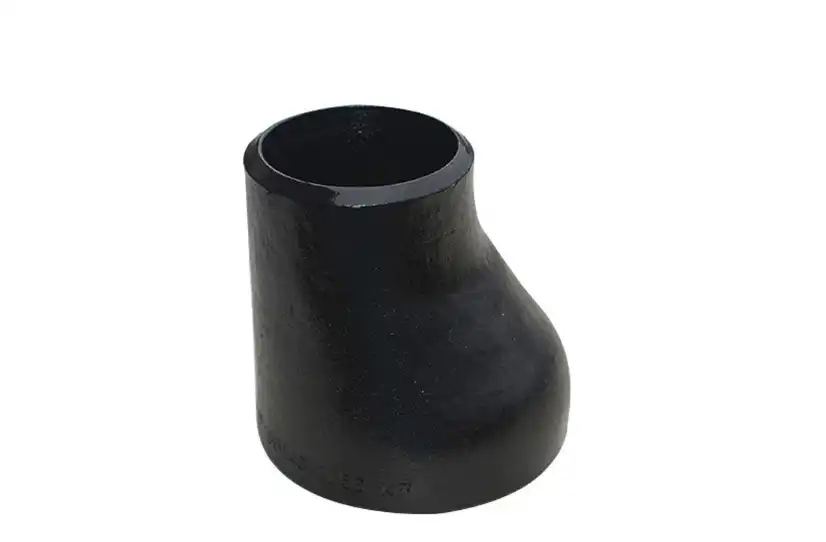
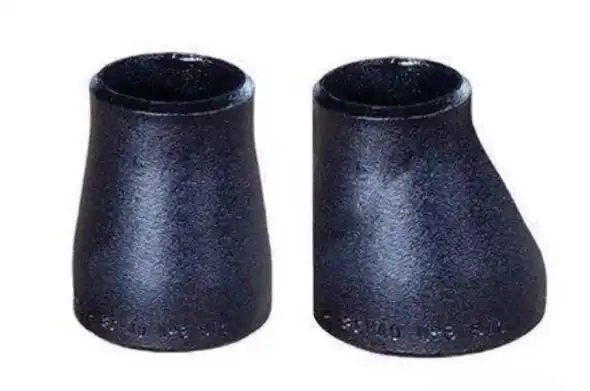
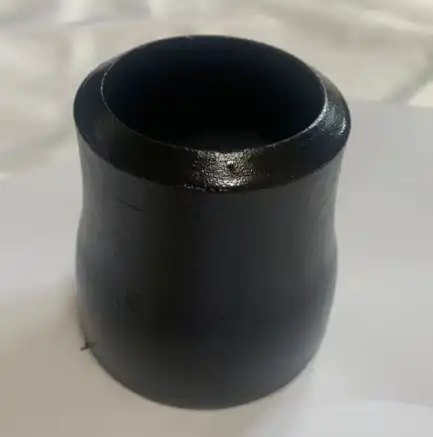
The steel concentric pipe reducer has a symmetrical cone-shaped shift that makes the pipe diameter smaller all the way around its circumference. This straight-line alignment makes a flow path where the inlet and exit share the same axis point. The cone angle is usually between 30 and 60 degrees and is carefully chosen to keep the structure strong while reducing noise. This part, unlike its eccentric cousin, which moves one side flat, keeps the axis of the pipe perfectly aligned, which is crucial for holding heavy installations that are vertical or making sure that thermal expansion is even. This design solves the problems that arise with fluid dynamics in vertical uses. When gases or liquids move through the reducer, the slowly changing width lets the speed be changed without causing sudden drops in pressure or cavitation zones. The even reduction stops dead areas from forming where particles could gather, which makes it very useful for moving slurry or systems that carry dissolved solids.
Material Standards and Manufacturing Excellence
To make these parts, we need to strictly obey international metallurgical standards. Carbon steel types usually meet ASTM A234 WPB standards. They have great strength-to-cost ratios and can be used in water, oil, and gas up to 750°F. ASTM A403 WP304 or 316L stainless steel types offer better corrosion protection, which is important in chemical processing and marine settings. Alloy steels like ASTM A234 WP11 or WP22 are used in power plants for high-temperature steam systems because they can withstand temperatures over 1000°F and still keep their shape. Depending on the size and pressure needs, the manufacturing process uses either seamless pipe pieces or a building that is welded together. Seamless reducers are the strongest for high-pressure uses, as they lack weld joints and feature a uniform grain structure. Welded versions are cheaper for larger diameters and maintain high performance standards with strict inspection and heat treatment procedures after welding. Our plant uses advanced hot forming and cold drawing methods to keep the qualities of materials stable during the whole production process.
Dimensional Standards and Sizing Compliance
The correctness of the dimensions is based on ASME B16.9 standards, and the nominal pipe sizes range from NPS 1/2 to NPS 48, with schedule grades that go with them. The wall thickness fits the pipe schedules that are connected—Schedule 40, Schedule 80, XS (Extra Strong), or XXS (Double Extra Strong)—so the system works together smoothly, and all the pressure values are the same. End preparations usually have curved edges that are polished to exact angles for butt welding. This makes full-penetration welds that are as strong as or stronger than the base pipe. When buying something, it's important to understand how sizes are designated. A "6x4" reducer has a six-inch opening that narrows to a four-inch outlet. The bigger size is always written before the outlet. Face-to-face measurements depend on the size mix. For example, bigger reducers need longer transition lengths to keep cone angles that are acceptable. Before specifying, engineers must make sure that these measurements match the available installation room and the needs of the flow estimate.
Steel Concentric Pipe Reducers vs. Other Reducer Types
Choosing the right type of steel concentric pipe reducer affects how well the system works and how much it costs to maintain over time. This comparison makes it clear when concentric shapes work best compared to other layouts.
Concentric vs Eccentric Performance Characteristics
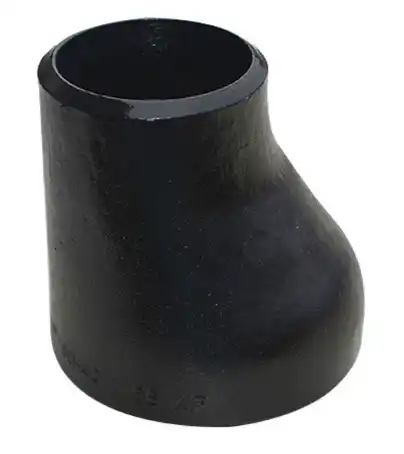
The main difference is in how the centerlines are aligned. Because they keep the axial uniformity, concentrator reducers are perfect for vertical lines where gravity automatically stops air pockets from forming. Eccentric reducers have one edge that is offset and flat. They are used in horizontal setups where it is important to keep vapor from building up or to make draining easier. If you choose the wrong type, it can make things more difficult to run. For example, putting concentric reducers horizontally in low-velocity gas lines could trap condensation, and putting eccentric fittings in vertical steam lines puts extra uneven stress on support structures. More differences can be seen in how people perform under pressure. A concentric shape spreads the hoop's stress evenly around its diameter, strengthening it in high-pressure situations above 1500 PSI. The uniform cone shape doesn't change shape when the temperature changes, so the seal stays intact even when the temperature changes a lot, which happens a lot in steam systems. Because of this, they are the best choice for important tasks in factories where safety must be paramount.
Material Grade Selection Impact
Choosing the right material has a big impact on both the total cost of ownership and the service life. Carbon steel reducers are a great choice for fluids that don't corrode at normal temperatures, and the material costs are about 40–60% less than those made of stainless steel. Their strong mechanical qualities can handle hits and sudden changes in pressure well, but they need protection coatings in places where they will rust. Stainless steel types cost more, but they don't rust, so they can be used in chemical processes and marine environments. Adding molybdenum to Grade 316L makes it resistant to chloride-induced cracking, which means it can be used in saltwater systems for more than 20 years. Alloy steel types fill in the gaps, providing better resistance to creep and rust for power plants that work at temperatures that are higher than what carbon steel can handle.
Procurement Pricing and Bulk Ordering Strategies
Prices on the market vary a lot depending on the material, the size, and the number of orders. Prices for standard carbon steel reducers in popular sizes like 4x2 or 6x4 run from $15 to $80 per piece for Schedule 40 specifications. Prices go up dramatically for bigger diameters or heavier schedules. Similar products made of stainless steel cost 200 to 300 percent more than carbon steel ones, and special alloys used in specific situations can cost ten times as much as carbon steel ones. Through economies of scale, buying in bulk can save you a lot of money. Volume discounts of 15% to 25% are common for orders over 100 pieces. Making long-term supply deals with certified makers can cut total buying costs by 30% per year. But procurement managers have to weigh the costs of keeping supplies against the benefits of lower prices. This is especially important for large-diameter fittings that need a lot of storage space.
Procurement Guide for Steel Concentric Pipe Reducers
To get around in the global supply chain for pipe fittings, you need to know the important selection factors and verification steps that make sure the steel concentric pipe reducer products are reliable.
Essential Selection Criteria for Industrial Applications
Material verification is what quality security is built on. Reliable providers issue mill test certificates that link the chemical makeup, mechanical properties, and heat treatment records to particular production batches. These badges show that certain ASTM standards have been met and allow quality checks to be done all along the supply chain. To stop low-quality substitutes, procurement requirements should make it clear that they only want approved goods that can be tracked back to their source. Dimensional inspection records show that the manufacturing was done correctly. Pressure rating compliance depends on accurate measures of wall thickness. Diameter and face-to-face dimensions, on the other hand, affect how well the work fits together and the quality of the welding. Advanced providers use coordinate measuring tools and ultrasonic thickness gauges to provide thorough inspection reports that meet the needs of engineering review before shipping. It is important to take into account service situations above the nominal pressure class when figuring out the pressure grade. Temperature changes lower the allowed stress values, so for high-temperature uses, thicknesses need to be changed, or materials need to be upgraded. Corrosion permits adding extra wall thickness in harsh chemical settings. This makes the service life longer, even though some material is lost over time. Instead of depending only on schedule scores, engineers should make sure that the reducers they choose take these things into account.
Identifying Certified Manufacturers and Supply Partners
Manufacturer certifications directly show how well they can make things and how committed they are to quality. ISO 9001 approval shows that quality management is being done in a planned way, but third-party reports that check how the management is actually being done give more confidence. Special licenses for making equipment, especially those given by regulatory bodies in big markets, show that safety rules and construction standards are being followed, which is important for pressure tank and pipe use. Geographic buying choices weigh the benefits of lower costs against the risks in the supply chain. Chinese companies like Oudi have low prices and a lot of production capacity. For example, our 16,000-ton annual output makes sure that we can meet the needs of even the biggest projects. We have helped over 300 customers in 40 countries with their export needs since 1998, building export knowledge that makes customs clearance and foreign shipping logistics easier. European and North American suppliers can get jobs done faster, but they usually charge 30 to 50 percent more.
Beyond price, a supplier's expert skills should be carefully evaluated. Advanced production tools, like CNC machine centers and automatic welding systems, make sure that all runs of products are the same size. Comprehensive inspection facilities with labs for mechanical testing, ultrasound testing, and radiological testing show a dedication to quality assurance. Procurement teams can figure out if suppliers can safely meet certain project requirements by visiting manufacturing facilities or reading thorough capability statements.
Navigating the Ordering and Delivery Process
For lead time planning to work, production processes and shipping times between countries must be taken into account. Standard sizes in common materials usually ship within two to four weeks from when they are stocked, but unique specs that need to get special materials or heat treat them may take eight to twelve weeks. International shipments take an extra 3 to 6 weeks, based on where they're going and how they're being shipped. For immediate needs, air freight is a choice, but it costs a lot more. Custom manufacturing lets you meet the specific needs of a project that go beyond what's available in a store. According to specific technical plans, manufacturers can make products with different end preparations, non-standard wall thicknesses, or combinations of sizes that aren't standard. But for custom orders, there are usually minimum quantities—often 10 to 50 pieces, based on how complicated the job is—and strict technical standards, such as material grades, tolerances for size and shape, and inspection rules.
Payment terms and paperwork needs change depending on the seller and the value of the order. Pro forma invoices with advance payment requirements are common for new customers. On the other hand, letter of credit terms or net payment periods may be available for customers who have been with the business for a while. To avoid customs delays that can add a lot of time to a project, export paperwork like business bills, packing lists, certificates of origin, and quality paperwork must be properly put together.
Installation and Maintenance Best Practices
The right way to put these parts and follow the care schedule will directly affect whether they last as long as they're supposed to or break down before their time.
Installation Procedures and Quality Assurance
Preparing the surface is the first step toward leak-free functioning. To get to the bright metal, beveled ends must be cleaned of mill scale, rust, and other contaminants by wire cleaning or grinding. Laser or optical tools should be used to check the alignment of the pipe, and the centerline variation should stay below 1/16 inch to avoid uneven stress concentrations. When alignment isn't right, stress lines are created that make wear cracks start more quickly when pressure is cycled. According to ASME Section IX standards, people who want to do welding procedures must be qualified. Welders can show they are qualified by showing approved process qualification records. The root pass must go all the way through without going too deep inside, which would stop the flow of material. The fill and cap passes should fit in easily with the shape of the base metal. When carbon steel is bigger than NPS 2 or has walls thicker than Schedule 80, it has to go through a post-weld heat treatment. This gets rid of leftover stresses that would otherwise cause stress corrosion cracking.
Non-destructive examination checks the quality of the weld without hurting the device. Radiographic testing shows flaws inside the material, like holes, slag particles, or incomplete fusion, but it can't be used in crowded places because of safety concerns. Ultrasonic testing is a movable option that can find flaws below the surface, and liquid penetrant testing can find cracks in the surface that can't be seen with the naked eye. For vital services, project specifications usually call for a 100% examination, but for less demanding uses, less sampling is allowed.
Troubleshooting Common Operational Issues
Leakage at weld seams usually means that the metal hasn't fused completely or wasn't penetrated enough during installation. As the pressure cycle spreads weld flaws quickly, the machine needs to be shut down and fixed right away. For repair processes to work, all flaws must be removed by grinding, then the part must be rewelded using approved methods, and finally, it must be inspected. Temporary leak sealing solutions can help for a short time, but they should never be used instead of proper fixes in systems that are controlled by codes. Erosion and rust show up as thinned walls in certain areas at the reduction cone, where speed changes cause rough flow patterns. This happens faster in systems that deal with rough particles or acidic fluids when the temperatures are high. Ultrasonic thickness tracking can find material loss before the wall thickness goes below the safest levels. Some ways to reduce the damage are to use alloys that don't rust, put on protective linings, or change the working settings to slow down the flow of fluid.
Vibration-induced fatigue happens when the support spacing isn't right, and the pipes can move when the flow changes. When the mass changes at the reducers, it causes stress concentration points that are ideal for fatigue cracks to start. Placing the support within one pipe diameter of the reducer ends prevents movement, while vibration-dampening systems address the issues that generate pulsation energy in pump or compressor setups.
Preventive Maintenance Scheduling
How often you do a visual check depends on how bad the service is and what the rules say. In pipelines and power plants, critical systems usually need to be checked from the outside every three months to make sure the coating is in good shape, the supports are strong, and there are no obvious cracks or deformations. Once a year, during shutdowns, the inside of the machine can be checked for rust, erosion, or buildups of deposits that need to be cleaned or fixed. In corrosive or erosive service, thickness tracking tools keep track of how much material is lost. Setting baseline measures during installation gives inspectors something to compare against during later checks. The reducer cone should be one of the places that is monitored because changes in velocity cause erosion to cluster there. As the thickness gets closer to the minimum allowed values, measurement rates should rise. Trending research estimates how much service life is left, which lets you repair things before they break.
Documentation systems keep track of inspection records and maintenance events, which help asset managers make choices. Digital systems that keep track of the serial numbers, installation dates, inspection results, and repair steps for each component allow for dependability analysis to find areas that keep breaking down. This information helps find the root cause of problems after they happen and helps improve specifications for future projects based on real-life service experience.
Advantages and Future Trends of Steel Concentric Pipe Reducers
These parts will always be useful in modern industrial systems because they have natural benefits that are made even better by new technologies that meet the needs of new industries.
Core Performance Advantages in Industrial Systems
The main thing that sets steel reducers apart from other materials is their structural strength. Steel has high tensile strength and yield qualities, which allow for thin-wall designs that keep pressure integrity while reducing weight and installation costs. The flexibility of the material keeps it from breaking easily, even when it's hit hard or exposed to sudden changes in temperature. This gives it safety gaps that can't be matched by cast iron or thermoplastic options in serious situations. Temperature flexibility expands the range of operations beyond what non-metallic materials can do. Up to 750°F, carbon steel keeps its mechanical qualities, while alloy types can handle temperatures up to about 1200°F in superheated steam systems. This thermal stability takes away any worries about changes in size or loss of properties that could weaken the seal in high-temperature settings. Steel reducers are useful in a wide range of temperature situations because they are very good at conducting heat, which makes it easier to track heat in viscous fluids.
Installation freedom is provided by compatibility across joining ways. Butt welding makes fixed joints that match the strength of the base pipe. Threaded or flanged options, on the other hand, let you take the joint apart for upkeep. This flexibility lets different system needs be met—permanently welded installs reduce the number of leaky spots in dangerous services, while flanged connections make it easier to remove equipment during turnarounds. It's easier to make changes and add-ons when you can define end preparations that match current system standards.
Innovation Driving Enhanced Performance
New developments in coating technology have made things last longer in corrosive conditions, where they used to need updates to exotic alloys. Fusion-bonded epoxy coats protect against corrosion from the outside in underground uses, and coatings on the inside keep chemicals from attacking them from aggressive process fluids. These protective systems offer rust protection that is similar to stainless steel at prices that are lower than those of carbon steel. This makes projects more cost-effective without lowering the life of the materials. Improvements to manufacturing accuracy lower differences in dimensions and make production groups more consistent with each other. Computer-controlled making equipment keeps cone angles and wall thickness distribution closer to the mark, which makes fitting less difficult when it comes to fit-up issues. Automated inspection systems that use machine vision technology can find surface flaws and differences in dimensions more accurately than human methods. This makes sure that only goods that meet standards get to customers.
Sustainable production methods take care of the earth without lowering the standard of the products they make. Because steel can be recycled over and over again, it can be used in circular economy ideas where old pipe systems are used to make new ones. Manufacturing methods that use less energy and make the best use of materials lower carbon footprints, which is in line with business environmental efforts that are becoming more and more important in buying choices.
Market Developments and Demand Drivers
Investments in infrastructure around the world drive demand growth in key application areas. As the need for petrochemicals grows in Asia and the Middle East, more pipe parts are needed to build new chemical plants and refineries. Building up natural gas infrastructure to help with the energy shift opens up jobs in pipeline gathering systems and processing centers. In wealthy economies, updating water infrastructure means replacing old distribution networks with new ones that fit a lot of fittings. Customization trends show that program needs are becoming more specific. Standard stock goods work well for common tasks, but designed solutions that are best for specific working conditions are needed for complicated projects. Manufacturers that offer design help and custom manufacturing can reach high-end markets where technical knowledge adds value beyond the supply of goods.
As regulations change, they affect what products must have and how they must be documented. Stricter safety standards require better quality control and tracking, which helps providers with strong quality systems and lots of paperwork. Environmental laws force companies to use leak-prevention technologies and materials that don't break down easily. This affects the choice of materials and protection requirements in sensitive situations.
Conclusion
Because they are carefully designed to keep the flow straight and the structure strong, the steel concentric pipe reducer is an important part of industrial plumbing systems. Their symmetric shape is very important in high-pressure and vertical setups where even stress distribution and vibration resistance are key to system stability. The ability to work with different types of steel, like carbon steel, stainless steel, and alloys, lets you find the best standard to balance performance needs with cost limits. To be good at buying, you need to know a lot about measuring standards, checking certifications, and figuring out how capable a seller is. When you install something correctly by following approved steps and using an upkeep program, you can get the most out of its service life and avoid costly breakdowns. As manufacturing technology improves and demand grows around the world, these parts will continue to be important building blocks for the growth of industrial structures around the world.
FAQ
Can steel concentric pipe reducers handle high-pressure applications safely?
Of course. When properly defined and installed, these reducers are designed to work with high pressures. The concentric design evenly spreads the hoop's stress around its diameter, making it stronger than eccentric designs. Pressures higher than 1500 PSI are common in oil and gas uses that use carbon steel grades that meet ASTM A234 WPB standards. Even higher pressures are found in power plant steam systems that use alloy steel grades. The important thing is to make sure that the schedules for wall thickness match the system pressure values and that welded parts are properly heated and inspected. Always make sure that the pressure-temperature ratings and material certificates are correct for the circumstances you will be using them in.
What certifications should I verify when purchasing these components?
Certifications of materials are the basis of quality security. Ask for mill test certificates that show the chemical makeup and mechanical qualities of different production runs. Although ISO 9001 certification shows that quality management is being done in a systematic way, third-party proof of real execution gives more trust. Regulatory authorities give special equipment manufacturing licenses to make sure that safety rules for pressure piping uses are followed. When buying things from other countries, make sure that the sellers you're considering have the export licenses and customs paperwork that will make cross-border transactions go smoothly and without any delays.
How do I select the correct reducer size for my pipeline system?
Finding the correct inlet and exit pipe sizes and schedule grades is the first step in sizing. To make sure that the system's pressure grade stays the same, the reducer must have the same size and wall thickness. Face-to-face length changes depending on the size combinations, so check this measurement against the space you have available for fitting. Flow estimates show if the decrease ratio causes the right changes in speed without causing too many drops in pressure. When you aren't sure what to do, talking to experienced engineers or sending your system specifications to a seller like Oudi can help you make decisions that will save you money and avoid making mistakes that could affect the specifications.
Partner with Oudi for Premium Steel Concentric Pipe Reducers
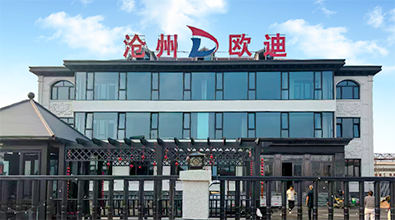
Since 1998, Oudi has been making high-quality pipe fittings for businesses in 40 countries that have very specific needs. They are experts in making pipe reducers that are concentric and made of carbon steel, stainless steel, and alloy steel. Our ISO 9001-certified factory in Cangzhou uses cutting-edge production tools to make 16,000 tons of products every year that are accurate in size and made of the same material all the way through. These products meet the toughest international standards, such as those set by ASME, ANSI, DIN, and JIS. As a recognized company that makes steel concentric pipe reducers, we can help you meet your quality assurance needs by giving you full mill test certificates and inspection records. Our technical team can help you figure out the best specifications for your application, whether you need normal catalog sizes or options that are specially made for you. Email us at oudi-04@oudiguandao.com to talk about your project needs and get detailed quotes that come with low prices and reliable shipping to your location around the world.
References
1. American Society of Mechanical Engineers. (2020). ASME B16.9: Factory-Made Wrought Buttwelding Fittings. New York: ASME Press.
2. ASTM International. (2019). ASTM A234/A234M: Standard Specification for Piping Fittings of Wrought Carbon Steel and Alloy Steel for Moderate and High Temperature Service. West Conshohocken: ASTM International.
3. Nayyar, M. L. (2019). Piping Handbook, 8th Edition. New York: McGraw-Hill Education.
4. Singh, R. K. & Solanki, V. S. (2018). Industrial Piping Design and Installation: A Practical Guide. New Delhi: PHI Learning.
5. Ellenberger, J. P. (2021). Piping and Pipeline Calculations Manual: Construction, Design, Fabrication, and Examination, 2nd Edition. Oxford: Butterworth-Heinemann.
6. Mohitpour, M., Golshan, H., & Murray, A. (2017). Pipeline Design and Construction: A Practical Approach, 3rd Edition. New York: ASME Press.

Need help finding the right solution with our experts. Please contact us.
SINCE 1998 Your Reliable Pipeline Manufacturer