Understanding Butt Weld Pipe Tee in Modern Piping Systems
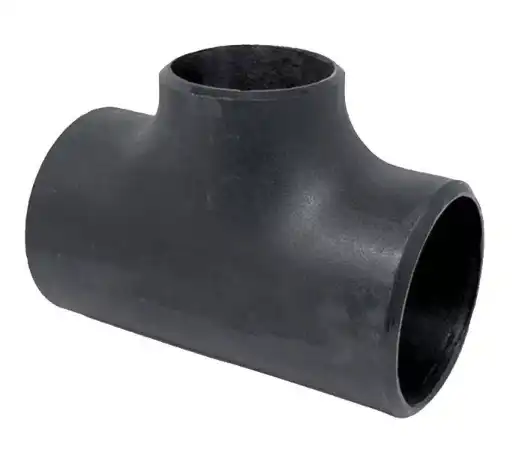
A butt weld pipe tee is a three-way pipe fitting part with beveled ends that is made for stable welding links in important pipe structures. This fitting lets fluids flow in different directions or come together at junction places. Its full-penetration welds give it better structural stability. These tees are made from carbon steel, stainless steel, and alloy steel, and they meet strict international standards such as ASME B16.9 and ASTM requirements. They get rid of problems that usually happen with threaded connections, like turbulence, trapped pockets, and limited corrosion. At the same time, they keep things from leaking at high pressures and temperatures.
What Is a Butt Weld Pipe Tee and Its Key Specifications?
It's important to know what a butt weld pipe tee is and how it works. Butt-weld pipe tees are important parts of modern pipe networks because they connect pipes together and make branches that let controlled flow go in different directions. In contrast to mechanical fittings that rely on threads or compression, these specialized parts join pipes together by welding them together. This way of designing puts structure continuity first and eliminates rid of any weak spots that could let the system's stability slip.
Types of Butt Weld Pipe Tees
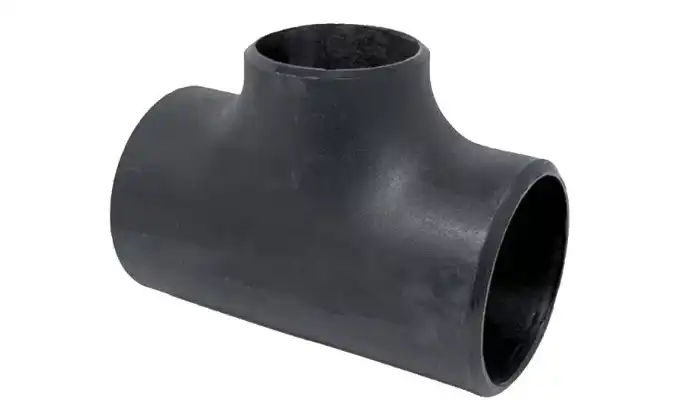
The three main designs cater to various pipe requirements. Equal tees have the same width in all three holes, which makes them perfect for systems that need to distribute flow evenly. Because the branch connection on a reducing tee is smaller than the main run connection, it is possible to switch between pipe sizes without using extra reducers. Lateral tees set the branch outlet at a 45-degree angle instead of the usual 90-degree angle. This makes the most of limited space and improves flow patterns in complicated plans. The manufacturing methods significantly influence the final product's outcome. Hydraulic bulging is an advanced method of shaping metal in which special presses pour liquid into tube blanks that are the right width for the tee. When coordinated cylinders squeeze the blank, the pressure inside rises until the metal flows outward, making the branch hole. This method makes walls that are all the same width and changes that are smooth, which gives the structure better strength. Hot press making is an alternative method that flattens oversized tube blanks before reworking them to the final size, but it isn't used very often because it costs more to make.
Material Standards and Specifications
Choosing the right materials has a direct effect on how well they work in tough industrial settings. Carbon steel types that meet ASTM A234 WPB standards have excellent mechanical qualities and aren't too expensive, so they can be used for a wide range of tasks in water and oil systems. Stainless steels that meet ASTM A403 WP304/316 standards are very resistant to corrosion in chemical processes and marine settings, but they are pricier, so funds for purchases need to account for that. In power plants and high-temperature steam systems, alloy steel types like ASTM A234 WP11/22 can handle high temps and high pressures. Dimensional compliance follows ASME B16.9 standards, which make sure that everything works with each other in global supply lines. Wall thicknesses from Schedule 10 to Schedule XXS can be used to meet different pressure needs, and ASME B16.25 specifies the exact shape of butt weld pipe tee end preparations. Following these rules will ensure that the parts fit correctly during fitting, which will make welding easier and keep the quality of the joints consistent. Pressure ratings match the capabilities of connected pipes. Ratings usually range from 150# to 2500#, but can be higher or lower based on the material grade and wall thickness.
Performance Characteristics
The design of the full-penetration weld makes the joint 100% efficient, which means that the strength of the link is the same as the strength of the base pipe. This trait is crucial in systems with big effects, like those that could damage the environment or shut down operations if they fail. Radius-shaped changes on the inside of the surfaces keep the flow efficient throughout the pipe network by reducing noise and pressure drop. In slurry or abrasive fluid uses, smooth hole shapes keep particles from building up and stop erosion. Stress-relieved manufacturing processes make things more resistant to stress in places like power plants and petroleum plants, where temperatures change a lot. The even spread of wall thickness stops stress concentration spots that could lead to crack formation. During production, non-destructive testing finds any internal breaks and makes sure that only defect-free parts get to the customer sites.
Comparing Butt-Weld Pipe Tee with Other Pipe Tee Types
Knowing the differences between the different tee designs helps procurement professionals make smart choices that meet the project's needs and stay within budget. Each connection method has its own pros and cons that affect system performance and maintenance frequency.
Butt Weld vs. Socket Weld Tees
Socket weld tees have recessed holes that fit pipe ends and fillet welds to keep the link strong. Even though it's easier to install because of the socket design, harmful fluids build up inside it, which slows down the process. These areas speed up localized corrosion in chemical service, which could cause breakdowns to happen before they should. Because the joint strength of a fillet weld is smaller than that of a butt weld pipe tee full-penetration weld, socket weld fittings can only be used in low-pressure situations below 3000 psi. Butt-weld pipe tee designs get rid of worries about crevice corrosion by having smooth inside areas that keep fluid from pooling. The full entry of the weld provides it the same strength as the base pipe, so it can handle the highest temperatures and pressures that are possible in plumbing systems. A radiographic scan checks the quality of the weld all the way through the joint, giving you peace of mind that it meets nuclear and critical process standards.
Butt Weld vs. Threaded Tees
Male and female threads that are bound with a thread compound or tape interfere mechanically with each other to make threaded links. This method lets you put things together in the field without using special welding tools. This lowers the cost of installation in low-pressure utility and building services systems. But when the thread engages, it causes turbulence and big drops in pressure as the fluid moves through the broken hole. Vibration slowly loosens threaded joints, so they need to be serviced on a regular basis to keep leaks from happening. Welded links are more reliable in places with a lot of vibration and moving tools because they are permanent. Smooth internal bore shapes keep flow efficient, which lowers the cost of pumps over the life of the system. The original installation requires skilled welders and the right steps, but the lack of regular upkeep saves money in the long run.
Material Considerations in Selection
Carbon steel is the most common industrial material because it is strong and rust-resistant. In slightly corrosive environments, covering the surface or using cathodic protection can make something last longer. Different types of stainless steel can handle harsh chemicals. Austenitic types like 304 and 316 can work in a wide range of settings that contain acids, caustics, and chlorides. Duplex stainless steels are resistant to rust and stronger, so they don't need as thick of walls in uses that need to save weight. Different types of alloy steel are made to handle different temperatures. For example, chromium-molybdenum grades keep their mechanical qualities above 1000°F. These special materials are used in fossil and nuclear power plants where the temperatures of the steam are higher than what carbon steel can handle. The strategy for buying things matches how well they work with how much they cost. Often, they separate important services that need high-quality materials from general uses that only need carbon steel.
How to Choose and Procure the Right Butt-Weld Pipe Tee?
The first step in strategic procurement is to do a full study of the operating parameters and system needs for a butt-weld pipe tee. This organized method lowers risk while maximizing lifetime costs for investments in pipe infrastructure.
Defining Technical Requirements
Ratings for pressure and temperature are what specifications are built on. Based on the properties of the material, the width of the wall, and the running temperature, design experts figure out the highest working pressure that is allowed. Over the planned service life, safety factors take into account things like pressure spikes, thermal expansion loads, and possible corrosion limits. The type of fluid affects the choice of material suitability. For example, corrosive chemicals need stainless steel or specific metals, while benign fluids let you choose carbon steel. The size requirements must match the measurements of the pipes that link them, and you should think about whether equal or reduced configurations will work best for the job. Branch orientation decisions are based on how the flow needs to be distributed. Lateral tees work best in tight installation places. When choosing a schedule thickness, you have to weigh the need for pressure control against weight and cost. This is especially important for large-diameter systems where the amount of material used has a big effect on budgets.
Supplier Evaluation Criteria
Quality standards are the first consideration when evaluating a seller. Obtaining certification as an ISO 9001 quality management system demonstrates your commitment to setting process controls and ongoing growth. Special equipment production permits make sure that pressure vessel parts are in line with regulations. Material test results indicate that the chemical makeup and mechanical properties meet the required standards. Finished goods can be tracked back to the heat numbers of the raw materials. How well suppliers can meet project numbers and delivery dates is based on their production skills. If the annual output capacity exceeds 16,000 tons, it means that the production infrastructure is well-established and can handle big orders without sacrificing quality. Advanced checking tools, including ultrasound testing, radiography, and spectrometer analysis, ensure thorough quality checks. Non-destructive testing can detect internal cracks that are invisible to the naked eye. This keeps faulty parts from getting to field installations.
Procurement Strategies
If you have previously exported, you are familiar with foreign standards and the necessary paperwork. Suppliers who work with buyers in Asia, Africa, the Americas, and Europe show that they can change to different quality standards and regulatory settings. This global view lowers the risks of buying when managing projects that span multiple countries and have different compliance requirements. When you work directly with a manufacturer, you can get better prices, more customization options, and better expert help. Companies like Oudi that have combined production sites can offer reasonable prices because they don't have to pay markups to distributors. Engineering teams help come up with specifications and make sure that the goods chosen meet the needs of the application. Bulk buying agreements use promises of large purchases to get better prices and make sure that there is a steady supply throughout the project's completion phases.
Lead time planning stops schedule delays that cause other parts of the project to run behind schedule. Setting realistic delivery standards means being clear on how long it will take to manufacture, check, and ship the goods. Keeping a backup stock of long-lead specialty items can help protect against problems in the supply chain. Managing cash flow and building relationships with suppliers are both balanced by payment terms. For added security for both parties, payments that are tied to manufacturing goals are made in stages.
The total cost of ownership includes more than just the price of the item itself. It also includes how well it is installed, how often it needs to be maintained, and how long it lasts. Even though premium materials cost more to buy, they often end up saving you money in the long run because they last longer and need less maintenance. When procurement teams are involved early on in project planning, these trade-offs are minimized because the choice of components is more in line with practical goals and the available budget.
Installation and Welding of Butt-Weld Pipe Tees
The dependability and service life of a butt weld pipe tee are directly affected by how well it is installed. Following set processes and quality standards will keep the system working without leaks for decades.
Surface Preparation and Fit-Up
Carefully preparing the pipe ends and tee bevels is the first step to successful welding. Cutting methods must make faces that are straight and clean, without distorting them or using too much heat. When using the right tools, mechanical cutting gives you a better edge quality than thermal methods that create heat-affected zones. Beveling tools, also called mills, make the land the right thickness and bevel angle, which is usually 37.5 degrees for most uses. Cleaning gets rid of impurities that could hurt the quality of the weld. Scale and rust can be removed by wire brushing, and oils and greases can be removed by liquid wiping. To keep pollution from getting stuck during welding, internal areas need to be cleaned. Fit-up verification makes sure that everything is lined up correctly, and the gap readings match the requirements of the welding process. Tack welds briefly hold parts in place, and they are spread out in a way that keeps them from warping during the final welding.
Welding Process Selection
Gas tungsten arc welding (GTAG/TIG) makes root passes of higher quality, especially in stainless steel and other important jobs that need to be x-rayed. Precise spark control and inert gas protection make clean welds, free of slag, and have great penetration. Gas metal arc welding (GMAW/MIG) may be used in later fill and cap passes to speed up the casting process. Manual shielded metal arc welding (SMAW) is still commonly used in the field, where flexibility is more important than output. Parameters like amperage, voltage, trip speed, and interpass temperature limits are set by qualified welding processes. Individual ability is checked for welder qualification testing by destroying test tickets. Procedures and performance standards are in line with ASME Section IX or similar rules, and records are kept throughout the project's completion.
Quality Assurance and Inspection
The first quality check is a visual inspection, which finds any surface flaws, undercuts, or gaps in the union. Verification of dimensions proves the right height and width of the support. Non-destructive testing methods show situations inside that can't be seen from the outside. X-rays subject the film to ionizing radiation that goes through the weld. Once the film is processed, it shows areas of porosity, slag inclusions, or poor fusion. Surface-breaking flaws are shown by fluorescent or visible dyes in liquid penetrant tests. Acceptance criteria look at the relevant rules and project standards, and repair processes deal with signs that something should not be accepted. Post-weld heat treatment lowers leftover stresses in thick-wall carbon steel and alloy steel parts, making them less likely to crack from stress corrosion and making them more stable in their dimensions. Material certificates, welding records, and inspection reports are all put together in documentation packages. These provide lasting quality records that are needed to meet regulations and for future use.
Applications and Industry Use Cases of Butt-Weld Pipe Tees
These flexible butt-weld pipe tees serve important structures in many different types of industries, each with its own problems and performance needs.
Oil and Gas Production
In gathering systems that take oil and gas from wellheads to processing plants, upstream facilities depend on welded tees. Sour gas conditions with hydrogen sulfide mean that the fittings have to be made of special materials that don't crack when exposed to sulfur stress. Offshore platforms need small designs that keep the structure strong against wave loads and temperature changes while keeping the weight down. Subsea systems use metals that don't rust and can be exposed to salt water for decades without losing their protective coating. There are tees at pump stations, metering skids, and ownership transfer places in midstream pipeline networks. When high-pressure transmission lines work at more than 1500 psi, they need heavy-wall joints that have full weld penetration and strict quality checks. To keep costs down while still protecting against rust, refined product distribution systems often choose coated carbon steel for general use and stainless steel for important parts.
Chemical and Petrochemical Processing
Process plants move harsh chemicals around at high temperatures and pressures, so they need materials that are especially made for each fluid service. For sulfuric acid systems, you need high-silicon steel metals, and for caustic service, you need nickel-based materials. Reactor discharge pipes can handle thermal shock when process upsets cause sudden changes in temperature, thanks to steel metals that are very tough. Heat exchanger pipe networks move media for heating and cooling through process units. Repeatedly changing the temperatures causes wear stresses that welded tees must be able to handle without cracking. Choosing the right materials and doing stress analysis during design keeps things from breaking down too soon, which would stop production and pose safety risks.
Power Generation Facilities
High-pressure steam flows through the superheater, reheater, and engine units in fossil fuel plants. Chrome-moly alloy steel tees that work above 1000°F keep their creep strength even after decades of constant use. Feedwater systems need to be soldered together, which gets rid of the problems with crevice rust that come with mechanical valves. Stainless steel or copper-nickel alloys are used in condenser cooling water lines because they don't rust or grow biofouling in seawater. Nuclear sites have the strictest quality standards. They use materials that can be tracked, impact tests, and lots of paperwork to make sure they meet the requirements of the ASME Section III nuclear code. Every weld is x-rayed and has to meet strict acceptance criteria that are higher than normal power plant standards.
Water and Wastewater Treatment
At the main line branches that serve residential and business areas, welded tees are used in municipal water delivery networks. Cement-mortar-lined carbon steel protects against rust in drinkable water service at a low cost. Hydrogen sulfide rusting can't happen in wastewater collection systems because the right materials are used. Stainless steel is often used for important parts. The process pipes in a treatment plant move cleaned water, active sludge, and chemical feeds through systems for filtering, disinfection, and dumping. The strong construction can handle situations like freeze-thaw cycles and UV light when installed outside. Pressure rates take into account how much the pump is discharging while still leaving room for water hammer events.
Conclusion
Butt-weld pipe tees represent important parts of infrastructure that ensure fluids can flow reliably through important industrial systems. Because they are permanently welded, they are stronger, won't leak, and last longer than mechanical options. This is why they need more fitting knowledge. Different types of materials can be used for a wide range of tasks, from normal water service to harsh conditions in industrial and power plants. For procurement to go well, technical needs must be balanced with economic facts. Qualified sellers with quality certifications, production skills, and global service experience must be sought out. Perfect installation needs careful planning, skilled welding, and thorough testing processes that check the quality of the weld on the inside. By putting money into good planning, buying, and building methods, these investments pay off over many years by keeping costs and risks to a minimum.
FAQ
What material should I select for corrosive chemical service?
Different types of stainless steel are resistant to rust in a wide range of chemical conditions. Type 316 is better than Type 304 at protecting against chloride-induced pitting. Different metals, like Hastelloy for hydrochloric acid or Monel for hydrofluoric acid, may be needed for different chemicals. By using corrosion resistance charts and suitability tests, you can avoid making expensive mistakes when choosing materials that could cause them to fail early or cause safety incidents.
How do I verify supplier quality certifications?
Ask for copies of the ISO 9001 certificates and licenses to make special tools, and make sure they are still valid and cover the goods you want to buy. Each package should come with a material test record that lists the chemicals used, the mechanical properties, and the production heats that the materials were made with. There are third-party inspection services that can do workplace audits and watch how tests are done. This gives manufacturers and their quality control systems an outside check.
What is the difference between seamless and welded butt-weld pipe tees?
Seamless tees are made from solid bar stock and don't have any lengthwise welds. This means that the qualities of the whole part are the same. This way of making things usually costs more, but it works perfectly in high-pressure situations where dependability is very important. Welded tees are made from plate or pipe materials and have longitudinal seam welds that make them a cheap alternative for normal pressure uses. Both types go through similar inspection and heat treatment steps. The type that is chosen depends on the pressure needs and the budget.
Partner with Oudi for Your Butt Weld Pipe Tee Requirements
Choosing the right butt weld pipe tee manufacturer affects the success of the project by affecting the quality of the product, the dependability of shipping, and the ability to provide expert support. From our 66,600-square-meter factory in Cangzhou, China, Oudi has been making fittings out of carbon steel, stainless steel, and alloy steel for the global pipe business since 1998. Our ISO 9001:2000 quality management system and special equipment production license show that we are dedicated to making the best parts possible.
With the ability to produce 16,000 tons per year and high-tech testing tools, we help with projects all over the world in the oil and gas, chemical processing, power generation, and water treatment industries. Our engineering team helps you come up with specifications, which make sure that ensure the parts you choose meet all of your exact application needs. Over 300 customers in 40 countries trust our goods for their most important pipe networks. These customers are in places like gas processing plants in the Middle East and factories in Europe.
You can get a lot out of working with a committed butt-weld pipe tee provider who puts quality, low prices, and quick customer service first. Email our team at oudi-04@oudiguandao.com to talk about the details of your project, get thorough technical paperwork, or get a full quote. Let us show you how our knowledge and production skills can improve the performance of your pipe system and make your purchases more efficient.
References
1. American Society of Mechanical Engineers. (2020). ASME B16.9: Factory-Made Wrought Buttwelding Fittings. New York: ASME Press.
2. American Society of Mechanical Engineers. (2021). ASME B16.25: Buttwelding Ends. New York: ASME Press.
3. ASTM International. (2019). ASTM A234/A234M: Standard Specification for Piping Fittings of Wrought Carbon Steel and Alloy Steel for Moderate and High Temperature Service. West Conshohocken: ASTM International.
4. ASTM International. (2020). ASTM A403/A403M: Standard Specification for Wrought Austenitic Stainless Steel Piping Fittings. West Conshohocken: ASTM International.
5. Parisher, Roy A. and Rhea, Robert A. (2012). Pipe Drafting and Design (3rd ed.). Burlington: Gulf Professional Publishing.
6. Nayyar, Mohinder L. (2000). Piping Handbook (7th ed.). New York: McGraw-Hill Professional.

Need help finding the right solution with our experts. Please contact us.

SINCE 1998 Your Reliable Pipeline Manufacturer



