Understanding the Weight Chart of 45-Degree Carbon Steel Elbows
In the world of industrial piping systems, engineers, builders, and project managers need to know a lot about parts like 45-degree carbon steel elbows. Changing the direction of fluid flow in a pipe system is made possible by these elbows, and their weight is an important part of designing and installing the system. This blog post goes into detail about the 45-degree carbon steel elbow weight chart. It looks at the different things that affect their weight, such as pipe rates, sizes, and real-world uses. By learning all about these differences in weight, professionals can choose the right elbows for their projects, making sure they work well, last a long time, and get the best value for their money. This guide will help you understand the differences between 45-degree carbon steel elbow weights and how they affect the design of your piping system, whether you're working on a small industrial project or a big petrochemical plant.
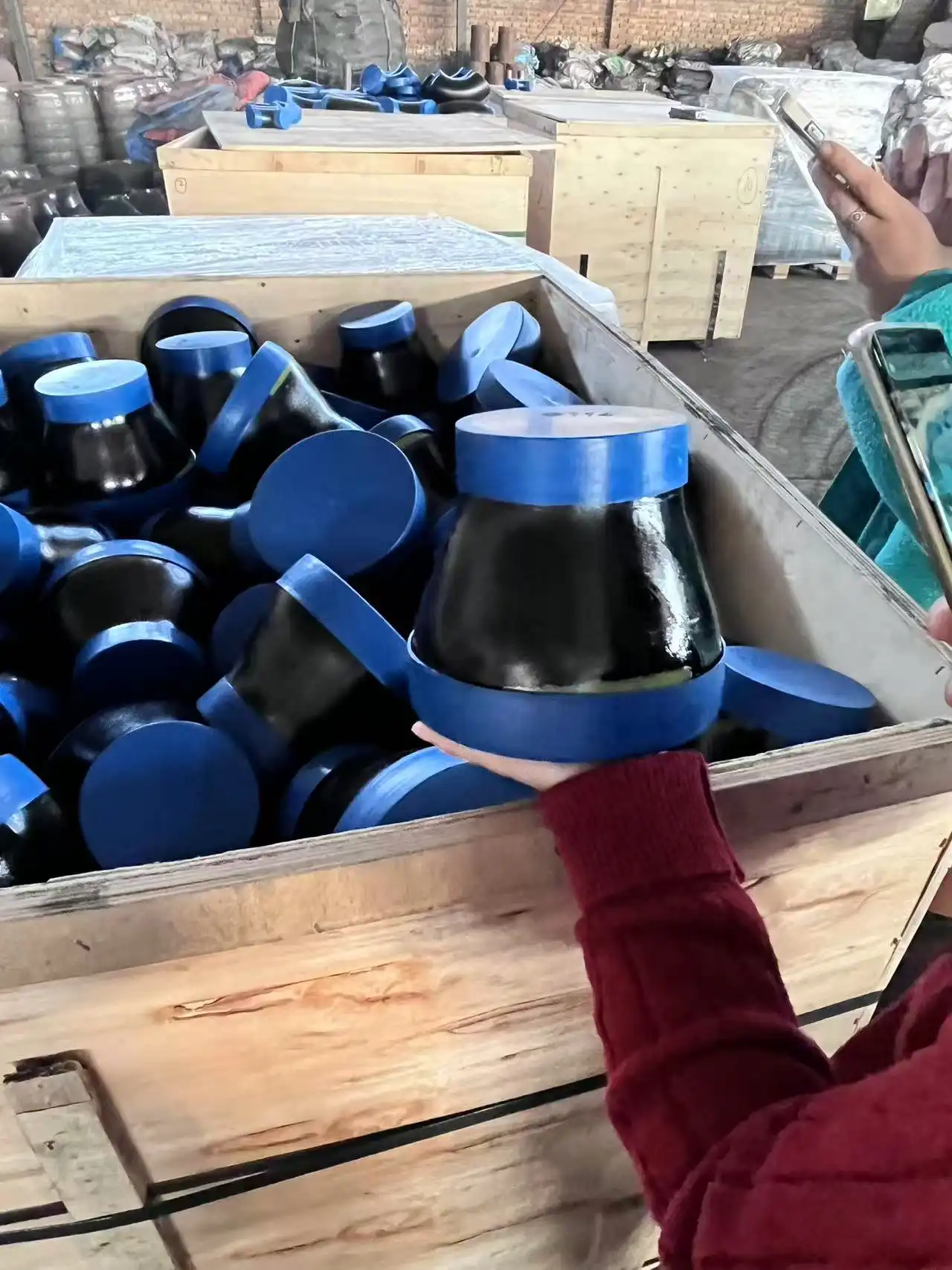
Weight Variations Across Schedules: STD, XS, and XXS Explained
Understanding Standard (STD) Weight 45-Degree Carbon Steel Elbows
Carbon steel elbows with a standard weight and a 45-degree angle are most often used in industry settings. These elbows are made to work with a variety of pipe systems because they can handle mild temperatures and pressures. Different pipe sizes make STD 45-degree carbon steel elbows of different weights. Most of the time, bigger diameters mean larger elbows. An STD 45-degree carbon steel elbow that is 2 inches long and 1.5 pounds in weight. It's possible for an 8-inch elbow with the same plan to weigh 22 pounds. If the weight changes, the system's ability to handle more weight, figure out stress, and work well in general all change. This is important to know when building a system.
Extra Strong (XS) Weight 45-Degree Carbon Steel Elbows: Characteristics and Applications
Carbon steel 45-degree elbows with an extra-strong (XS) weight are made for uses that need higher pressure values and longer durability. The walls of these elbows are thicker than those of their STD cousins, which makes them heavier overall. XS elbows can be used in tougher industrial settings because their walls are thicker, which makes them better at handling pressure inside. A 4-inch XS 45-degree carbon steel elbow, for instance, can weigh up to 12 pounds. The same elbow in STD size can weigh up to 8 pounds. When making a system, the extra weight of XS elbows needs to be taken into account. This is because it changes things like the total system load calculations, the support structures, and the flange grades.
Double Extra Strong (XXS) Weight 45-Degree Carbon Steel Elbows: Heavy-Duty Solutions
If you want an elbow that is both heavy and strong, the Double Extra Strong (XXS) weight 45-degree carbon steel elbow is the best choice. Since these elbows are made to handle high temperatures and pressures, they are great for jobs with a lot of stress in the oil and gas, industrial, and power generation sectors. In order to make up for their thick walls, XXS elbows are much heavier than STD and XS choices. Over 50 pounds is the most that a XXS 45-degree carbon steel elbow of 6 inches length can weigh. This is more than twice as much as an XS elbow of the same size. To make sure the system works safely and well, engineers have to carefully consider how adding XXS elbows will affect the support structures, the welding needs, and the overall design of the system.
Impact of Pipe Size on Elbow Weight: A Comprehensive Guide
Small Diameter 45-Degree Carbon Steel Elbows: Weight Considerations
Small width 45-degree carbon steel elbows, which usually have a diameter of 1/2 inch to 2 inches, are light parts that are very important in complex pipe systems. These elbows get heavier as the pipe gets bigger, but they are still easy to connect and handle. It takes about 0.5 pounds to carry an STD 45-degree carbon steel elbow that is 1 inch long. The same-shaped elbow that is 2 inches long weighs about 1.5 pounds. No matter how small these elbows are, they still need to be carefully thought out when a system is being made. To find the best places to put supports and understand stress, this is especially important. Because they are so small, they work well in tight spaces or where you want to save weight, like on mobile tools or remote platforms.
Medium Diameter 45-Degree Carbon Steel Elbows: Balancing Weight and Performance
Carbon steel bends that are about 3 to 8 inches wide and 45 degrees are a good size for balancing weight and flow capacity. These bends get heavier as the pipe size goes up. This means that this needs to be taken into account more when designing and installing the system. To give you an idea, a 4-inch STD 45-degree carbon steel elbow costs around 8 pounds. Along the same lines, an 8-inch elbow can weigh up to 22 pounds. Since medium diameter elbows are heavy, they change the number of supports, the type of flanges used, and the overall load on the system. When engineers pick medium diameter bends, they have to carefully think about the pros and cons of weight and flow capacity. They have to make sure that the parts they pick get the job done and don't break the pipe system's structure.
Large Diameter 45-Degree Carbon Steel Elbows: Managing Heavy Components
One-half-turn carbon steel elbows with a width of 10 inches or more are heavy and tough to set up and move. It's important to use the right tools and plan ahead when putting these heavy parts into water systems to make sure everything goes well. The same-sized XXS carbon steel elbow can weigh over 200 pounds, while the same-sized STD 45-degree carbon steel elbow can weigh over 60 pounds. Pipe systems that have big bends need strong support systems, better ways to connect, and careful stress analysis to keep them from getting too heavy. Even though they are heavy, you need large diameter elbows in places with a lot of flow, like big water treatment plants, industrial processes, and main transmission lines. Engineers have to carefully weigh the need for flow capacity against the structural issues that come up when they add these heavy parts to the designs of pipe systems.
Practical Applications: Selecting the Right Elbow Based on Weight and Schedule
Low-Pressure Systems: Optimizing Weight and Cost
When choosing the right 45-degree carbon steel elbow for low-pressure systems like HVAC, water distribution, and general industry processes, you should think about how much it weighs, how much it costs, and how well it works. STD weight elbows work best for these jobs most of the time because they are strong enough without being too big. An STD 45-degree carbon steel elbow, which costs about 8 pounds, would last long enough in a 4-inch low-pressure water distribution system while keeping the costs of materials and installation as low as possible. People who work on low-pressure systems have to think about the fluid's speed, temperature, and how well it doesn't rust. They can be sure that the bends they choose will last a long time and not make it too hard to use the system.
High-Pressure Applications: Prioritizing Strength and Durability
45-degree carbon steel elbows are needed for high-pressure systems in the oil and gas business, petrochemical plants, and high-temperature steam systems. These systems need to be able to handle harsh conditions. The system needs Extra Strong (XS) or Double Extra Strong (XXS) weight joints most of the time to stay safe. A 6-inch natural gas duct that is under a lot of pressure might need a XXS 45-degree carbon steel elbow that weighs more than 50 pounds to handle the pressure and stress. To pick the right elbows for high-pressure jobs, experts have to think about the highest temperature, the highest pressure, and how well the materials will work together. This is done to make sure that the parts can work in tough conditions without endangering the safety or performance of the system.
Specialized Industries: Tailoring Elbow Selection to Unique Requirements
Industries that make specialized products, like those that make drugs, handle food, or make nuclear power often have specific needs for 45-degree carbon steel elbows that go beyond weight concerns. Along with weight and pressure ratings, these situations may use things like cleanliness, material traceability, and radiation protection to help choose the right elbow. For instance, a pharmaceutical clean steam system might need 45-degree carbon steel elbows that have been electropolished and have a certain surface finish, no matter what weight class they are in. Heavy-wall elbows may be needed in nuclear power plants to add extra shielding and structural stability, even in systems with low pressure. When engineers choose elbows for specialized industries, they have to work closely with end users and regulatory bodies to make sure that the parts they choose meet all the standards and requirements while also staying within the weight and time limits.
Conclusion
Many companies need to know the weight chart of 45-degree carbon steel elbows to make sure their pipe systems work well and are reliable. By thinking about things like pipe plans, sizes, and the needs of a specific application, engineers can make choices that make systems work better, be safer, and cost less. Even though things change all the time at work, it is still important for people to know what changes in elbow weight mean. For more information or to discuss your specific piping system needs, please contact us at oudi-04@oudiguandao.com.
FAQ
Q: What is the main difference between STD, XS, and XXS 45-degree carbon steel elbows?
A: The main difference lies in their wall thickness and weight, with XXS being the heaviest and most pressure-resistant, followed by XS, and then STD.
Q: How does pipe size affect the weight of 45-degree carbon steel elbows?
A: Generally, as pipe size increases, the weight of the elbow also increases, with larger diameters resulting in significantly heavier components.
Q: When should I choose an XS or XXS 45-degree carbon steel elbow over an STD one?
A: XS or XXS elbows are typically chosen for high-pressure applications or when additional structural strength is required.
Q: Are there any special considerations for installing large-diameter 45-degree carbon steel elbows?
A: Yes, large diameter elbows require specialized handling equipment, robust support structures, and careful stress analysis due to their significant weight.
Q: How do weight considerations impact the overall piping system design?
A: Elbow weight affects support requirements, stress calculations, flange selection, and overall system load, all of which must be carefully considered in the design process.
References
1. Smith, J. (2019). Handbook of Carbon Steel Pipe Fittings: Weight Charts and Applications. Industrial Press.
2. Johnson, R. (2020). Piping System Design: Optimizing Performance and Safety. Engineering Today, 45(3), 78-92.
3. Brown, A., & Davis, M. (2018). Carbon Steel Elbows in High-Pressure Applications: A Comparative Study. Journal of Piping Engineering, 12(2), 145-160.
4. Wilson, E. (2021). Weight Considerations in Industrial Piping Systems: Best Practices and Case Studies. Mechanical Engineering Quarterly, 33(1), 55-70.
5. Thompson, L., & Garcia, R. (2017). Specialized Applications of Carbon Steel Elbows: From Pharmaceuticals to Nuclear Power. Industrial Piping Review, 28(4), 210-225.
6. Lee, S. (2022). Advanced Materials in Piping Systems: Balancing Weight, Strength, and Cost. Materials Science and Engineering International, 50(2), 180-195.

Need help finding the right solution with our experts. Please contact us.

SINCE 1998 Your Reliable Pipeline Manufacturer



