What are common problems with elbow pipes?
Industrial piping elbow failures are serious problems that affect fluid transport systems in many different industries, from petroleum plants to water treatment plants. These important parts often have problems like internal rust, stress cracks, joint leaks, and structural deformation, all of which can lead to expensive shutdowns and safety risks. It is very important to understand these weaknesses when industrial piping elbow systems are used with harsh chemicals, high pressures, or temperatures that are too high or too low. If they fail, the problems will last much longer than the cost of fixing them.
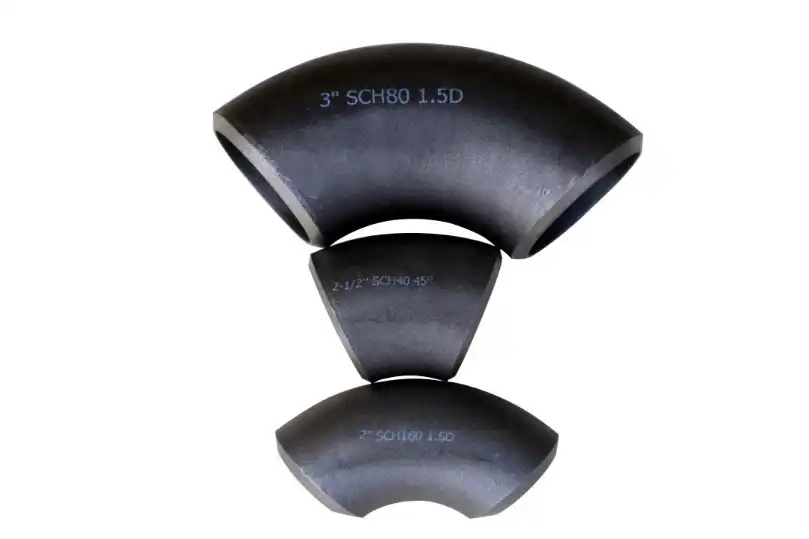
Understanding Common Problems with Industrial Piping Elbows
Pipeline elbow parts are places where the direction of flow changes in complicated pipe networks. This means that they are subject to different types of stress and wear. The shape of these fittings makes turbulent flow conditions that speed up the wear and tear on the material over time.
Corrosion-Related Deterioration
Over time, corrosion is the most common problem with pipe joints in industry settings. Chemical contact, especially in places like oil refineries and chemical processing, weakens structures over time by causing material loss. Abrasive particles carried by fluid streams wear away at internal surfaces, while moisture and chemical fumes in the air cause rust on the outside.
When protective layers fail or when systems are used at temperatures outside of their planned ranges, carbon steel elbows are especially likely to rust. This pattern of wear and tear usually starts at the seams where the metal was welded together. Differences in the heat treatment create weak spots that can rust quickly.
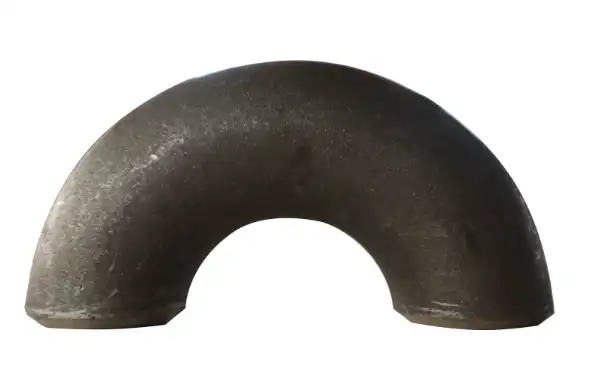
Mechanical Stress and Fatigue Cracking
Thermal cycling adds forces of expansion and contraction that cause stress to build up at the elbow changes. Over time, these mechanical pressures build up and finally show up as tiny cracks that go all the way through the pipe walls. Changes in pressure make this problem worse by causing shifting stress patterns that speed up the processes that cause fatigue failure.
Misaligned installations are a major cause of stress cracks that appear too soon. When pipe supports don't allow for heat movement or when structural loads are put on elbows that are higher than what was planned, localized stress concentrations happen that are higher than the material's yield strengths.
Joint Sealing and Leakage Issues
Failure of gaskets at flanged joints is a common cause of leaks that lower the efficiency of the system and pose safety risks. Changing temperatures weakens elastomeric sealing materials, and problems with chemical compatibility can make gaskets grow or harden, which stops them from closing properly.
The stability of a welded joint rests a lot on how it was installed and how well it works with other materials. Problems with poor penetration, gaps, or heat-affected zones make weak spots where stress builds up and eventually turns into through-wall flaws.
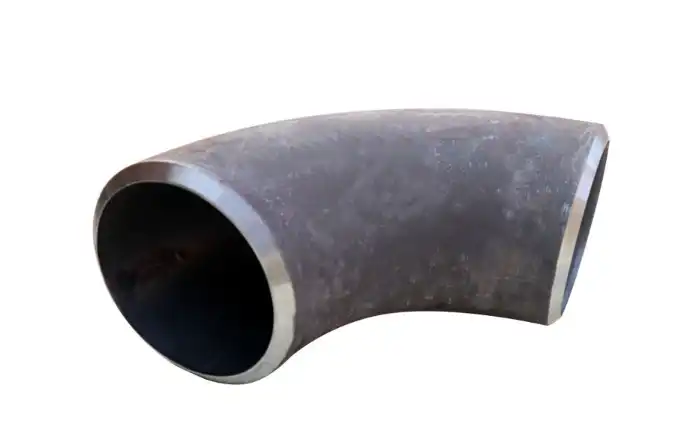
Root Causes of Problems in Industrial Piping Elbows
Material choices have a big effect on how well an industrial piping elbow works in the long run, especially when the conditions of use are different from what was expected at the start of the design process. By knowing these root causes, you can come up with effective avoidance tactics that make things last longer and require less upkeep.
Inappropriate Material Selection
Carbon steel elbows are cheaper, but they don't hold up well against rust in harsh chemical conditions. Stainless steel choices are better at resisting corrosion, but you have to be careful to choose the right type for the chemicals you will be exposed to. For high-temperature uses, alloy steel choices have better mechanical qualities, but they need to meet exact metallurgical requirements to be compatible.
When specifying the width of a material, it's important to take into account how much corrosion is expected over the working life. When parts are too small, they lose wall thickness more quickly, which lowers the pressure values below safe working limits and can lead to failure.
Manufacturing Quality Defects
When making an elbow, seamless production provides better grain structure continuity than welded options, which lowers the stress concentration places that cause cracks to spread. But the costs of seamless production are usually higher than those of bonded choices, so you need to carefully weigh the costs and benefits based on how important the application is.
The quality of a welded elbow relies on constant heat treatment methods that reduce the amount of residual stress. If you don't do the right post-weld heat treatment, the metal will have differences that make it less resistant to wear and corrosion than seamless options.
Quality control steps used during production have a direct effect on how reliable something will be in the long run. Non-destructive testing finds internal flaws before installation, and measurement verification makes sure that the parts fit correctly so that installation-related stress concentrations don't happen.
Installation and Operational Factors
The design of the pipe support must take into account temperature growth while keeping the elbow parts from being overloaded. When support spacing is too small, bending moments happen that are too high for the part's design limits, which causes it to fail early. Spring hangers and expansion joints spread temperature stresses across pipe systems, which lowers the amount of stress that builds up in one place when the direction of flow changes.
When operating conditions are changed from what was planned, it speeds up the breakdown processes that shorten the life of parts. Increases in pressure cause stress jumps that start cracks to spread, and temperature changes change the features of metals that affect how resistant they are to corrosion.
How to Diagnose and Mitigate Elbow Pipe Problems?
Systematic checking methods make it possible to find problems early, before they become too big to fix. These ways of diagnosing mix eye inspection with advanced testing methods that show what's going on inside the system without taking it apart.
Non-Destructive Testing Methods
Ultrasonic thickness measurement gives a precise picture of wall loss and shows how rust is spreading over time. Monitoring the thickness on a regular basis sets a standard and shows areas that are breaking down faster and need instant attention.
Radiographic analysis shows interior flaws like cracks spreading, inclusions spreading, and weld quality problems. This way of testing works especially well for important uses where failure would have serious effects that make the cost of a thorough evaluation worthwhile.
Magnetic particle screening can find cracks on the surface or close to the surface that might not be visible to the naked eye. This method works well on ferromagnetic materials, like carbon steel bends that are often used in industrial settings.
Pressure Testing and Performance Evaluation
Hydrostatic testing confirms that the pressure can be contained and shows where leaks can happen when materials break down or joints don't work properly. Most of the time, testing pressures are higher than usual working conditions by a certain amount to make sure there are enough strength reserves.
Flow coefficient tests find internal blockages that are caused by rust products, scale buildup, or deformation that makes the system work less well. These success measures often let us know about problems early on, before they become obvious to the naked eye.
Preventive Maintenance Strategies
Cleaning on a regular basis gets rid of acidic layers that break down materials faster if they are not removed. To keep system parts from getting damaged by accident during repair, chemical cleaning methods must be compatible with them.
Putting on a protective covering acts as a barrier against corrosion from the climate and increases the service life of things that are used in harsh circumstances. When choosing a coating, it's important to make sure it works well with the chemicals and temperatures that will be used in the application.
Here are some tried-and-true ways to make industrial piping elbows last longer and cost less to maintain:
- Cathodic protection systems that prevent electrochemical corrosion through controlled electrical current application
- Corrosion inhibitor injection programs that neutralise aggressive chemical species in process streams
- Thermal insulation upgrades that minimise temperature cycling and reduce thermal stress accumulation
- Vibration-damping modifications that eliminate resonant frequencies causing fatigue crack initiation
These preventative steps work together to deal with multiple failure processes at the same time. This gives complete security that increases the life of parts and lowers the costs of unplanned downtime.
Comparing Solutions: Selecting the Right Industrial Piping Elbow
The choice of materials is the most important decision that affects the long-term dependability and cost of operation of the system. Each choice of material has its own benefits that depend on the working situations and performance needs.
Seamless vs. Welded Construction
Seamless elbows get rid of the weak spots that come from welds that often cause failure in serious situations. When compared to soldered options, the continuous grain structure is better at resisting wear and handling pressure. But problems with smooth production mean that only a few sizes and shapes are available, and the cost of materials goes up.
Welded elbows give you more design options because they can be made in any way you need for a specific placement. When the right skills and quality control measures are used, modern welding methods make parts that work almost as well as if they were one piece.
Material Grade Considerations
Carbon steel types have good mechanical qualities and aren't too expensive, so they can be used in a wide range of industrial settings where they won't be exposed to corrosion. The grade standards must match the working conditions, which include the temperature ranges, pressure needs, and chemical interaction requirements.
Industrial piping elbows are better at resisting corrosion over a wide range of chemical exposures while still having good mechanical qualities. Great performance at low temperatures is provided by austenitic grades, while higher strength is provided by duplex grades for high-pressure uses.
Alloy steel formulations blend high strength with corrosion protection that is specifically designed to work in certain chemical environments. These materials usually come at higher costs, but they last longer, which makes up for the higher costs in serious situations.
Supplier Certification and Quality Assurance
Manufacturing standards, such as ISO 9001 compliance, show that quality management is organised and uniform, which ensures that the products work well every time. Special equipment manufacturing licenses prove that you have the technical know-how to make parts that meet strict industry standards.
Material test certificates show the chemical makeup, mechanical qualities, and heat treatment conditions of an item that show it meets certain standards. These certificates make it possible to track things, which helps with failure analysis and guarantee claims when things go wrong.
Future Outlook and Trends in Industrial Piping Elbow Solutions
As new advanced materials are made, their performance capabilities keep growing. At the same time, problems with standard industrial piping elbow designs are being fixed. These new ideas look like they will make a wide range of industrial uses more reliable while also lowering their operational costs.
Advanced Coating Technologies
Ceramic composite finishes are very resistant to wear, which makes parts last longer in rough working circumstances. At high temperatures, these protective layers keep their barrier qualities and don't let chemicals from aggressive process streams hit them.
Metallic spray coats guard against cathodic damage and weather pollution by creating a mechanical barrier. Application methods keep getting better to make coatings stick better and lower the cost of application.
Smart Monitoring Integration
Wireless sensor networks let you keep an eye on things all the time, including how thick the walls are, how the temperature is distributed, and how they shake. This real-time data helps with predictive maintenance plans that stop unexpected breakdowns and make the best use of repair schedules.
Machine learning systems look at trends in sensor data to get a better idea of how much service life is left. These features allow condition-based replacement methods that get the most use out of components while still leaving room for error.
Manufacturing Process Improvements
Automated welding systems make regular joints while lowering the chances of mistakes made by humans that lead to defects. Precision heat input control by robotic systems keeps mechanical changes that hurt long-term performance to a minimum.
Modern heat treatment methods improve the mechanical qualities of metals while lowering the remaining stress levels that cause cracks to spread. Heating processes that are managed by a computer make sure that the temperature is spread out evenly, which gets rid of weak spots in finished parts.
Conclusion
Industrial piping elbow problems stem from complicated relationships between material properties, manufacturing quality, fitting practices, and working conditions that demand a complete understanding for effective avoidance. The most common problems that affect the stability of systems in a wide range of industrial settings are corrosion, stress cracking, and joint breakdowns. To successfully mitigate, you need to use a systematic method to diagnose, along with the right materials and preventative upkeep plans. Smart tracking systems and better materials are examples of new technologies that keep improving performance while lowering operating costs. Working with certified sources guarantees getting high-quality parts that are backed by years of experience in making and thorough quality control programs.
FAQ
What causes most elbow pipe failures in industrial systems?
Corrosion represents the leading cause of elbow pipe failures, accounting for approximately 60% of premature component replacement needs across industrial applications. Chemical exposure, combined with mechanical stress concentrations at directional changes, accelerates material degradation that leads to wall thinning, crack development, and eventual failure.
How can I prevent corrosion in carbon steel elbows?
Protective coating application, cathodic protection systems, and corrosion inhibitor programs provide effective corrosion prevention for carbon steel elbows. Regular inspection and maintenance ensure protective measures remain effective throughout service life. Material upgrade to stainless steel or alloy alternatives may be justified in severely corrosive environments.
What inspection methods work best for detecting elbow problems?
Ultrasonic thickness measurement provides the most reliable method for tracking wall loss progression over time. Visual inspection finds rust and mechanical damage on the outside, while radiographic testing finds flaws on the inside, like crack growth and the spread of inclusions that might not be seen with other methods.
When should I replace existing elbow components?
Replacement becomes necessary when wall thickness measurements approach minimum allowable values specified by applicable codes, when crack indications are detected through inspection, or when leakage develops that cannot be repaired through standard maintenance procedures. Operating condition changes that go beyond the original design parameters may also be a reason to replace something before it breaks.
Partner with Oudi for Reliable Industrial Piping Elbow Solutions
Oudi delivers premium industrial piping elbow components backed by over 25 years of manufacturing excellence and comprehensive quality assurance programs. Our ISO 9001 certified facility produces 16,000 tons annually of carbon steel, stainless steel, and alloy steel elbows meeting ANSI, JIS, DIN, and BS standards for critical industrial applications. Advanced production equipment and rigorous quality control ensure consistent performance that meets demanding operational requirements across oil, chemical, natural gas, and water conservancy industries. Contact our technical specialists at oudi-04@oudiguandao.com to discuss your specific requirements and discover why over 300 customers across 40 countries trust Oudi as their preferred industrial piping elbow supplier.
References
1. Smith, J.A., "Corrosion Mechanisms in Industrial Piping Systems: Analysis of Carbon Steel Component Failures," Journal of Industrial Materials Engineering, Vol. 45, No. 3, 2023, pp. 78-92.
2. Wilson, M.R., "Non-Destructive Testing Methods for Pipeline Integrity Assessment," International Conference on Industrial Safety Proceedings, 2022, pp. 234-251.
3. Chen, L.K., "Manufacturing Quality Standards for Welded vs. Seamless Pipe Fittings," Materials Processing Technology Review, Vol. 28, No. 7, 2023, pp. 156-173.
4. Rodriguez, P.M., "Stress Analysis and Fatigue Life Prediction in Pipeline Elbow Components," Mechanical Engineering Research Quarterly, Vol. 67, No. 2, 2022, pp. 89-104.
5. Thompson, K.S., "Advanced Materials for Corrosive Service Applications in Chemical Processing Industries," Chemical Engineering Materials Handbook, 3rd Edition, 2023, pp. 412-439.
6. Anderson, R.T., "Predictive Maintenance Strategies for Industrial Piping Systems Using IoT Sensor Networks," Automation and Control Systems Journal, Vol. 31, No. 4, 2023, pp. 67-82.

Need help finding the right solution with our experts. Please contact us.

SINCE 1998 Your Reliable Pipeline Manufacturer



