Why Pipeline Elbows Are Critical in Oil and Gas Transportation?
Pipeline elbows are essential parts of oil and gas transportation systems that support directional control and allow fluid flow changes while keeping the integrity of the system. Pipelines can go around barriers, change elevations, and connect different parts of large transportation networks with the help of these specialized fittings, especially oil and gas pipeline elbow configurations. Without properly designed elbows, it would be very hard for the oil and gas business to get pipelines through complex industrial sites and over a wide range of terrain. Their important job goes beyond just changing the way of flow; it also includes managing pressure, making sure flow is optimized, and making sure the system works reliably in tough working conditions.
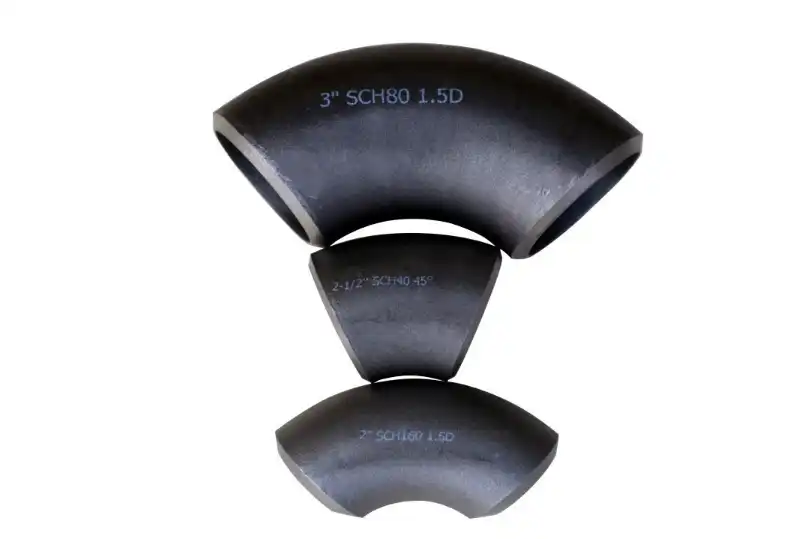
Understanding Oil and Gas Pipeline Elbows: Types and Specifications
Pipeline elbows are important parts for directing flow that make it possible for oil and gas transportation systems to work smoothly. These fittings let pipelines go in different directions while keeping the network's structure strong and its operations running smoothly.
Long Radius vs. Short Radius Elbows
Long radius and short radius bends are very different from each other in how they affect flow and how well the system works. Long radius elbows have a centerline radius that is 1.5 times the width of the pipe. This makes the flow changes smoother, which lowers pressure drops and smooths out the flow. These designs work great for high-flow situations where keeping the fluid moving smoothly is very important.
When you don't have a lot of room for fitting, short radius elbows with centerline radii equal to the pipe width can help. Their smaller size makes them useful for offshore platforms and urban sites where space constraints drive design parameters, even though they lose more pressure than long radius versions.
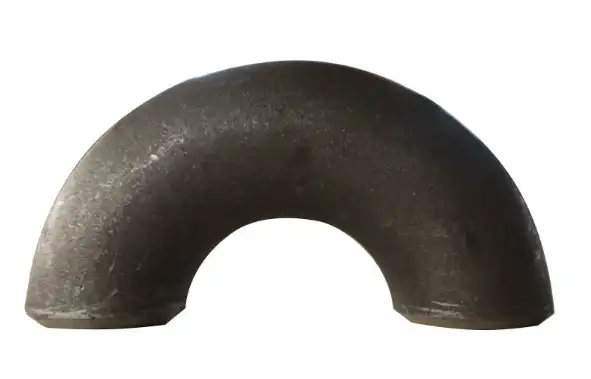
Seamless vs. Welded Construction
The making method for seamless oil and gas pipeline elbow fittings gets rid of the need for weld seams. This makes them better at handling pressure and resisting corrosion. In the seamless building method, solid billets are heated and shaped into the desired elbow shape without adding any weak spots that could happen with welding.
Welded elbows, which are made by bending and welding pipe pieces together, are a cheap way to solve problems that need mild pressure. Modern welding methods and quality control measures make sure that work is done correctly and at a price that is fair for big projects.
Standard Angles and Technical Specifications
The most common elbow angles in the industry are 45° and 90°, but unique angles can be made for specific uses. The 90-degree bends handle big changes in direction, while the 45-degree versions handle flow changes more slowly, which keeps hydraulic losses to a minimum in sensitive situations.
Important technical requirements include pressure values between 150 PSI and 2500 PSI, temperature ranges from -20°F to 1200°F, and compliance with foreign standards such as ISO 3183, API 5L, and ASME B16.9. These standards make sure that different operating needs can be met by oil and gas infrastructure projects around the world.
Functions and Advantages of Pipeline Elbows in Oil and Gas Transportation
Elbows in a pipeline are complex parts that change the flow in ways that go beyond simple direction changes. They improve the general performance and stability of the system. Their planned adoption makes a big difference in how well and how long the pipeline works.
Flow Efficiency and Pressure Management
Good pipeline bends keep the flow going smoothly by reducing noise and pressure drops when the flow changes directions. The designed curves and smooth inside surfaces cut down on energy loss that would have needed more pumping power and higher operating costs otherwise.
Choosing the right elbow has a direct effect on the hydraulics of the system. Fittings that are well-designed keep smooth flow patterns that keep fluid velocity and lower wear on parts further downstream. By using less energy and making tools last longer, this efficiency saves money in a measured way.
Enhanced Durability and Corrosion Resistance
Modern oil and gas pipeline elbow designs incorporate advanced materials and protection coatings that can stand up to tough circumstances. Different types of carbon steel are very strong mechanically, while different types of stainless steel are better at resisting rust in tough situations involving sour gas or harsh chemicals.
The seamless design gets rid of any places where rust could start, and special coats like fusion-bonded epoxy and polyethylene give extra protection from outside weather factors. These safety steps make sure that the system works well in harsh service conditions like offshore environments, underground sites, and chemically aggressive environments.
System Integration and Maintenance Benefits
Pipeline bends make system upkeep easier by making connection points easier to reach and lowering stress levels that could cause the system to fail early. Because their dimensions are standard, they are easy to change and require little downtime during routine repair.
Because elbow fittings are flexible, they can be used to add on to or change a pipeline in a planned way without having to completely rethink the system. This versatility is very helpful for expanding sites and changing operating needs in oil and gas environments that are always changing.
Comparison of Materials and Designs for Pipeline Elbows in Oil and Gas
The choice of material has a big effect on how well a pipeline elbow works. Different alloys have different benefits in different service situations and operating settings. By knowing these things about the materials, you can make smart decisions about what to buy that will improve the long-term stability of the system.
Carbon Steel vs. Stainless Steel Performance
Carbon steel elbows are very strong and don't cost a lot of money. They are commonly used in oil and gas applications. The ASTM A106 and API 5L types have been shown to work well in moderately corrosive settings, and their prices are still low enough for large-scale installs. Welding and milling the material make it easier to make changes and fixes in the field when they are needed.
Stainless steel types, especially 316L ones, are better at resisting rust, which is important for offshore bases and facilities that deal with high-sulfur crude oil. The chromium presence creates protective oxide layers that stop pitting and crevice rust. This makes the product last longer in harsh settings. However, the higher prices of the materials need to be carefully weighed against the expected service life and upkeep needs.
Alloy Steel Applications and Benefits
The curved shapes of oil and gas pipeline elbows made of alloy steel have chromium, molybdenum, and other alloying elements that make the steel stronger and better at withstanding high temperatures. These materials work great in places with a lot of heat and pressure, like refinery process units and improved oil recovery systems.
Alloy steels are more reliable at high temperatures than standard carbon steels because they are more resistant to creep and more stable at high temperatures. Some common types are ASTM A335 P11 and P22, which keep their structure integrity even when heated and cooled many times, which is common in process facilities.
Manufacturing Process Impact on Reliability
Seamless production methods get rid of longitudinal weld gaps that could weaken the pressure stability or act as places where corrosion can start. The hot forming process lines up the grain structures in the best way for stress distribution. This makes the material more resistant to wear under repetitive loading conditions.
Welded construction makes it possible to make custom shapes and parts with bigger diameters while still meeting performance standards. Advanced welding methods and heat treatment steps after the welding process make sure that the joint is strong and meets the performance standards of the industry.
Procurement Insights: How to Choose and Source the Best Pipeline Elbows?
To successfully buy a pipeline elbow, you need to carefully consider the supplier's skills, quality control methods, and the possibility of a long-term relationship. Throughout the lifetime of an asset, strategic sourcing choices affect project timelines, costs, and the dependability of operations.
Supplier Qualification and Certification Requirements
Manufacturers with a good reputation keep full quality management systems that are approved to ISO 9001 standards. This makes sure that production methods and product quality are always the same. Special equipment making licenses show that you follow the rules that are important for oil and gas use.
Certification that meets foreign standards like ANSI, JIS, DIN, and BS specifications guarantees the correctness of the measurements and the quality of the material. Third-party testing and inspection services make it possible to check the chemical composition, mechanical properties, and non-destructive testing needs listed in purchase papers.
Lead Times and Order Quantity Considerations
Standard oil and gas pipeline elbow configurations usually keep supply plans of 4 to 6 weeks from well-known providers with good inventory management systems. Depending on the supply of materials and the difficulty of the manufacturing process, custom specs may take 8 to 12 weeks.
Most of the time, minimum order amounts are good for the economy because they lower unit costs and make shipping easier. Strategic planning for buying things lets you order in bulk, which strikes a balance between the costs of keeping goods and the possible price and supply security benefits.
Cost-Benefit Analysis and ROI Evaluation
Initial purchase costs are only a small part of total lifetime costs. Installation, upkeep, and possible failure costs have a big effect on the project's economy. Premium materials and manufacturing methods often make up for higher original costs by lasting longer and needing less upkeep.
Warranty coverage and the ability to provide help after the sale add value that lasts beyond the delivery of the goods. Technical help during the installation and testing phases helps make sure the system works at its best and avoids costly mistakes during installation that could affect its reliability.
Installation and Maintenance Best Practices for Pipeline Elbows
If you install and maintain a pipeline elbow the right way, it will work perfectly for as long as it's supposed to. Following proven best practices lowers organizational risks and raises return on investment by making sure systems work reliably.
Pre-Installation Inspection and Preparation
Full checks before placement make sure that the measurements are correct, the surface finish is good, and the materials meet the requirements of the project. A visual inspection finds possible flaws like cracks, inclusions, or surface imperfections that might affect how well it works.
When you store and handle things the right way, you can keep them from getting damaged during shipping and staging. Protective end caps, the right way to lift, and controlled storage settings all help keep the structure of the product until installation starts.
Welding and Joint Integrity Procedures
As required by ASME Section IX, oil and gas pipeline elbow make sure that joints work reliably even when they are under a lot of stress. Specifications for pre-heating and post-weld heat treatment keep the best qualities of the material in the heat-affected areas around the joints.
Non-destructive testing, such as X-ray and acoustic examination, checks the quality of the weld and finds any possible problems before the system is put into service. These quality assurance steps keep expensive mistakes from happening and make sure that safety rules for oil and gas sites are followed.
Corrosion Prevention and Monitoring Strategies
For underground and underwater oil and gas pipeline elbow installations, external covering systems like fusion-bonded epoxy, polyethylene wrapping, and cathodic protection keep the pipelines from rusting completely. Regular inspections of the coating's quality show you what needs to be fixed before it gets really bad.
Internal corrosion monitoring through intelligent pigging operations and corrosion coupon analysis enables proactive maintenance planning that stops problems that come up out of the blue. Microorganisms can cause rust in places that are vulnerable, but chemical pumping systems and biocide treatments can stop it.
Conclusion
Oil and gas pipeline elbows are important parts that keep the system's integrity even when it's being used in harsh situations. They make oil and gas transfer safe and efficient. Choosing the right materials, styles, and manufacturing methods has a direct effect on how well they work and how much they cost to run in the long run. To execute something successfully, you need to know a lot about technical specs, how to buy things, and the best ways to keep things in good shape so they work reliably throughout the asset's lifecycle. When you buy high-quality pipeline elbows from certified manufacturers, you get real benefits like better safety, lower upkeep costs, and longer service life, which makes the higher price worth it because of the better long-term value.
FAQ
What are the main differences between long radius and short radius pipeline elbows?
Long radius elbows feature centerline radii of 1.5 times the pipe diameter, providing smoother flow transitions and lower pressure drops compared to short radius elbows with radii equal to the pipe diameter. Long radius configurations prove ideal for high-flow applications, while short radius variants suit space-constrained installations.
How do material choices affect pipeline elbow performance in oil and gas applications?
Material selection significantly impacts corrosion resistance, mechanical strength, and temperature tolerance. Carbon steel offers cost-effective solutions for standard applications, while stainless steel provides superior corrosion resistance. Alloy steels excel in high-temperature, high-pressure environments requiring enhanced mechanical properties.
What certification requirements should be considered when sourcing pipeline elbows?
Essential certifications include ISO 9001 quality management systems, special equipment manufacturing licenses, and compliance with international standards such as API 5L, ASME B16.9, and ISO 3183. These certifications ensure consistent quality and regulatory compliance for oil and gas applications.
Partner with Oudi for Superior Pipeline Elbow Solutions
Oudi stands as your trusted oil and gas pipeline elbow manufacturer with over 25 years of proven expertise in delivering high-quality pipe fittings that meet the most demanding industry requirements. Our comprehensive product range includes carbon steel, stainless steel, and alloy steel elbows manufactured to ANSI, JIS, DIN, and BS standards, ensuring compatibility with global project specifications. With ISO 9001 certification, special equipment manufacturing licenses, and an annual production capacity of 16,000 tons, we provide reliable supply chain solutions for projects worldwide. Our experienced technical team offers comprehensive support from material selection through installation guidance, helping you optimize system performance while maintaining competitive costs. Contact our specialists at oudi-04@oudiguandao.com to discuss your specific requirements and discover how our proven expertise can enhance your next oil and gas infrastructure project.
References
1. American Petroleum Institute. "Specification for Line Pipe – API 5L." This is the 46th edition. The American Petroleum Institute's Standards Office, 2018.
2. The Society of American Mechanical Engineers. ASME International Standards and Certification (2016) says that "Process Piping – ASME B31.3."
3. Chen, Wei-Liang, and Allen, Robert M. Article: "Materials Selection for Oil and Gas Pipeline Systems." Journal of Pipeline Engineering, Vol. 19, No. 3, 2021, pp. 145–162.
4. The ISO is the International Organization for Standardization. "Petroleum and Natural Gas Industries - Steel Pipes for Pipeline Transportation Systems - ISO 3183." The Third Edition, 2019.
5. "Corrosion Prevention Strategies in Oil and Gas Pipeline Infrastructure." Corrosion Science and Technology Review, Vol. 28.4 (2020), pp. 287–304.
6. Thompson, Sarah K., and Davis, Michael J. The Oil and Gas Pipeline Technology Quarterly published an article called "Pipeline Integrity Management: Best Practices for Elbow Installation and Maintenance." 15, No. 2, 2021, pp. 78–95.

Need help finding the right solution with our experts. Please contact us.

SINCE 1998 Your Reliable Pipeline Manufacturer



